Plant Features
- Size: Typically 0.5–1.1 m (1.6–3.6 ft) tall; tubers about 2–4 cm (0.8–1.6 in) long and ~1 cm (~0.4 in) in diameter.
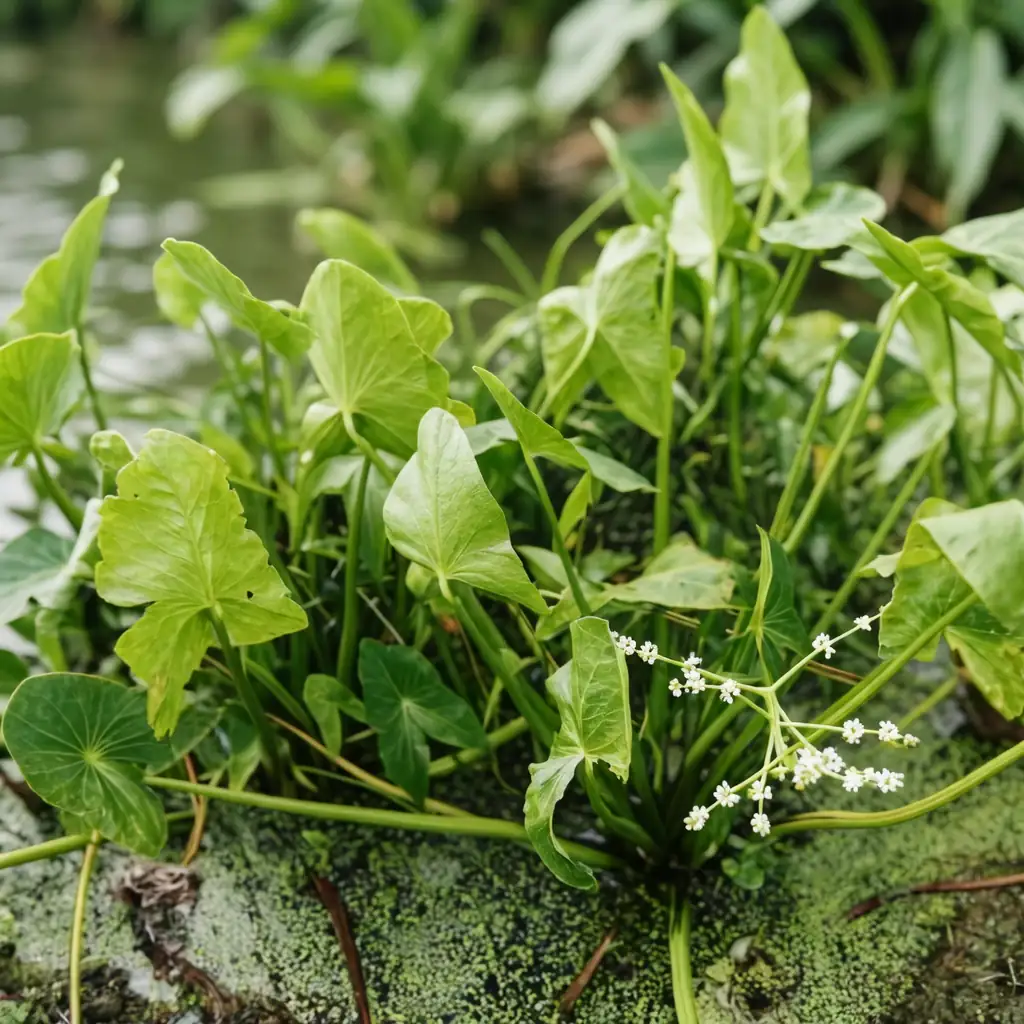
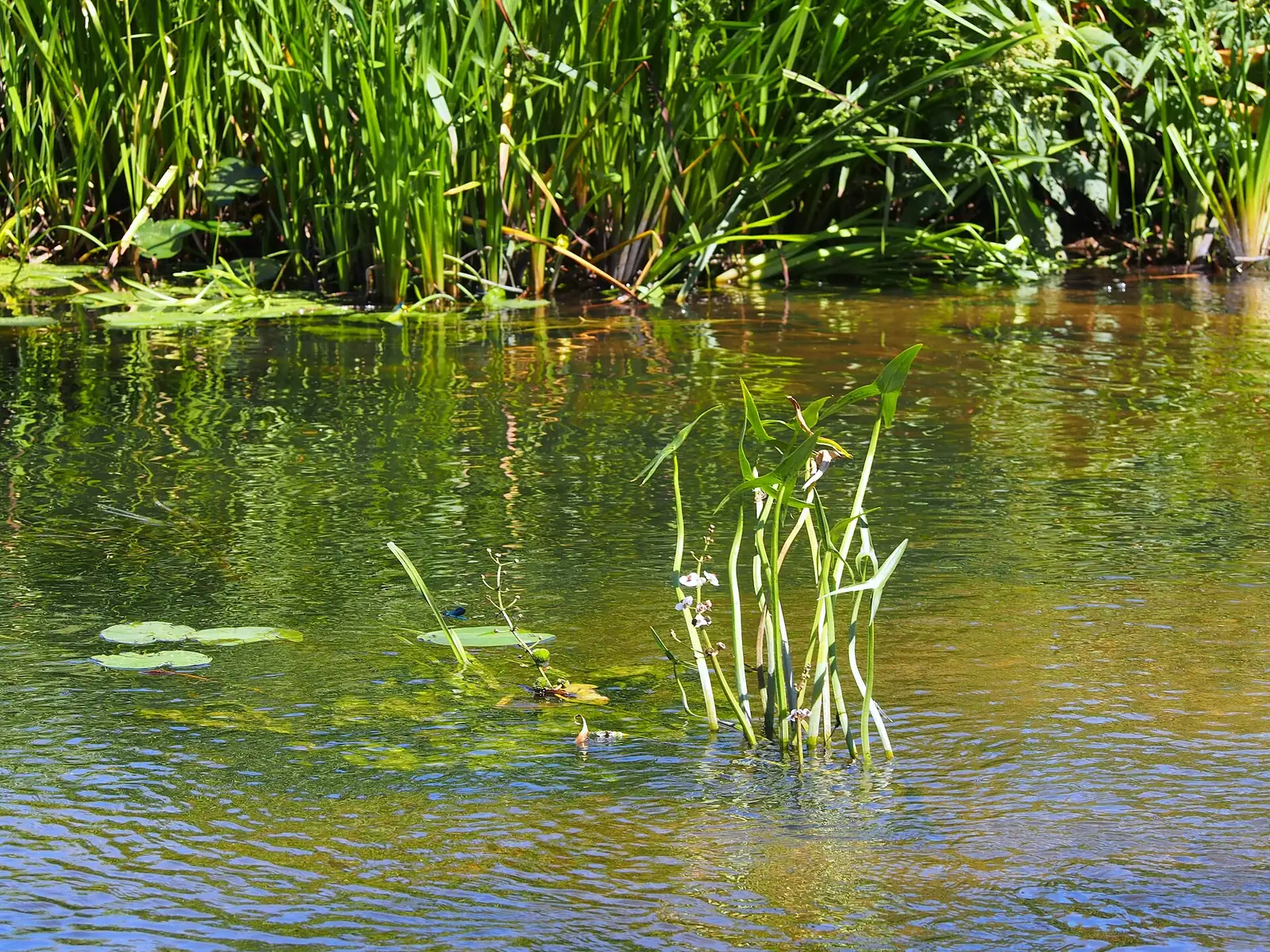
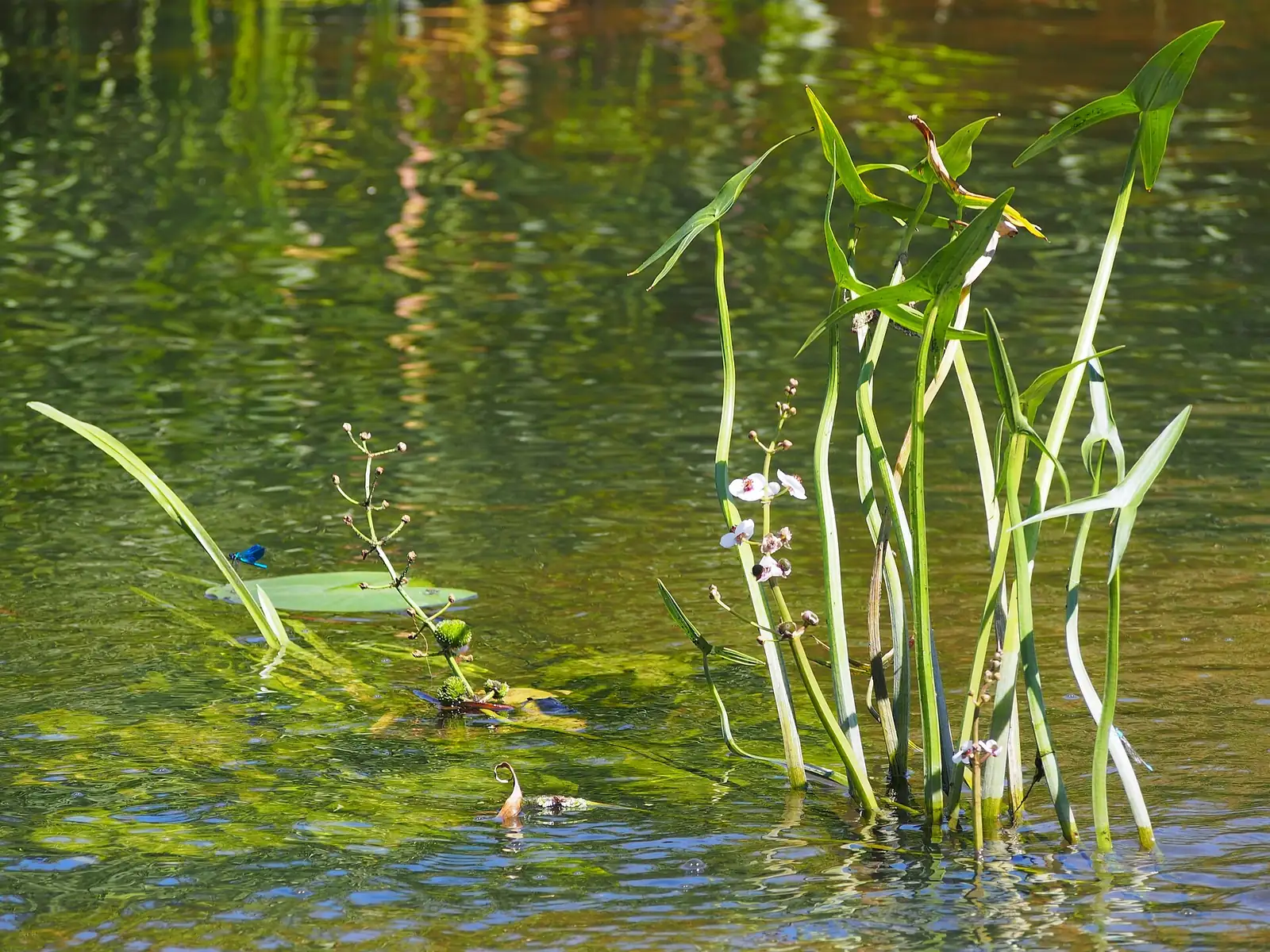
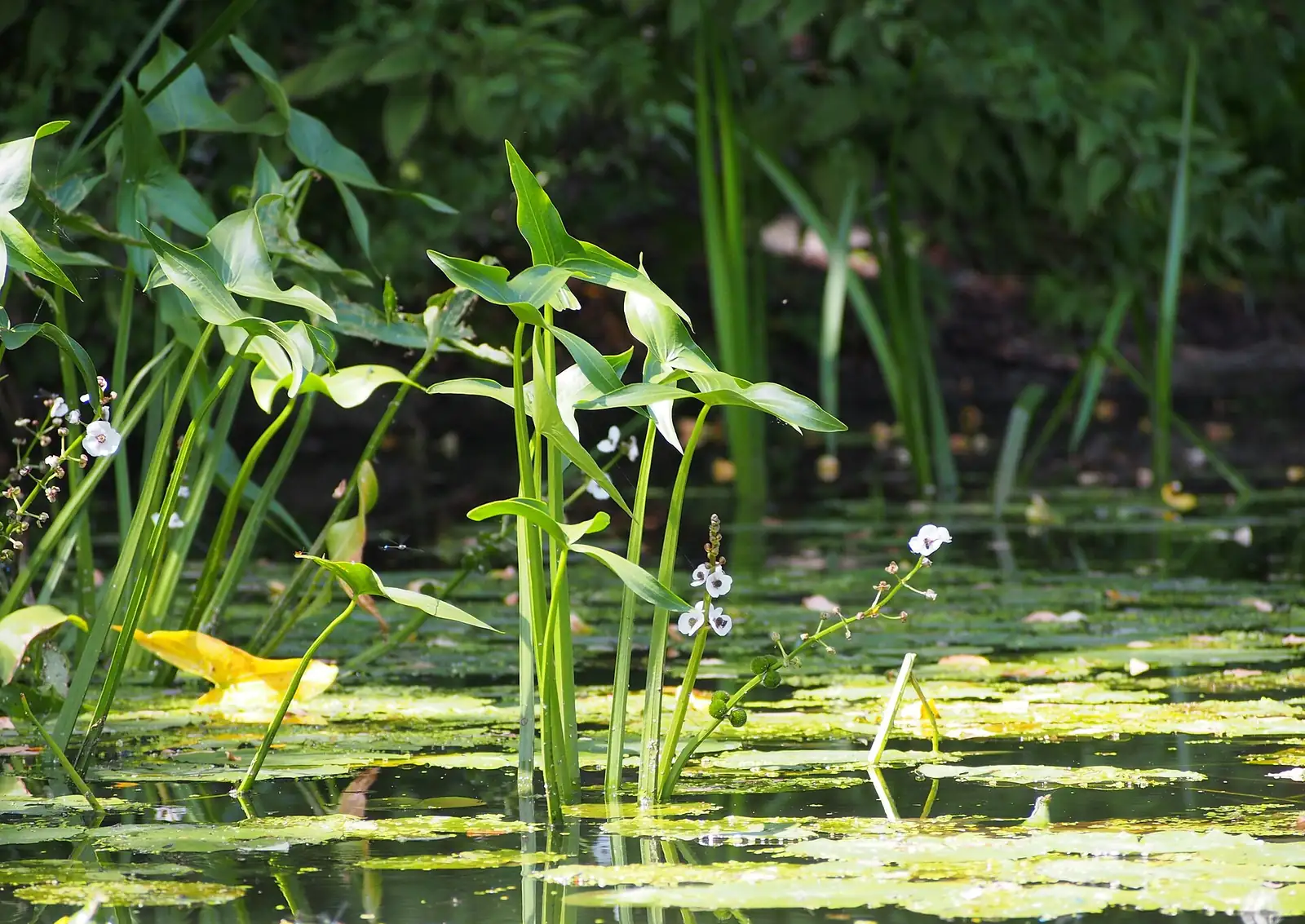
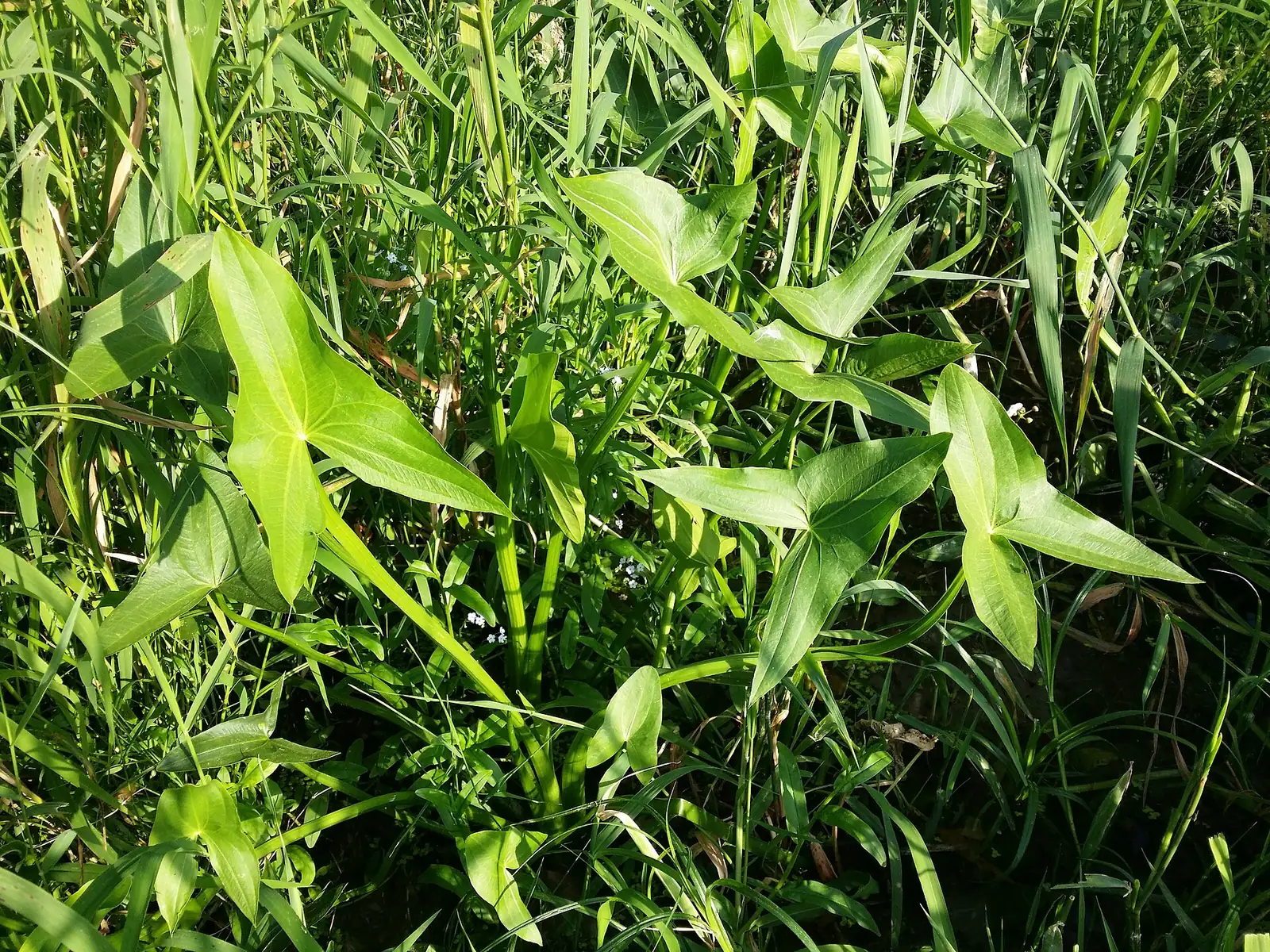
- Foliage: Basal leaves grow in a clump. Leaf shape is variable, but mature plants often show narrow, arrow-shaped blades. The petioles are stout with an expanded, sheath-like base and thin, membranous margins.
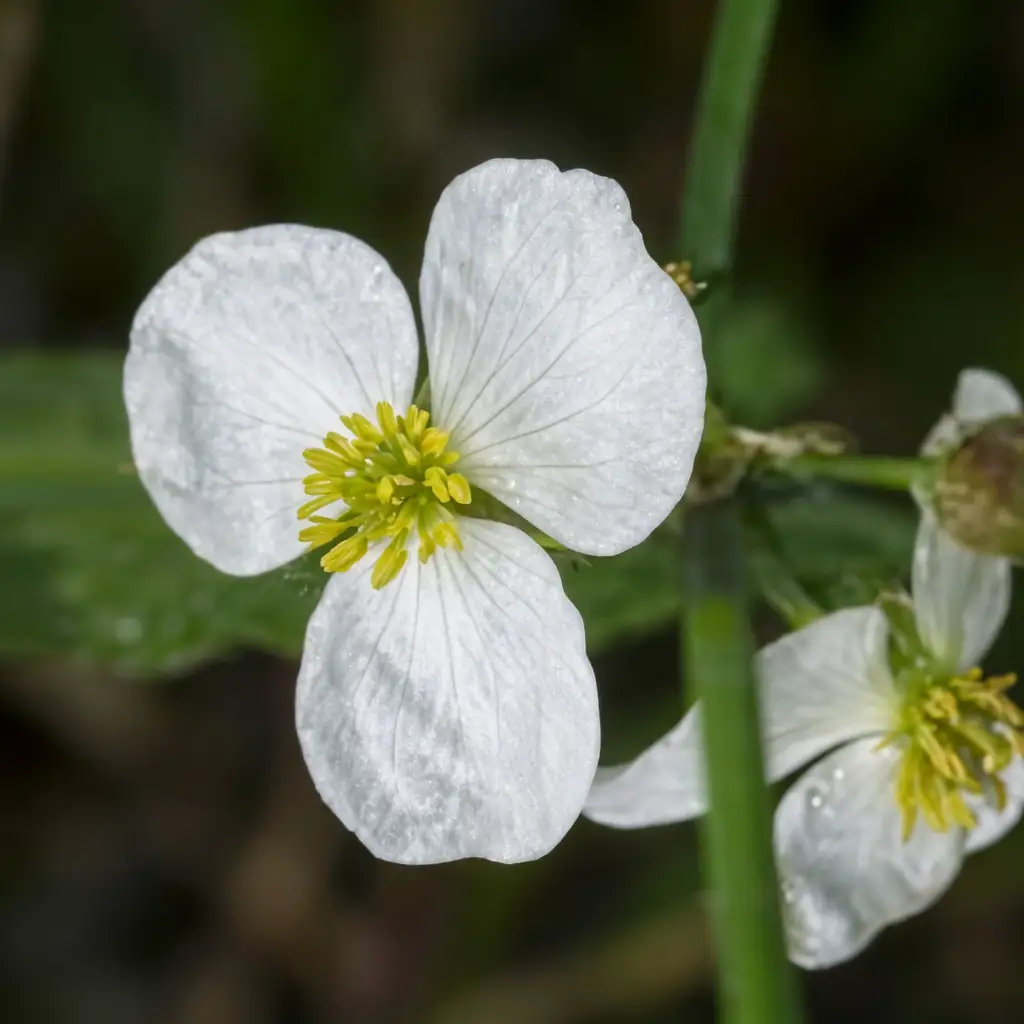
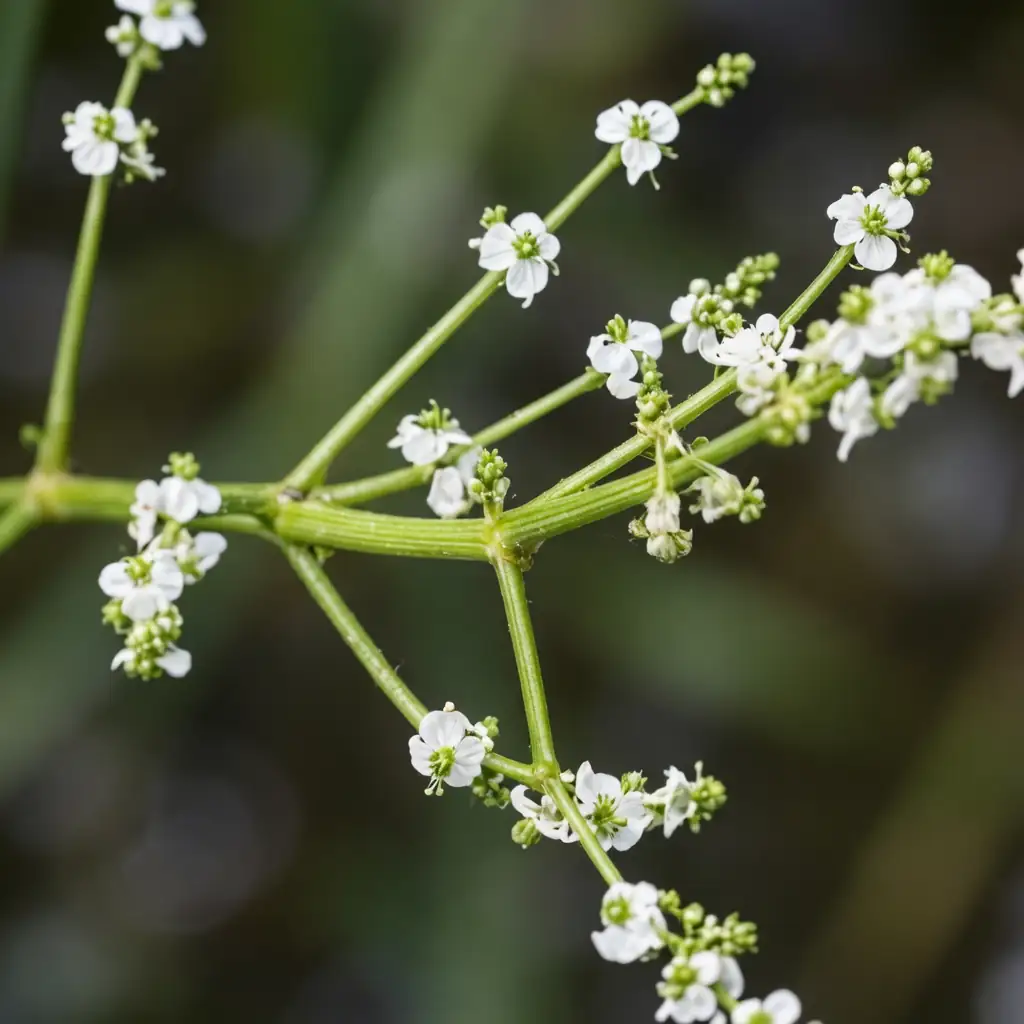
- Flower: Small white flowers are carried on sturdy, upright stalks, usually arranged in racemes or branched panicles above the foliage.
- Flowering Season: May–October (May–October)
- Growth Habit: Aquatic, clump-forming herbaceous perennial (often cultivated as an annual). Rhizomes creep horizontally through wet mud and swell at the tips to form tubers.
Environment
Sunlight
Full sun for best growth and tuber formation; tolerates light shade in very hot summers. (Aim for 6–8+ hours of sun daily.)
Temperature
Prefers warm conditions; best growth around 20–30°C (68–86°F). Growth slows markedly in cool weather.
Humidity
High humidity and constant moisture; naturally adapted to wetland conditions.
Soil
Heavy, fertile clay or loam that holds water; does especially well in shallow, nutrient-rich mud. A clay-based aquatic soil is ideal for containers.
Placement
Shallow water at pond edges, marshy beds, ditches, and rice-paddy style planters; also works well in watertight containers for balconies as an ornamental aquatic plant.
Hardiness
Frost-tender in cultivation; generally suited to warm-temperate to subtropical climates (approximately USDA Zone 8–11). Overwintering is easiest where water and soil do not freeze solid.
Care Guide
Difficulty
Easy—give it sun and consistently wet conditions and it’s remarkably cooperative and adaptable.
Buying Guide
Choose firm, unshrivelled tubers with no soft spots or mold. If buying as a live plant for ornamental use, pick vigorous crowns with healthy green basal leaves and no signs of rot.
Watering
Keep constantly wet. Grow in shallow water or keep the pot sitting in a water tray so the soil never dries out; even short droughts can stress the plant and reduce tuber yield.
Fertilization
Feed during active growth with a slow-release aquatic fertilizer or by mixing well-rotted organic matter into the mud. In small containers, avoid heavy feeding to reduce algae problems.
Pruning
Remove yellowing leaves and spent flower stalks to keep it tidy. Later in the season, tidying can also help direct energy toward tuber swelling.
Propagation
Mostly by planting tubers or dividing rhizomes. Separate offsets/tubers during dormancy and replant into fertile mud in shallow water.
Repotting
Repot and/or divide every 1–2 years in spring. Use a heavy clay-based aquatic soil and top with a thin gravel layer to reduce clouding and soil washout.
📅 Seasonal Care Calendar
Spring: plant tubers/divisions as temperatures warm. Summer: maintain full sun and constant water; flowering begins. Late summer to autumn (May–October): tubers enlarge; harvest after foliage starts to decline. Often grown as an annual crop even though it is perennial.
Pests, Diseases & Safety
Common Pests & Diseases
May attract aphids and leaf-chewing insects. In stagnant, overcrowded conditions, leaf spot and soft rot can appear. Improve water quality/flow, thin crowded growth, remove affected tissue, and handle tubers gently to prevent wounds that invite rot.
Toxicity
Commonly grown as an edible tuber crop and not known for significant toxicity when properly prepared. Avoid eating any plant parts collected from polluted water, and discourage pets from digging up and overeating tubers.
Culture & Symbolism
Symbolism: Often linked with harvest and abundance thanks to its generous, starchy tubers; also appreciated for its simple, clean white flowers in water gardens.
History & Legends: Cultivated in East Asia for centuries as a wetland vegetable, especially in paddy-like systems where shallow water can be maintained through the growing season.
Uses: Ornamental: a beautiful pond-margin plant with bold arrow-shaped foliage and white flowers, also suitable for water containers. Edible: produces starchy tubers that store well and develop a distinctive, slightly bitter taste when cooked.
FAQ
Can I grow arrowhead in a pot on a balcony?
Yes. Use a heavy, clay-based aquatic soil in a watertight container, keep the pot in shallow standing water, and place it in full sun for the best tuber development.
Why are my plants making lots of leaves but few tubers?
The usual reasons are not enough sun, water that’s too deep over the crown, or overfeeding with nitrogen. Increase light (6–8+ hours), keep it in shallow water, and switch to more balanced feeding.
Fun Facts
- The tubers are starchy, store well, and have a distinctive flavor with a gentle bitterness when cooked.
- Even though it’s a perennial, it’s often treated like an annual in cultivation to maximize tuber harvest.
- Leaf shape can vary a lot—seeing different “arrowhead” forms on the same plant is normal.
- It happily grows in heavy, sticky clay mud—exactly the kind of soil that makes many garden plants sulk.