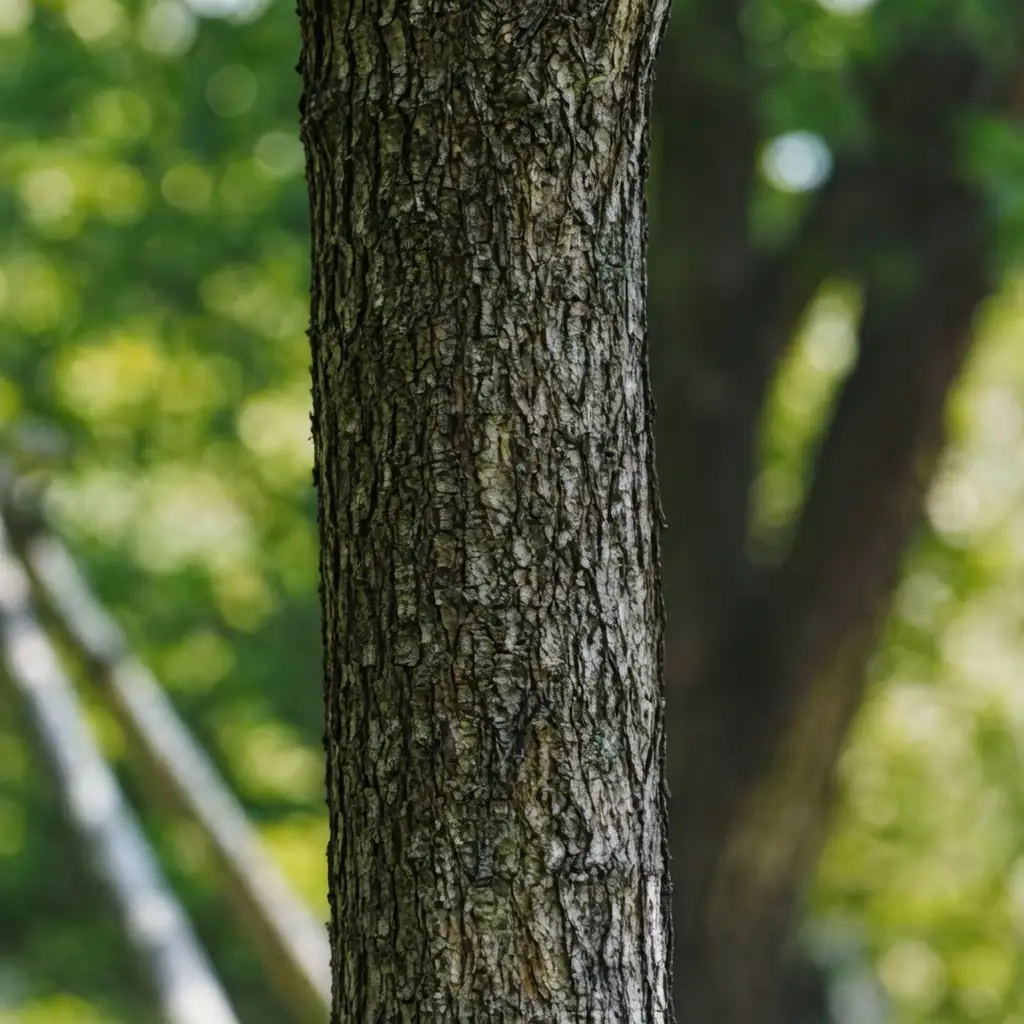
Plant Features
- Size: Typically 3–6 m (10–20 ft) tall with a rounded crown.
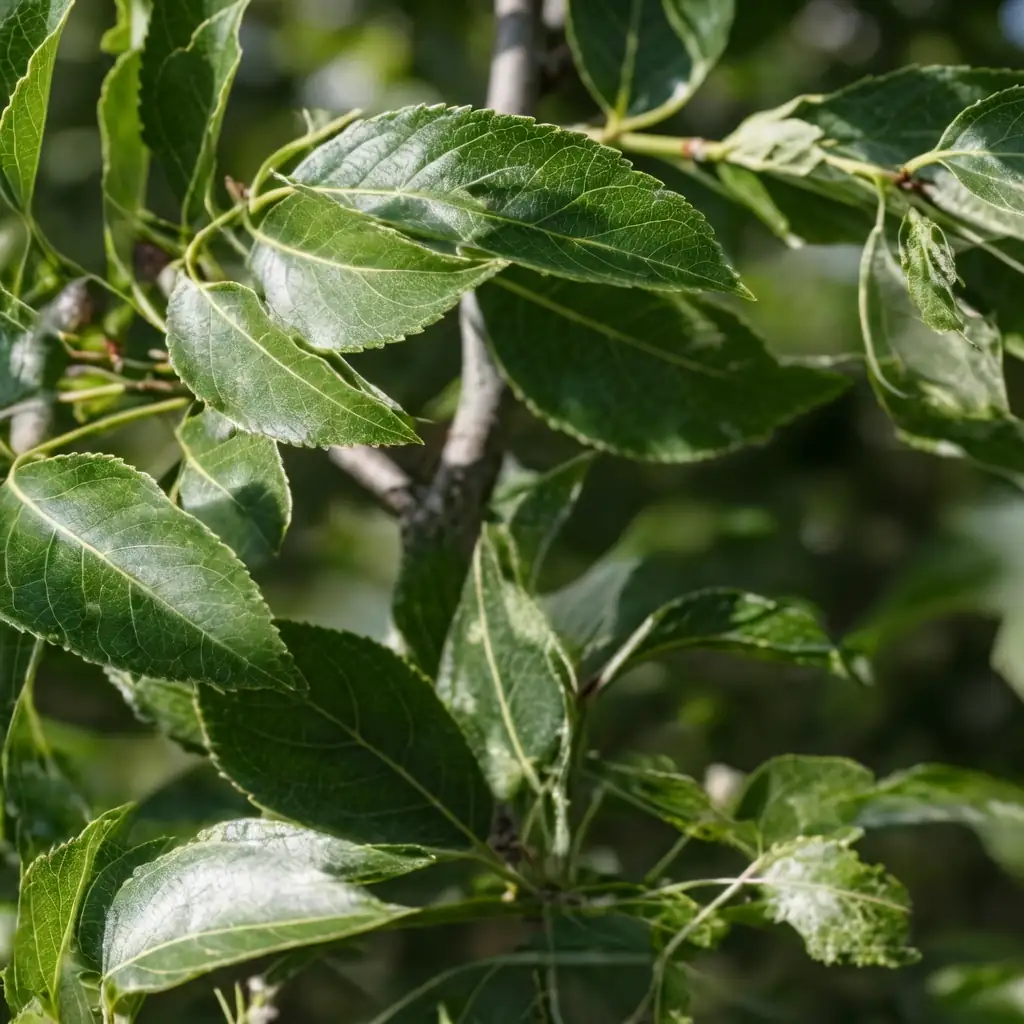
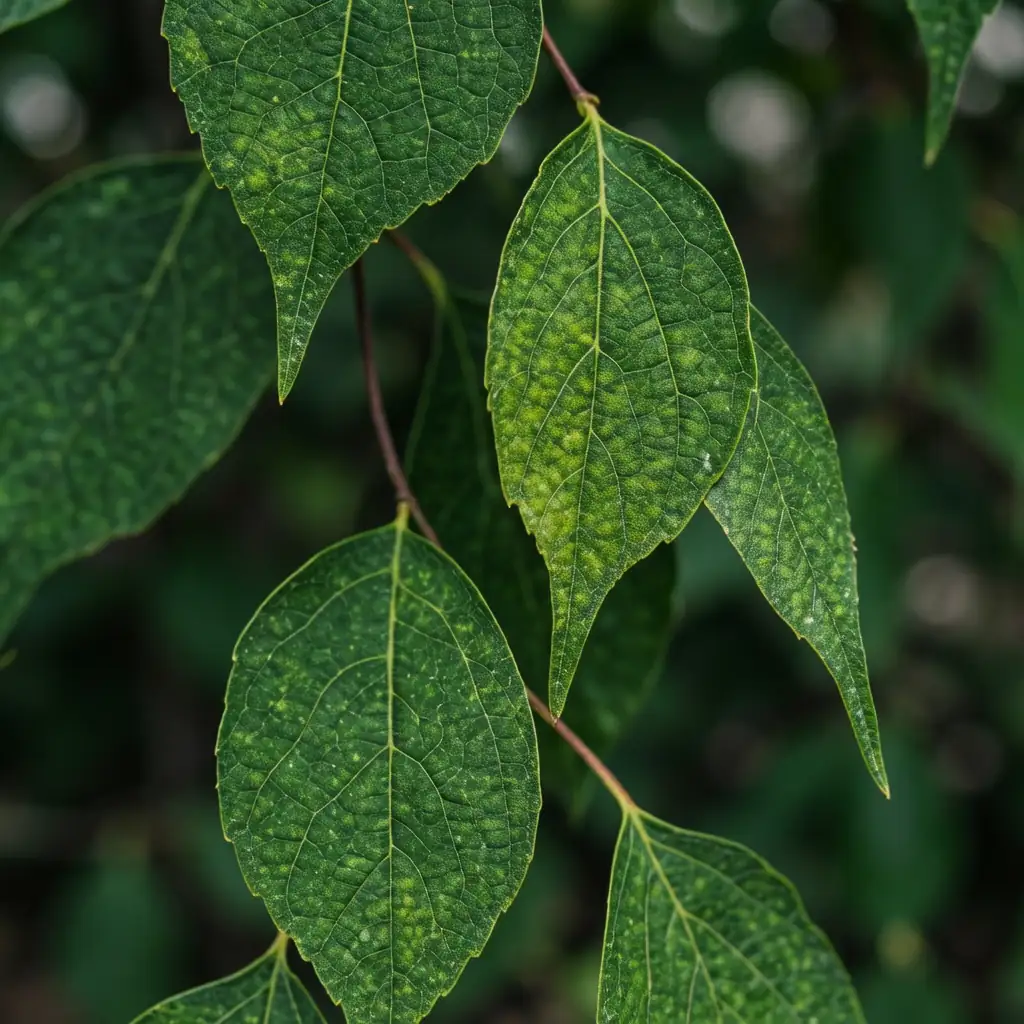
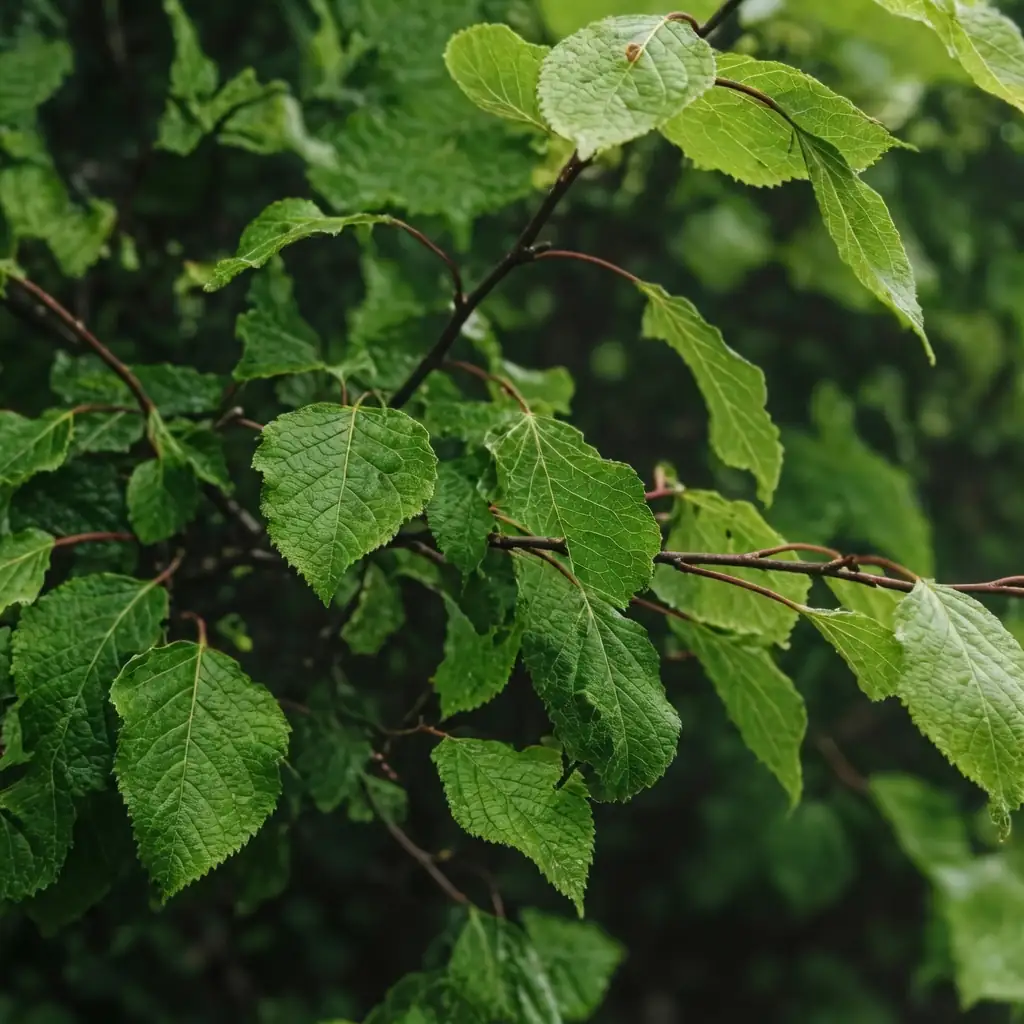
- Foliage: Leaves are broadly ovate to elliptic with a pointed tip and finely toothed edges; leaf stalks can show a reddish tint. Young twigs are often reddish-brown.
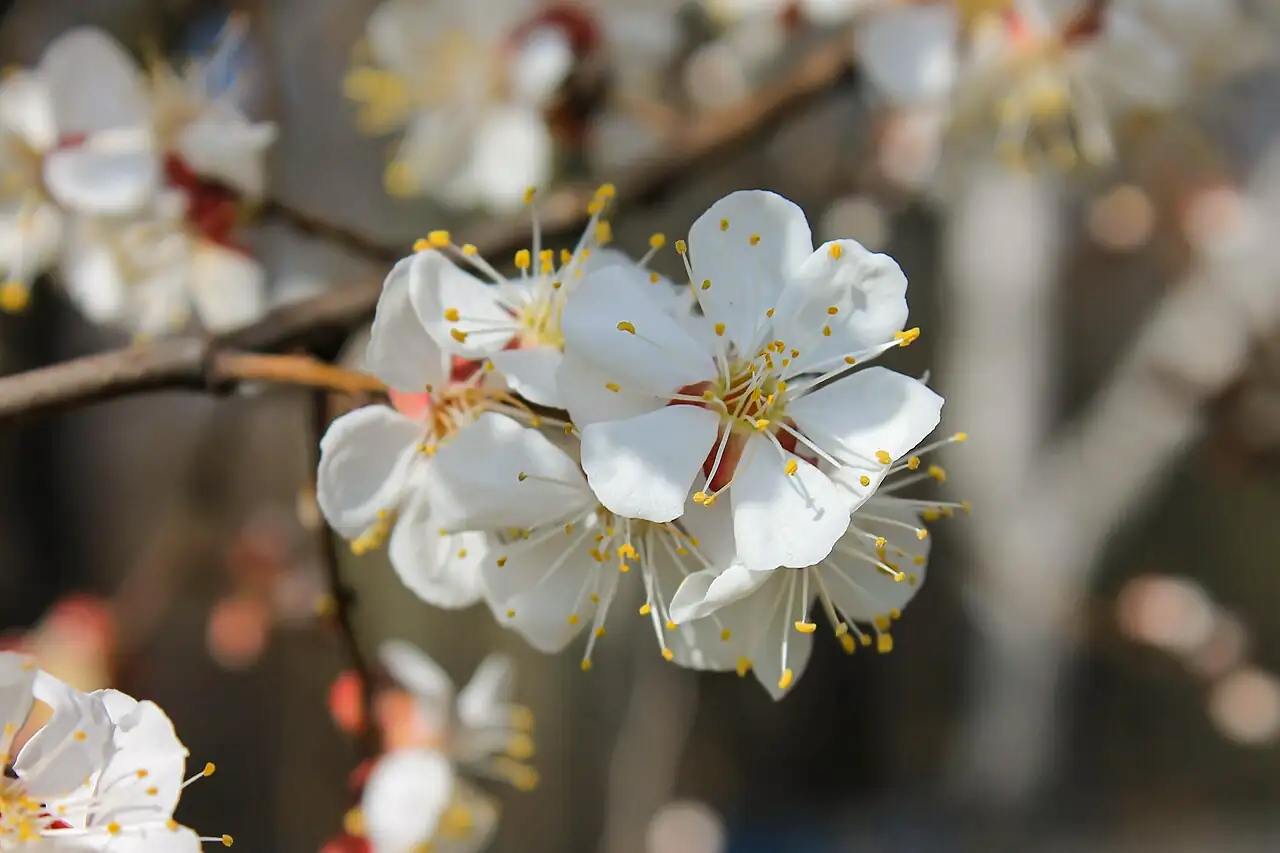
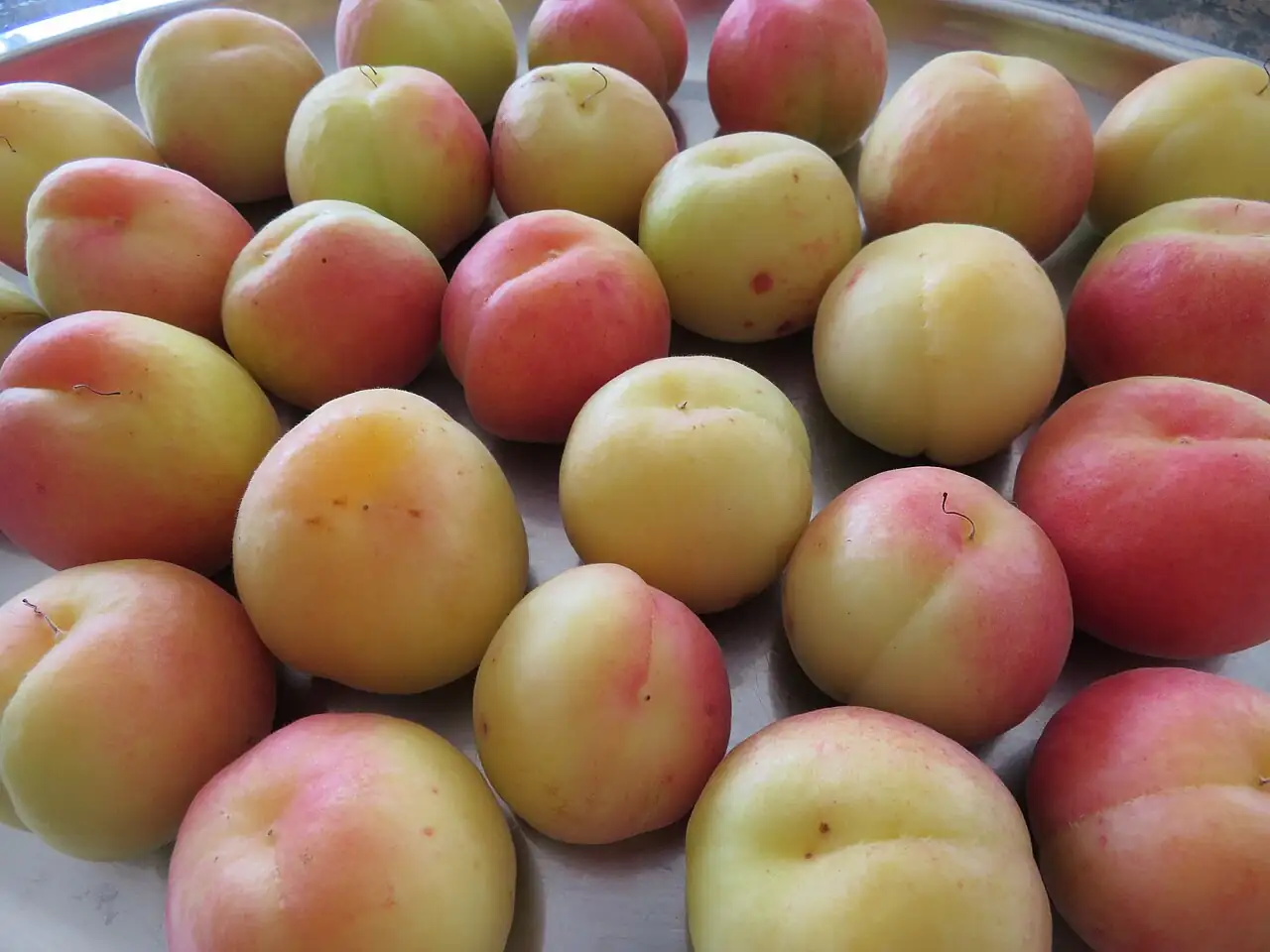
- Flower: Single flowers bloom on bare branches before leaves appear, usually white to pale pink. Fruits are round and apricot-yellow, often with a red blush on one side; they have a clear seam and a fine fuzz.
- Flowering Season: March–April (early spring)
- Growth Habit: A deciduous, generally rounded tree that forms a neat, well-shaped canopy when lightly trained.
Environment
Sunlight
Full sun for best flowering and fruiting; low light leads to weaker growth and fewer blooms/fruits.
Temperature
Cold hardy and tolerant of summer heat; performs best with winter chill followed by warm, relatively dry summers. Typical growing range about -25 to 35°C (-13 to 95°F) depending on cultivar and site.
Humidity
Prefers a drier climate; prolonged dampness and constantly wet conditions can increase disease problems.
Soil
Adaptable as long as drainage is excellent. Handles moderately poor soils and is fairly drought tolerant once established; can tolerate slightly alkaline/saline conditions. Avoid heavy, waterlogged soils.
Placement
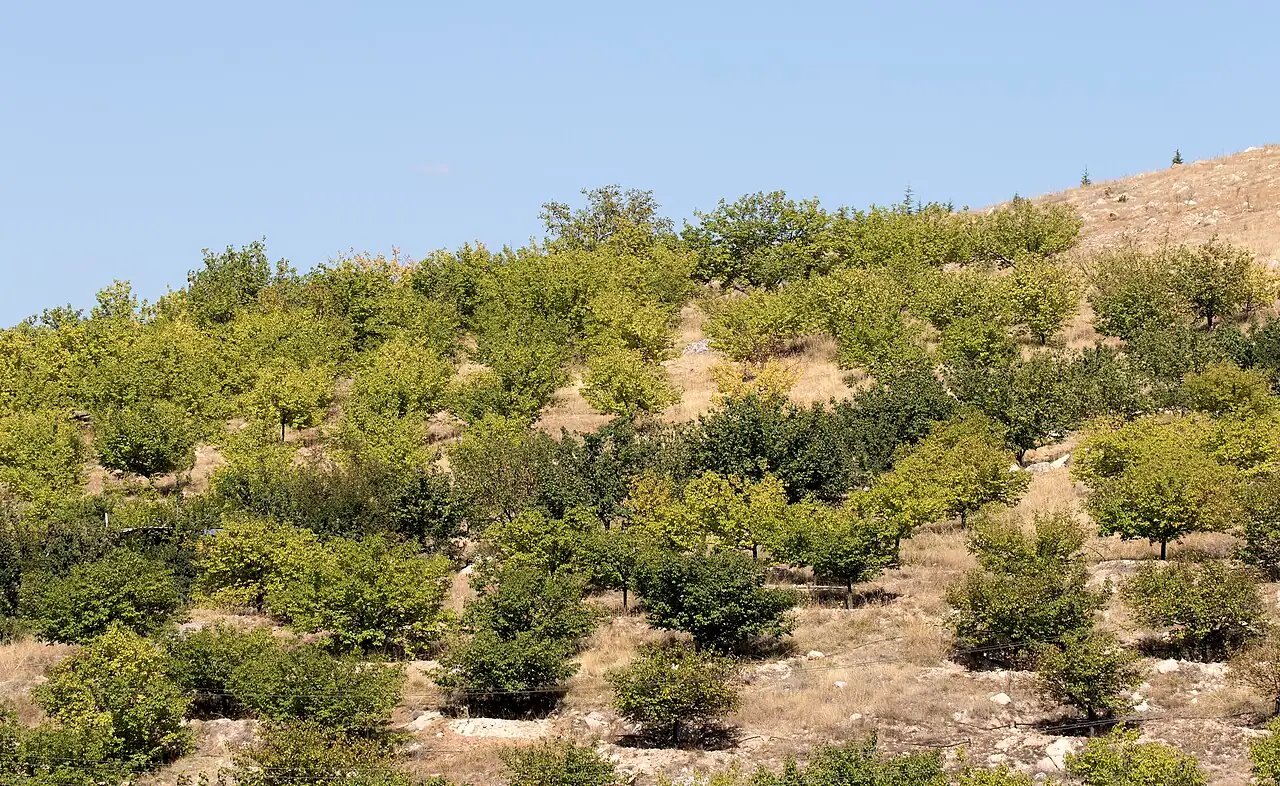
Outdoors in an open, sunny spot with good air movement—orchards, sunny slopes, parks, and mass plantings all work well where drainage is reliable.
Hardiness
Generally USDA Zone 5–8 (occasionally 4–9 depending on cultivar); not ideal for persistently humid, disease-prone sites.
Care Guide
Difficulty
Moderate. Apricots can be less forgiving of harsh pruning, so aim for gentle training and good site selection (sun + drainage) rather than heavy cutting.
Buying Guide
Choose a cultivar matched to your local winter chill and spring frost risk. Buy healthy, grafted trees with a solid graft union, no cankers or bark damage, and a well-spaced branch framework.
Watering
Water deeply after planting and during the first seasons to establish roots. After that, apricot tolerates some drought, but fruits best with deep, occasional watering during dry spells. Avoid frequent shallow watering and never let the root zone stay soggy.
Fertilization
Feed lightly in early spring as growth begins using a balanced fruit-tree fertilizer. Avoid excess nitrogen—it can push soft, leafy growth at the expense of flowers, fruit quality, and disease resistance.
Pruning
Prune sparingly. Remove dead, diseased, or crossing branches, and keep the canopy open for sun and airflow. Do major structural pruning while dormant, with only minimal summer touch-ups if needed.
Propagation
Named cultivars are typically propagated by grafting or budding onto suitable Prunus rootstocks. Seedlings are mainly used for rootstocks and won’t reliably come true to the parent.
Repotting
Not applicable for in-ground trees. If grown in a large container, repot or root-prune and refresh the potting mix every 2–3 years in late winter/early spring; prioritize excellent drainage.
📅 Seasonal Care Calendar
Flowering: March–April. Fruit ripening: June–July (varies by cultivar and climate).
Pests, Diseases & Safety
Common Pests & Diseases
Possible pests include aphids, scale insects, borers, and fruit moths. Diseases can include brown rot, shot hole, leaf curl, and bacterial canker. Prevention helps a lot: full sun, an open canopy for airflow, orchard hygiene (remove fallen leaves and mummified fruit), and locally appropriate dormant/seasonal sprays if recommended.
Toxicity
Ripe fruit flesh is edible. Pits/kernels are hazardous if chewed and eaten: the kernels contain amygdalin, which can release cyanide. Keep pits and kernels away from children and pets, and avoid consuming raw kernels.
Culture & Symbolism
Symbolism: A classic symbol of early spring—renewal, fresh starts, and delicate beauty—because it blooms so early in the year.
Uses: Grown as an ornamental flowering tree and as an important fruit crop. Fruits are eaten fresh or made into jams, preserves, and candied products. Kernels are used in some traditional medicinal preparations, but require careful handling due to toxicity risks. In suitable dry northern regions, apricot can also be used in greening and hillside plantings.
FAQ
Why is my apricot tree growing lots of shoots but flowering poorly?
The most common causes are too little sun and/or too much nitrogen fertilizer. Move or plant in full sun, feed lightly, and prune gently so you don’t remove fruiting wood.
Can apricot tolerate drought?
Yes—once established it’s fairly drought tolerant. For best harvests, give deep, infrequent watering during long dry spells, and always prioritize well-drained soil.
Fun Facts
- Apricot often blooms before leaves emerge, turning bare branches into an early-spring bouquet.
- Some forms have paired flowers, while weeping types can have pendulous branches with smaller leaves and fruits.
- Apricots are enjoyed fresh and in preserves such as jams and candied treats.
- In the right climate, apricot can be both a beautiful landscape tree and a productive economic crop, sometimes planted on hillsides at scale.