

Plant Features
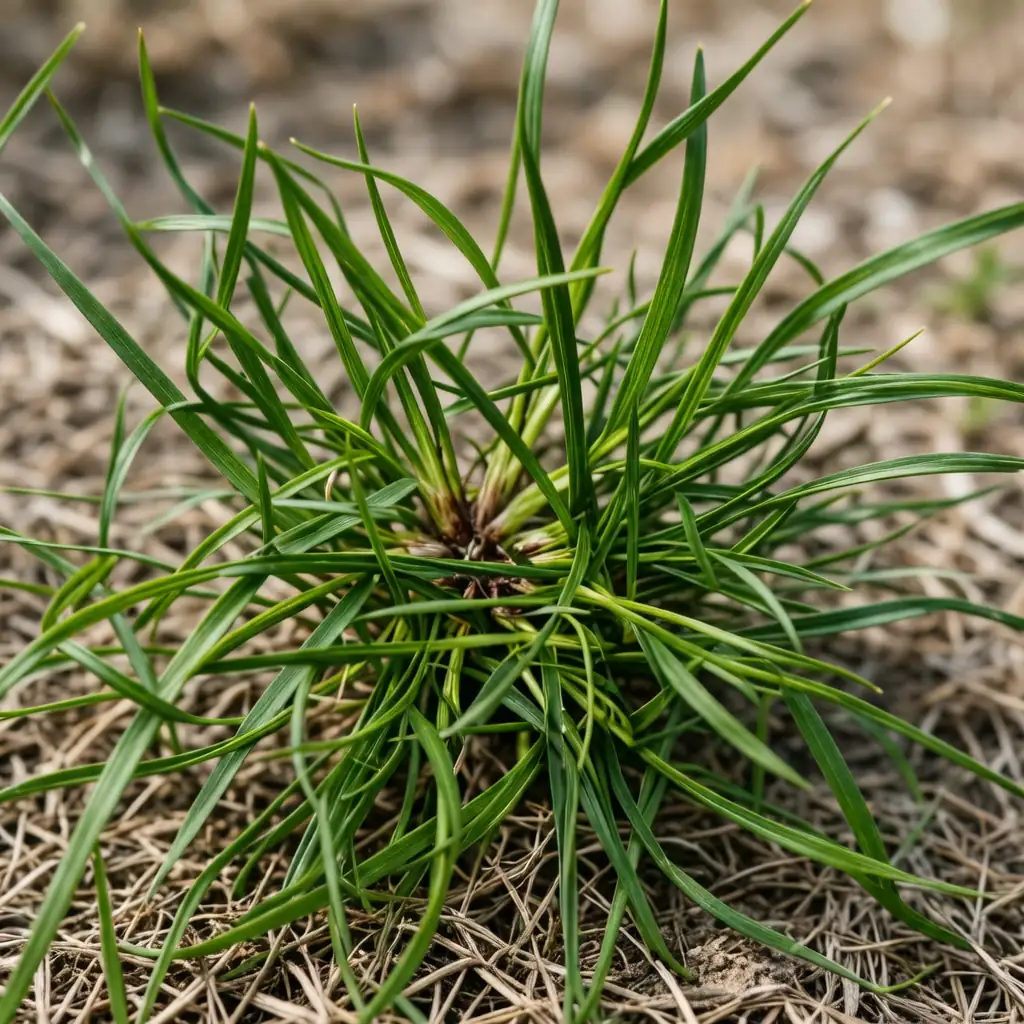
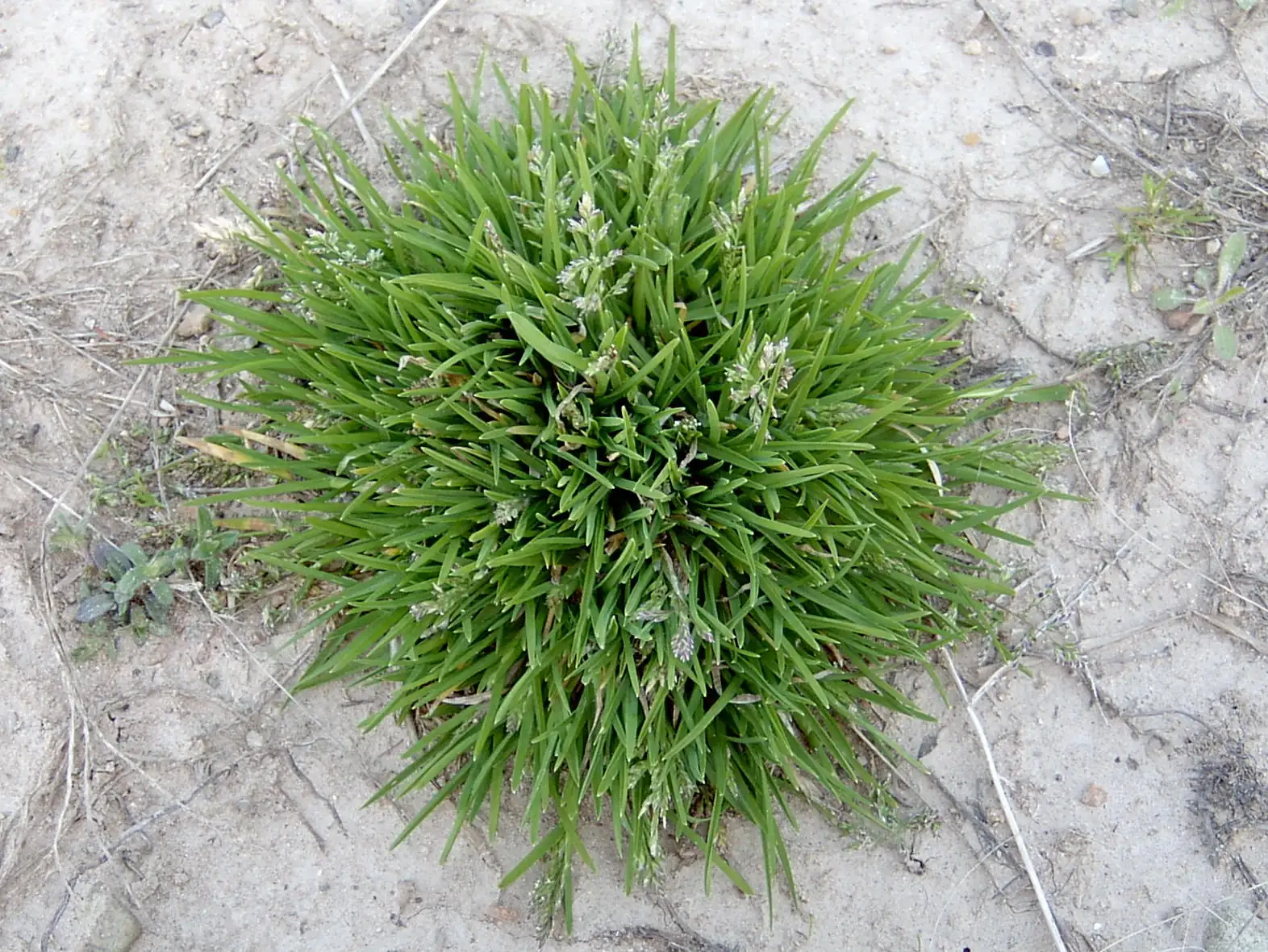
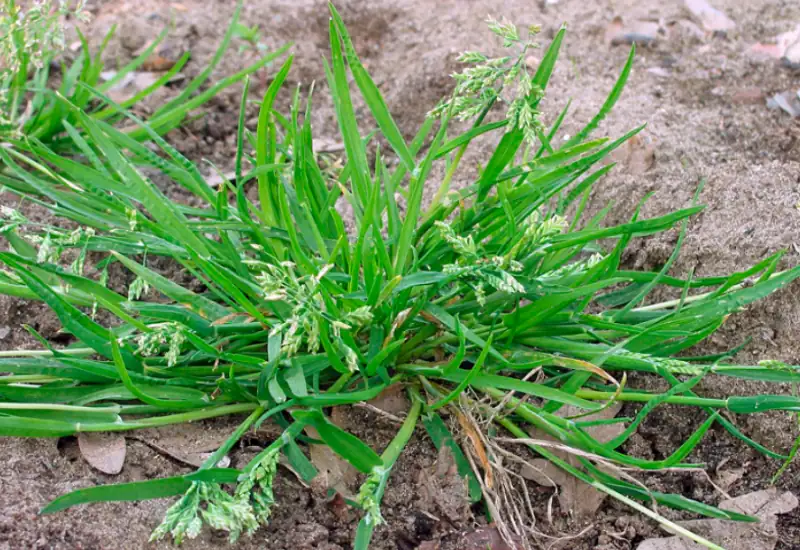
- Size: Typically 6–30 cm (2.4–12 in) tall; a low, tufted grass that forms small clumps.
- Foliage: Leaves are soft-textured and bright to light green, usually flat (sometimes folded) with fine venation; faint transverse vein markings may be visible.
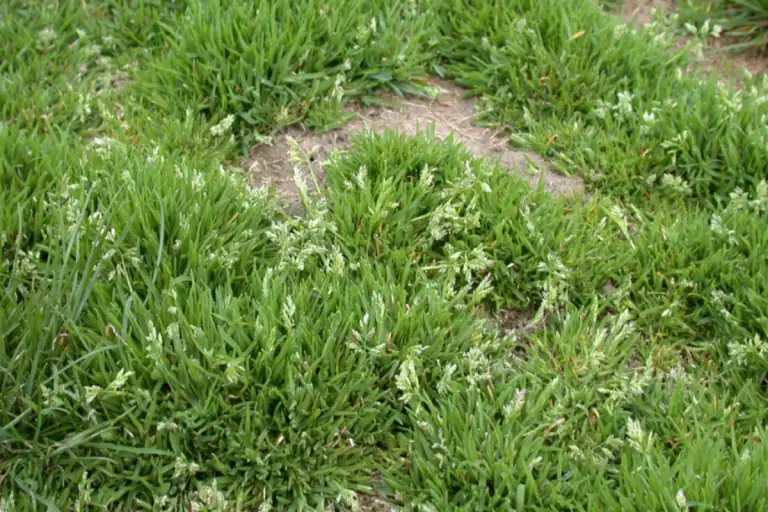
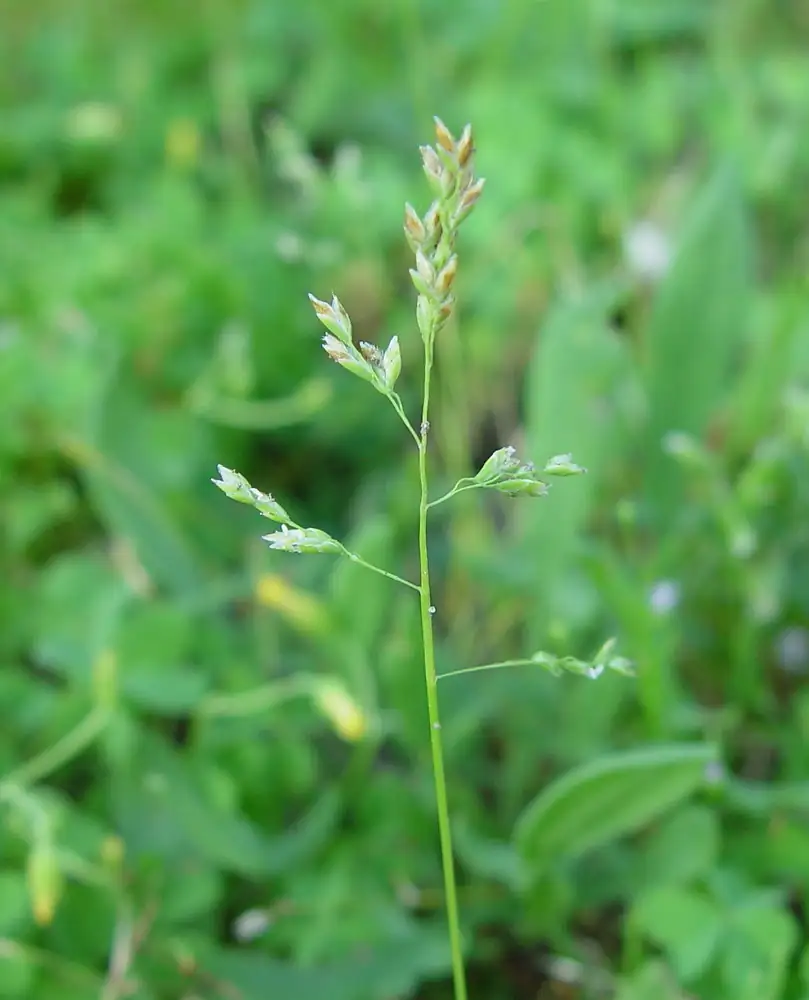
- Flower: Produces branched, open panicles (airy seedheads) with many small, egg-shaped spikelets. Seedheads are usually green and can form rapidly under favorable cool, moist conditions.
- Flowering Season: April–May (spring) in many temperate areas; can flower opportunistically during cool weather.
- Growth Habit: Low, tuft-forming grass; most often annual or winter annual, with relatively soft stems and quick life-cycle turnover.
Environment
Sunlight
Full sun to partial shade; tolerates some shade but looks and grows best with good light.
Temperature
Prefers cool to mild conditions, roughly 10–24°C (50–75°F). Tolerates frost and cold far better than prolonged heat.
Humidity
Likes moist to humid conditions; declines in hot, dry air and during drought.
Soil
Adaptable, but happiest in consistently moist soils. Common in lawns, field margins, roadsides, and damp ditches. Struggles in very dry, sandy soils unless regularly irrigated and well managed.
Placement
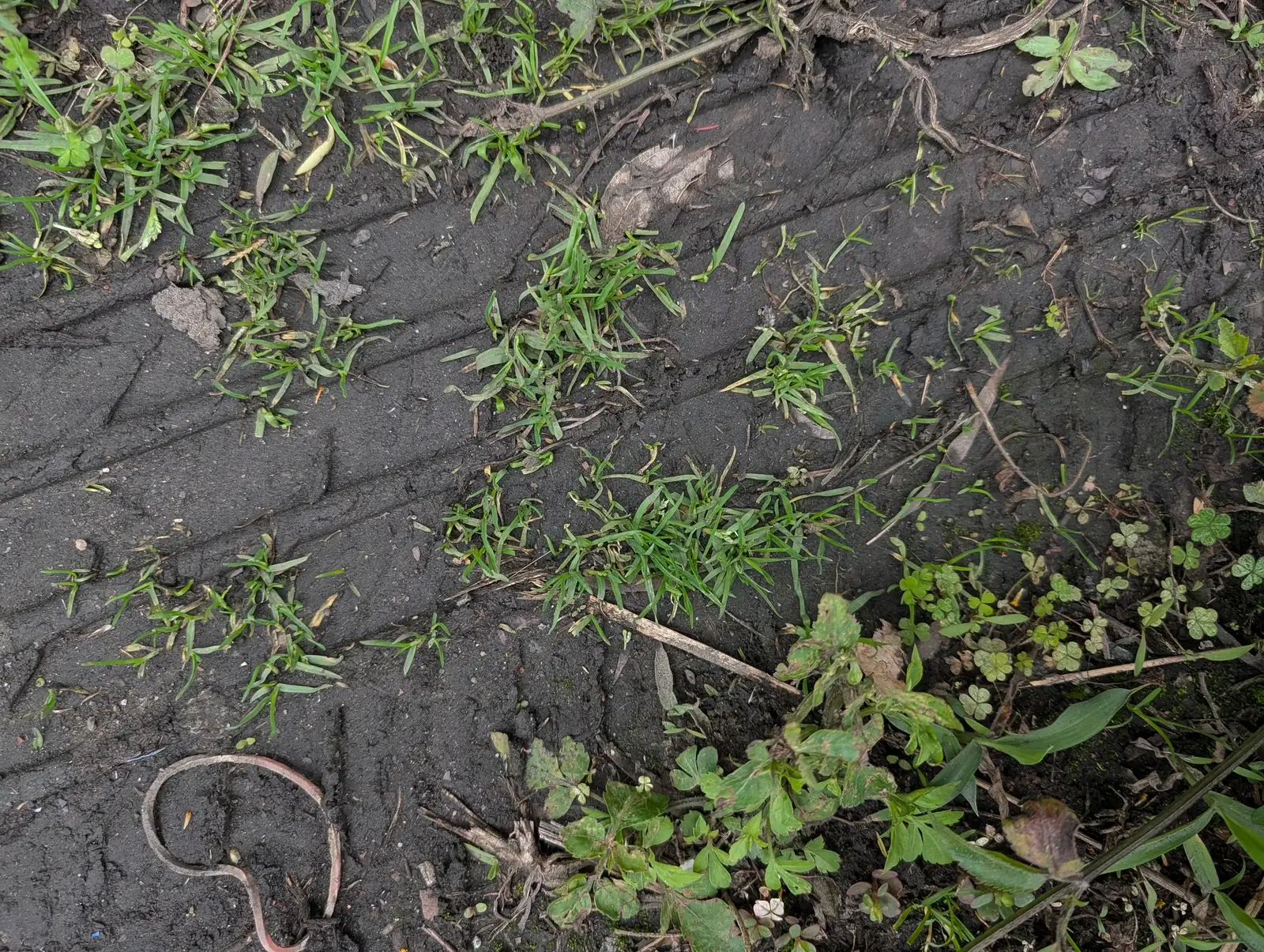
Lawns and groundcover areas; often appears in managed turf (including warm-season lawns such as bermudagrass), especially in cooler months.
Hardiness
Cold-tolerant and widely adaptable; commonly persists across USDA Zones 3–10 (approx.), though performance drops in hot summers.
Care Guide
Difficulty
Easy to establish (or to have show up!) in cool, moist weather; challenging to maintain as a consistently high-quality lawn grass through heat, drought, and summer stress.
Buying Guide
Usually not purchased on purpose; it commonly arrives via contaminated soil or seed, or by self-seeding into turf. If you’re choosing or keeping patches for temporary green cover, aim for areas with dense, even growth; fewer visible seedheads generally means a smoother-looking patch.
Watering
Has low drought tolerance—keep soil evenly moist. Water deeply when the top 2–3 cm (0.8–1.2 in) begins to dry. In cool or rainy periods, cut back to avoid waterlogging and disease.
Fertilization
If it’s functioning as part of turf, feed lightly during cool seasons. Too much nitrogen can push excessive seedhead production and make the lawn look uneven; use a balanced lawn fertilizer rate appropriate to your region.
Pruning
Mow regularly to keep it neat and reduce seedhead formation. Sharp mower blades help prevent shredding the soft leaves.
Propagation
Primarily by seed. Readily self-seeds and spreads as seed moves with soil, mowing equipment, shoes, and foot traffic.
Repotting
Not typically grown as a potted plant. If in containers, ensure strong drainage and refresh the top layer of soil as needed to prevent compaction and waterlogging.
📅 Seasonal Care Calendar
Often germinates and grows strongly in cool seasons, flowers mainly in spring (around April–May), and commonly sets seed in early summer (around June–July). Many plants decline or die back in summer heat, especially without irrigation.
Pests, Diseases & Safety
Common Pests & Diseases
Can be affected by common turf problems such as leaf spots and dollar spot, especially where drainage is poor or watering is excessive. Better airflow, proper mowing practices, and avoiding constant wetness help limit issues.
Toxicity
Not known to be toxic to people or pets. However, grass pollen may trigger allergies in sensitive individuals.
Culture & Symbolism
Uses: Often tolerated or used for quick cool-season green cover in turf, but frequently treated as a lawn weed due to patchy growth, heavy seedhead production, and poor summer heat tolerance. Common as a volunteer grass even in warm-season lawns such as bermudagrass.
FAQ
Is annual meadow grass a lawn grass or a weed?
Both. It can give fast green cover in cool, moist weather, but many people consider it a weed because it makes lots of seedheads, can form patchy clumps, and often declines once summer heat arrives.
Why does it show up so easily in my lawn?
It produces abundant seed that germinates readily in cool seasons. Seeds hitchhike in moved soil, on mowing equipment, on shoes, and sometimes in contaminated grass seed mixes.
Fun Facts
- It’s often an annual or winter annual that can complete its life cycle quickly.
- It’s widespread across temperate regions and is common in lawns, roadsides, fields, and damp ditches.
- In many areas it flowers mainly in spring (around April–May) and sets seed in early summer (around June–July).
- It stays small—typically only 6–30 cm (2.4–12 in) tall.
- It often appears in warm-season turf (like bermudagrass) during cooler months.


