Plant Features
- Size:30–100 cm (12–39 in) tall; typically forms loose clumps rather than a dense mound.
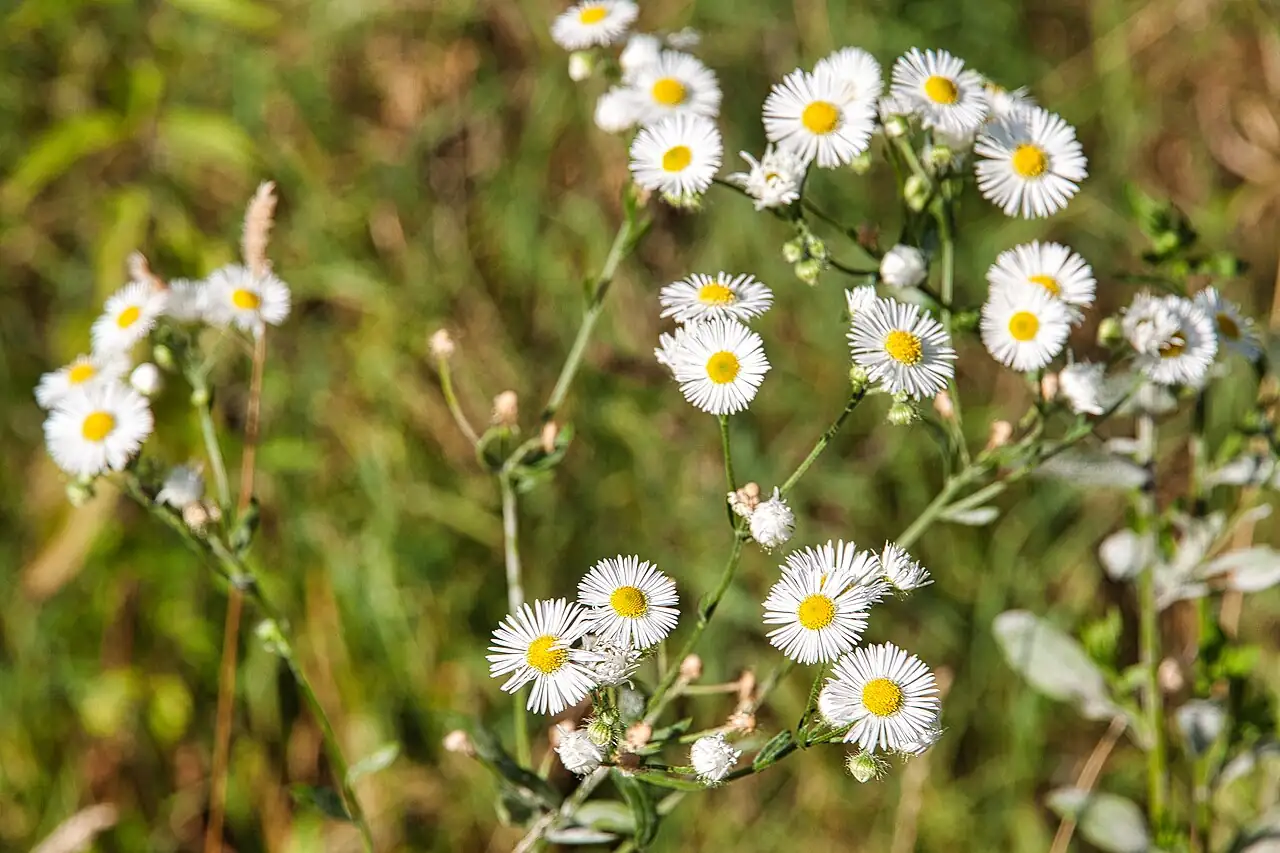
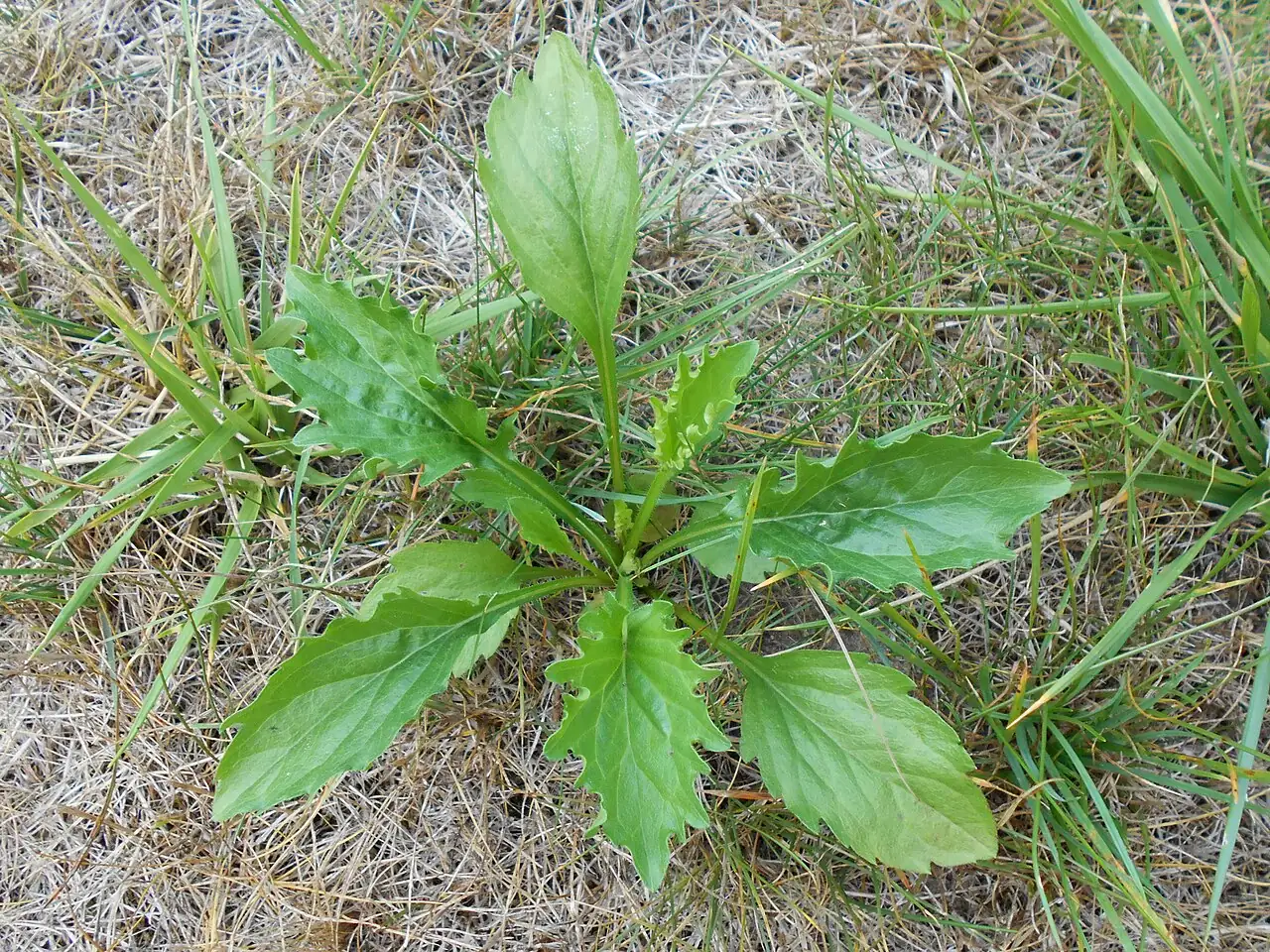
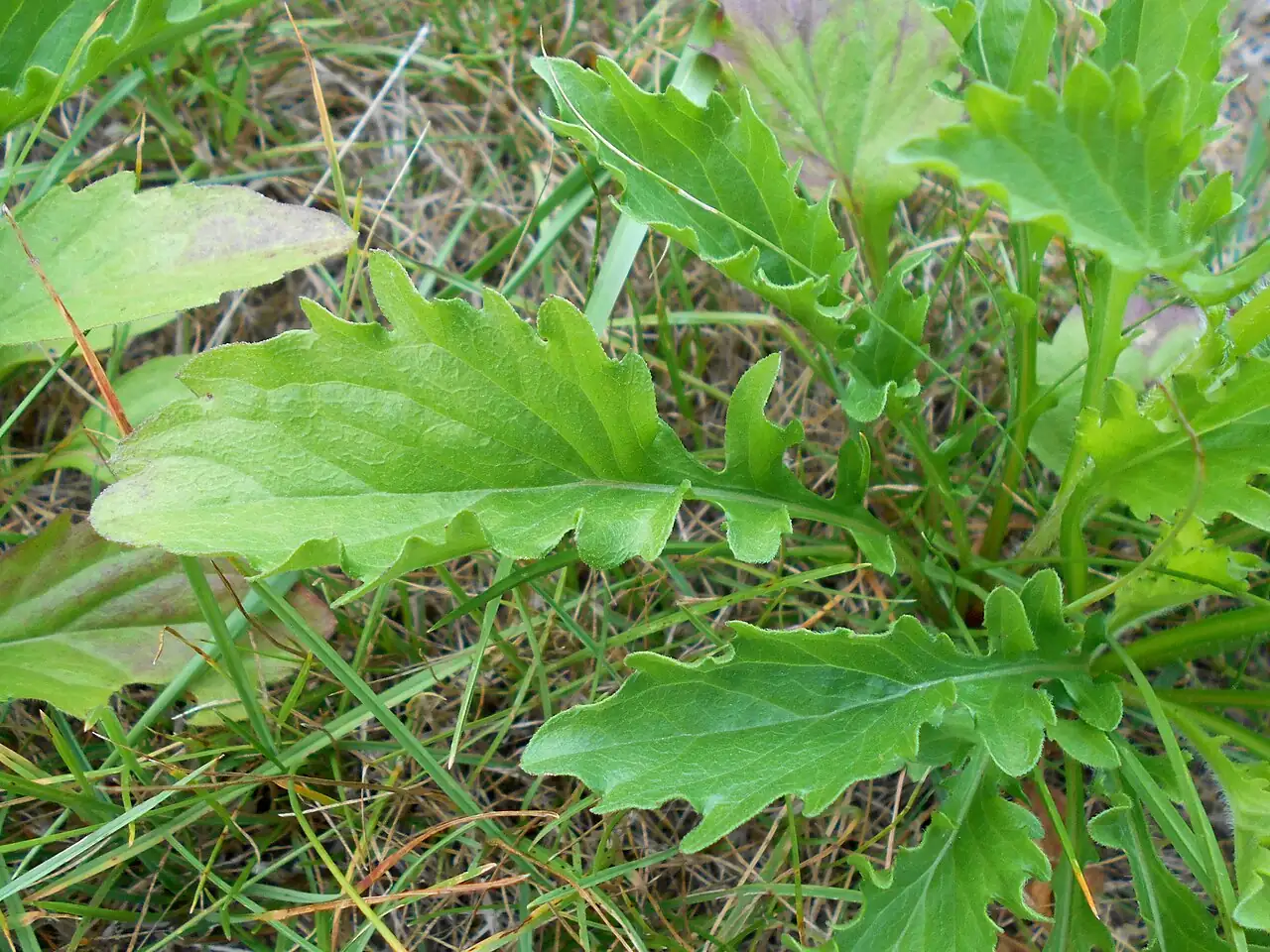
- Foliage: Leaves are alternate and simple, generally lance-shaped, and often described as yellow-green. Stems are round (cylindrical) and, like the leaves, are sparsely covered with coarse hairs, giving the plant a slightly rough texture up close.
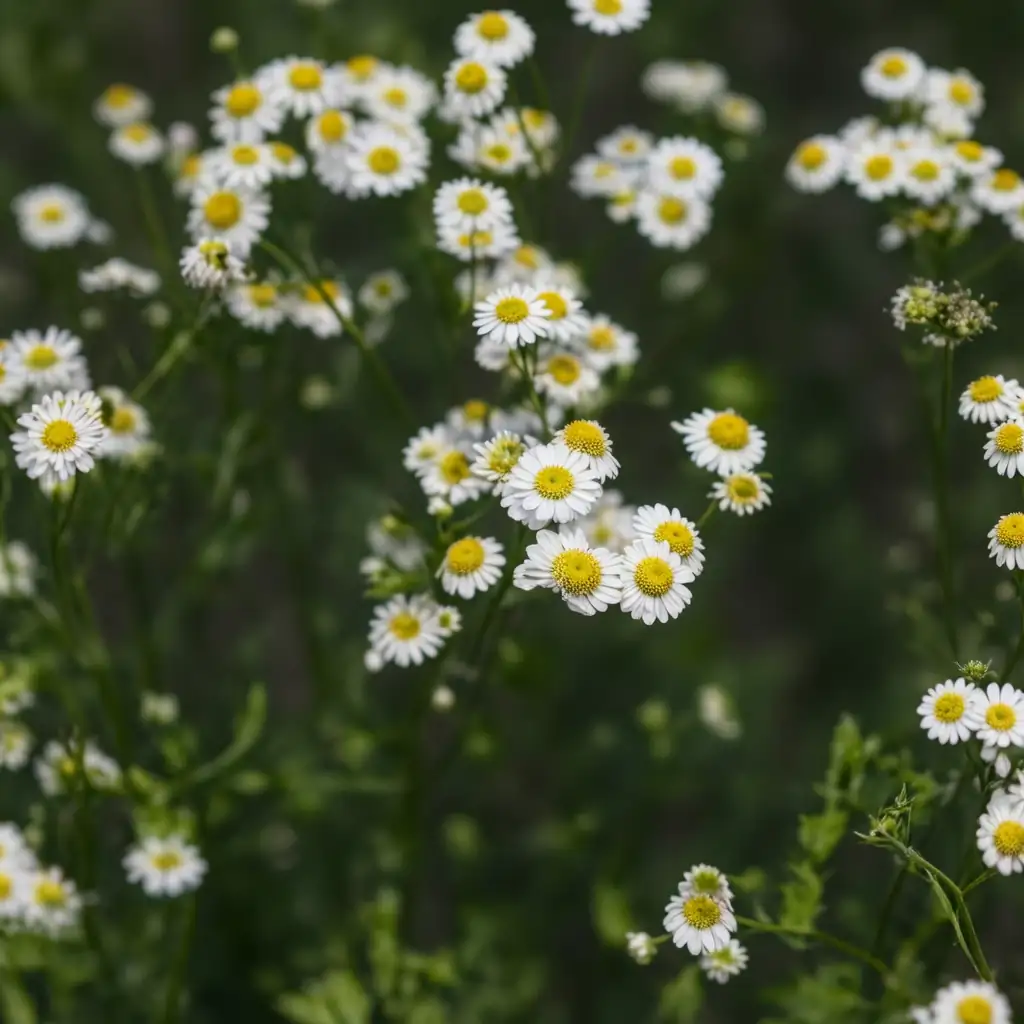
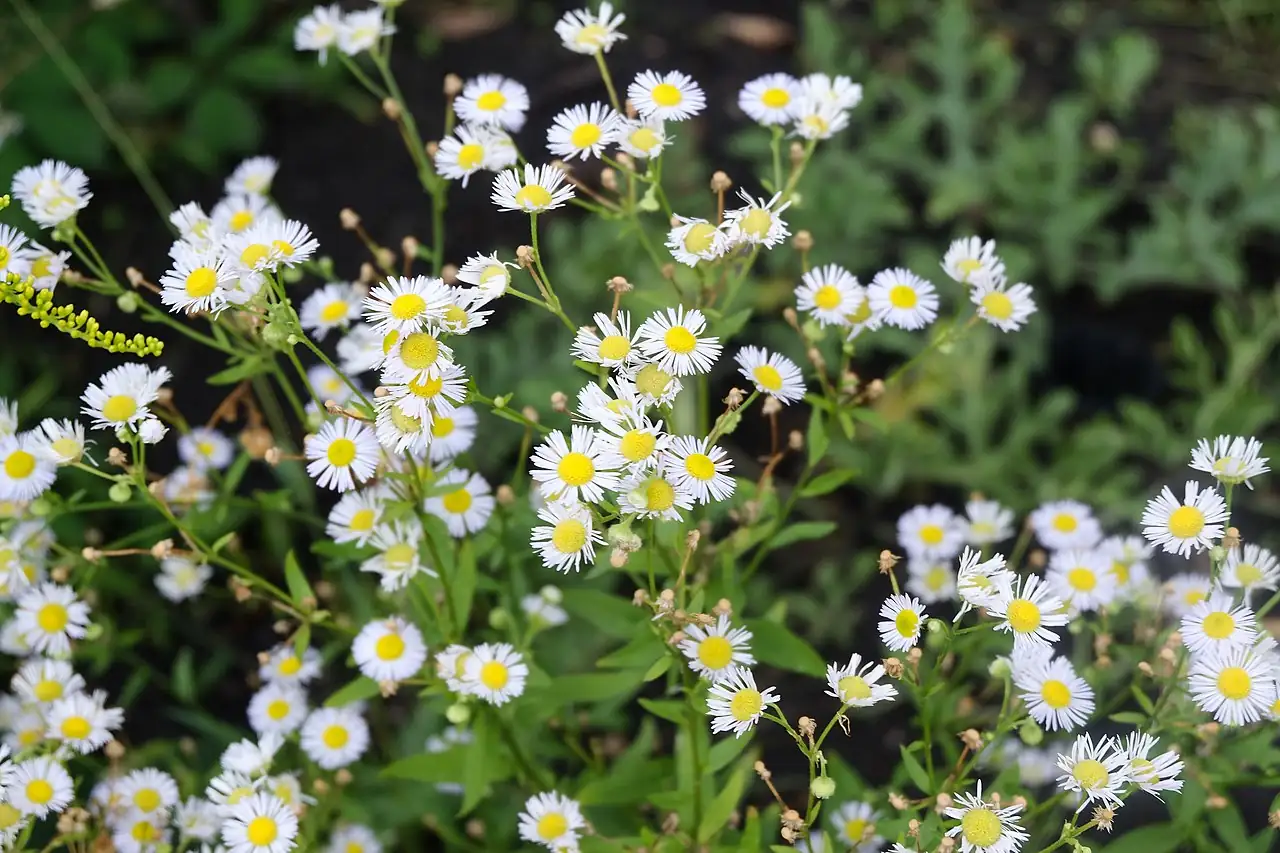
- Flower: Produces classic daisy-like composite flowerheads with yellow centers and small ray florets. After blooming, it sets seed readily; the flowers are sometimes noted as having a slightly bitter taste.
- Flowering Season: June–September (Jun–Sep)
- Growth Habit: An upright, herbaceous annual-to-biennial with lightly hairy stems; commonly self-sows and can naturalize, returning in successive years via seedlings.
Environment
Sunlight
Full sun to light shade; flowering is best in full sun.
Temperature
Performs well in cool-temperate through warm-summer climates; roughly 10–30°C (50–86°F).
Humidity
Does fine in average outdoor humidity and tolerates short dry spells once established.
Soil
Prefers reasonably fertile, well-drained soil but is notably adaptable, including to dry, nutrient-poor ground; avoid consistently soggy conditions.
Placement
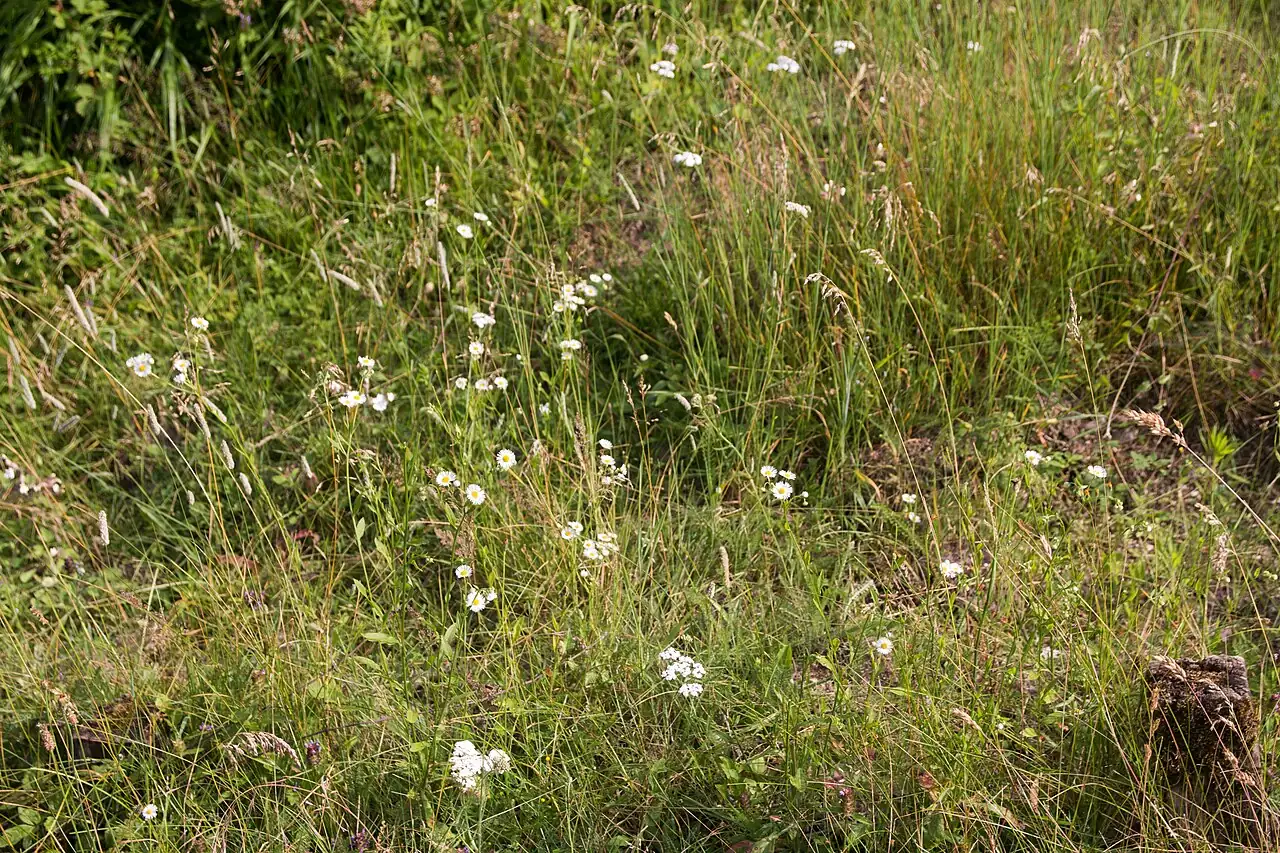
Great for naturalized areas, wildflower meadows, informal groundcover, and cottage-garden edges—especially where self-seeding is welcome.
Hardiness
Cold-hardy across many temperate regions; commonly cited as suitable for USDA Zones 3–8 (approx.).
Care Guide
Difficulty
Easy. A tough, adaptable wildflower that needs little attention once it’s settled in.
Buying Guide
Look for plants with sturdy, upright stems and fresh green foliage. Skip pots with severely dried-out mix. If you want a tidier start, avoid plants already dropping lots of mature seed.
Watering
Water regularly at planting time to help it establish, keeping soil lightly moist for the first few weeks. After that, water mainly during prolonged drought. Avoid overwatering and waterlogged soils, which can reduce vigor.
Fertilization
Usually not needed. If plants look weak, give a light, balanced feed in spring. Avoid high-nitrogen fertilizer, which can encourage floppy, soft growth.
Pruning
Deadhead to extend bloom and reduce self-seeding; leave some seedheads if you want it to naturalize. Cut back spent stems after flowering or at season’s end for a cleaner look.
Propagation
Primarily grown from seed. Let it self-sow, or collect seed and sow on the soil surface in spring or fall—light helps germination.
Repotting
Generally unnecessary in the ground. In containers, refresh potting mix and move up to a slightly larger pot if rootbound; ensure excellent drainage.
📅 Seasonal Care Calendar
Spring: thin crowded seedlings and pull unwanted volunteers. Summer: deadhead for tidiness or allow seed set for naturalizing; water only in drought. Fall: collect seed or tidy stems; in some climates, allow plants to overwinter if acting as biennials.
Pests, Diseases & Safety
Common Pests & Diseases
Usually trouble-free. Watch for aphids, leaf spots, and powdery mildew when plants are crowded or airflow is poor. Improve spacing and ventilation, and avoid frequent overhead watering if disease shows up.
Toxicity
No widely established toxicity is reported for Erigeron annuus for people or pets. Still, those sensitive to Asteraceae pollen or sap may experience mild irritation; it’s sensible to discourage pets from chewing on the plant.
Culture & Symbolism
Symbolism: Often linked with simple, resilient wild beauty—like a little patch of meadow that thrives without fuss.
History & Legends: Originally from North America, annual fleabane has spread widely and is now a familiar naturalized wildflower in many regions.
Uses: Primarily ornamental, valued for naturalistic planting schemes, meadow gardens, and relaxed cottage-garden style. Its long flowering window and self-seeding habit help it fill space and create a soft, informal look.
FAQ
Is annual fleabane truly an annual?
Not always. Depending on climate and conditions, it may behave as an annual or a biennial. Even when individual plants are short-lived, it often persists by self-seeding.
How do I stop it from spreading?
Deadhead before seeds mature, pull seedlings in spring, and don’t let large patches set seed if you want to keep it contained.
Fun Facts
- It’s native to North America but has become widely naturalized elsewhere.
- It commonly reaches 30–100 cm (12–39 in) tall.
- It can thrive even in dry, nutrient-poor soils once established.
- It’s a go-to for meadow-style gardens because it self-seeds and can form colonies over time.