Plant Features
- Size: Height up to 1.5 m (5 ft).
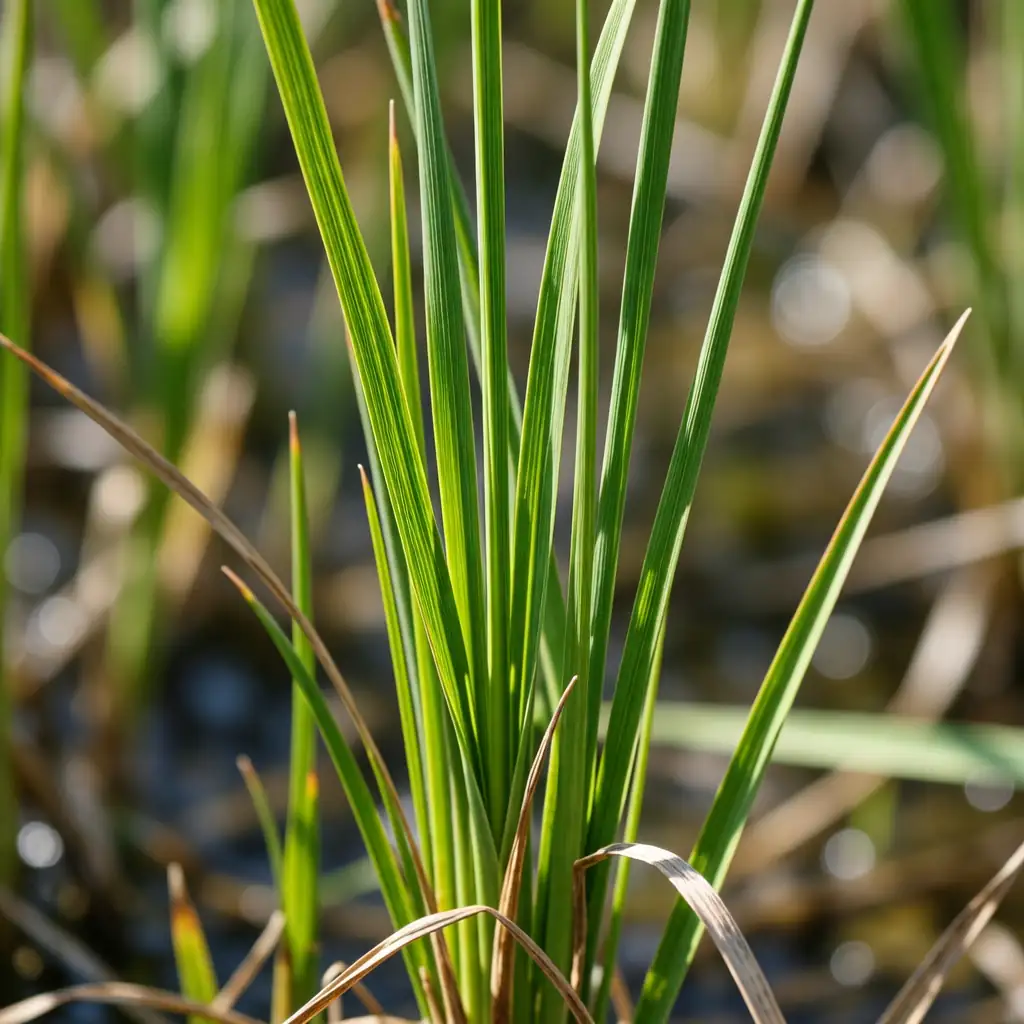
- Foliage: Leaves are flat and broad-linear; margins are finely serrated and distinctly rough to the touch, which can cause small scratch-like irritation during handling.
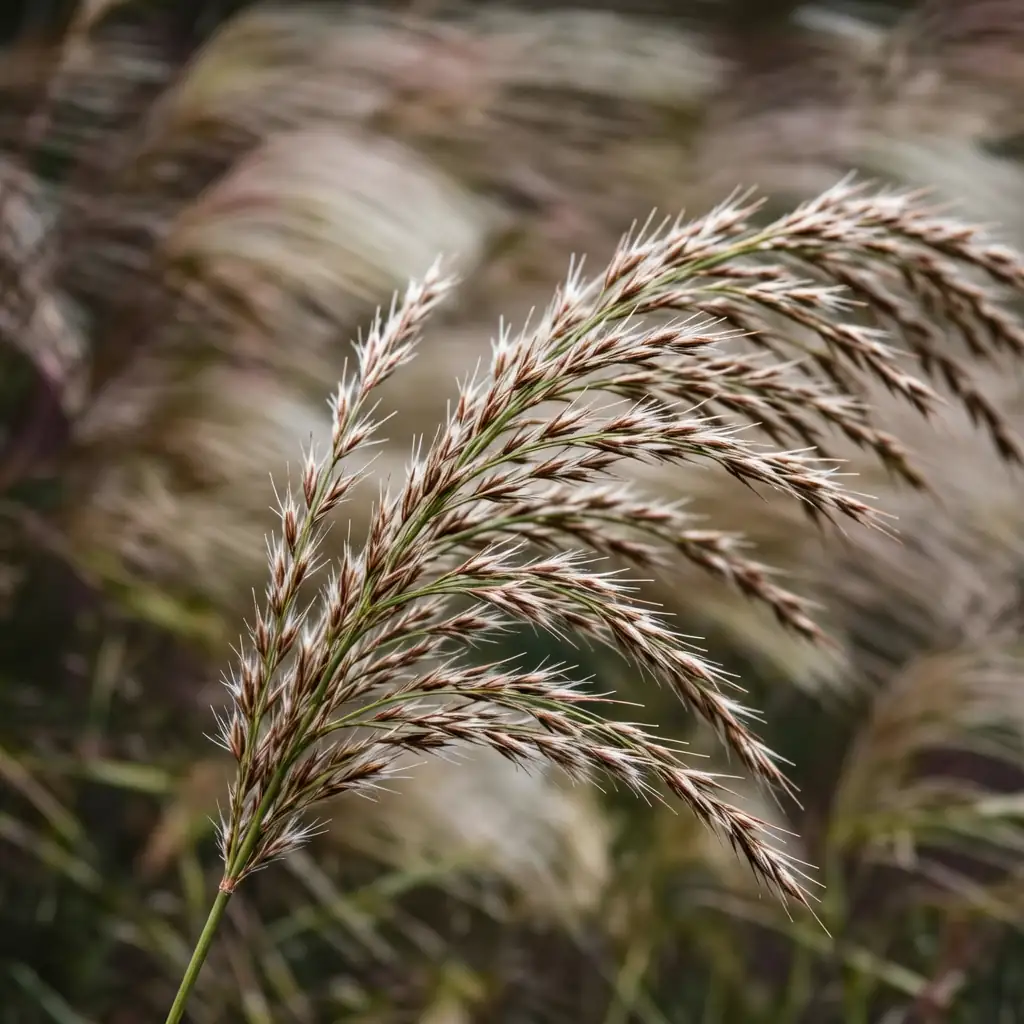
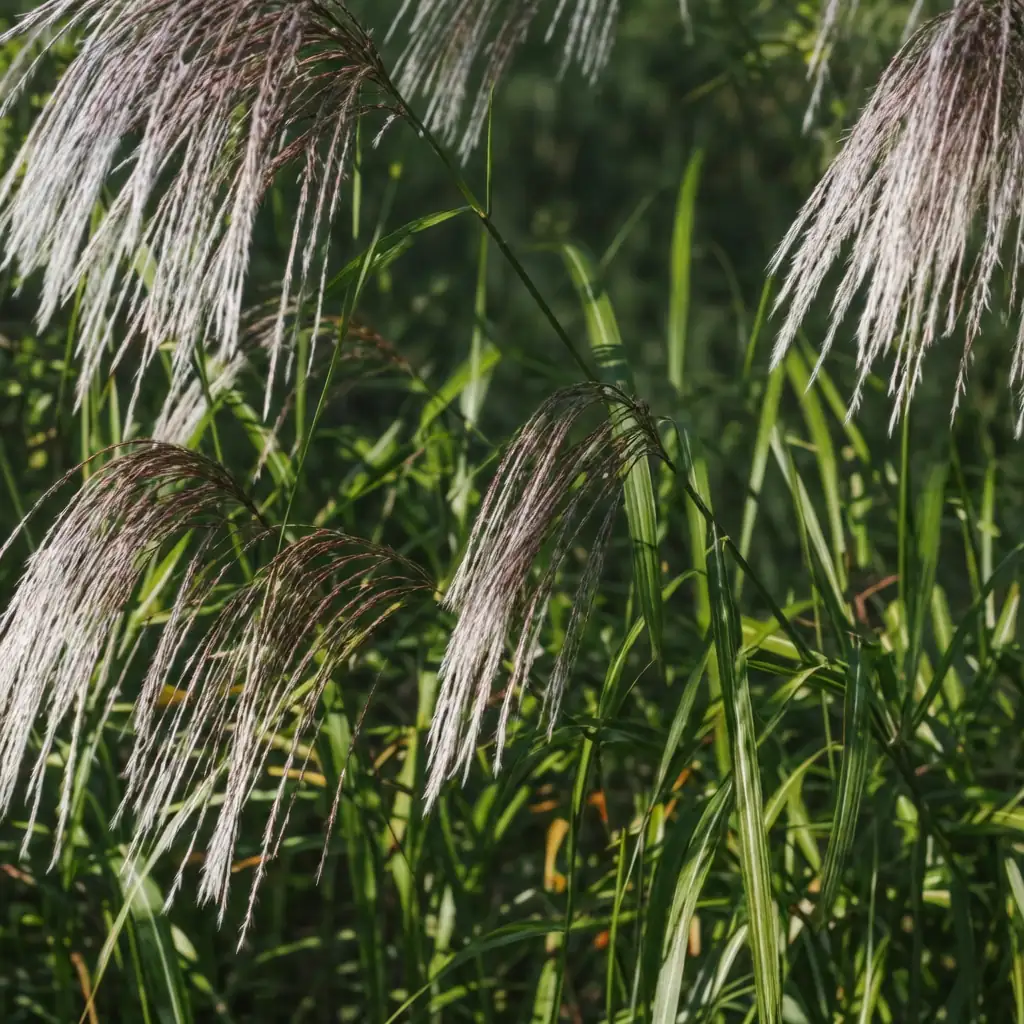
- Flower: Inflorescences are open, spreading, branched panicles (sometimes appearing a bit corymb-like). Spikelets are narrow and lance-shaped; at the base (callus) they carry silky, threadlike hairs that may reach about twice the spikelet length—an excellent identification clue. Fruits are oblong grains (caryopses).
- Flowering Season: August–October
- Growth Habit: Upright, clump-forming perennial herbaceous grass. Naturally favors moist habitats (riverbanks, wetland edges) yet can tolerate nutrient-poor soils and a range of site conditions when moisture is available.
Environment
Sunlight
Full sun to light shade; flowers best and stays sturdier in full sun.
Temperature
Cool-temperate tolerant; best growth around 15–30°C (59–86°F).
Humidity
Prefers consistently moist conditions; comfortable in humid sites and along wetland edges.
Soil
Adaptable, including lean/infertile soils. Best in moisture-retentive yet well-drained soil; tolerates periodically wet ground.
Placement
Ideal for naturalistic plantings, slopes, riverbanks, wet meadow edges, and restoration sites. In gardens, give it an open, sunny spot with enough room for a mature clump; it’s also used for sand fixation and slope/erosion control.
Hardiness
Cold-hardy; suitable for USDA Zone 4–9 (approx. -34 to -1°C / -30 to 30°F), depending on local conditions.
Care Guide
Difficulty
Easy outdoors once established; low-maintenance when planted in a suitable, moisture-available site.
Buying Guide
Choose vigorous clumps with multiple healthy shoots and no signs of blackened basal rot. Avoid severely pot-bound plants with a dry, dead center unless you plan to divide right away.
Watering
Water regularly during the first growing season to establish roots. After establishment, aim for evenly moist soil; during dry spells, deep-water rather than doing frequent light sprinklings. In containers, don’t allow the pot to dry out completely.
Fertilization
Often unnecessary in the ground. If growth is weak, apply a light, balanced slow-release fertilizer in spring. Avoid heavy/high-nitrogen feeding, which can push soft growth that flops.
Pruning
Cut back dead stems and foliage in late winter to early spring before new shoots emerge. For winter interest and wildlife cover, you can leave stems standing through winter and tidy up before spring growth starts.
Propagation
Best by division in spring (or early autumn in mild climates). Seed is possible, but division is quicker and keeps plants more uniform.
Repotting
If grown in containers, repot or divide every 2–3 years in spring. Use a heavy pot to prevent tipping and a moisture-retentive mix to reduce drought stress.
📅 Seasonal Care Calendar
Spring: cut back old growth; divide and replant if needed. Summer: keep evenly moist, especially in heat. Autumn: enjoy the plumes; gradually reduce watering as temperatures fall. Winter: leave stems for structure, then cut back before spring regrowth.
Pests, Diseases & Safety
Common Pests & Diseases
Generally trouble-free. Occasionally aphids may appear on tender new growth, and leaf spot can occur in crowded, poorly ventilated plantings. Provide spacing for airflow and remove old debris to prevent issues.
Toxicity
No well-documented toxicity to people or pets. However, the rough, serrated leaf edges can cause minor skin irritation or paper-cut-like scratches—wear gloves if you’re handling large clumps.
Culture & Symbolism
Uses: Widely valued in ecological restoration for sand stabilization and slope/erosion control, and also grown as a tall ornamental grass for naturalistic borders and meadow-style plantings.
FAQ
Does Amur silvergrass spread aggressively?
It is mainly clump-forming. In good conditions it can enlarge over time and may self-seed a little, but it’s typically easy to manage by thinning or dividing the clump.
Can it grow in wet soil?
Yes. It naturally grows along moist riverbanks and wetland edges and tolerates periodically wet ground, though it can also handle upland sites if it isn’t allowed to dry out too much.
Fun Facts
- A hallmark ID feature is the silky, threadlike hairs at the spikelet base that can be about twice the spikelet length.
- It typically flowers and fruits from August to October.
- Mature plants commonly reach up to about 1.5 m (5 ft), creating a dramatic, airy vertical accent.
- It’s native across multiple provinces in northeastern and north-central China and naturally occupies both uplands and wetland edges.