Plant Features
- Size: Typically 15–25 m (49–82 ft) tall; can reach about 30 m (98 ft) in ideal conditions, with a crown spread often 8–15 m (26–49 ft).
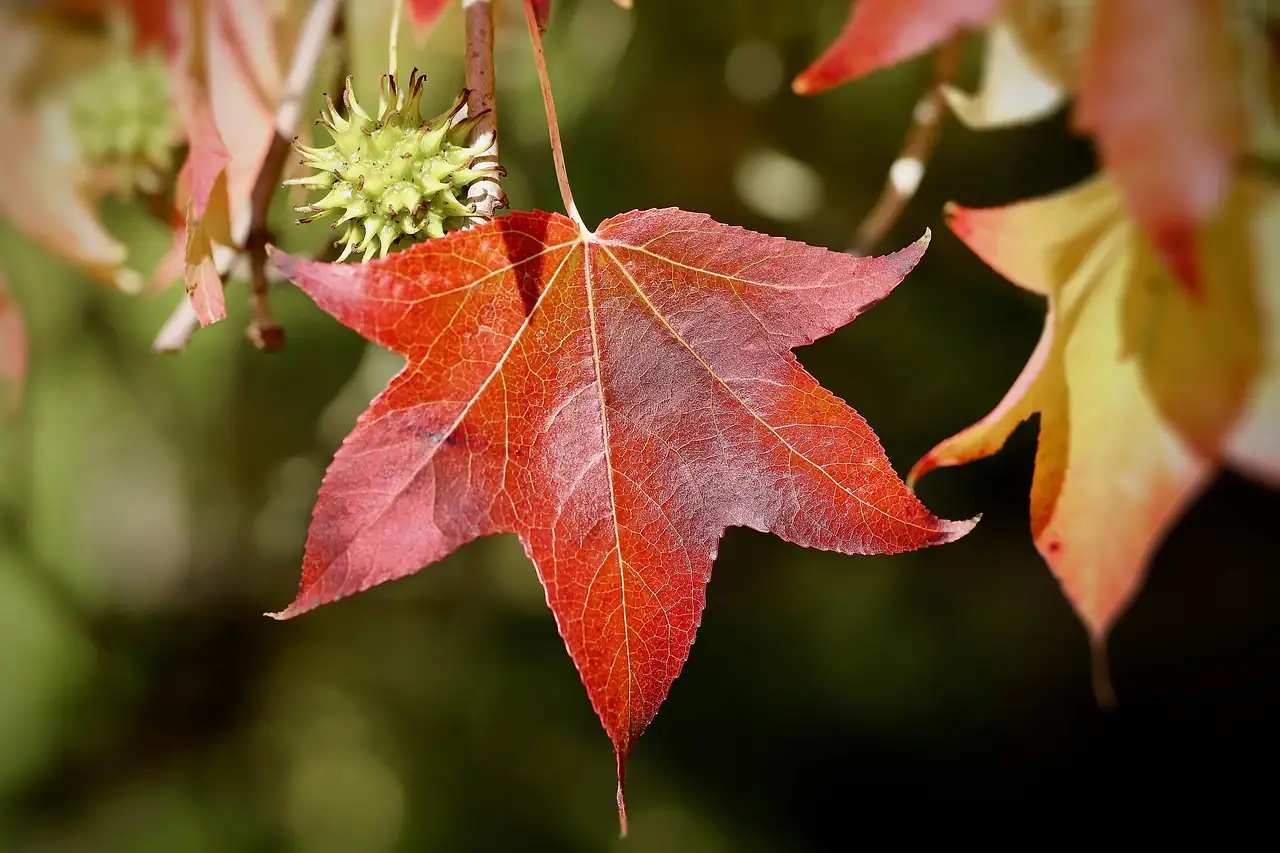
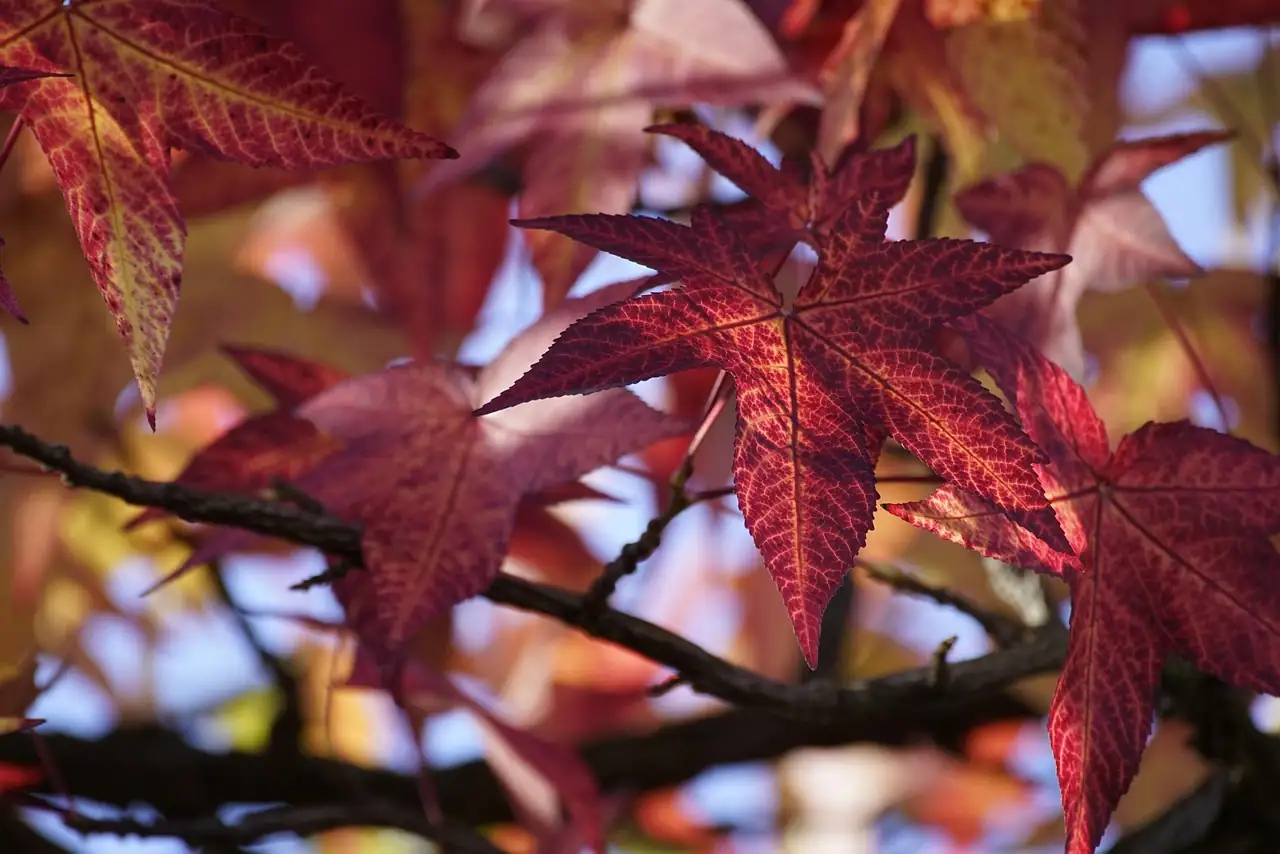
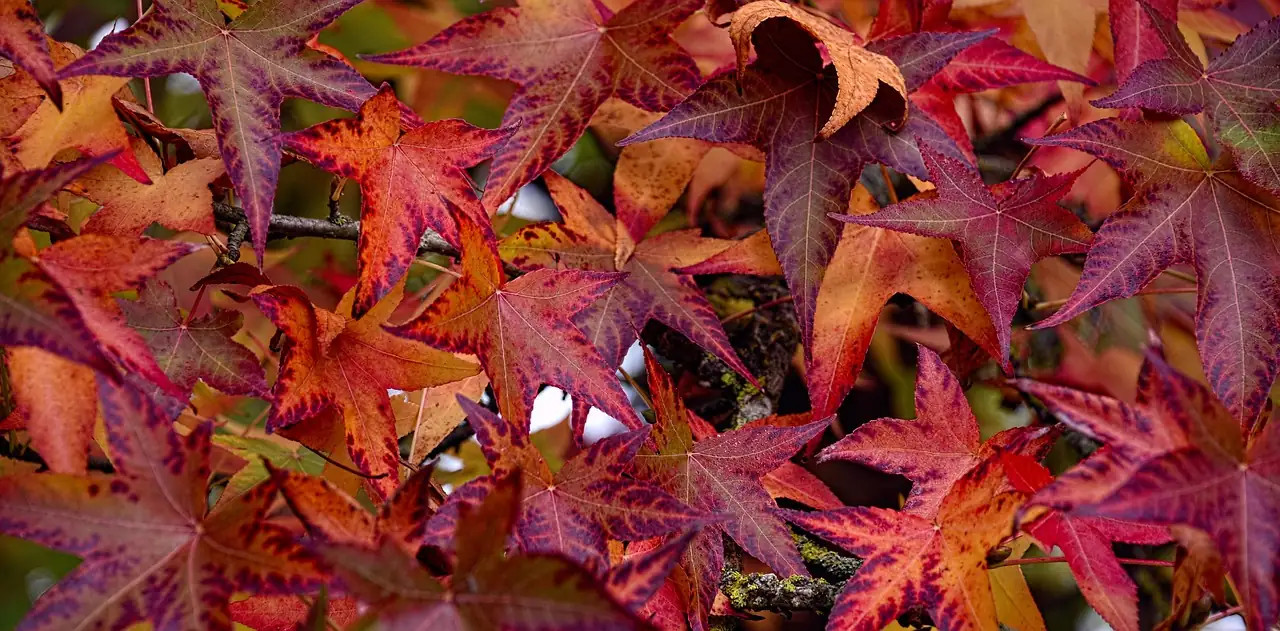
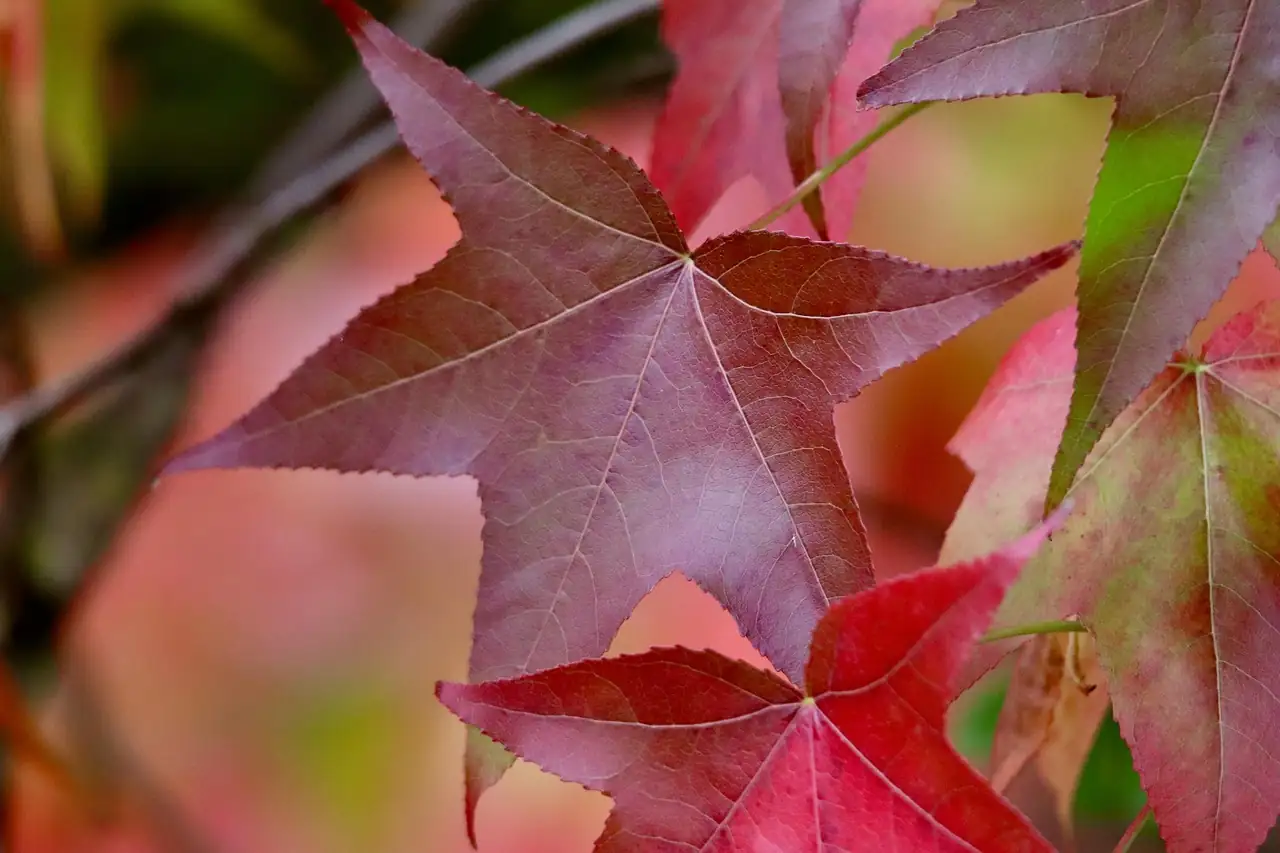
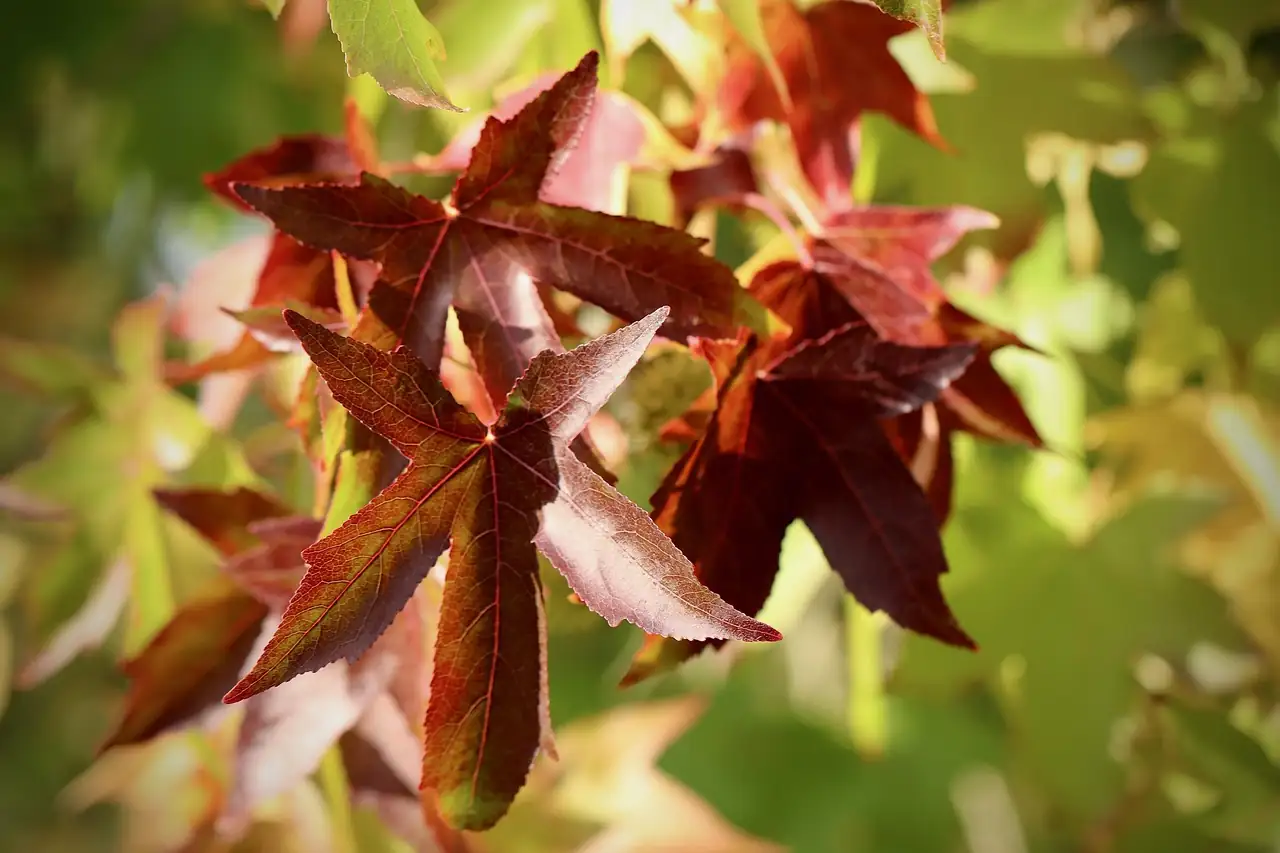
- Foliage: Leaves are palmately lobed with 5–7 pointed lobes, forming a clean star-like outline. The underside may show pale hairs along the main veins. Young twigs are often reddish-brown and commonly develop corky ridges or wing-like projections.
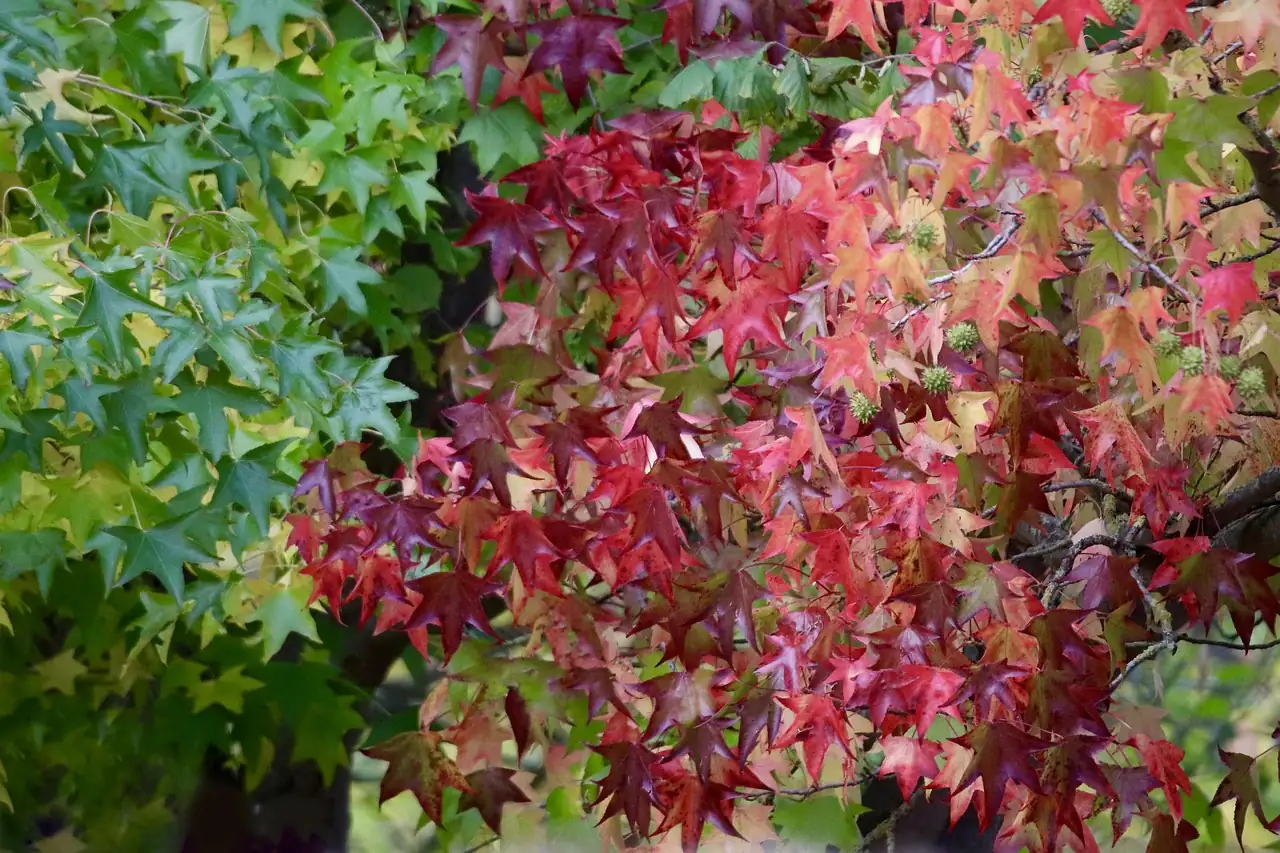
- Flower: In spring, it produces small, greenish male and female flower clusters that are not particularly showy. Later it develops the familiar hard, spiky, ball-shaped fruit clusters, which mature in autumn and can persist into winter.
- Flowering Season: April–May (spring); fruits mature October–November (autumn).
- Growth Habit: Upright deciduous tree, typically pyramidal when young and becoming broadly oval with age; usually forms a strong central leader and a symmetrical, shade-tree silhouette over time.
Environment
Sunlight
Full sun for best growth and the strongest fall color; tolerates light shade.
Temperature
Prefers warm-temperate conditions; often grows best around 18–30°C (64–86°F). Once established it can be quite cold-hardy, with suitable provenances tolerating winter lows around -25°C (-13°F).
Humidity
Likes moderate to high humidity and evenly moist conditions; can tolerate short periods of wet soil once established.
Soil
Best in moist, well-drained, slightly acidic soil. Can handle clay if drainage is decent. Avoid strongly alkaline soils, which commonly trigger iron chlorosis (yellow leaves with green veins).
Placement
Outdoors in full sun with plenty of space—excellent as a street tree, park tree, or large-garden specimen. Also useful in shelterbelts and at wetland edges where soils stay reliably moist.
Hardiness
USDA Zone 5–9 (approx.).
Care Guide
Difficulty
Moderate. Very rewarding and fairly straightforward when given sun, room, and slightly acidic, moisture-retentive soil. Can struggle on compacted, droughty, or alkaline urban sites, and the spiky fruits may be a nuisance near paths and patios.
Buying Guide
Pick a vigorous young tree with a straight central leader, evenly spaced scaffold branches, and no bark wounds. Avoid severely root-bound (pot-bound) stock. If fruit litter is a concern, look for low-fruiting cultivars where available.
Watering
During establishment, water deeply and regularly: aim for evenly moist soil for the first 1–2 growing seasons. In heat or drought, irrigate when the top 5–8 cm (2–3 in) dries out. Mulch 5–8 cm (2–3 in) deep to conserve moisture, but keep mulch pulled back from direct contact with the trunk.
Fertilization
Often needs little feeding. If growth is weak, use a balanced slow-release fertilizer in early spring. On alkaline soils, favor acid-forming fertilizers; if leaves yellow with green veins, consider chelated iron and address compaction/drainage issues.
Pruning
Prune in late winter to early spring while dormant to build strong structure—encourage one main leader, and remove crossing, weak, or damaged branches. Avoid heavy summer pruning.
Propagation
Mostly grown from seed (typically improved by cold stratification). Named cultivars are usually grafted or budded to stay true to type.
Repotting
Not applicable as a long-term container plant. If purchased in a pot, plant into the ground promptly; it quickly outgrows containers and needs room for a healthy root system.
📅 Seasonal Care Calendar
Spring: plant, water steadily, and feed lightly only if needed. Summer: deep-water during dry spells; watch for chlorosis on alkaline sites. Autumn: enjoy the color; rake/collect fallen fruits if they’re a slip hazard. Winter: do structural pruning during dormancy.
Pests, Diseases & Safety
Common Pests & Diseases
Usually robust. Possible problems include leaf spots, cankers, and root issues when soils are compacted or poorly drained. Pests can include scale insects, aphids, and caterpillars in some areas. Best approach is integrated pest management: keep the tree vigorous, monitor regularly, prune out damaged tissue, encourage beneficial insects, and use targeted treatments only when necessary.
Toxicity
Not widely regarded as highly toxic to people or pets. The hard, spiky fruits can be a choking hazard if swallowed and may cause mild mouth irritation—best kept away from small children and pets that chew or mouth objects.
Culture & Symbolism
Symbolism: Often linked with seasonal change and resilience—few trees capture the drama of autumn quite like sweetgum.
History & Legends: Resin called storax is famously associated with the broader Liquidambar group and has a long history in incense and perfumery traditions. Today, American sweetgum is most celebrated as a classic North American shade and street tree prized for its fiery fall foliage.
Uses: A popular landscape and street tree for parks, campuses, and large residential plantings. Works well as a specimen or in groups, can serve in shelterbelts, and is also suitable for moist sites such as wetland edges where space allows.
FAQ
Why are the leaves turning yellow with green veins?
That pattern is typical of iron chlorosis, most often caused by alkaline soil. Avoid liming, improve soil acidity where possible, reduce compaction, and use chelated iron if needed.
Do sweetgum trees make a mess?
Many drop spiky, ball-like fruits in autumn and winter, which can be annoying or slippery on hard surfaces. Plant away from walkways, or choose a low-fruiting cultivar if available.
Fun Facts
- Its star-shaped leaves are one of the easiest ID features in the landscape.
- Young twigs can develop corky “wings,” giving branches a ridged, sculptural look.
- Fall color can vary widely—yellow, orange, bright red, and deep purple are all possible depending on site and climate.
- The spiky fruit clusters can hang on into winter, adding texture even after leaf drop.
- In excellent conditions it can become a very large shade tree, reaching about 30 m (98 ft).