Plant Features
- Size: Typically 15–30 cm (6–12 in) tall and about 15–30 cm (6–12 in) wide, forming compact clumps
- Foliage: Leaves are dark green and mainly arranged in a basal rosette. Lower leaves are spatulate to linear-oblong, about 1–10 cm (0.4–4 in) long; mid-stem leaves become more lance-shaped; upper leaves are smaller and more upright.
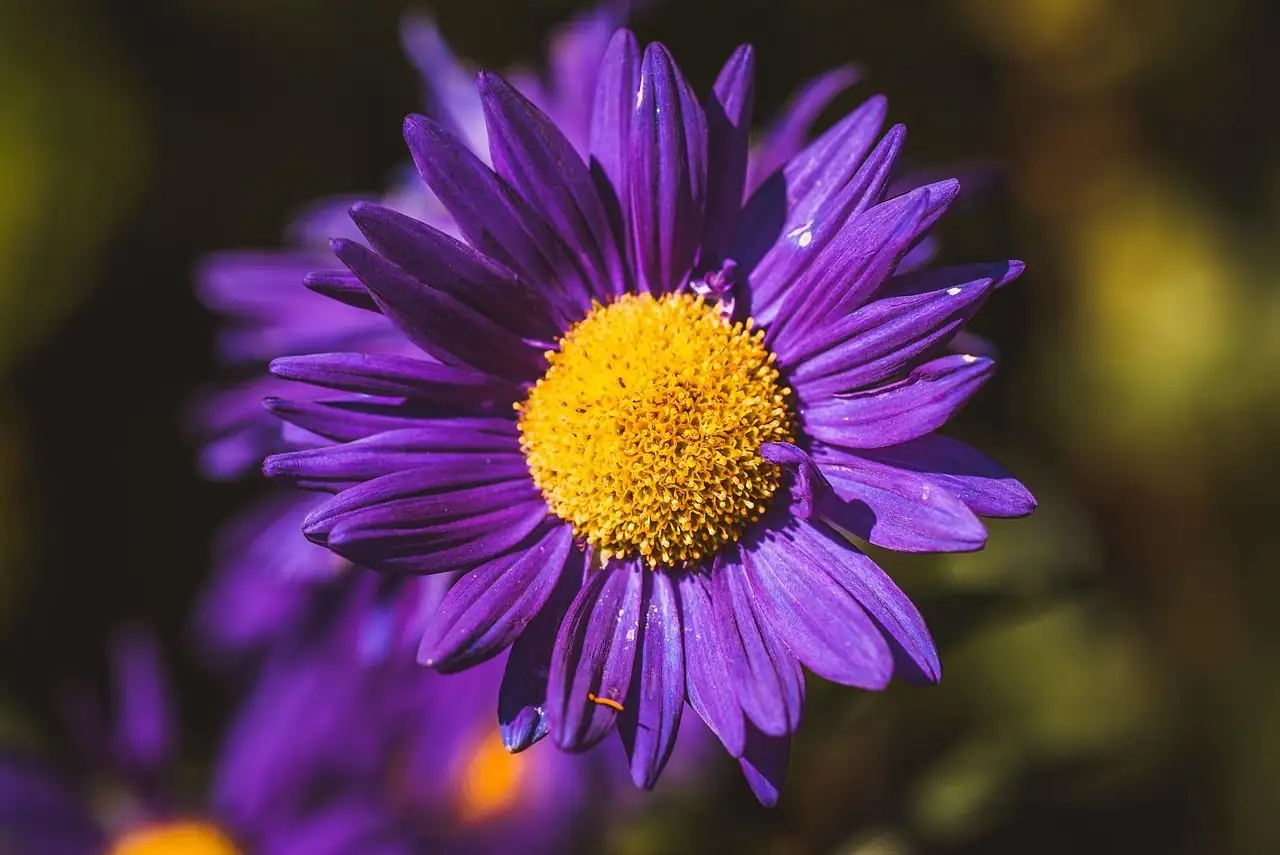
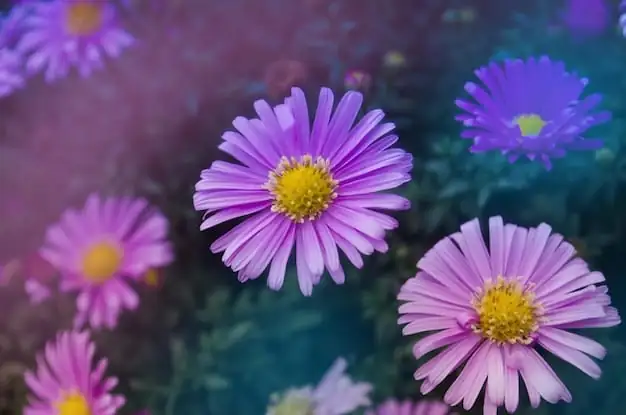
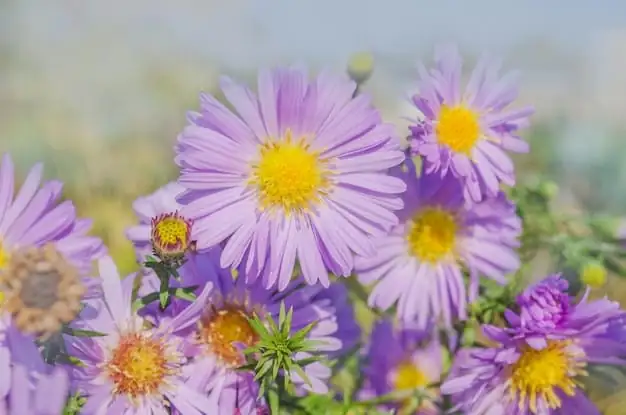
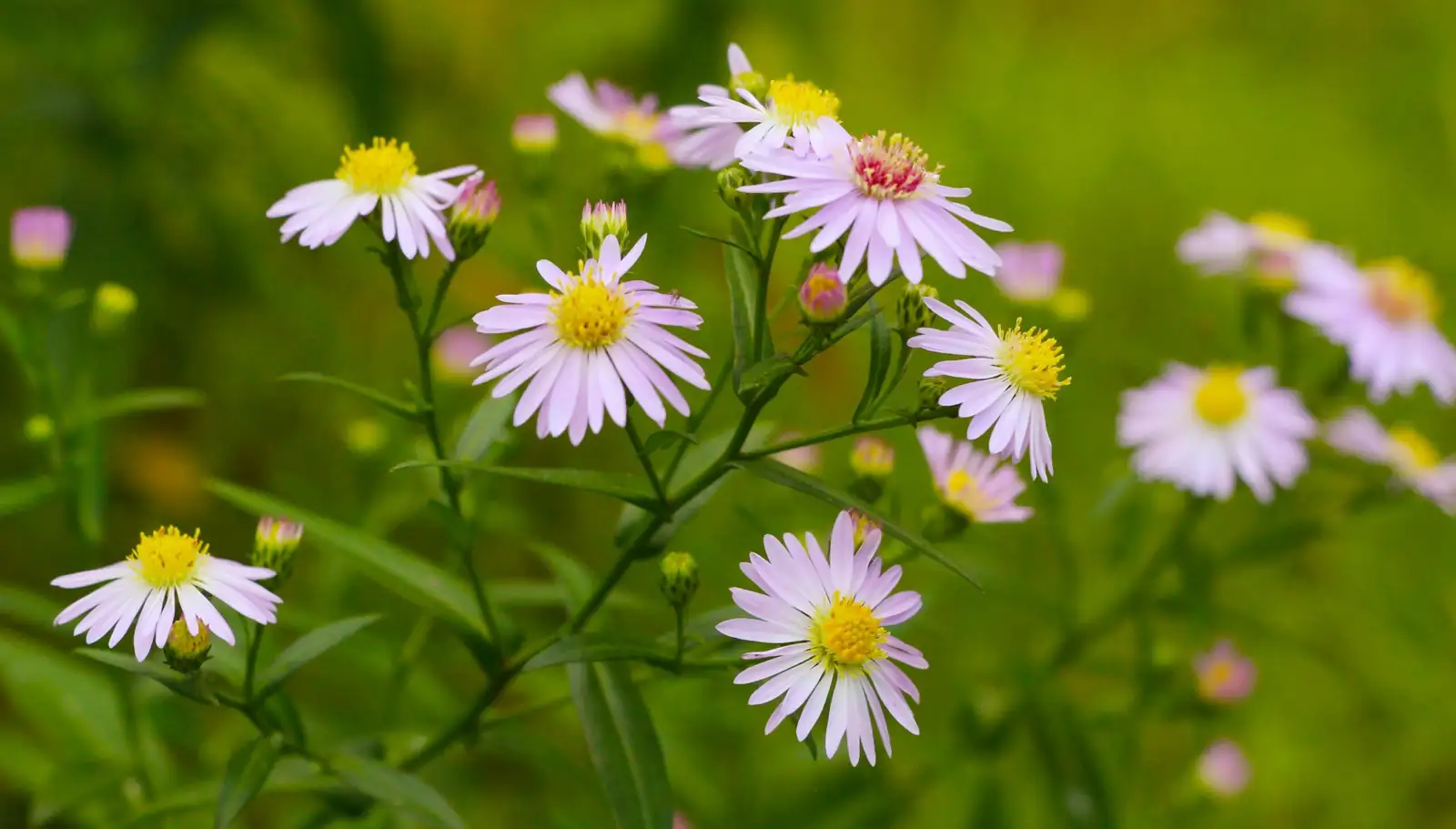
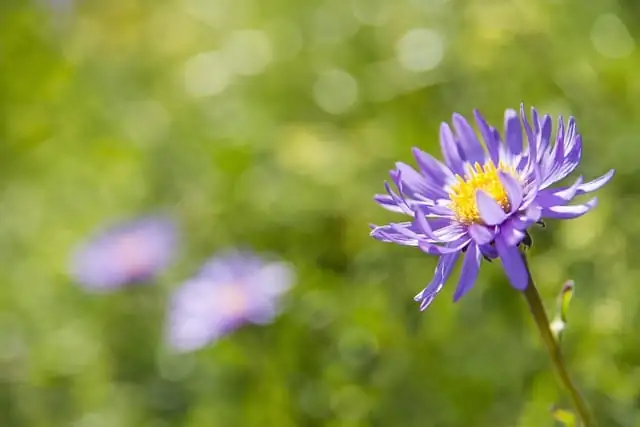
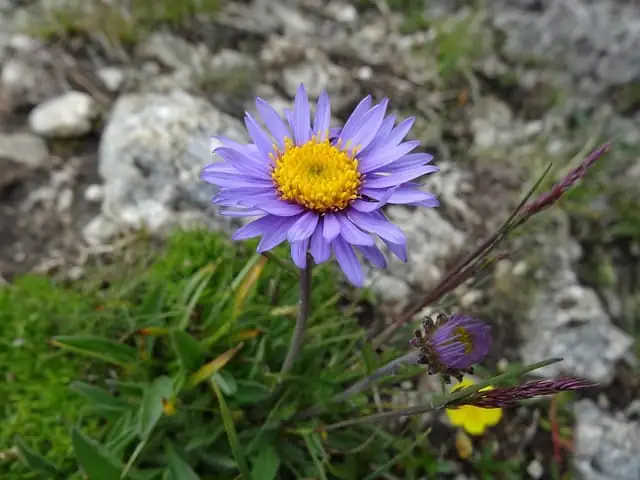
- Flower: Solitary, daisy-like flower heads at the tips of stems, about 5 cm (2 in) across. Rays are usually blue-violet to purple (occasionally pink), with golden-yellow centers; commonly around 35–40 ray florets per flower head.
- Flowering Season: Late spring to mid-summer (May–July), sometimes into August
- Growth Habit: Clump-forming perennial with upright, mostly unbranched stems arising from thick rhizomes
Environment
Sunlight
Full sun is best; tolerates light shade
Temperature
Enjoys cool conditions—especially cool nights and moist (but not soggy) summers. Very cold-hardy and well suited to alpine-style climates.
Humidity
Prefers moderate humidity and good air movement; prolonged high humidity can encourage fungal issues
Soil
Well-draining, average-to-poor soil is ideal (rocky or gravelly mixes suit it well). Prefers roughly pH 6.0–7.5. Overly rich soil can lead to softer growth and fewer flowers.
Placement
Rock gardens, alpine beds, sunny front-of-border plantings, containers with sharp drainage, xeriscapes, and wildflower-style gardens
Hardiness
USDA Zones 3–8 (sometimes reported hardy to Zone 2 in sheltered, well-drained sites); not fond of winter wet
Care Guide
Difficulty
Easy and low-maintenance—especially if you give it sun and fast drainage
Buying Guide
Choose plants with clean, healthy foliage (no spots or mildew), sturdy crowns, and roots that are established but not tightly circling the pot. Spring planting is ideal for quick establishment.
Watering
Water regularly at planting time, then let the soil dry slightly between waterings. Once established it’s fairly drought tolerant, but it performs best with occasional deep watering during prolonged dry spells. Avoid consistently wet soil. Containers dry out faster, so check them more often.
Fertilization
Usually unnecessary—this plant actually prefers lean conditions. If you want to boost performance gently, top-dress with a thin layer of compost in spring or use a light, slow-release organic feed sparingly (too much nitrogen can reduce flowering).
Pruning
Deadhead to encourage more blooms and to reduce self-sowing. After flowering (or after frost), cut stems back. In early spring before new growth starts, trim remaining growth down to about 2.5–5 cm (1–2 in) above the soil.
Propagation
Divide clumps every 2–3 years in early spring to maintain vigor. Also propagated by seed (often germinates in ~2–4 weeks) or by spring stem cuttings (rooting hormone can help). Seeds from cultivars may not come true to type.
Repotting
In-ground plants don’t need repotting. For containers, refresh the mix and/or divide every few years; always use a pot with excellent drainage.
📅 Seasonal Care Calendar
Spring: plant after last frost; divide older clumps; optional light compost top-dress. Late spring–summer: enjoy flowering; deadhead for a possible second flush; water during extended drought. Autumn: cut back after flowering or after frost. Winter: focus on drainage—avoid winter-wet conditions, especially in containers.
Pests, Diseases & Safety
Common Pests & Diseases
Possible issues include powdery mildew, rust, leaf spot, Botrytis blight, aster yellows, Fusarium/Verticillium wilts, and occasional aphids, slugs/snails, or foliar nematodes. Prevention is mostly cultural: give it sun, sharp drainage, and enough spacing for airflow; remove badly affected leaves and avoid overhead watering late in the day.
Toxicity
Generally considered non-toxic to humans and pets.
Culture & Symbolism
Symbolism: Often associated with love, patience, and longevity. Asters also carry the idea of remembrance and longing, and the name comes from the ancient Greek for “star,” a nod to the flower’s starry shape.
History & Legends: Asters have a long cultural footprint: in ancient Greek tradition they were used in rituals believed to ward off evil, and the broader “Michaelmas daisy” nickname ties asters to the season around St. Michael’s Day (September 29)—though alpine aster is a notable early bloomer compared with many fall-blooming asters.
Uses: Primarily ornamental—excellent for rock gardens, borders, containers, and water-wise plantings. It also supports pollinators like bees and butterflies, and its seed can feed birds. Flowers can be used as cut blooms (often lasting about 5–10 days). Some folk and traditional medicine systems have used aster relatives for respiratory and inflammatory complaints; any medicinal use should be approached cautiously and with proper guidance.
FAQ
When is the best time to plant Alpine Aster?
Plant in mid-to-late spring after the last frost. You can also plant established nursery pots in early fall, but spring planting usually gives the strongest start before summer.
Does Alpine Aster need fertilizer?
Usually no. It prefers lean, well-drained soil—overfeeding can make it lush but less floriferous.
How do I get more blooms?
Give it full sun and sharp drainage, deadhead spent flowers, and divide the clump every 2–3 years to keep it vigorous.
Can Alpine Aster grow in containers?
Yes—use a gritty, well-draining mix and a pot with drainage holes. Aim for at least 6 hours of sun, and water when the top of the mix dries, since pots dry faster than garden beds.
Fun Facts
- It’s adapted to real mountain life and has been reported growing above 4,600 m (15,000 ft) in elevation.
- Unlike many asters that peak in fall, alpine aster is an early-season star from late spring into summer.
- It can self-sow a little, but it’s generally slow-growing and not considered invasive in most gardens.
- It has received the Royal Horticultural Society’s Award of Garden Merit for dependable performance.