Plant Features
- Size: Typically 15–30 cm (6–12 in) tall; clumps can spread about 15–30 cm (6–12 in) wide over time.
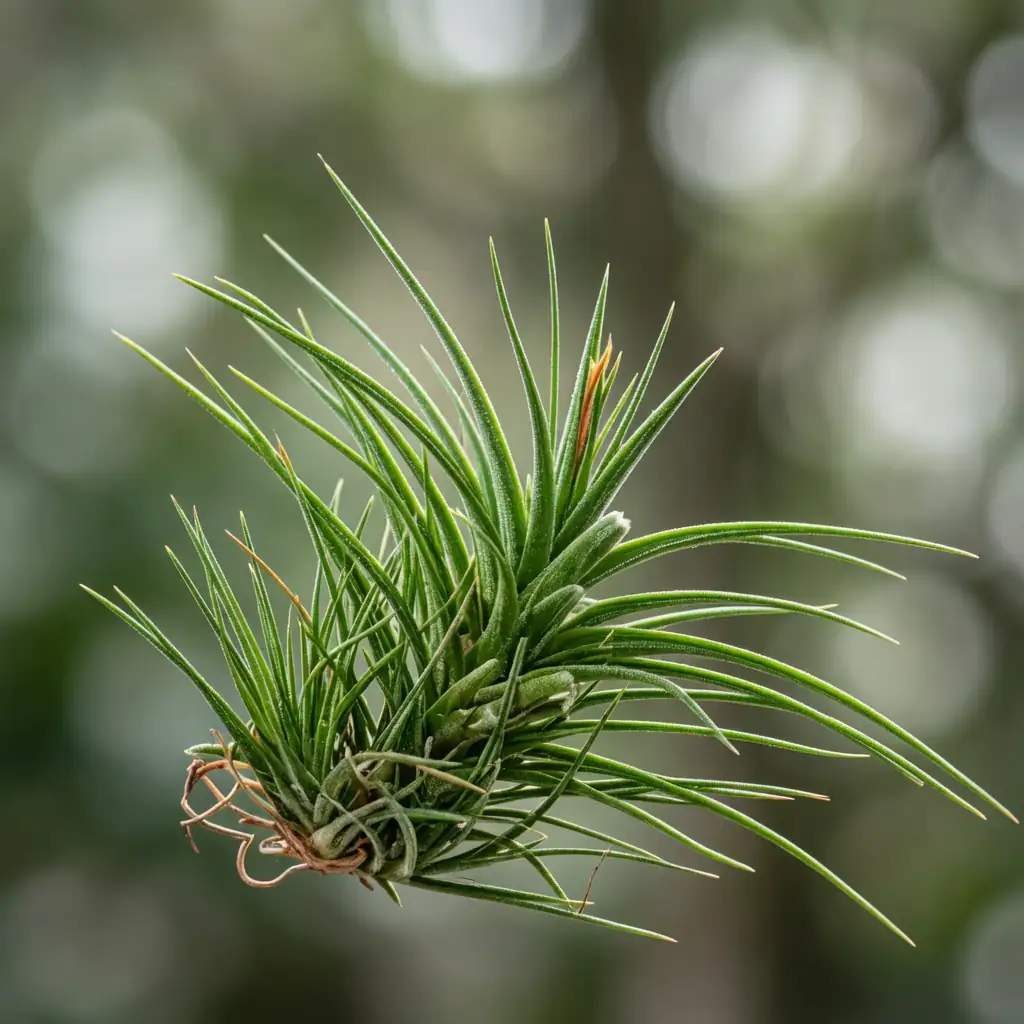
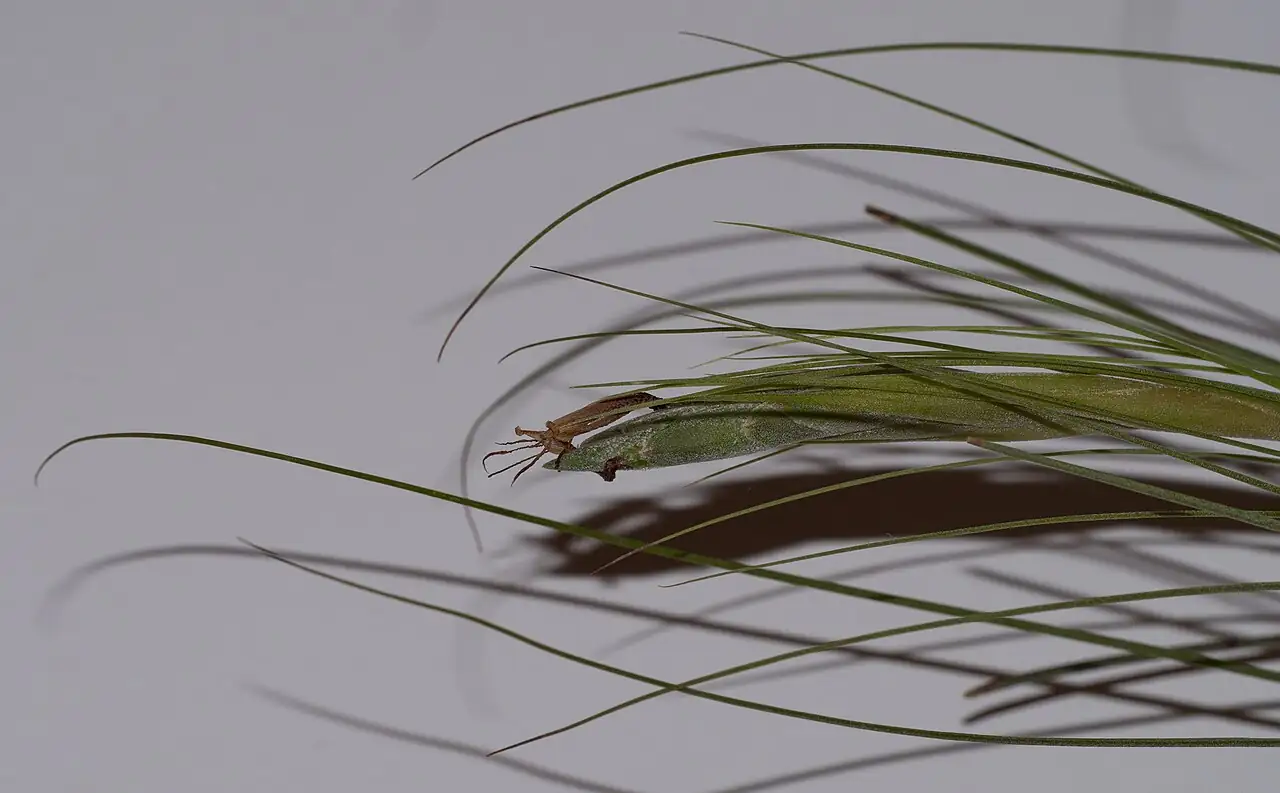
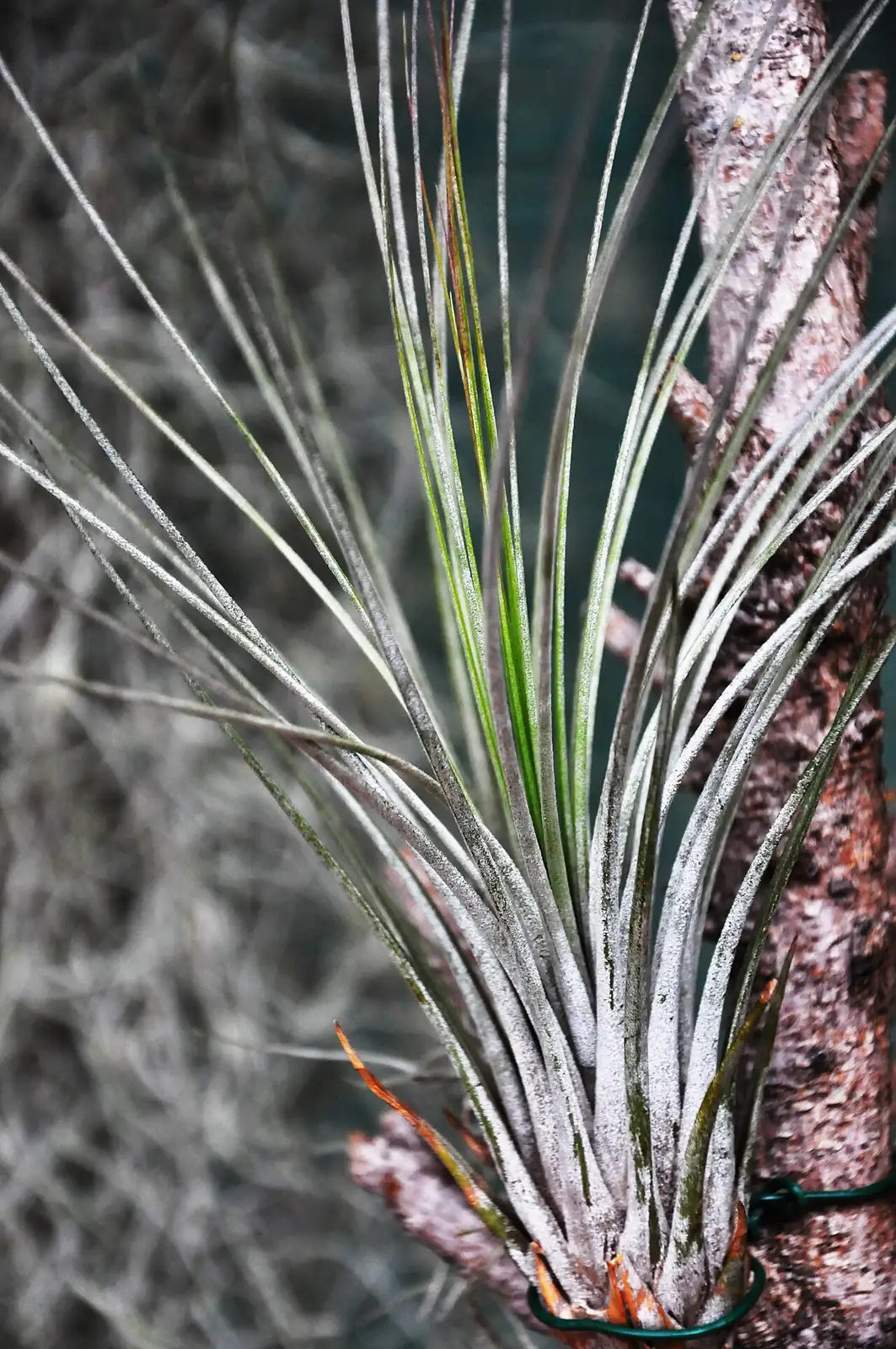
- Foliage: Fast-growing tuft of long, thin, needle-like to strap-like green leaves. The overall look is tidy and fountain-shaped, especially as multiple offsets build into a fuller clump.
- Flower: Bright pink, spike-like inflorescence that can remain colorful for weeks; small purple tubular flowers emerge near the tip as it opens.
- Flowering Season: Late spring to summer (varies with growing conditions).
- Growth Habit: Clumping epiphyte; produces offsets (“pups”) around the base that gradually form a colony.
Environment
Sunlight
Bright, indirect light to gentle morning sun; avoid harsh midday sun unless humidity is higher and airflow is excellent.
Temperature
18–30°C (64–86°F); protect from cold—avoid sustained temperatures below about 10°C (50°F).
Humidity
Moderate to high humidity, ideally 40–70%, paired with strong airflow so the plant dries quickly after watering.
Soil
No soil needed. Mount on cork/wood, place in a mesh basket, or set on a dry, airy surface. The key is avoiding a constantly wet base.
Placement
Near a bright window with good air movement; bathrooms can work if light is strong. Outdoors in warm seasons in bright shade with airflow.
Hardiness
USDA Zone 10–11; not frost-tolerant (best kept above 10°C/50°F).
Care Guide
Difficulty
Easy; a great beginner Tillandsia as long as you prioritize fast drying and airflow after watering.
Buying Guide
Pick plants with firm, springy leaves and a clean, solid base. Avoid any blackened or mushy center (a classic sign of rot) and heavy, stuck-on debris. A light silvery cast is normal—those are healthy leaf scales (trichomes).
Watering
Soak in clean water for 15–30 minutes about 1–2 times per week in warm/dry conditions. In cooler or darker periods, reduce to about every 10–14 days. After soaking, shake out excess water and let the plant dry completely within 4 hours (ideally 2–4 hours) with good airflow. Never leave water sitting in the base.
Fertilization
Feed monthly in spring and summer using a bromeliad/air-plant fertilizer at 1/4 strength (or a low-copper orchid fertilizer). Rinse with plain water occasionally to prevent mineral buildup.
Pruning
Remove only fully dead, brown leaves by gently pulling or trimming. After flowering, trim the spike once it fades; the plant continues by growing and producing offsets.
Propagation
Separate offsets (“pups”) when they reach about 1/3–1/2 the size of the parent, or leave them attached to build a bigger, showier clump.
Repotting
Not applicable like a potted plant. If mounted, remount onto a larger piece or refresh ties/adhesive as the clump expands; avoid covering or smothering the base.
📅 Seasonal Care Calendar
Spring–summer: increase light (without scorching), soak more often, feed lightly, keep strong airflow. Fall–winter: water less, maximize light, keep above 10°C (50°F), and ensure rapid drying every time.
Pests, Diseases & Safety
Common Pests & Diseases
Most problems come from staying wet too long or poor airflow, leading to base rot. Occasional pests include mealybugs and scale—remove with cotton swabs dipped in 70% isopropyl alcohol, isolate the plant, and improve airflow and drying speed.
Toxicity
Generally considered non-toxic to people and pets, but not edible. Keep away from chewing pets to prevent mild stomach upset and plant damage.
Culture & Symbolism
Symbolism: Often linked with independence, resilience, and the ability to thrive with minimal resources.
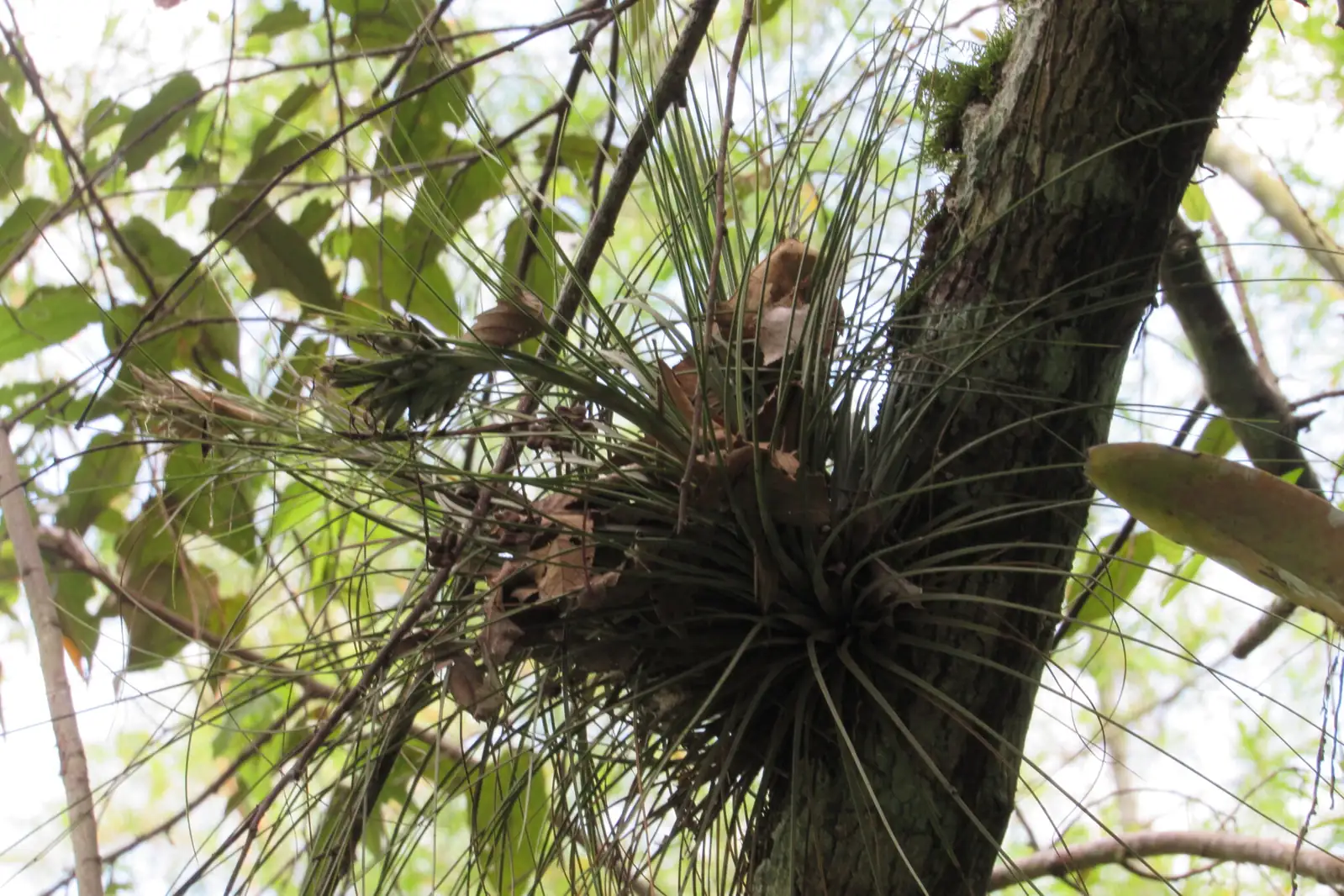
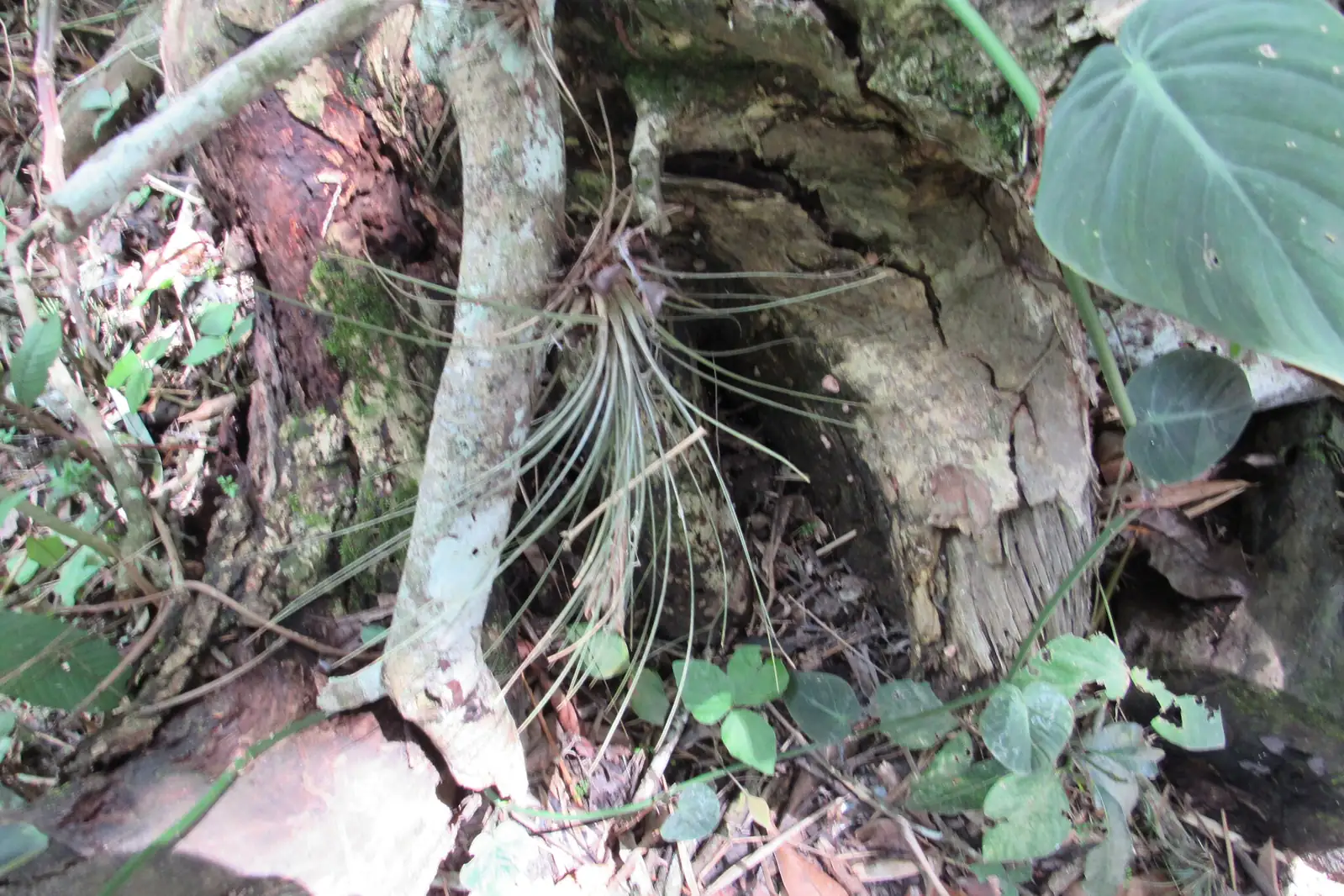
History & Legends: Like many Tillandsia, it’s an epiphyte in nature—growing on trees or rocks and using roots mainly to anchor itself. Moisture and nutrients are captured through leaf trichomes, which is why it became famous as a stylish “soil-free” houseplant.
Uses: Ornamental displays: mounts on driftwood/cork, hanging arrangements, and open terrariums (not sealed). Great for small-space décor where you want greenery without messy potting soil.
FAQ
Why is my air plant turning brown at the base?
Most often it’s rot from staying wet too long or from poor airflow. Soak to water, then shake out excess and dry it quickly in moving air. Don’t leave it sitting in a puddle or trapped in a humid, closed container.
Can I grow it in a closed glass terrarium?
Not recommended. Tillandsia needs airflow to dry fast. Choose an open terrarium or mount it where air circulates.
Does it die after flowering?
The blooming rosette slows down after flowering, but it typically produces offsets (“pups”) that keep the plant going—so the clump lives on.
Fun Facts
- The silvery “dust” on the leaves are trichomes—tiny scales that help the plant grab moisture and nutrients from the air.
- In good light, the pink flower spike can stay colorful for weeks, even after the small purple flowers finish.