

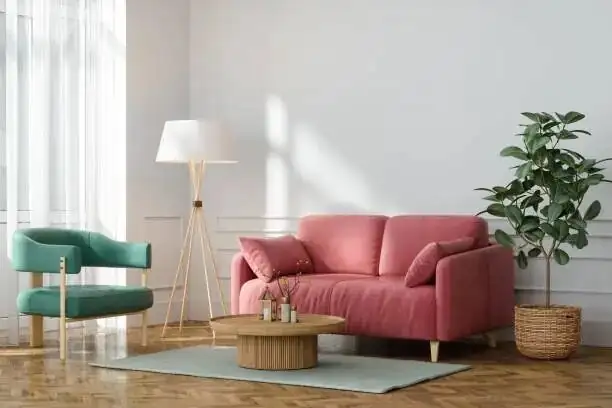
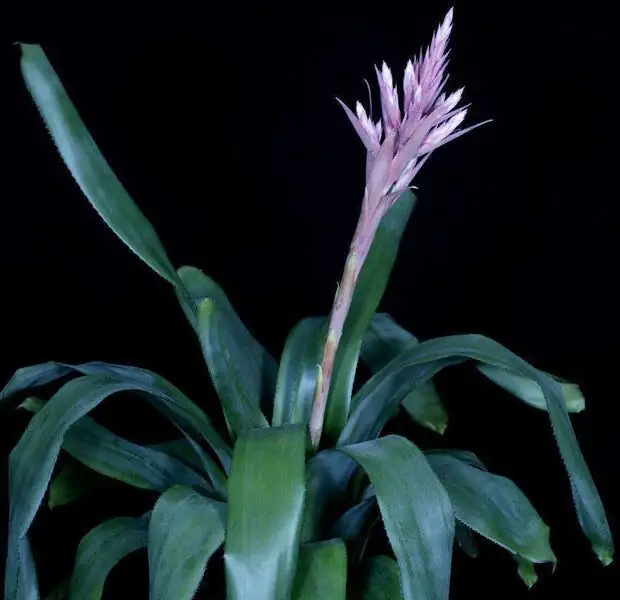
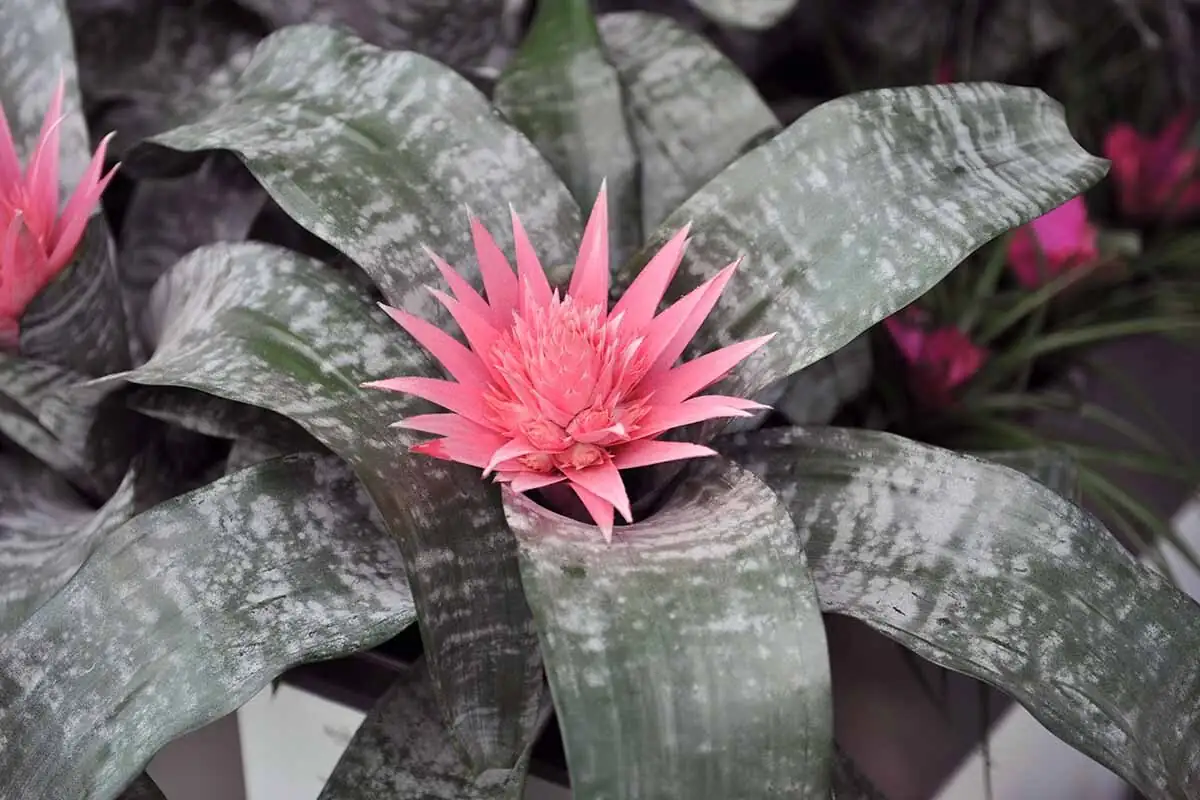
Think of Aechmea fendleri—often called the Dragonfly Bromeliad—as living sculpture: an elegant vase-shaped rosette that pours light into silver‑green leaves and, in summer, lifts a tall spike with pink bracts and tiny purple blooms. Style it well and it becomes a quiet showstopper—architectural, textural, and glowingly modern.
Meet the Dragonfly Bromeliad (Aechmea fendleri)
- Form: A refined, vase-shaped rosette with arching, strap-like leaves in a silver‑green, subtly banded finish. The rosette naturally holds water in its central “cup.”
- Flowers: Summer brings a tall inflorescence topped with showy pink bracts and petite purple flowers. The bracts stay colorful far longer than the fleeting blooms.
- Size: About 60 × 60 cm (24 × 24 in) at maturity.
- Habit: A rosette-forming epiphyte that gradually clumps via offsets (pups) for a fuller, sculptural colony over time.
Design note: That silver‑green foliage acts like a built‑in neutral, pairing beautifully with cool charcoals, smoky plums, and warm blush accents.
Light like a stylist: choosing the perfect window
Aechmea fendleri thrives in bright, filtered light—think partial sun/partial shade with no harsh midday blaze.
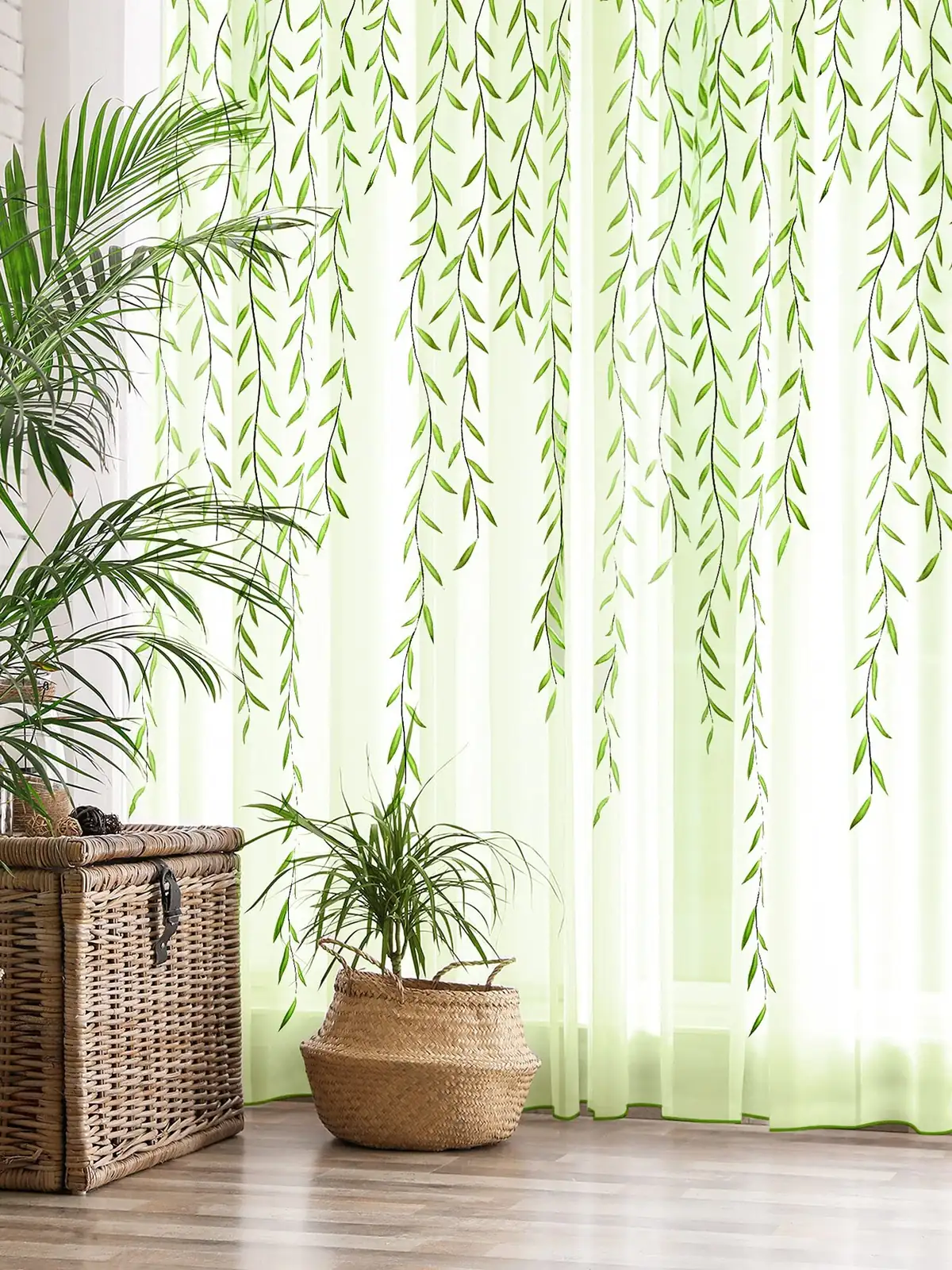
- East windows: Gold standard. Place 0–2 ft (0–60 cm) from the glass to catch gentle morning sun and bright, indirect light the rest of the day.
- Bright north windows: Excellent for steady, indirect light. Place close—0–1 ft (0–30 cm)—and bounce extra brightness with a pale wall or sill.
- South or west windows: Set it 3–8 ft (1–2.5 m) back, and hang a sheer to soften midday intensity.
Designer’s rule of thumb
- Hand‑shadow test: Hold your hand between plant and window. A soft, fuzzy shadow = perfect filtered light. A crisp, high‑contrast shadow = too intense; add or thicken a sheer or scoot the plant back.
- Light range: Aim for bright, indirect conditions (roughly the feel of a luminous room where you don’t squint). Avoid hot midday sun that can scorch leaves.
The sheer curtain playbook
- Fabrics: Voile or lightweight linen sheers diffuse glare without dimming the room; off‑white keeps tones true, warm ecru adds cozy softness.
- Layering: If afternoons get intense, double‑layer sheers or combine a sheer with a light-filtering roller shade.
- Seasonal tweak: In summer, pull the plant 5–10 inches (12–25 cm) farther from the glass; in winter, inch it closer.
Planter and palette pairings (where sculpture meets surface)
This bromeliad prefers a snug, well-drained container; oversized pots invite soggy mix and rot.
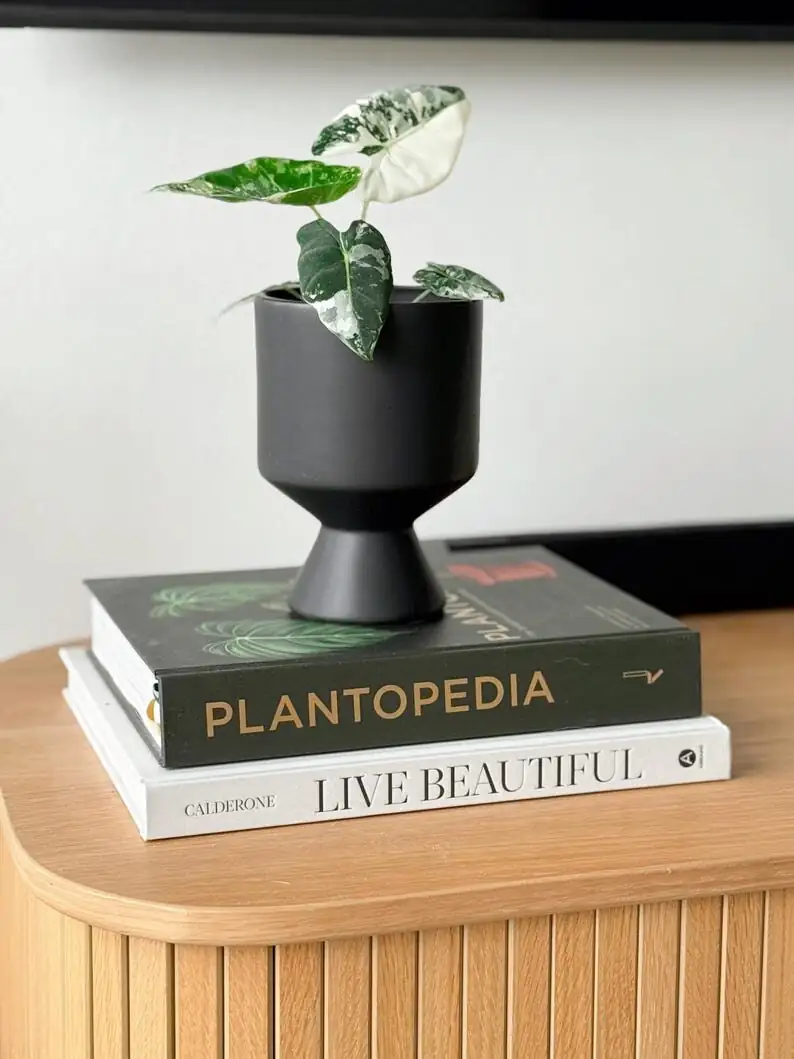
- Best size: Typically 12.5–15 cm (5–6 in) with a drainage hole.
- Ideal mix: Airy and fast-draining—equal parts orchid bark mix + perlite + coconut coir, or a 1:1 blend of orchid bark mix and general potting mix.
- Materials that flatter:
- Matte ceramic or powder‑coated metal for a gallery-like finish.
- Smooth concrete or terrazzo to echo the leaf’s cool, mineral tones.
- Warm buff clay or travertine to add contrast and heat to the silver‑green.
- Color strategies:
- Quiet luxe: Pewter, graphite, or soft sage amplifies the silver.
- Statement pairing: Blush, dusty rose, or muted plum to mirror the summer bracts.
- High contrast: Charcoal or inky black for crisp edges and a modern silhouette.
- Shapes that sing:
- Footed cylinders to elevate the rosette and emphasize the vase form.
- Low, wide bowls for a future multi‑rosette clump.
- Slim stands (brass or black) to lift foliage into the light stream without crowding surfaces.
Tip: If you adore porous terracotta, expect faster drying—it’s fine, just monitor moisture and mist a bit more in heat.
Groupings with texture‑rich companions
Compose a vignette that’s all about shape play and surface contrast. Keep companions that enjoy bright, indirect light.
- Filigree and airy
- Rhipsalis (mistletoe cactus): Soft, cascading threads against Aechmea’s structured arcs.
- Tillandsias (air plants): Perch on a sculptural branch for levity.
- Bold and matte
- Sansevieria ‘Hahnii’ (bird’s-nest snake plant): Broad, upright leaves echo the architecture without competing.
- Anthurium clarinervium: Velvety, veined hearts bring dramatic texture.
- Gloss and sheen
- Peperomia obtusifolia or variegated Peperomia: Compact gloss to offset the bromeliad’s satin leaf.
- Hoya obovata: Round, waxy leaves add soft geometry.
- Epiphyte friends
- Phalaenopsis orchids: Share the gentle light preference and look incredible next to the bromeliad’s bracts.
Styling principles
- Triangulate heights: One tall (orchid), one mid (Aechmea), one trailing (Rhipsalis).
- Limit your palette: Two planter colors, one accent metal. Repetition equals calm.
- Negative space matters: Give the rosette room so the leaf arc reads as sculpture.
Three ready-to-style recipes
1) Minimalist pewter duo
- Planter: Graphite footed cylinder
- Companions: Sansevieria ‘Hahnii’, black metal stand
- Palette: Graphite, pewter, warm oak
- Placement: 2 ft from an east window, single sheer
2) Soft blush bath
- Planter: Blush ceramic bowl (drainage + hidden saucer)
- Companions: Phalaenopsis orchid, small Peperomia
- Palette: Blush, warm white, brushed brass
- Placement: Bright bathroom ledge with gentle airflow
3) Jungle shelf vignette
- Planter: Terrazzo pot on a slim stand
- Companions: Rhipsalis trail, Anthurium clarinervium
- Palette: Stone neutrals, deep green, matte black
- Placement: North window, plants near the glass
Care that protects your look
Water
- Use rainwater or distilled water in the central “cup”; refresh/top up every 4–8 weeks.
- Keep the potting mix lightly moist spring through late summer—never waterlogged. In winter, let the mix dry before watering again.
- In hot, dry spells, mist daily or every other day. Avoid leaving standing water in the saucer.
Feeding
- Spring to late summer: balanced liquid fertilizer at 1/2 strength every 2 weeks, applied into the rosette cup or as a foliar feed.
- Occasionally flush with plain water to reduce salt buildup.
Air, humidity, and temperature
- Moderate humidity is ideal; gentle airflow helps prevent issues.
- Temperature sweet spot: 15–27°C (59–81°F); keep above 10°C (50°F). Not frost-hardy (roughly USDA 10–11 outdoors).
Grooming and growth
- After flowering, remove the spent spike.
- Trim only fully brown tips—avoid cutting healthy green tissue.
- Let pups clump for a fuller look or separate when each pup is 1/3–1/2 the size of the mother and has roots; pot into the same airy mix.
Pests and prevention
- Watch for mealybugs, scale, and spider mites (especially in dry air).
- Tactics: Wipe leaves, improve airflow, and treat early with gentle insecticidal soap if needed.
Buying and staging like a pro
- Choose firm, upright leaves and a clean, odor-free central cup.
- Skip any plant with a mushy base or persistently soggy pot.
- If you’re flower‑focused, pick a plant with fresh pink bracts and few or no spent purple florets for the longest display.
- Stage in a snug, drained pot with a hidden saucer; elevate on a stand to meet the light.
Symbolism and “flower language”
Bromeliads are often associated with hospitality and resilience—a poetic fit for a plant that sets a welcoming “cup” of water at its center and holds color for months. Modern “flower language” for houseplants borrows from cultural motifs (think of the pineapple—also a bromeliad—long tied to welcome) rather than strict historical codes. With Aechmea fendleri, gifting one reads as: “You’re welcome here, and we endure with grace.”
Quick reference
- Light: Bright, filtered; east or bright north windows are ideal. Use sheers for south/west.
- Pot and mix: Snug 5–6 in pot with excellent drainage; airy epiphyte mix.
- Water: Rain/distilled into the central cup; refresh every 4–8 weeks. Keep mix lightly moist in growing season; drier in winter.
- Feed: 1/2‑strength balanced liquid every 2 weeks spring–late summer; flush occasionally.
- Climate: 59–81°F (15–27°C); keep above 50°F (10°C). Moderate humidity and airflow.
- Style tip: Pair pewter or blush planters and layer with trailing Rhipsalis and a glossy Peperomia for a museum‑worthy, sculptural trio.
Place it well, pair it thoughtfully, and your Dragonfly Bromeliad will look like custom art—alive, evolving, and effortlessly refined.