

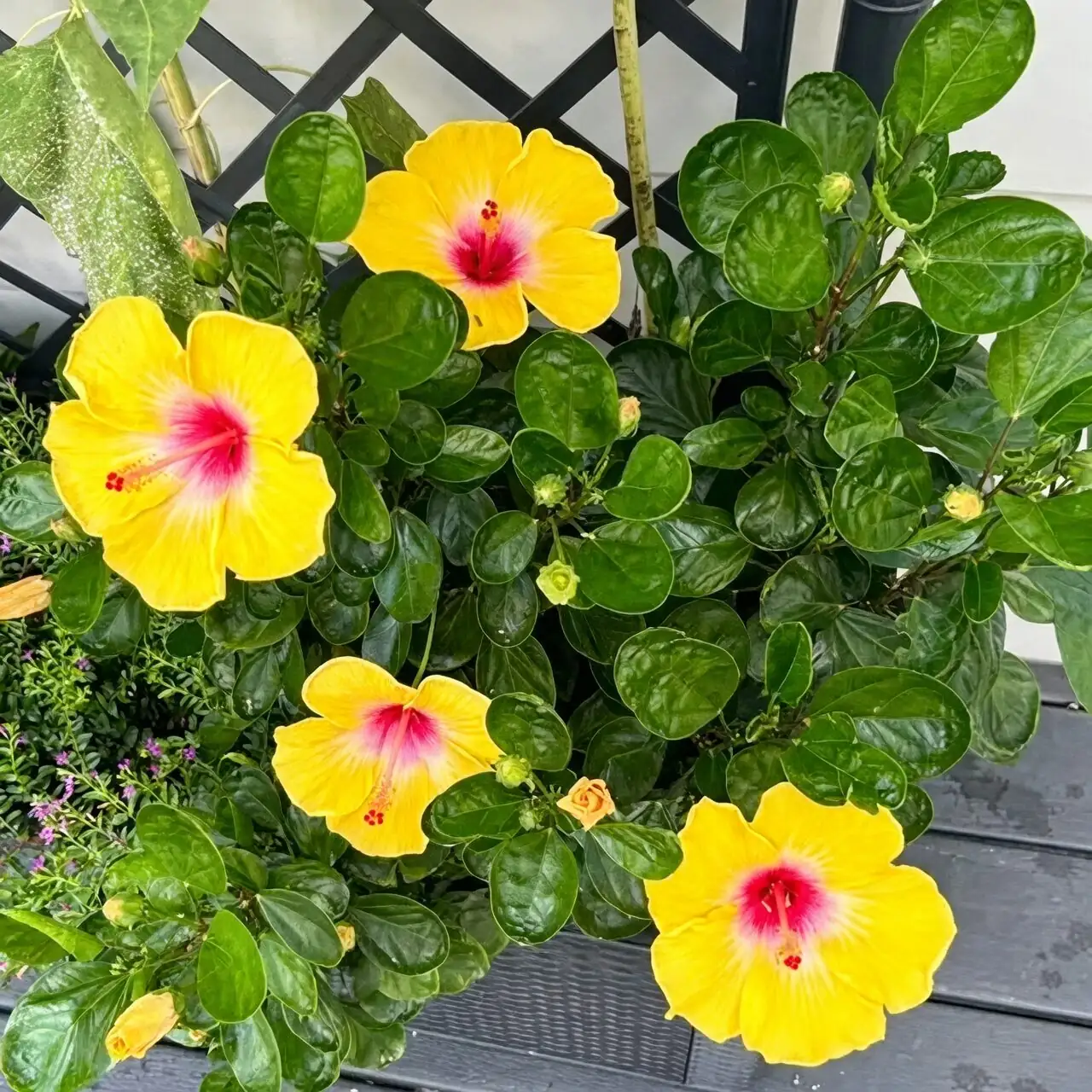
Chinese hibiscus (Hibiscus rosa-sinensis) is a sunshine-loving showoff—glossy leaves, enormous blooms, and a personality that thrives on warmth and routine. The secret to keeping those blooms coming while avoiding lanky, tired growth? A timing-first pruning plan. Think of it as conducting a plant that loves to grow in bursts: you’ll cue branching early, then lightly edit after each flowering “movement” to build more flowering wood.
The Timing-First Pruning Plan (Snapshot)
- When the plant hits ~20 cm (8 in): pinch all growing tips to trigger branching.
- After each bloom flush: lightly prune back to a healthy outward bud to reset the next wave of flowers.
- Through the warm, bright season: shape often and lightly to prevent legginess and keep buds forming at the tips of fresh growth.
Why Timing Matters for Chinese Hibiscus
Hibiscus blooms form at the ends of new shoots. Every well-timed pinch or post-flush trim creates more tips—and more tips mean more flowers. In bright, warm conditions (its happy place), the plant responds fast, so small, regular edits are better than occasional heavy cuts.
Start Strong: The 20 cm Pinch for a Bushier Plant
- Height cue: When your plant reaches about 20 cm (8 in), pinch out the soft tip of every stem (the top 0.5–2 cm of green growth).
- What it does: Signals the plant to branch, converting one lanky stem into a set of shorter, flower-ready shoots.
- Follow-up: When each new lateral has 4–5 leaves, pinch its tip again. Two early rounds of pinching create a dense framework that can carry flowers for months.
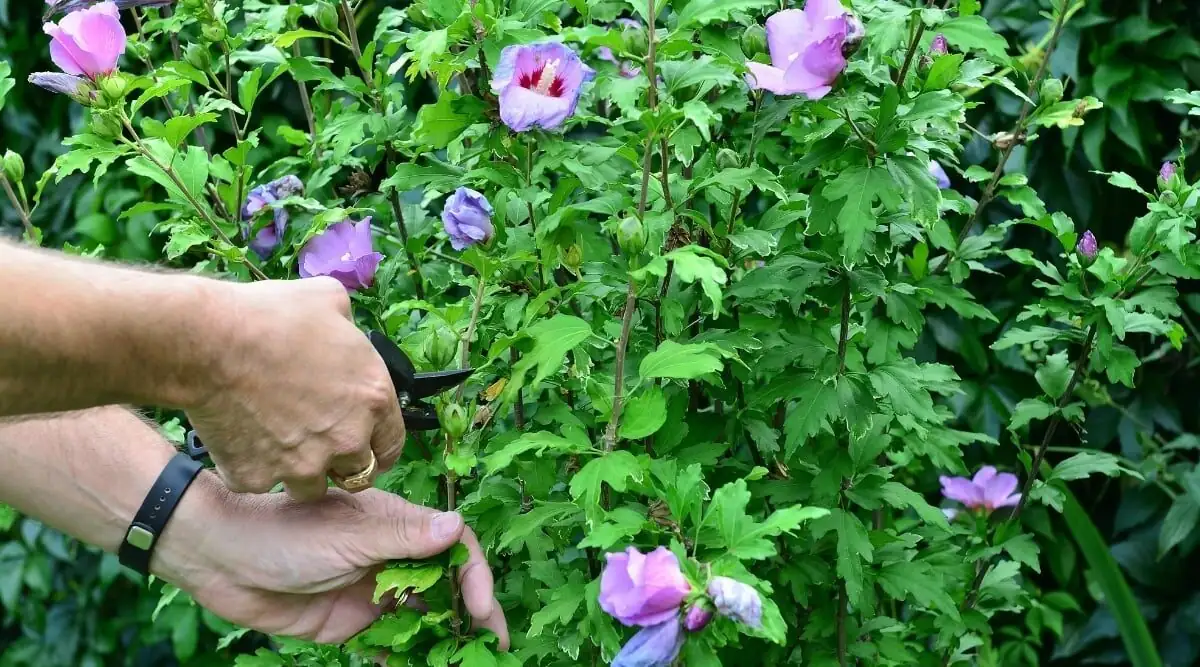
Tip: In containers, many growers keep plants at or under 50 cm (20 in) tall for easier care and heavier blooming. A 15–20 cm (6–8 in) pot is a sweet spot for compact, prolific plants.
After-Flush Pruning: Resetting for the Next Round
- Timing: When a round of blooms ends on a given stem, trim that stem back by 1–3 nodes to an outward-facing bud.
- Goal: Encourage a fresh surge of short, vigorous shoots that will set the next wave of buds.
- How much: Aim for little-and-often shaping. If you ever need to correct a plant that’s gone leggy, you can shorten select stems more—but avoid removing more than roughly a third of the plant at once to keep it blooming continuously.
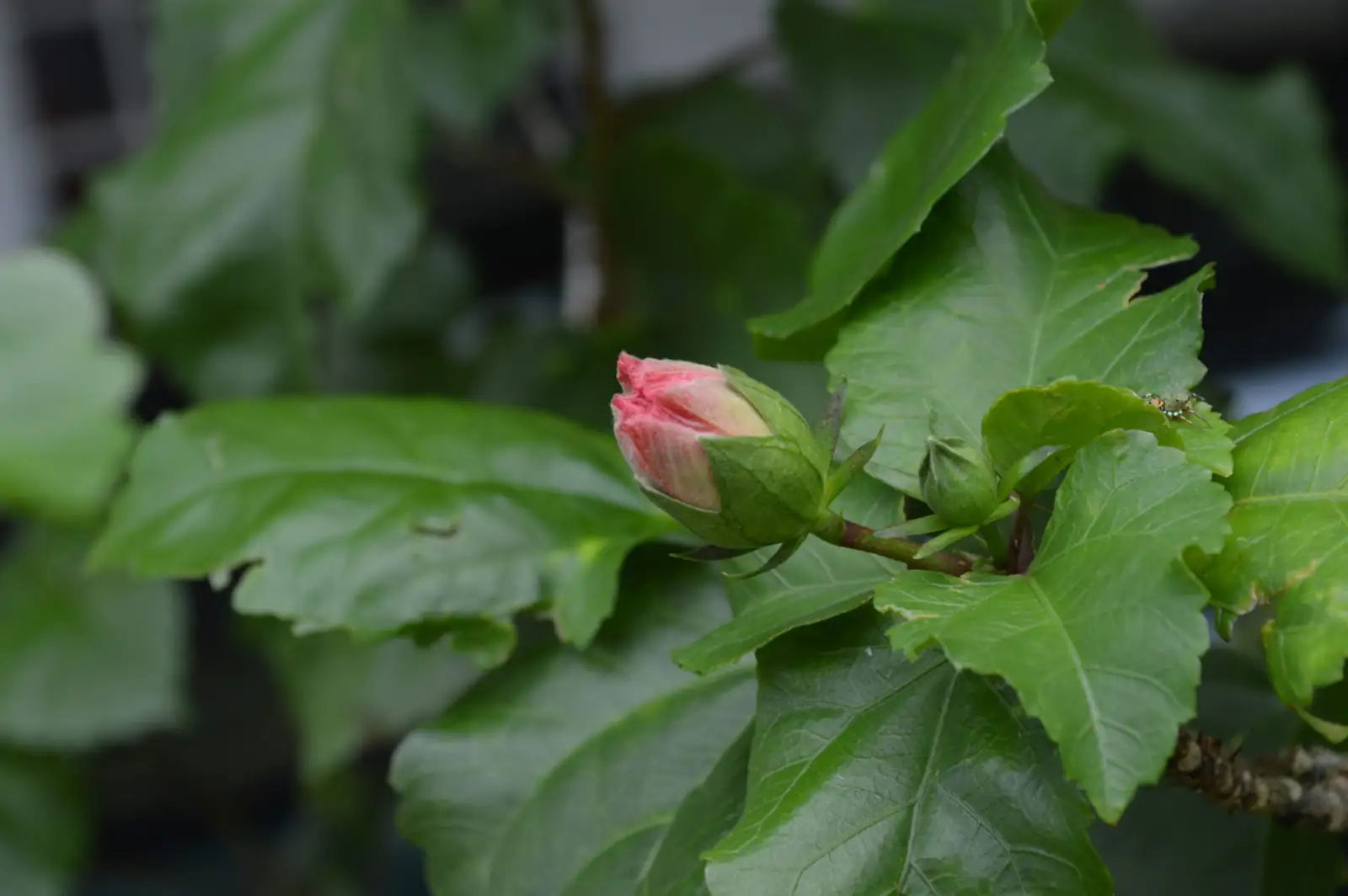
Shaping Without Legginess in Bright, Warm Conditions
- Light is non-negotiable: Full sun yields the most flowers; light shade is tolerated, but deep shade (especially indoors) leads to weak, stretchy growth and fewer blooms.
- Warmth sweet spot: 15–25°C (59–77°F). Keep above 10°C (50°F). Leaves may yellow around 5°C (41°F).
- The “edit as you go” habit:
- Remove crossing or inward-growing twigs to open the canopy and sunbathe interior leaves.
- Tip back overly long stems to the next outward bud.
- Rotate container plants every week so all sides get sun—nature’s anti-legginess trick.
Seasonal Rhythm for Pruning and Care
Spring
- Pinch to branch as growth restarts.
- Increase watering and resume feeding.
- Repot if needed (yearly is great), refreshing soil and trimming circling roots.
Summer
- Maximum sun and warmth: this is prime flowering time.
- After each flush, do your light shaping cuts to keep growth compact and budding.
- Water often and watch for spider mites/scale in hot, dry spells.
Autumn
- As nights drop toward 10°C (50°F), prepare to bring containers indoors.
- Reduce fertilizer to avoid soft, cold-prone growth.
- Keep pruning light—just tidying after a flush.
Winter
- Brightest window or a sunny room; keep above 10°C (50°F).
- Water sparingly but don’t let the root ball go bone-dry.
- Pause fertilizer; save structural pruning for active growth periods, sticking only to dead/damaged wood.
Tools, Cuts, and Clean Technique
- Use sharp, sanitized snips.
- Make cuts just above a leaf node, angling slightly away from the bud you’re keeping.
- Choose outward-facing buds to widen the plant and improve airflow.
- Step back often to check balance and symmetry.
Light, Water, and Food: The Bloom Engine Behind Your Pruning
- Sunlight: Full sun is best for abundant blooms and strong, compact growth.
- Watering cadence for containers (adjust to pot size, heat, and ventilation):
- Spring: about 2× per week.
- Flowering period: about 3× per week in a sunny, airy spot.
- Peak summer: often every 2 days to keep moisture steady.
- After moving indoors in autumn: about 2–3× per week; at 12–15°C (54–59°F), roughly 1× per week may suffice.
- Winter in warm rooms: often 2–3× per week—avoid extremes of soggy or bone-dry soil.
- Feeding: A heavy feeder. Apply fertilizer every 2 weeks in the growing season with a balanced-to-blooming formula (e.g., something similar to 15-15-30). Reduce feeding in autumn and stop in winter.
Pro tip to prevent legginess: Abundant light and steady nutrition are your best allies. Avoid pushing excessive, soft growth late in the season.
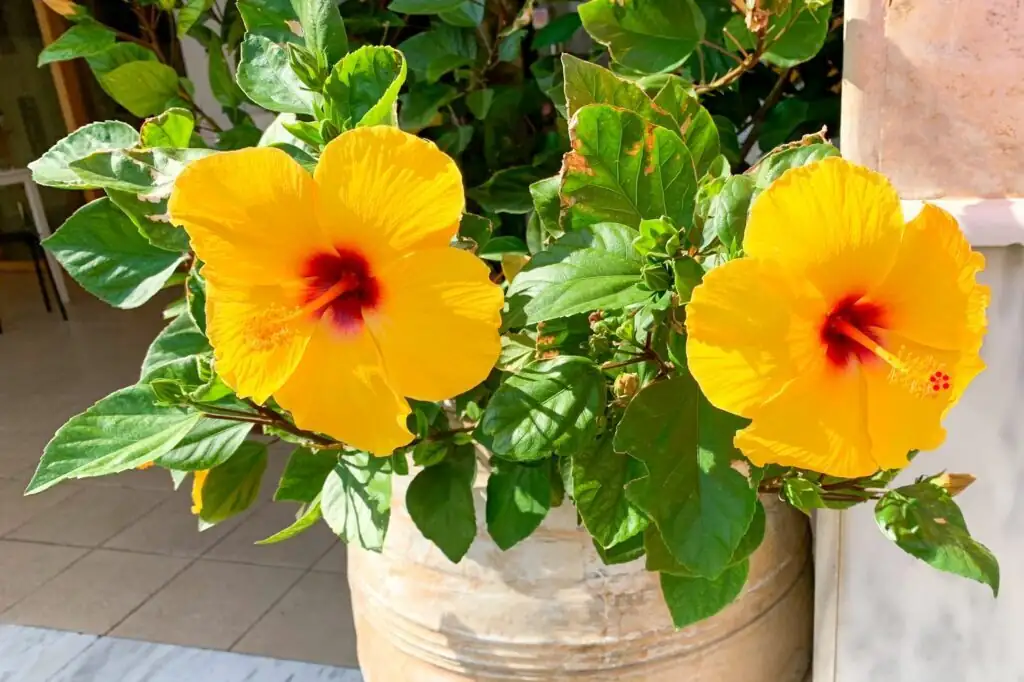
Placement and Overwintering
- Outdoors in a sunny, airy spot in frost-free climates (USDA 10–12) or during the warm season elsewhere.
- Bring potted plants indoors before nights near 10°C (50°F). Provide the brightest light you can—dim corners lead to weak, stretchy stems no pruning can completely fix.

Troubleshooting Your Flowers
- Small blooms? Usually not enough sun and/or feeding. Move to stronger light and feed every 2 weeks during active growth to bulk up buds.
- Bud drop or leaf yellowing? Often triggered by cold snaps, low light, or inconsistent watering. Nudge the plant back to warm, bright, steady conditions and keep moisture even.
Pests, Airflow, and Clean Foliage
- Common pests: aphids, spider mites, scale, and caterpillars. Rinse, then use horticultural soap or oil if needed.
- Leaf spot: Avoid wetting foliage late in the day, improve airflow, and remove affected leaves.
- Pruning for air: That gentle opening of the canopy is both a bloom booster and a disease deterrent.
Propagation for More Color
- Cuttings: Take 10 cm (4 in) soft tip cuttings in warm, humid weather. Strip lower leaves, keep a few at the tip, and insert into clean sand or a very free-draining mix. Keep at 18–21°C (64–70°F) with high humidity. Rooting typically takes 20–25 days; rooting hormone can speed things along.
- Grafting: Often done in spring or autumn for fancy doubles or hard-to-root cultivars, using vigorous single-flowered rootstocks.
Flower Language and Meaning
Across much of tropical Asia and beyond, Chinese hibiscus has become a stand-in for a thriving, cheerful home—lively foliage and frequent blooms suggest prosperity and success. In gifting traditions, single-flowered forms often congratulate achievement and family flourishing, while double-flowered types can signal tenderness and thoughtfulness in romance. As with most “flower language,” these meanings blend folk custom, modern gifting culture, and a dash of marketing—but they persist because the plant so reliably broadcasts warmth, vitality, and celebration.
Buying Smart
- Choose compact, well-branched plants under about 50 cm (20 in) with dense, deep-green leaves.
- Look for many buds and a few open flowers so you can confirm color and form.
Safety Note
Generally considered non-toxic to people and pets, though the sap can mildly irritate sensitive skin. Discourage nibbling.
Your Easy Pruning Checklist
- At ~20 cm tall: pinch all tips to branch.
- Through warm months: after each bloom flush, cut back 1–3 nodes to an outward bud.
- Keep it compact: tip back runaway stems; open the center for light and air.
- Support the cycle: full sun, steady moisture, and biweekly feeding in season.
- Protect from cold: bring in before 10°C (50°F); brightest indoor light wins.
Nail this rhythm, and your Chinese hibiscus will reward you with a long, exuberant season of color—compact, floriferous, and never leggy.