

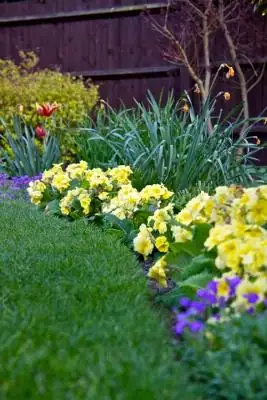
If spring had a confetti cannon, it would be Primula. Those low rosettes suddenly fling up clusters of candy-colored blooms just as the garden yawns awake—and tucked inside many of those flowers is one of botany’s neatest engineering tricks. Welcome to the pin-and-thrum show: a visual, surprisingly romantic system that wowed Charles Darwin and still delights plant geeks and seed savers today.
Meet Primula, spring’s cheerful genius
- Who: Primula spp. (primroses, polyanthus), a genus of 500+ species in the Primulaceae family
- Where: Native across the Northern Hemisphere, especially cool, temperate mountains and woodlands
- Habit: Compact, leafy rosettes 15–30 cm tall with wrinkled green leaves and stout stems topped by umbels of 5-lobed flowers in reds, pinks, yellows, blues, purples, and whites—often with a sunny yellow “eye”
- Season: Early spring bloomers (April–May), just when color-starved gardeners need them most
Now, about that secret…
Pin vs. Thrum: a pocket guide you can see
In many Primula species, flowers come in two forms—each plant makes only one form.
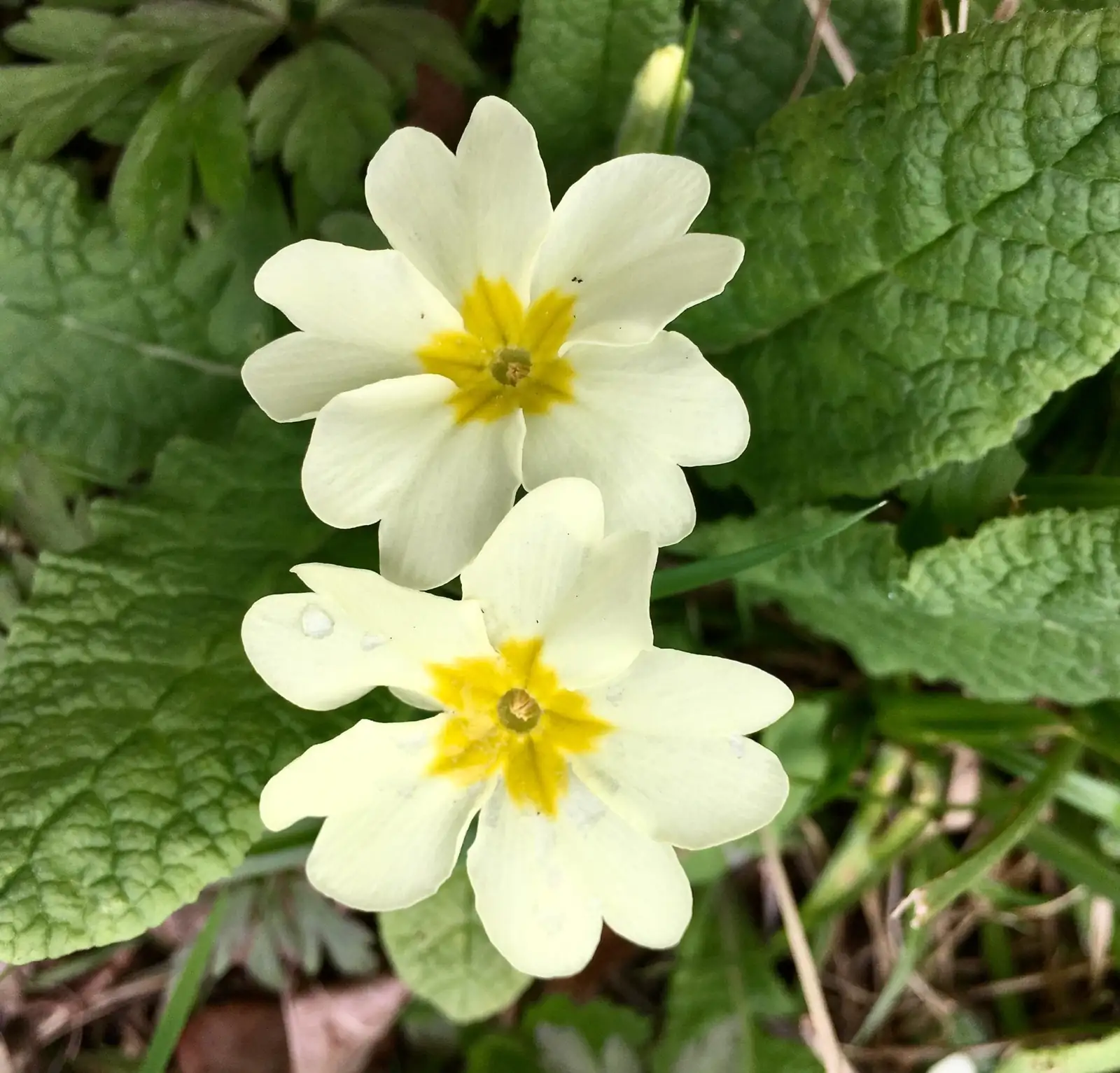
- Pin flowers (long-styled)
- Stigma: high, right at the mouth of the floral tube
- Anthers: low, partway down inside the tube
- Thrum flowers (short-styled)
- Stigma: low, tucked inside the tube
- Anthers: high, near the mouth of the tube
Think of a flower as a straw with two ledges. In “pin,” the receptive surface (stigma) sits on the top ledge; in “thrum,” the pollen-bearing anthers sit there instead. The other part is down below. This reciprocal design means visiting insects pick up and deposit pollen at matching heights on their bodies—like wearing two different “pollen belts.”
The cross-pollination magic trick
- A bee visits a thrum flower first. Pollen dusts the top of its proboscis/face where the anthers are high.
- Next stop: a pin flower. Its stigma is high too—right where the bee’s pollen stripe rides—so pollen hits the target.
- Reverse the journey and it still works: pin anthers dust pollen low; thrum stigmas receive it low.
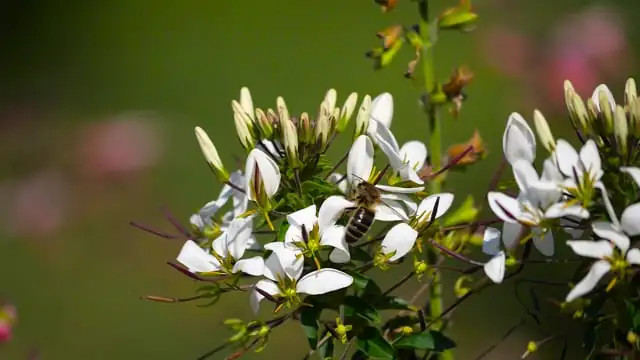
The result: outcrossing between different plants, more genetic diversity, and vigorous offspring. On top of the geometry, a self-incompatibility system usually blocks pollen from fertilizing a flower of the same morph (and from the same plant), further nudging plants to swap genes rather than self.
Why Darwin was obsessed
Primula’s two-form puzzle lit up Darwin’s curiosity. In the 1860s and 1870s he hand-pollinated pins and thrums, proving that “legitimate” crosses (pin × thrum, thrum × pin) set far more seed than same-form crosses. He named the condition distyly and used Primula to explore how flower shape, pollinators, and heredity intertwine.
Modern genetics adds a twist worthy of Darwin’s notebooks. In Primula vulgaris and relatives, a cluster of tightly linked genes—a supergene known as the S (style length) locus—controls the thrum condition. Thrum plants carry this S-locus region; pin plants don’t. When pieces of the S-locus are lost or altered, flowers can become homostyles (anthers and stigma at the same height) and may self-fertilize. For most garden primroses, though, the classic pin-and-thrum duet still runs the show.
Seed saving with pins and thrums: expectations vs. reality
The geometry that makes Primula great at outcrossing also makes saving pure seed a little… particular. Here’s how to succeed (and when to switch tactics).
First, identify who’s who
- Gently peer into the flower:
- Stigma at the mouth? It’s a pin.
- Anthers at the mouth? It’s a thrum.
- Each plant keeps to its type—no mixing morphs on a single plant.
To get seed at all
- Grow both morphs. Many Primula will not set much, if any, seed when crossed pin × pin or thrum × thrum.
- Invite pollinators. Cool mornings with active bees are your friends.
Hand-pollination, made simple
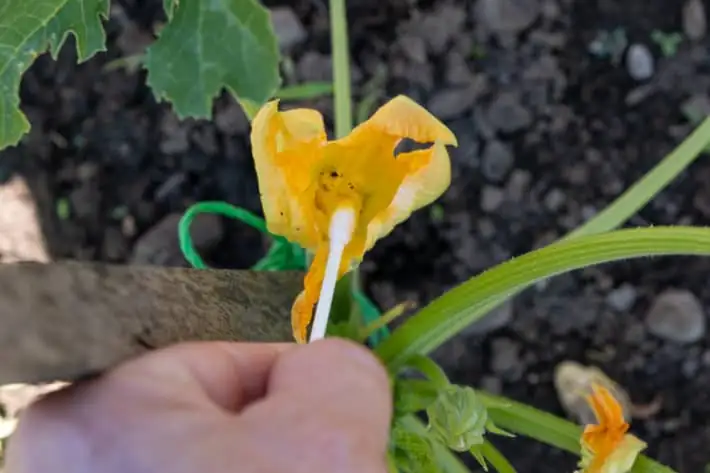
- Use a small brush or the tip of a clean matchstick.
- Collect pollen from a thrum’s high anthers and dab it onto a pin’s high stigma (and vice versa).
- Tag your crosses. A tiny string or tape flag noting “pin × thrum” helps later.
If you want offspring like the parent
- Know your line. Many bedding primroses and polyanthus are complex hybrids; seed often won’t “come true” in color or form.
- For named cultivars, divide instead. Division in early spring or fall preserves the exact plant—foolproof for keeping your favorite shade and pattern.
- Seed is great for exploring variation and raising lots of plants, but expect surprises unless you’re working with a stabilized strain.
Gathering and sowing
- Let pods mature and dry on the plant; collect before they split.
- Label by morph cross if you tracked it.
- Sow fresh in late winter; keep evenly moist and cool. Patience pays off.
Note: Rare homostyle forms and certain species can self or bend these rules, but as a practical guide, assume pin–thrum partnerships are required.
A quick garden tune-up for better pin-and-thrum shows
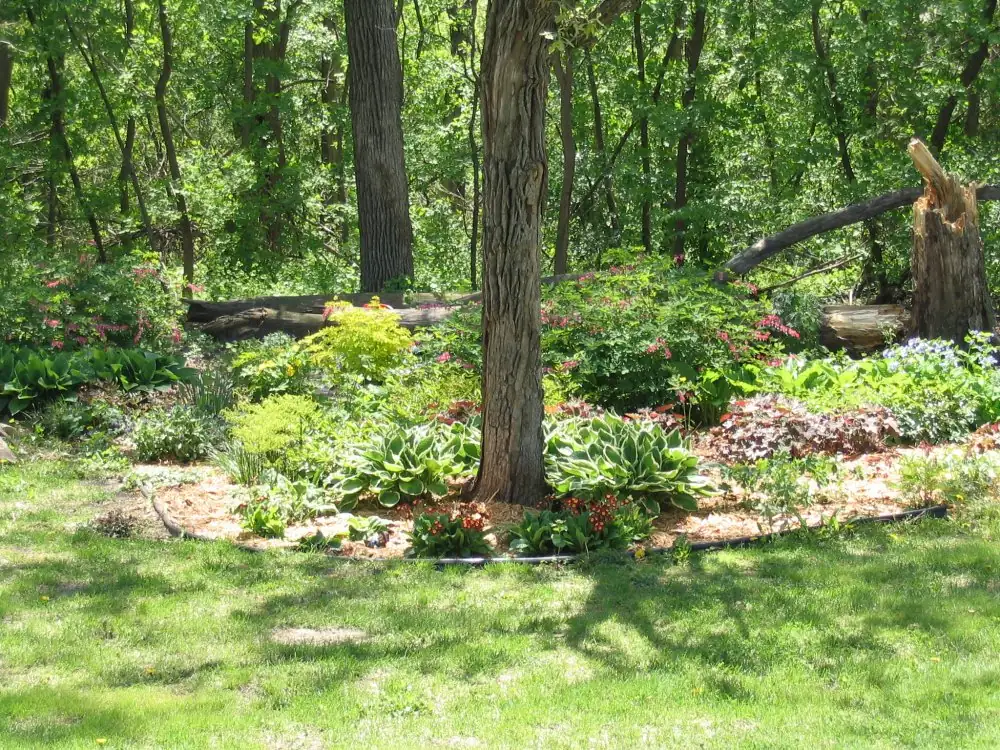
- Light: Partial to full shade; more sun is fine in cool climates, but shelter from harsh midday rays in warm regions.
- Temperature: Loves cool—around 10–15°C at night and below 27°C by day.
- Soil: Moist but well-drained, rich in leaf mold or compost; slightly acidic (pH ~5.5–6.5).
- Water: Keep evenly moist (not soggy). In dry spells, about 2.5 cm per week in-ground; water containers when the top 2.5 cm feels dry.
- Feeding: Light, regular feed in bloom (half-strength every two weeks), or a balanced spring and fall feed in beds.
- Grooming: Deadhead to extend the show and tidy yellowing leaves for airflow.
- Multiply: Divide rosettes in early spring or fall to refresh clumps and clone favorites.
Happy plants bloom more—and more blooms mean more chances for pin–thrum matchmaking and plump seed pods.
Flower language, folklore, and the real heart of primroses
In Victorian floriography, primroses symbolized youth, hope, and especially first love—the sentiment “I can’t live without you.” It’s poetic, and curiously apt for heterostylous Primula: pins and thrums truly depend on each other to reproduce. Still, remember that “flower language” is a cultural invention, not plant intent. What looks like romance is evolution’s way of maximizing genetic diversity with a smart floral design.
Fast facts and friendly cautions
- Diversity: 500+ species, from drumstick primrose (Primula denticulata) to candelabra types for damp spots.
- Habit: Low, clumping perennials in USDA Zones 3–8 (some hardy to Zone 2); they struggle in hot-summer zones without cool respite.
- Pests/diseases: Watch for aphids, mealybugs, whiteflies, and slugs/snails; avoid overcrowding and waterlogging to sidestep rots and mildews.
- Safety: Toxic to humans and pets; sap can irritate skin. Keep out of reach of children and animals and wash hands after handling.
Primula makes spring joyful, but its real joy is this elegant, visual lesson in evolution. Once you learn to spot pins and thrums, you won’t just see flowers—you’ll see a choreography of heights, insects, and genes that enchanted Darwin and still rewards every curious gardener.


