

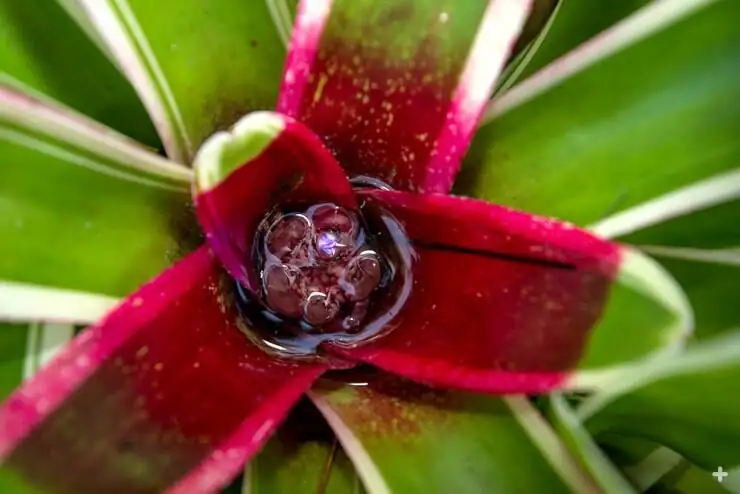
Think of ornamental bromeliads as living neon torches. You want to bring home a plant that’s just hitting its stride—color blazing, rosette firm, and future pups queued up for an encore. Here’s how to shop smart so your Guzmania, Vriesea, Aechmea and kin look stunning for months and set you up for the next generation.
Quick ID: What you’re really buying
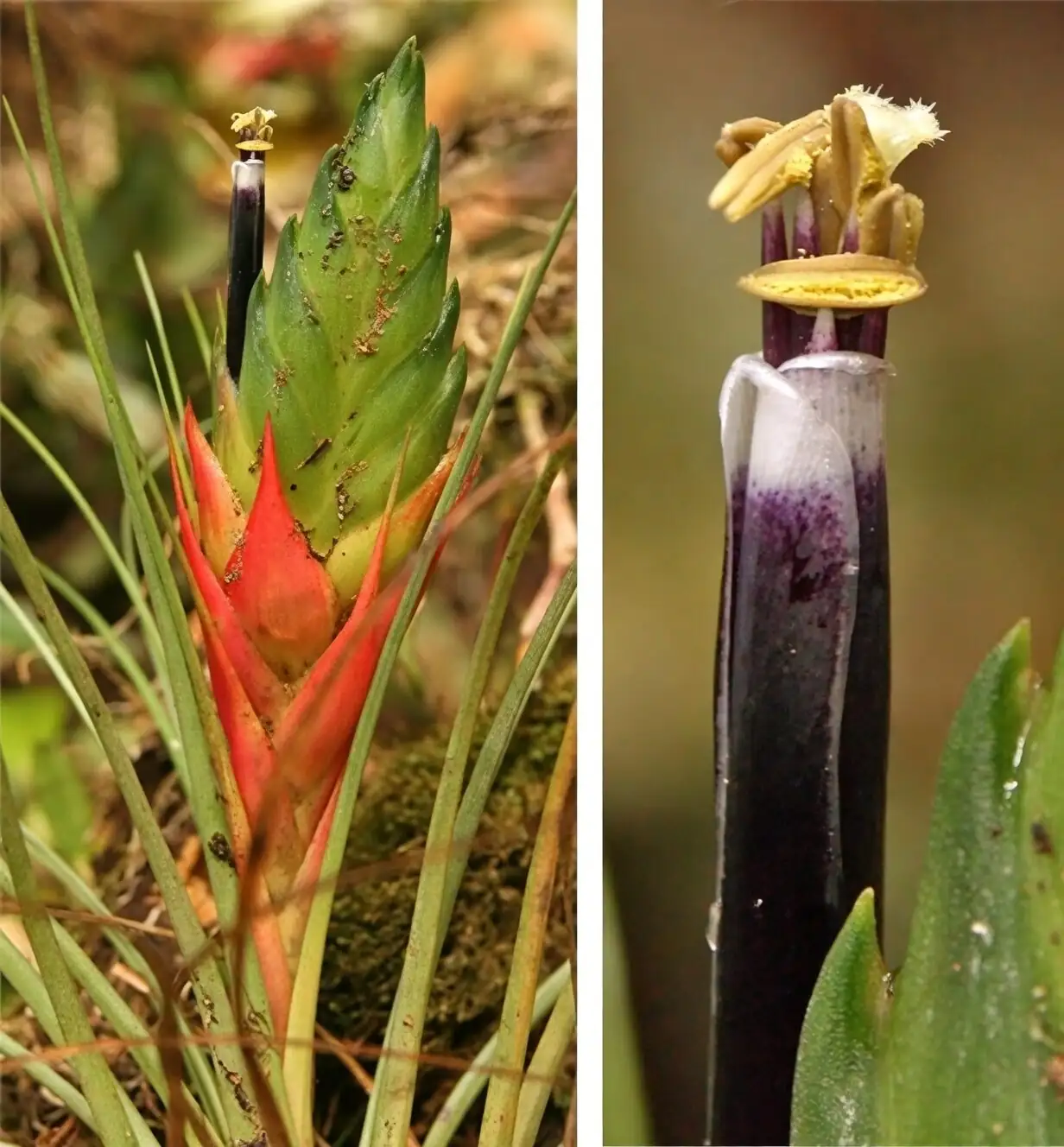
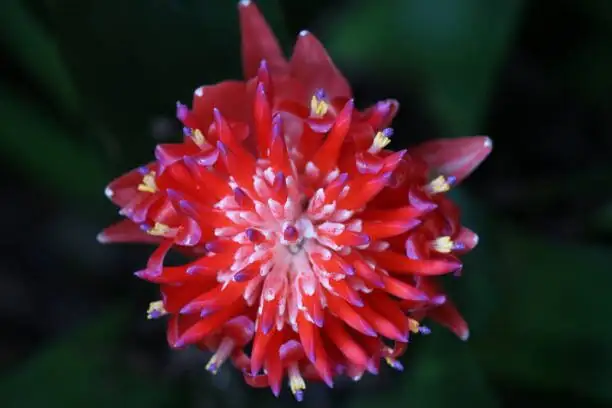
- The “flower” you see is usually a set of colorful bracts; the true flowers are small and emerge from within or alongside the bracts.
- Common store stars:
- Guzmania and many Vriesea: soft, mostly smooth leaves; flamboyant, long-lasting bracts.
- Aechmea: bolder rosettes with mildly spiny margins; often banded leaves (e.g., Aechmea fasciata).
- Growth style: rosette-forming and often epiphytic in nature. After the show, the mother rosette slowly declines and produces pups (offsets) that carry the torch.
The smart shopper’s 60‑second inspection
1) Spot the peak bract stage
Aim for bracts that are fully colored, crisp, and clean—without looking tired.
- Color: saturated, even pigment from tip to base; avoid bleached patches or browning edges.
- Texture: bracts should be firm, not papery or curling.
- Flower clues for longevity:
- If you can see a few small true flowers just beginning (often tubular and short-lived), great—the bracts will likely remain showy for weeks to months.
- Lots of spent, dried true flowers or pollen stains often signal an older display.
Genera cheat-sheet:
- Guzmania: star or cone-like bracts; choose bold, uniform color without fading at the base.
- Vriesea (“flaming sword” types): choose a flat spike with vivid striping or solid color; skip if it’s turning dull tan.
- Aechmea: the pink head and colorful bracts should look fresh; avoid if the head is browning or mushy.
2) The sniff-and-center test (seriously—smell it)
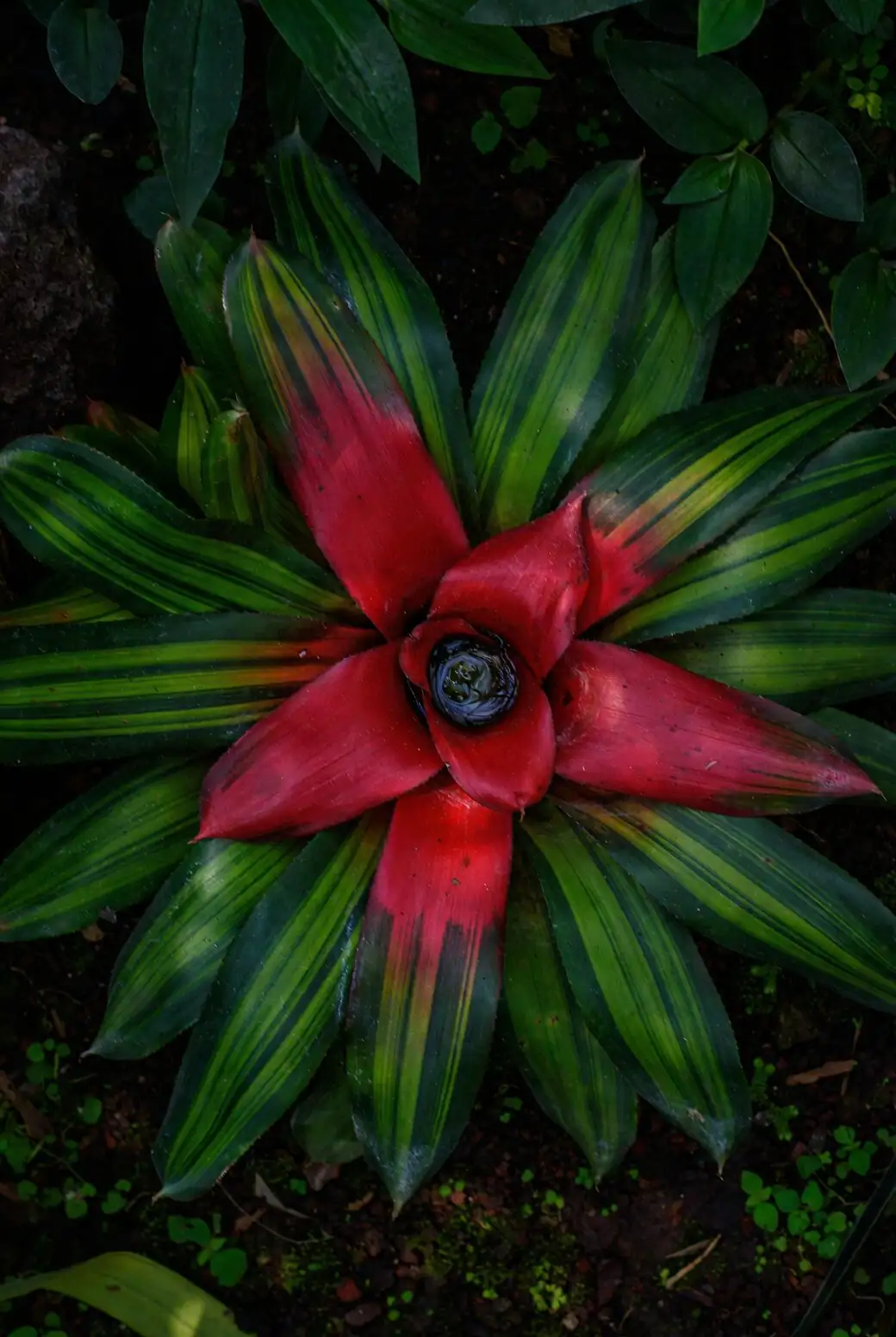
- Blackened, mushy center or a sour, stagnant odor = crown/tank rot risk. Put it back.
- The rosette should be firmly anchored. A wobbly base suggests root or crown issues.
3) Pests: where they actually hide
- Mealybugs: cottony tufts in leaf axils, down in the central cup, or along the bract.
- Scale: little brown or tan bumps on leaves or bracts.
- Spider mites: fine webbing and stippled leaves, especially in dry, heated stores.
- Also skip plants with sticky residue (honeydew) or sooty mold.
4) Pup potential: buy today’s color and tomorrow’s plant
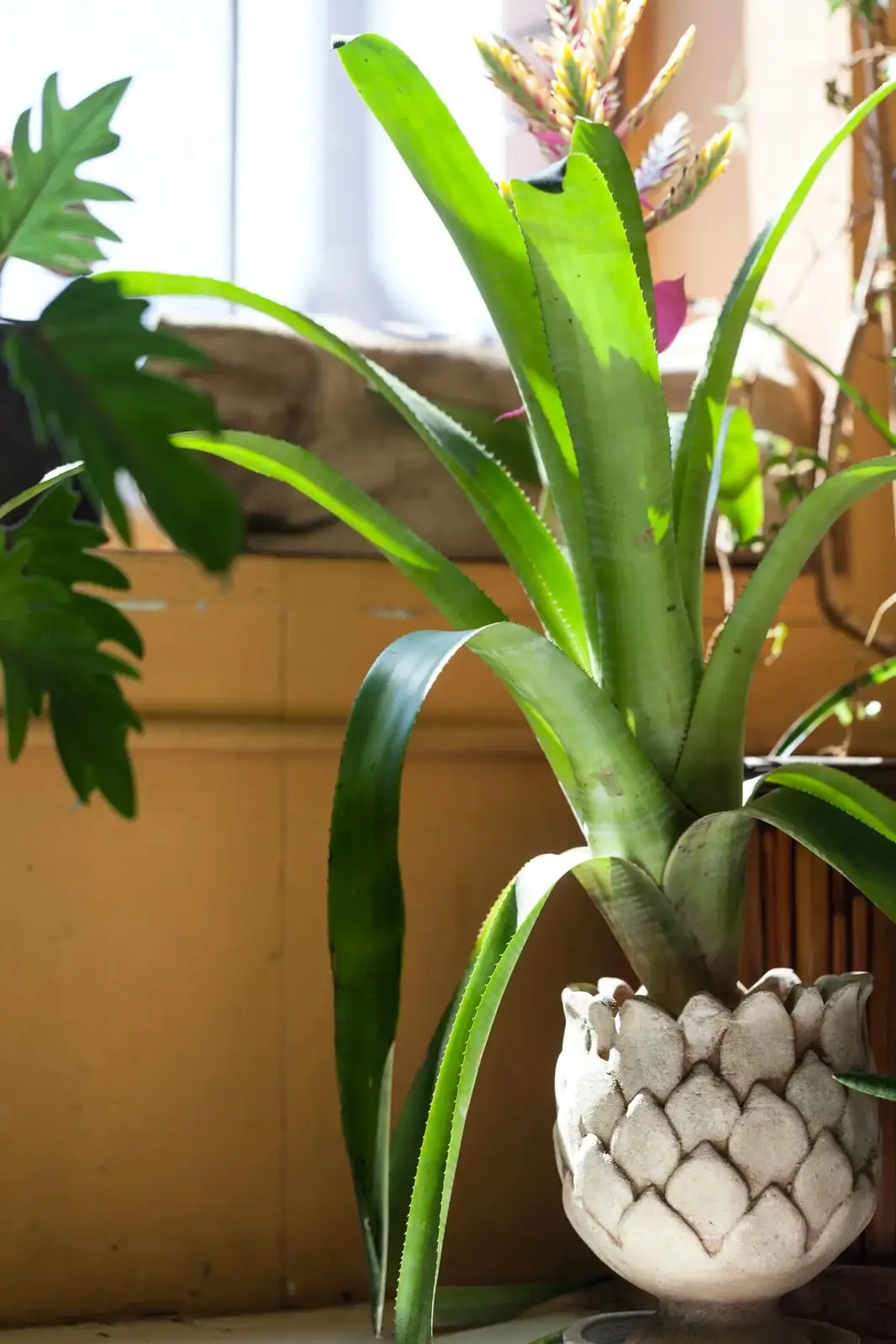
- Look at the base for small offsets. “Promising pups” are firm, upright, and proportionate—not shriveled.
- Choose based on your goal:
- Longest display: bracts at peak color and no pups or tiny pups just emerging.
- Eager to propagate: select a plant with 1–3 pups already forming (but ideally under 1/3 the size of mom so you still enjoy the show awhile).
5) Pot, mix, and moisture check
- Drainage holes are non-negotiable.
- The medium should be airy (orchid-bark style with perlite or similar), never heavy or sodden.
- No standing water in the saucer. Lift the pot—if it feels waterlogged and there’s a sour smell, skip it.
- Peek at the central “cup”: a little clean water is fine, but it shouldn’t be murky or full of debris.
Red flags vs. green lights
Red flags
- Blackened or slimy center; sour smell.
- Wobbly rosette; base feels soft.
- Bracts bleached, browned, or papery; obvious pollen stains/dried flowers throughout.
- Sticky residue, webbing, cottony clusters, or visible pests.
- Soggy, peat-heavy mix with no airiness or poor drainage.
- Cup water stagnant, algae-laden, or foul.
Green lights
- Firm, upright leaves; architectural rosette holds its shape.
- Bracts richly colored and crisp, with only a few (or no) spent true flowers.
- Clean leaf axils and cup; no residue or webbing.
- Airy, well-draining medium; pot with drainage.
- Small, sturdy pups visible (optional bonus depending on your goals).
Bring it home: keep the color going
Light and placement
- Bright, indirect light is the sweet spot. Gentle morning sun is fine; avoid harsh midday rays that can scorch leaves and fade color.
- Great spots: near an east or bright north window, or set back from a strong south/west exposure with a sheer curtain.
Temperature and humidity
- Ideal temperatures: 18–28°C (64–82°F). Protect from cold drafts and keep away from sub-10°C (50°F).
- Humidity: moderate to high (around 50–70%). Group plants, use a pebble tray or humidifier to reduce brown tips.
Watering the right way
- Potting mix: water lightly and let excess drain; never let it sit in water.
- Tank-formers (most Guzmania/Vriesea/Aechmea):
- Keep a small amount of clean water in the central cup; refresh about weekly so it never stagnates.
- In cooler or dimmer conditions, reduce or even empty the cup temporarily to lower rot risk.
- Pro tip: If your tap water is very hard, use filtered, rain, or distilled water and refresh the cup regularly to minimize mineral buildup.
Feeding, grooming, and repotting
- Feed sparingly in active growth: 1/4-strength balanced fertilizer every 4–6 weeks. Overfeeding can dull bract color and stress roots.
- Grooming: remove spent flower spikes; trim brown tips. Wear gloves with spiny Aechmea.
- Repotting: only when crowded or unstable. Use a small pot and a very airy, fast-draining mix.
Pups: your free future plants
- When pups reach about 1/3–1/2 the size of the mother, separate with a clean cut and pot into an airy mix.
- Keep warm and slightly humid until they root in. Bright, filtered light helps them settle quickly.
Fast troubleshooting
- Bracts fading early: too much direct sun or the display is simply aging. Move to bright, filtered light.
- Blackened center: stagnation or overwatering (especially in cool, low-light rooms). Empty the cup, increase airflow, keep warm, and water less.
- Brown leaf tips: dry air or salts accumulating. Boost humidity and refresh the cup with clean water.
- Sticky leaves/sooty mold: mealybugs or scale. Isolate the plant and treat promptly.
- No pups yet: give time and ensure bright, indirect light. Many bromeliads pup after or toward the end of flowering.
Safety and symbolism
- Safety: generally non-toxic to people and pets. Beware of mechanical hazards—some leaf edges (especially in Aechmea) are mildly spiny and can scratch.
- Symbolism: bromeliads radiate tropical cheer and hospitality—a link many people trace to the pineapple’s long-standing role as a welcome symbol in the Americas. Think of it less as formal “flower language” and more as a design shorthand for vibrant energy and a warm reception.
Your quick buyer’s checklist
- Bracts: vivid, even color; firm; minimal spent flowers.
- Center: no blackening; no sour smell; rosette feels solid.
- Pests: no cottony tufts, bumps, webs, or sticky residue.
- Pups: small, healthy offsets if you want future plants.
- Pot and mix: drainage holes; airy, not waterlogged.
- Aftercare plan: bright, indirect light; 18–28°C; moderate-to-high humidity; small, clean cup of water refreshed weekly.
Shop smart, and your “tropical torch” will glow for weeks to months—then hand the spotlight to its pups for an encore.