

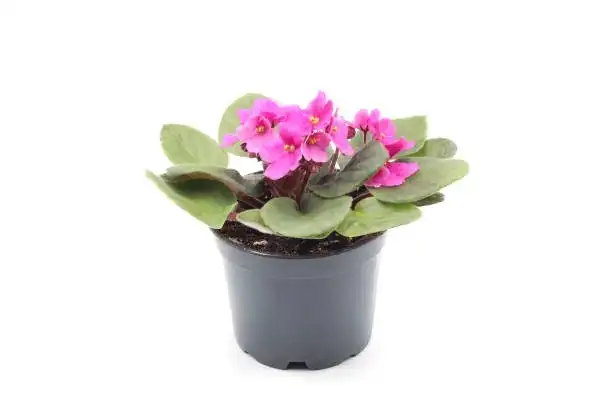
If your winter feels gray, a Belgian Azalea is basically a pocket-sized sunrise. Those glossy leaves, those plump buds ready to burst—irresistible. But florist azaleas are particular. Choose well at the shop, and then give them a calm, cool first week at home so they don’t crash from shock. Here’s your fast, foolproof shopper’s cheat sheet plus a no-drama, first-week care plan.
Meet the plant in your cart
- Botanical identity: Rhododendron Simsii Group—florist azalea hybrids developed in European greenhouses. In stores you’ll often see them mislabeled as Rhododendron indica.
- Family: Ericaceae (the acid-loving heath family).
- Habit: Compact, bushy, evergreen shrub for pots, commonly 30–60 cm tall and wide (12–24 in). Most gift plants are 30–40 cm.
- Color range: Dense clusters of funnel-shaped blooms in pinks, reds, whites, and bicolors (single to ruffled).
The 90-second in-store checklist (buying like a pro)
Go for “tight show” now, “bigger show” later.
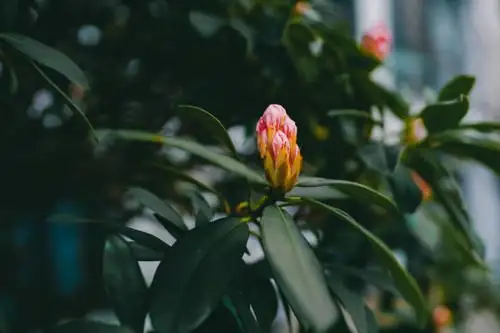
- Shape and branching
- Choose a compact, symmetrical, well-branched plant with thick, sturdy shoots.
- Leaves (flip a few!)
- Glossy, deep green; no yellow speckling, webbing, sticky residue, spots, or ragged edges. Avoid any sign of spider mites (fine webbing, stippling) or scale (bumps, honeydew/sooty mold).
- Buds and blooms
- Aim for many plump buds with about 20% just starting to open. Skip plants with browned flowers, limp buds, or lots of bud drop in the sleeve.
- Pot and roots
- Pot feels nicely heavy after watering at the shop (not bone-dry, not sloshing). Drainage holes are a must. No sour smell.
- Temperature and transport
- Protect from cold blasts on the way home; keep above 10°C/50°F. Don’t leave it in a hot car either.
Your first-week, no-shock care plan
Treat week one like jet-lag recovery: calm, cool, bright, and consistent.
Day 0: Unpack and settle
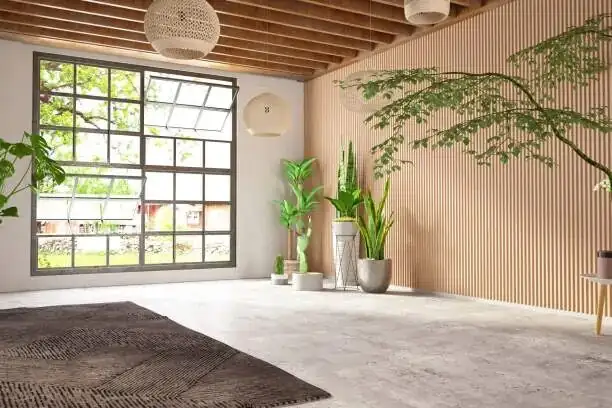
- Remove decorative sleeves/foil so drainage holes aren’t blocked.
- Place immediately in bright light with gentle sun—an east-facing window is ideal. A bright south window can work if you diffuse harsh midday sun.
- Keep the room cool-to-mild: 12–22°C (mid-50s to low 70s °F). Absolutely avoid heater vents and hot, dry drafts.
- Humidity: Aim for 50%+. Set the pot on a pebble tray with water below the pot’s base (not wicking into the mix).
First watering (same day)
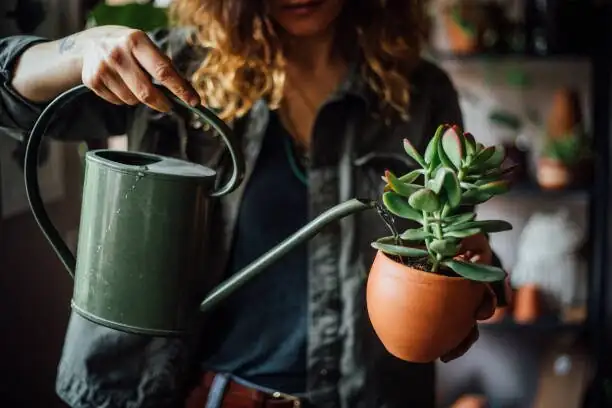
- Check moisture with your finger. If the top 1–2 cm (0.4–0.8 in) is dry, water thoroughly with soft, low-lime water (rain, filtered, or tap that isn’t too hard), until excess drains out. Never let it sit in runoff.
- Goal: consistently moist, never soggy. Do not let the rootball go bone-dry.
Days 1–3: Steady as she goes
- Light: keep bright, no harsh midday beams.
- Air: gentle airflow, not a cold draft.
- Watering: small top-ups are fine if the surface starts to dry; avoid big swings between drenched and parched.
Days 4–7: Lock in the rhythm
- Water as the top centimeter dries—thoroughly, then drain. In winter rooms, many plants need roughly weekly watering, but smaller, more frequent sips can work better during flowering. Always adjust to your room’s dryness and pot size.
- No fertilizer this week. Feeding waits until active growth resumes after flowering.
- Don’t repot during bloom; roots are fine and brittle. If you need a prettier cover, slip the nursery pot into a cachepot with space for drainage.
Pro tip: Keep it away from ripening fruit—the ethylene gas can trigger bud and flower drop.
After week one: simple rules for a long bloom
- Light: Bright light with morning sun is perfect. Outdoors in mild spells, give bright shade or morning sun only.
- Temperature: Best performance in the cool range—roughly 12–25°C (54–77°F). Growth slows near 5–10°C (41–50°F) and stress spikes above 30°C (86°F).
- Humidity: 50%+ extends bloom life and reduces bud drop. In hot, dry spells, lightly mist early evening—but avoid leaving foliage wet overnight in a cool room.
- Watering: Keep evenly moist. Drain thoroughly; never stand the pot in water.
- Feeding: After flowering and during active growth, feed every 2 weeks with a dilute azalea/rhododendron fertilizer. If leaves yellow in spite of good moisture and light, hard water may be locking up iron—use chelated iron or an appropriate iron supplement per label directions.
- Pruning: Deadhead spent flowers. Lightly pinch or prune after bloom to keep the plant dense and rounded; remove leggy or crowded shoots to boost airflow.
- Repotting: In spring or right after flowering, refresh into a loose, acidic, well-aerated mix (peat/leaf mold base with perlite or coarse sand). Step up only if rootbound; handle gently.
The mix it loves
- Soil: Fertile, acidic, and free-draining (ericaceous). Think peat/leaf mold with added perlite. Excellent drainage is non-negotiable.
Troubleshooting at a glance
- Sudden leaf drop, tired look
- Likely hot, dry air (often with spider mites). Move to a cooler, brighter spot with airflow, raise humidity, keep moisture even. Treat mites early with insecticidal soap or horticultural oil.
- Buds fail to open or drop
- Stress from warmth, low light, dry air, or watering swings. Shift to bright, cool, airy conditions and keep moisture steady.
- Flowers fading too fast
- Room too warm or too dry; or plant is near a heater/AC vent. Cool it down and boost humidity.
- Leaves yellowing with green veins
- Potential iron unavailability from alkaline water/soil. Use azalea fertilizer and consider chelated iron; avoid hard, limey water.
Can it live outdoors?
- Treat florist azaleas as container plants unless you know your exact cultivar is landscape-hardy. Many are frost-tender; freezing can damage or kill them. In mild climates, some may cope outdoors roughly in USDA Zones 8–11 (often cited 8–10), but caution is warranted—protect from frost and extreme heat.
Bloom timing and reblooming
- Prime season: winter to spring indoors.
- With excellent conditions (cool, bright, even moisture), some plants may rebloom more than once a year. Keep temperatures cool and light bright, and avoid stress to encourage bud set.
Pests and diseases to watch
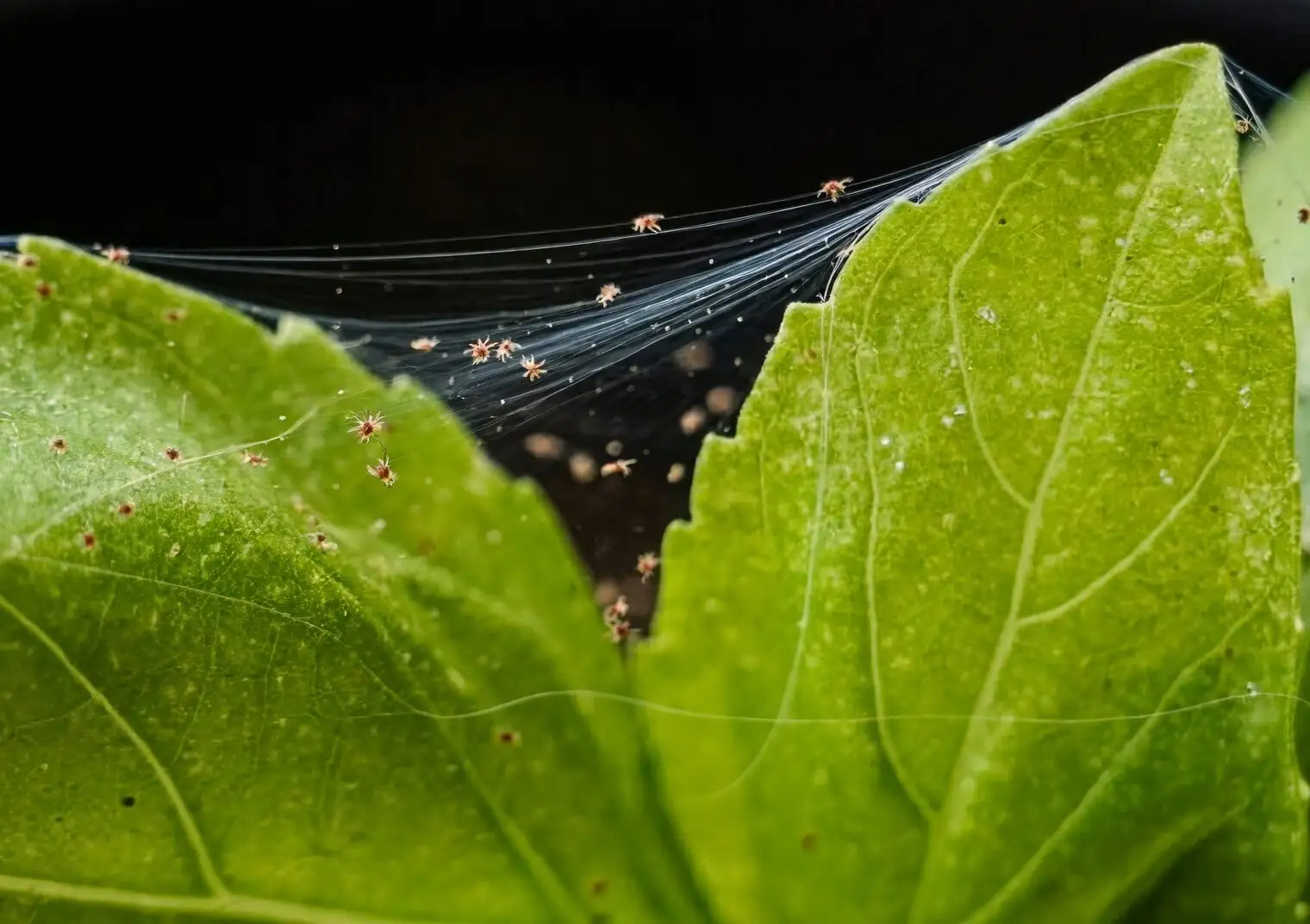
- Usual suspects: spider mites and scale, especially in hot, dry rooms. Signs include stippled leaves, webbing, sticky residue, and sooty mold.
- Strategy: Improve airflow and humidity, avoid wet leaves late in the day, remove badly affected foliage, and treat early with insecticidal soap or horticultural oil. For persistent leaf spot, use an appropriate fungicide as locally labeled.
Safety check
- Toxic if eaten (contains grayanotoxins). Keep away from curious pets and children.
Why Belgian Azalea makes a fantastic gift
- Compact, evergreen polish with a festive burst of color just when windows are gray.
- Pairs beautifully with other winter bloomers; mixing pink, red, white, and bicolors creates a lush, layered display.
- With cool temps and steady moisture, the show goes on and on.
Flower language (and what it really means)
Gifting traditions around azaleas link them with tender affection, elegance, and a gentle “take care of yourself.” These meanings grew from European and East Asian floral culture rather than botany—azaleas were winter-into-spring harbingers of warmth and care, making them popular for visits, celebrations, and convalescence. Consider the message a cultural ribbon, not a scientific label: you’re giving brightness, calm, and thoughtful attention in plant form.
Quick recap: the Shopper’s Cheat Sheet
- Pick this:
- Symmetrical, densely branched shape
- Glossy, pest-free leaves (check undersides)
- Many plump buds with ~20% just opening
- Pot with good drainage; no sour smell
- First week at home:
- Bright light with gentle sun; cool room (12–22°C)
- Humidity 50%+; pebble tray
- Water thoroughly when the top 1–2 cm dries; drain fully
- No fertilizer, no repotting, no heater vents, no ripening fruit
- Keep above 10°C during transport and placement
Do these few things right, and your Rhododendron Simsii Group—Belgian Azalea—will reward you with a long, luminous bloom season and fresh growth that’s ready for a repeat performance.