

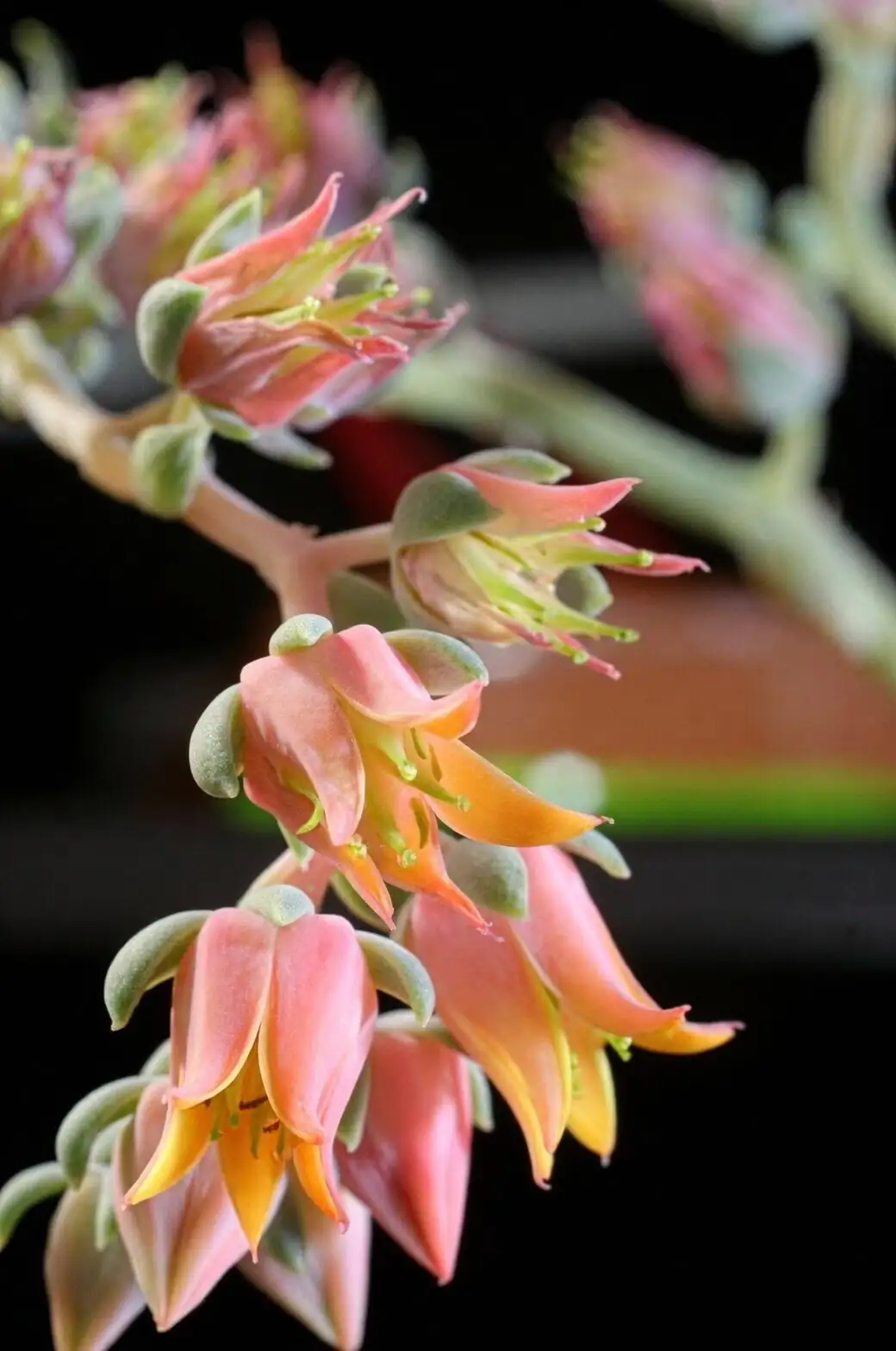
When sunlight pours over a Red Taurus Echeveria, it’s like a claret goblet catching fire—waxy burgundy leaves turn velvet-dark, and in summer, candy-bright red-and-yellow flowers lift on tall stalks like little lanterns. This plant is both a sculptural subject and a faithful collaborator for photographers: grow it right, and it will hand you color, geometry, and drama on a silver platter. Below, you’ll learn how to coax peak color, master backlighting those bicolored blooms, tame glare on shiny leaves, and use macro habits that double as early pest detection.
Meet Echeveria ‘Red Taurus’ (aka “Red Taurus” Echeveria)
- Identity: Echeveria ‘Red Taurus’ (Crassulaceae), a modern horticultural cultivar.
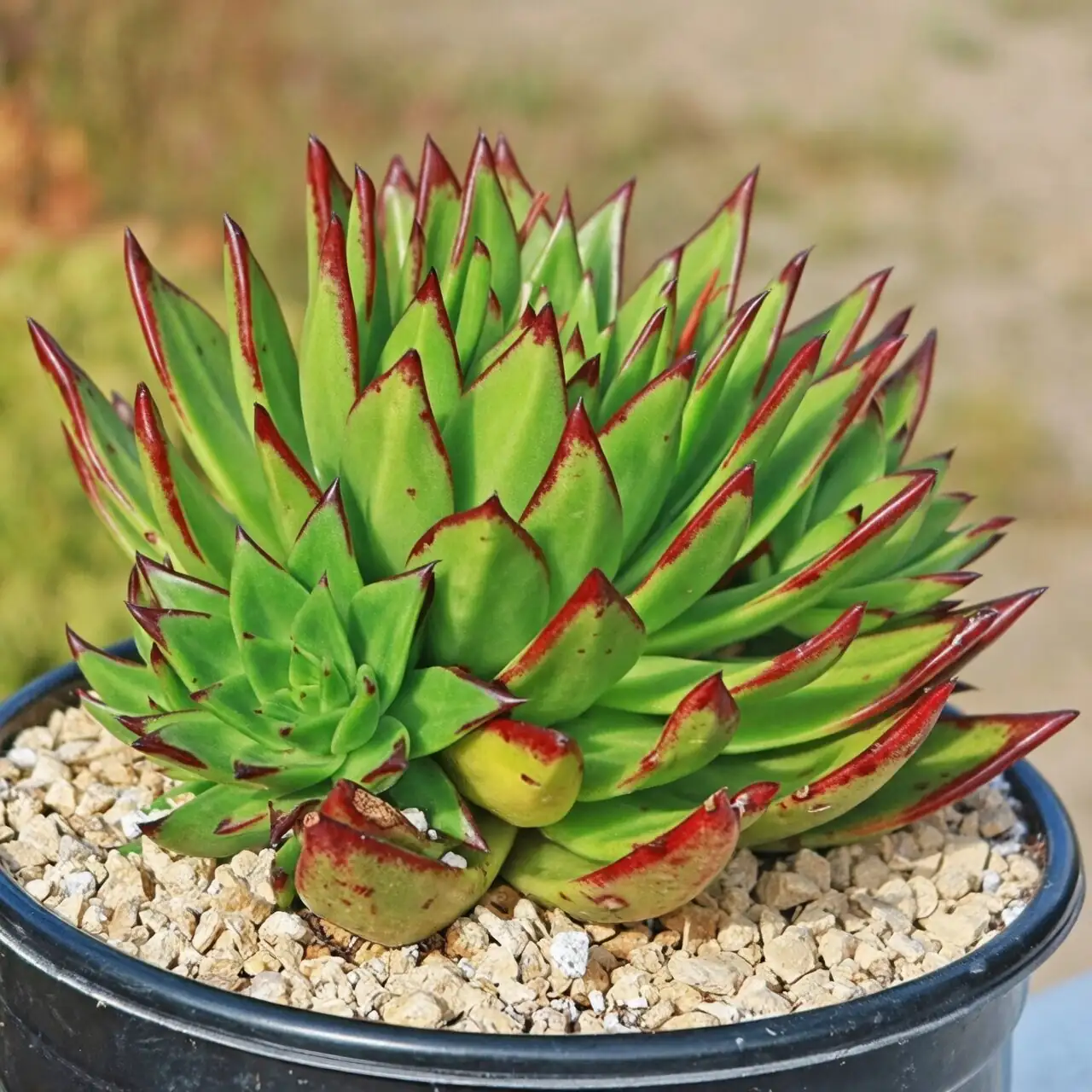
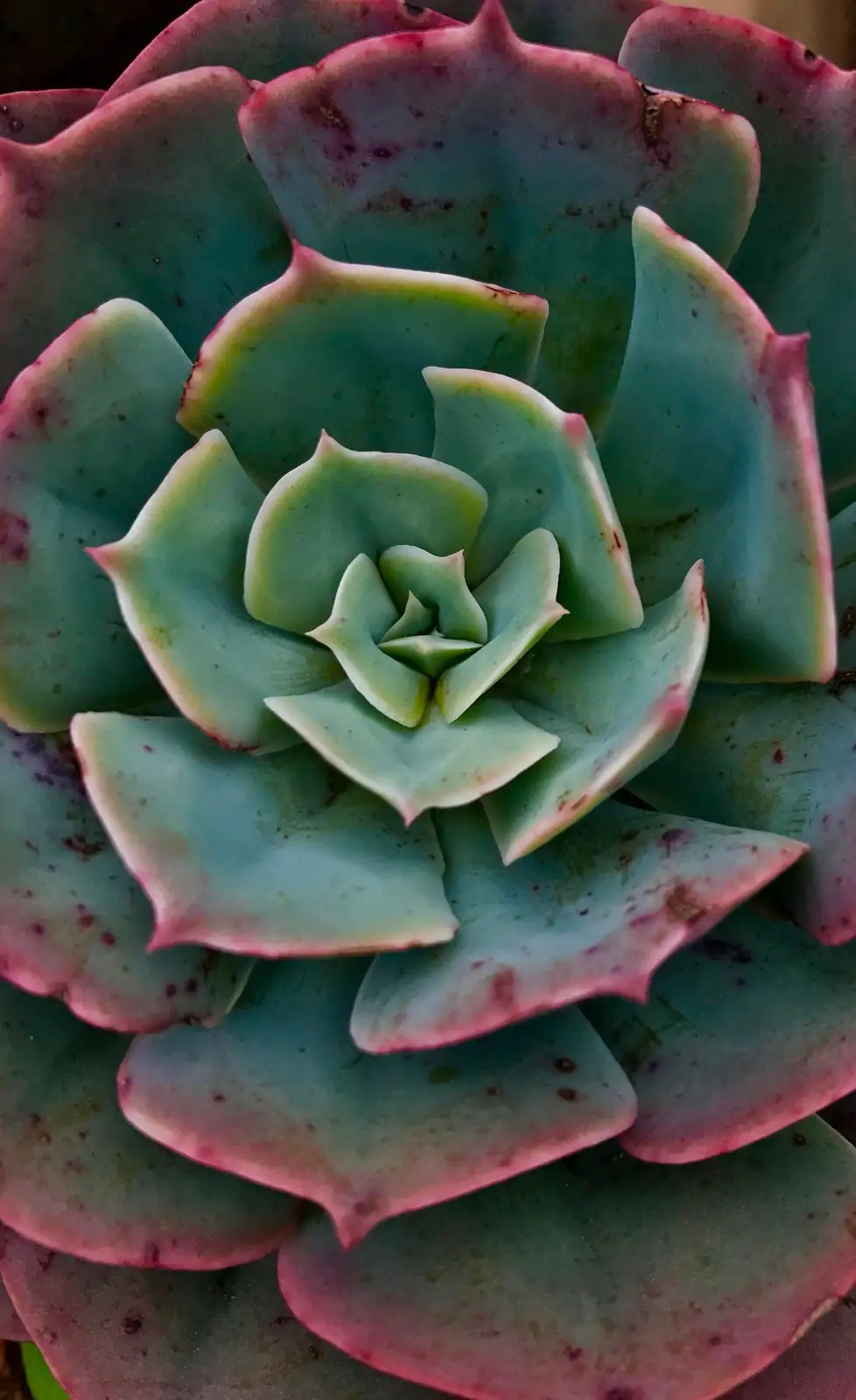
- Look: Tight, symmetrical rosettes in deep wine-red to burgundy. With strong light, the color holds; with time, it offsets into handsome clumps.
- Summer show: Upright flower stalks (about 20–40 cm/8–16 in) carry bicolored blooms—red with yellow tones—suspended above the rosettes.
- Size: Rosettes about 8–15 cm (3–6 in) wide; plant height typically 10–20 cm (4–8 in) before the flower stalks rise.
Light is your color engine
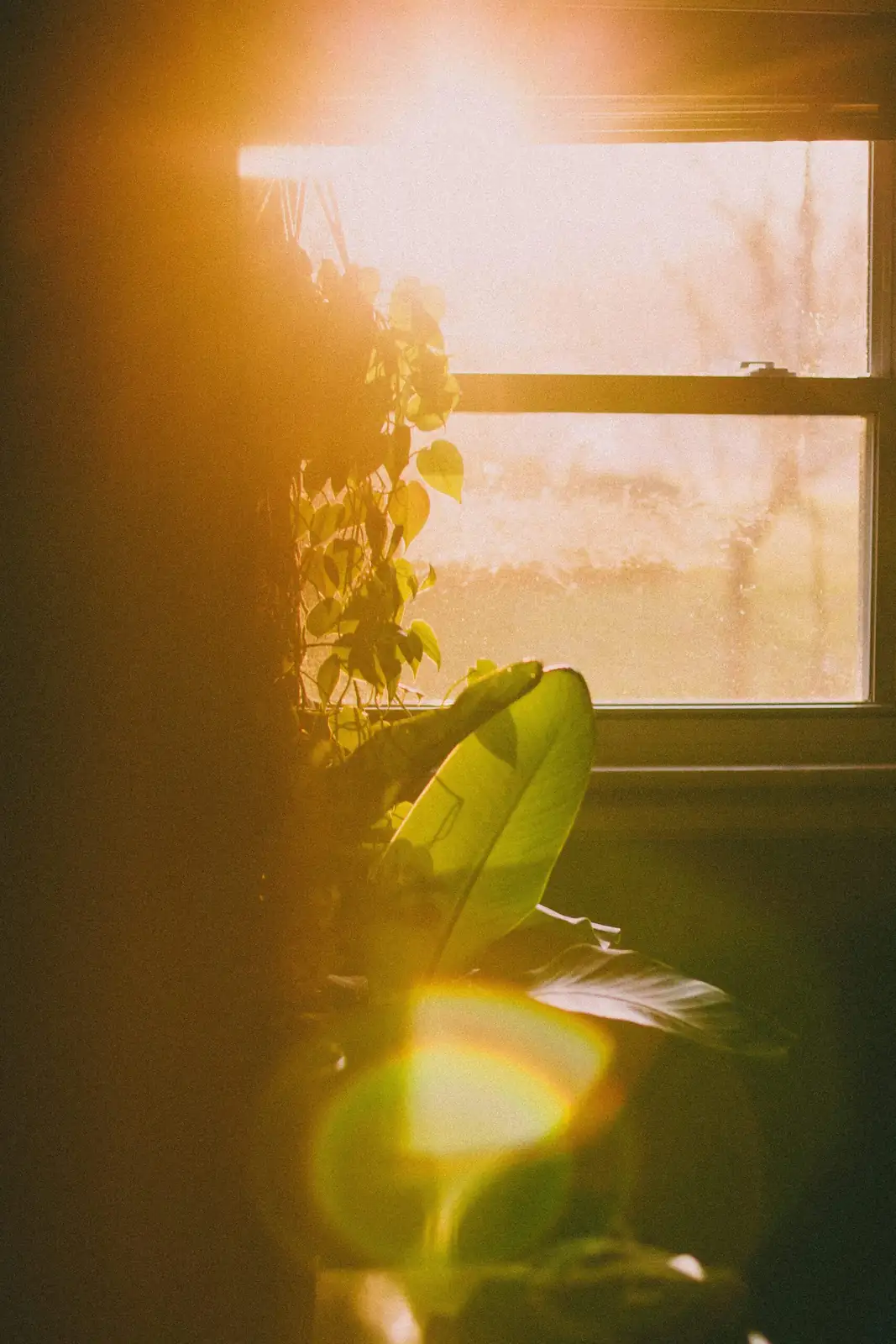
The richest burgundy foliage and that tight, photogenic symmetry come from abundant light—think 4–6+ hours of direct sun. In very hot climates, give light afternoon shade to prevent scorching. Color often deepens further with bright light and cooler nights.
Grow for color: a quick creative-care cheat sheet
- Sunlight
- Aim: Bright light to full sun.
- In heatwaves: Filter the afternoon sun (a sheer curtain, shade cloth, or dappled shade).
- Temperature: Best at 15–27°C (59–81°F). Protect from frost; keep above 0–5°C (32–41°F).
- Soil: Very fast-draining cactus/succulent mix. Boost with mineral grit (pumice or perlite).
- Watering: Soak thoroughly, then let the mix dry out completely before watering again.
- Spring–summer: roughly every 7–14 days, depending on your conditions.
- Winter: every 3–4 weeks (or less), just enough to prevent shriveling.
- Always water at the soil line; don’t let water sit in the rosette.
- Air: Low to moderate humidity with good airflow; avoid long damp spells around the crown.
- Hardiness: Best outdoors year-round only in USDA Zones ~10–11.
Pro note for photographers: A compact, well-lit rosette photographs better—fewer stretched leaves, more graphic spirals, and richer tonal range in the reds.
The pro photo playbook
Backlighting those red-and-yellow blooms
The tall stalks are made for stage lighting. Backlighting turns the bicolored petals into glowing candy glass while keeping the rosette moody and sculptural.
- Timing
- Golden hour (shortly after sunrise or before sunset) gives a warm rim glow without frying highlights.
- On bright days, a handheld diffuser (white scrim or sheer fabric) softens the sun to prevent blown petals.
- Positioning
- Place the sun behind the flowers, just out of frame, and tilt slightly to catch a clean rim of light.
- Use a small reflector (white foam board) low and in front to bounce soft light back into the rosette, lifting shadows without flattening the look.
- Metering and exposure
- Spot-meter the petal highlights and protect them. Dial in a touch of negative exposure compensation (around –0.3 to –1 EV) to keep the glowing edges from clipping.
- Watch your histogram—pull back if the right edge is slamming the wall.
- Background control
- Keep it simple: distance your subject from the background and use a wide aperture (f/2.8–f/4) to blur distractions.
- If shooting outdoors, a piece of matte black card behind the stalks turns glow into drama; neutral linen or stone props create a soft, natural aesthetic.
- Stillness in a breeze
- Those elegant stalks sway. Use a windbreak (your body, a board, or shrubs), a plant clamp, or a faster shutter speed.
- Bracket a short burst of frames to beat micro-movements.
Creative variant: Try cross-lighting—let the sun skim the petals from behind-left, and use a small reflector from front-right. This sculpts both bloom and rosette with a three-dimensional feel.
Taming harsh sun on waxy burgundy leaves
Burgundy, waxy leaves are spectacular—and reflective. Midday sun can leave hard specular hotspots that cameras exaggerate. Your job is to manage sheen, not erase it.
- Diffuse, don’t dull
- A 1–2 stop diffusion scrim above the plant turns pointy glare into velvety sheen.
- Shift to open shade or shoot during golden hour for long, flattering gradients.
- Angle matters
- Move your camera and rotate the pot slightly to relocate or minimize hotspots. Tiny angle tweaks can transform harsh glare into a soft highlight line that defines form.
- Reflector finesse
- Use a white reflector to open shadows on the undersides of leaves; avoid silver in midday—it can punch more glare.
- Polarizer, carefully
- A circular polarizer can reduce surface reflections on waxy leaves, but it may also mute color depth. Toggle it while watching your live histogram to find a sweet spot (often partial polarization is best).
- Exposure discipline
- Expose for the brightest highlight you want to keep. Consider –0.3 to –0.7 EV in hard light and bring up midtones in post.
- Texture check
- If you see blown hotspots, step back, stop down slightly (f/4–f/5.6), or move your light angle; you want to preserve those faint vein shadows and leaf margins.
Macro habits that double as early pest detection
Macro is more than art—it’s a diagnostic superpower. Build a quick health scan into your shoot ritual.
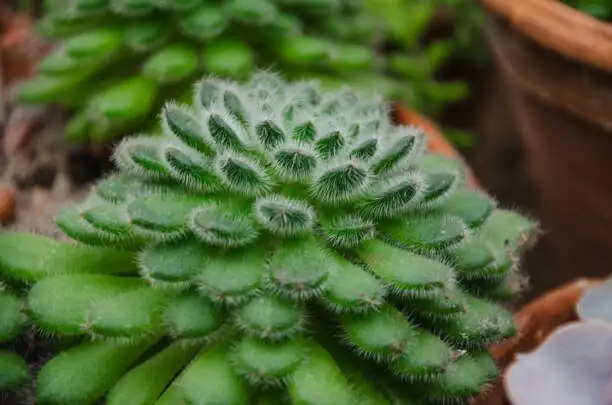
- Where to look (with a macro lens or phone macro attachment)
- Leaf axils and the crown: cottony tufts = mealybugs.
- Flower stalks and buds: clusters of soft-bodied insects = aphids.
- Undersides of leaves, especially near webby specks in hot, dry spells = spider mites.
- Soil line and lower leaves: translucent, soft tissue or a sour smell = potential rot from overwatering.
- What to notice
- Sticky sheen (honeydew) or sooty mold on surfaces.
- Minute stippling or pale pinpricks on leaves (mite feeding).
- Tiny white “grains” moving slowly in leaf creases (mealy crawlers).
- Fast fixes (treat in shade, then return to display)
- Mealybugs: Dab with isopropyl alcohol (on a swab), or use insecticidal soap. Repeat weekly until clear.
- Aphids on blooms: Insecticidal soap, followed by a gentle rinse at the soil line to avoid wetting the crown.
- Spider mites: Improve airflow, rinse dust from leaves, treat with insecticidal soap; keep humidity moderate, not stagnant.
- Prevention that macro supports
- Remove dried lower leaves (pests hide there).
- Keep a gritty, free-draining mix and water only when dry to avoid rot-prone damp pockets.
- Maintain strong airflow around rosettes and flower stalks.
Tip: Keep a small rocket blower in your kit. A quick puff dislodges dust (which dulls color) and can reveal fine webbing you’d otherwise miss.
Shoot-day prep and styling
- Grooming
- Gently pluck dried lower leaves and snip spent flower stalks.
- Dust the rosette with a soft brush or blower; oils/fingerprints read loudly on camera, so handle by the pot, not the leaves.
- Pot and surface
- Terracotta complements burgundy tones and helps the soil dry between shots and care days.
- Top-dress with neutral grit for a clean, graphic base.
- Placement
- For windowsill sessions, use bright indirect light with a reflector. For outdoor sessions, aim for open shade or diffused sun.
- Anchor tall stalks with discreet supports if wind is up.
Care quick-reference for photographers
Keeping your model in peak shape makes every frame easier.
- Watering: Thorough soak, then let the potting mix dry completely. Spring–summer every 7–14 days; winter every 3–4 weeks (or less).
- Feeding: Lightly in spring–summer with a diluted cactus/succulent fertilizer (1/4–1/2 strength) every 4–6 weeks. Skip winter.
- Repotting: Every 1–2 years in spring, into fast-draining mix and a pot with drainage. Terracotta helps.
- Propagation: Offsets are simplest—separate, let callus 2–5 days, then root in a gritty mix. Leaf cuttings also work.
- Placement: Sunny windowsill, bright balcony, greenhouse, or patio in warm seasons. Bring indoors before cold.
- Safety: Generally non-toxic to people and pets, though nibbling can upset tummies. Keep away from curious chewers.
- Common issues: Mealybugs in leaf axils; aphids on flower stalks; spider mites in hot, dry spells; rot from overwatering. Treat with insecticidal soap or isopropyl alcohol swabs and improve airflow.
FAQs for capturing—and keeping—color
- Why are my leaves turning green instead of deep red?
- The plant needs stronger light. Increase sun exposure gradually to avoid sunburn; bright light and cooler nights deepen color.
- Why is my rosette stretching tall and opening up?
- Etiolation. Add more light (outdoors with morning sun, or quality grow lights indoors). You can behead and re-root to restore a compact form.
- The center looks mushy—what happened?
- Likely water trapped in the crown or soil that stayed wet too long. Water at the soil line, use a gritty mix, and let the pot dry fully between waterings.
Symbolism, history, and fun bits
- Symbolism: Echeverias often symbolize endurance and self-reliance—living architecture that thrives on restraint, not fuss.
- A note on “flower language”: While modern “花语” attributions are romantic, they’re more cultural poetry than botany. With Echeveria, the meaning leans into resilience—surviving drought, shining under stress, and rewarding patience with color.
- History: ‘Red Taurus’ is a modern horticultural selection; specific parentage isn’t widely published, but its performance in bright light made it a fast favorite among collectors and photographers.
- Fun facts
- Strong light and cooler nights can intensify red and purple tones.
- Tall flower stalks lift blooms above the rosette to better “advertise” to pollinators—and to your lens.
Final creative nudge
Think of Echeveria ‘Red Taurus’ as a studio pro: give it a crisp lighting plan, a fast-drying set, and a calm breeze, and it will deliver texture, geometry, and saturated wine-reds all day. Backlight the bicolored blooms for a stained-glass glow, tame leaf glare with gentle diffusion, and let your macro ritual keep the talent pest-free and picture-perfect. When plant care and photo craft dance together, every frame becomes a little piece of living sculpture.