

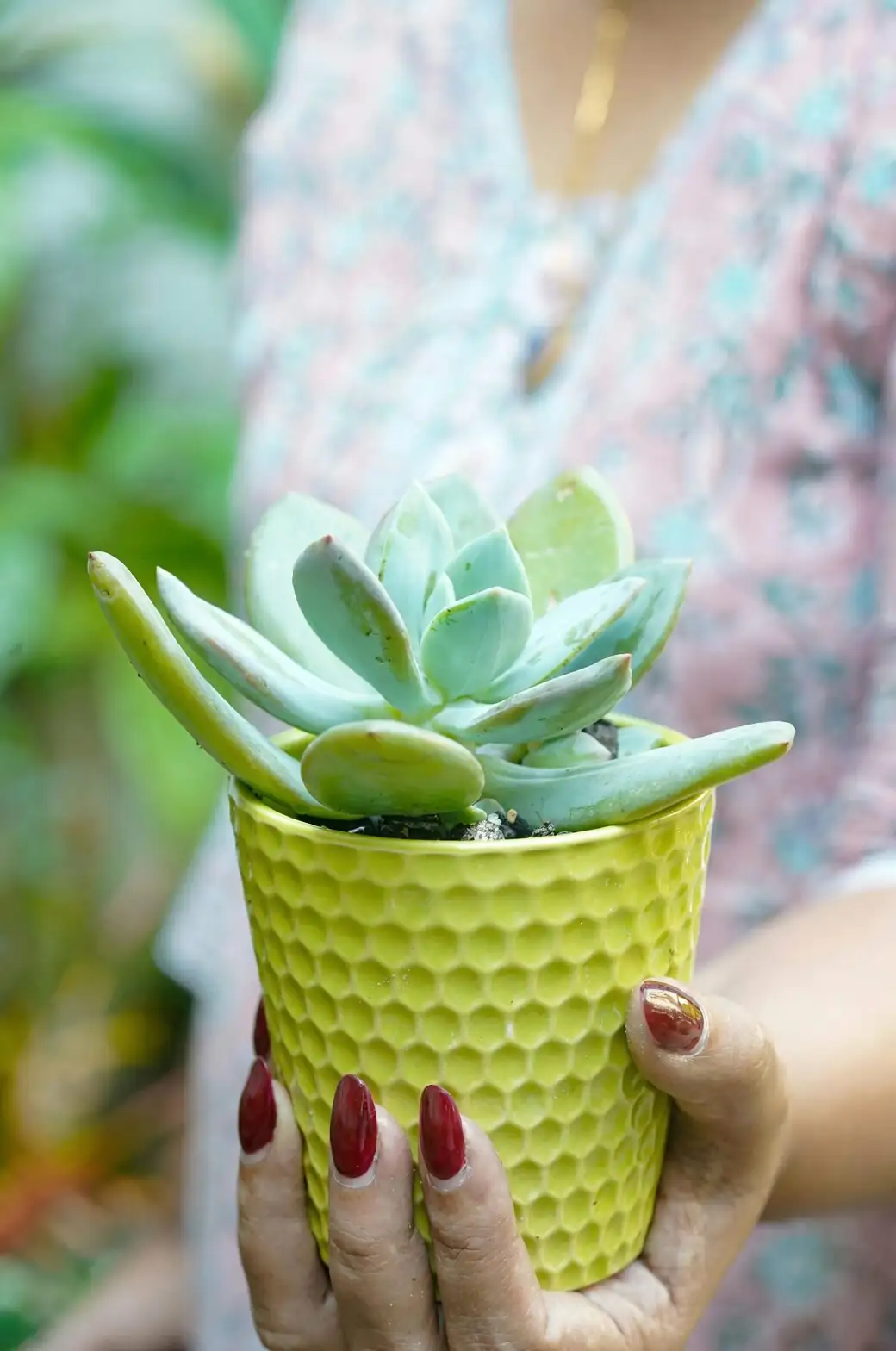
If you’ve ever tried to photograph Echeveria elegans (Mexican snowball) and wondered why the “frost” looks flat or, worse, why a single touch left a shiny fingerprint—welcome to the farina club. That dreamy, chalky coating is a natural wax that gives this rosette its powder-blue grace. Your mission: capture the glow, the symmetry, and the serenity—without rubbing off the very thing you’re celebrating. Here’s how.
Know your star (so your photos sing)
- Powdery look = farina. It’s a protective, matte wax that scatters light beautifully—and it’s easily marred. Don’t touch the leaves if you can help it.
- Sculptural symmetry. Rosettes are typically 8–15 cm wide, tight and lotus-like when grown in bright light. Low light flattens and stretches the plant; photos look less crisp.
- Light needs. Aim for bright light to full sun (about 4–6+ hours). In very hot climates, give light afternoon shade; scorching midday sun can be too harsh for both plant and photo.
- Bonus blooms. In spring to summer, slender stalks with pink/red bells (yellow inside) add a dash of color—great for backlit shots.
Light that flatters the farina
The wax reads best in soft, directional light. Think of farina as a velvet dress: it glows when light skims across it; it glares when blasted head-on.
Diffusion hacks for dreamy matte
- Indoors:
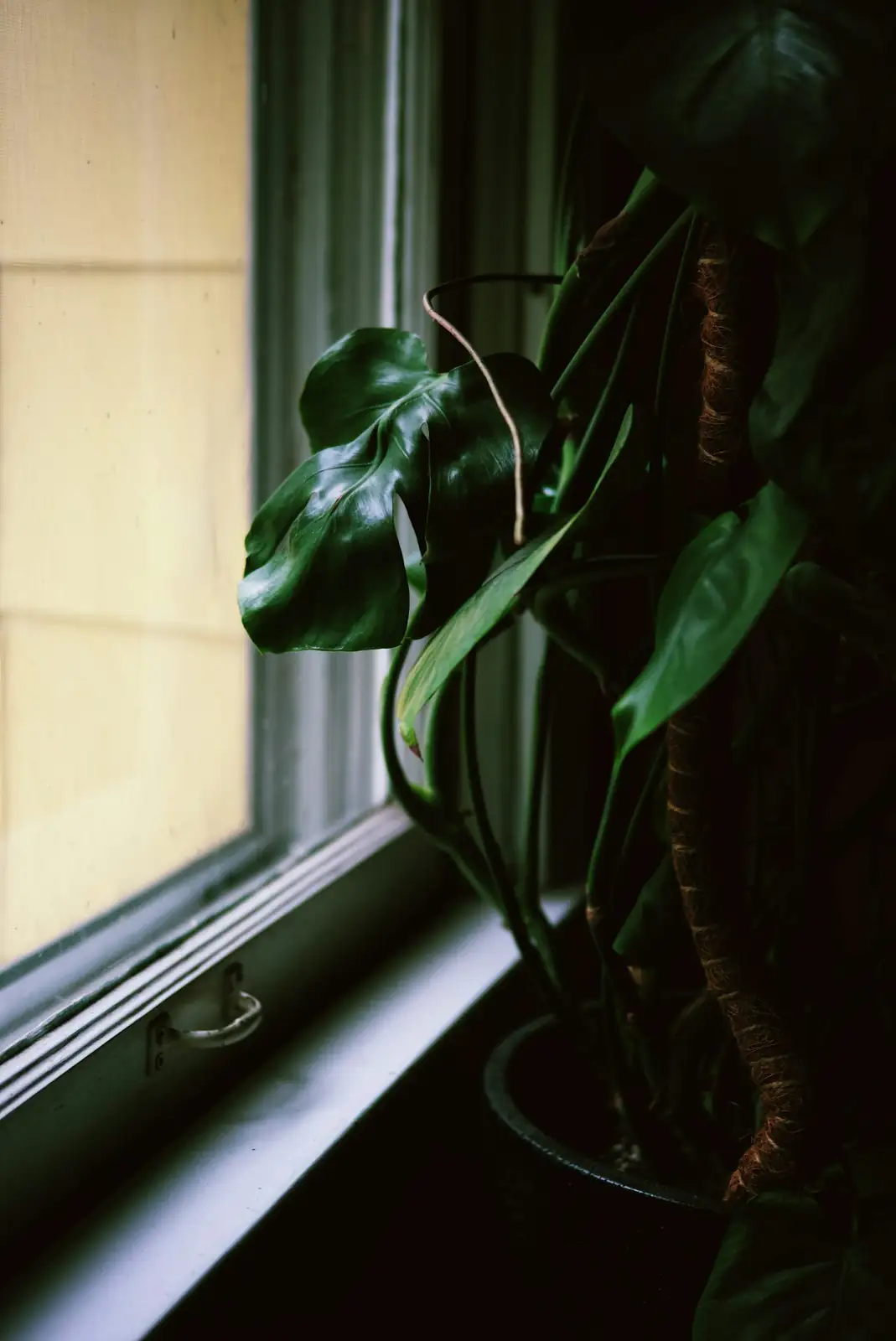
- East or south window + sheer curtain = instant softbox. A cheap, foolproof setup for that powdery glow.
- DIY diffusers: white shower curtain, baking parchment, tracing paper, or a translucent cutting board between the light and plant.
- Bounce light: prop a white foam board opposite the window to fill shadows and keep the rosette luminous.
- Outdoors:
- Overcast = perfect. If it’s sunny, move to open shade or the edge of shade and diffuse with a collapsible scrim.
- Add shape with side/backlight. A small reflector (white or silver) restores detail in the core of the rosette without killing the soft bloom.
- Control contrast: use a black card as negative fill to deepen shadows and pop the powder.
Pro tip: Avoid front-on midday sun. Side or backlight shows texture; diffusion saves your highlights.
Phone-friendly exposure tricks
- Tap-to-focus on the rosette center, then drag exposure slightly down to keep whites from clipping.
- Lock focus/exposure to prevent the camera from chasing brightness as you reframe.
- Shoot RAW/Pro mode if available; it preserves subtle blue-gray tones farina is famous for.
Angles that showcase symmetry
Echeveria elegans is a geometry lesson you can frame a dozen ways. Move around it—don’t just stand and shoot.
Top-down for the perfect mandala
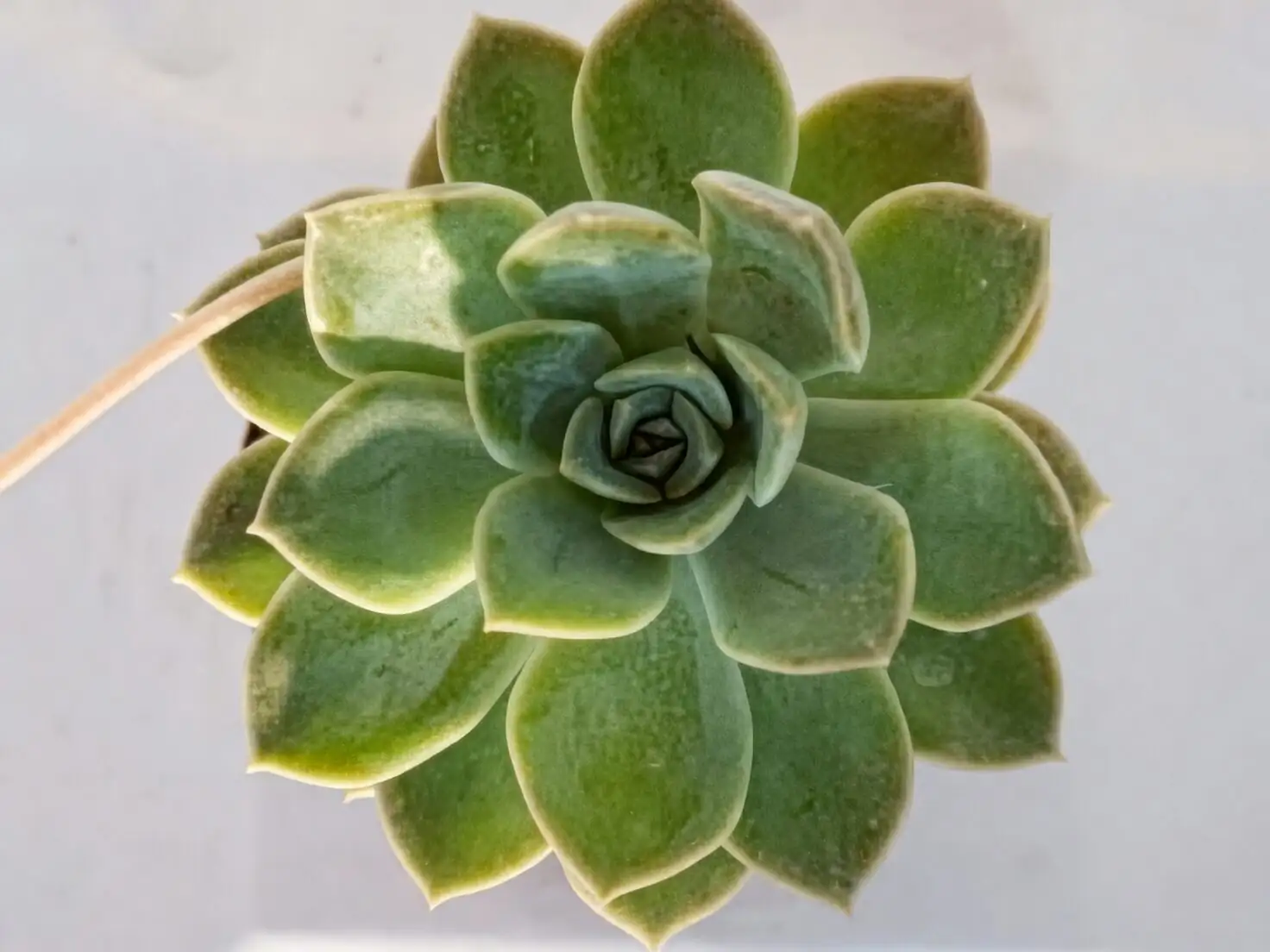
- Place the pot on a stool or floor and stand over it; use gridlines to center the growth point.
- Keep the camera perfectly level. A small bubble level or your phone’s built-in level helps.
- Aperture and sharpness: start at f/5.6–f/8 (or your phone’s “macro”/“portrait” mode). For pin-sharp edge-to-edge detail, try focus stacking (multiple shots focused from center to rim, then blend).
The 45° “hero” angle
- A slight tilt toward the plant keeps the core sharp and gives depth to spiraling leaves.
- Side lighting from the higher side sculpts the powder without hotspots.
Profile with poise
- A lower angle emphasizes the thickness and curvature of leaves—great for showing that plump, powdery edge highlight.
Lens notes:
- Macro primes (90–105mm) are ideal. A 70–200mm at its long end compresses the rosette for a tight, graphic look.
- Tripod = consistent framing and easier stacking; handheld is fine in bright light with faster shutter speeds.
Backgrounds and styling that make the powder pop
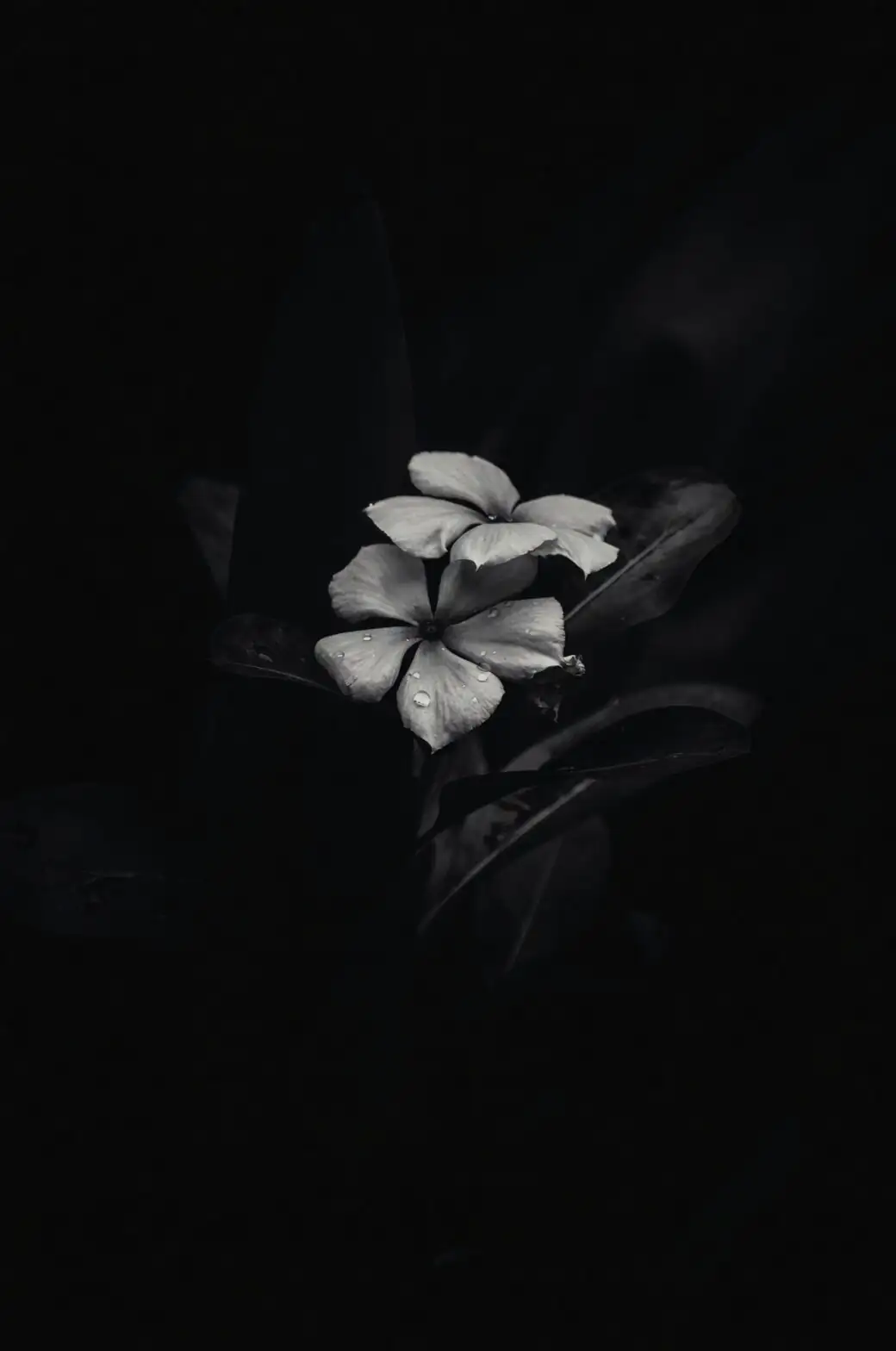
- Go matte. Charcoal, slate, or deep navy backgrounds amplify the icy-blue farina. Avoid glossy backdrops that reflect.
- Keep it simple. A plain terracotta pot warms the palette without stealing the show. Minimal top dressing (fine gravel) keeps attention on the rosette.
- Add air, not clutter. Negative space frames the symmetry; busy props break the trance.
Handle with care: protect that finish
Treat farina like fresh snowfall—one touch and it’s gone.
- Don’t touch the leaves. Handle by the pot rim or gently at the very base of the rosette if absolutely necessary.
- No brushing, no wiping. To remove lint or dust, use a hand air blower (like for camera sensors). A brush will streak the wax.
- Keep water off the rosette. Water marks can scar the finish—and sitting water risks rot. Water the soil only, then let it dry completely before the next soak.
- Moving and styling:
- Use two hands on the pot, not on leaves.
- To pivot the plant for angles, rotate the pot, not the rosette.
- If repotting for a shoot, support under the stem base; avoid leaf contact.
- Pests before pictures:
- Mealybugs love leaf axils. If you must spot-treat, use a minimal isopropyl swab at the base only, knowing it may mar nearby farina. Or change angles and crop strategically.
Transport tip: A clear deli cup or plastic dome placed over the plant (not touching leaves) protects the farina en route without smearing it.
Quick lighting recipes you can copy today
1) Window-light powder portrait (10 minutes)
- Setup: South window + sheer curtain, black foam board behind the plant, white reflector opposite window.
- Angle: 45° to the window.
- Settings: ISO 100–200, f/5.6–f/8, adjust shutter for exposure. Phone: lock focus on center, dial exposure down a notch.
- Result: Velvet-matte rosette with gentle highlights on leaf edges.
2) Backlit glow at golden hour
- Setup: Place the plant so the low sun rims the leaves; hold a white card in front to brighten the core.
- Settings: Slight underexposure to protect rim highlights; consider spot metering on the brightest edge.
- Result: Ethereal light halo with the powder’s texture intact.
3) Flat-lay symmetry on dark matte
- Setup: Lay a matte charcoal board on the floor. Place the pot centered. Stand directly above.
- Light: Large north window + diffusion or bright overcast outdoors.
- Technique: Use a tripod/phone clamp and timer. Focus on the center; stack if you want tack-sharp edges.
- Result: A perfect spiral mandala that shows off every powdery leaf.
Troubleshooting the look
- The rosette looks loose or stretched: It needs brighter light. Give about 4–6+ hours of sun, rotate the pot for even growth, and keep soil on a soak-then-dry cycle.
- Highlights are blown out: Diffuse more, lower exposure slightly, and avoid front-on midday sun.
- Colors look off: Set a custom white balance (gray card or neutral surface) or correct in RAW. Keep saturation gentle to preserve that blue-gray calm.
- Specks you can’t dust: Use the air blower first; clone/heal gently in post as a last resort.
Bloom bonus (spring to summer)
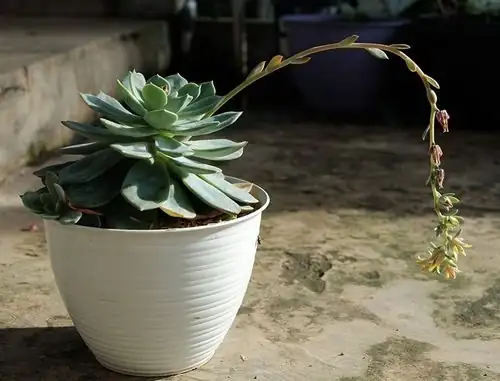
Those nodding, pink-to-coral bells with yellow interiors love side or backlight. Keep the rosette in shallow focus as a soft, powdery base, and let the stalk arcs lead the eye. If the blooms cast shadows on the rosette, soften with a small diffuser close to the plant.
Care cues that improve your photos
- Bright light keeps the rosette compact and camera-ready; in heat, offer a bit of afternoon shade.
- Fast-draining, gritty soil helps leaves stay plump and unblemished; never pour water into the rosette.
- Good airflow prevents fungal spots and keeps that matte finish pristine.
A note on meaning (for the soul of your shot)
In modern plant lore, Echeveria elegans often symbolizes resilience, enduring love, and quiet beauty—fitting for a plant that keeps its poise through dry spells and bright sun. The “powder” is more than a pretty face; it’s a survival layer. When you photograph it with soft light and a respectful touch, you’re really telling a story about strength wrapped in gentleness.
Now, cue the diffuser, find that angle where light kisses the leaf edges, and let your Mexican snowball glide across the frame like a snowflake that never melts—because you didn’t touch it.