

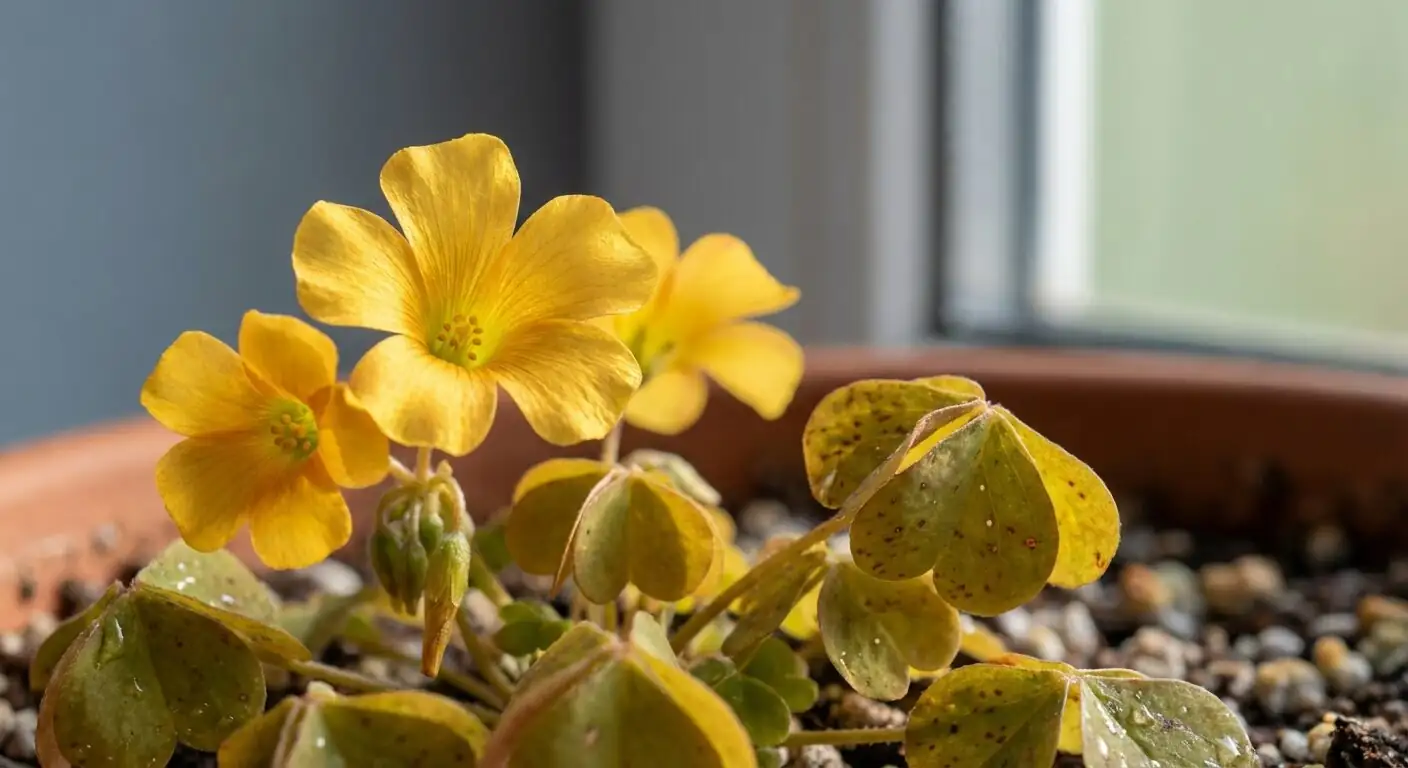
If you’ve ever grown Cape Shamrock (Oxalis pes-caprae), you know the charm: bright shamrocky leaves topped by buttery-yellow flowers that light up cool seasons. It’s a delight in pots and a crowd-pleaser outdoors where winters are mild. But if you share your home or garden with a curious cat or snack-hunting dog, you’ll want a game plan. This plant contains oxalates that can upset tummies—and in larger amounts, cause more serious issues. Here’s clear, calm guidance to keep the beauty and minimize the risk.
Meet Cape Shamrock (Oxalis pes-caprae)
Also known as Bermuda buttercup, buttercup oxalis, or soursob, this South African native is a bulb-forming perennial that:
- Grows low and clumping, about 10–30 cm (4–12 in) tall, spreading over time
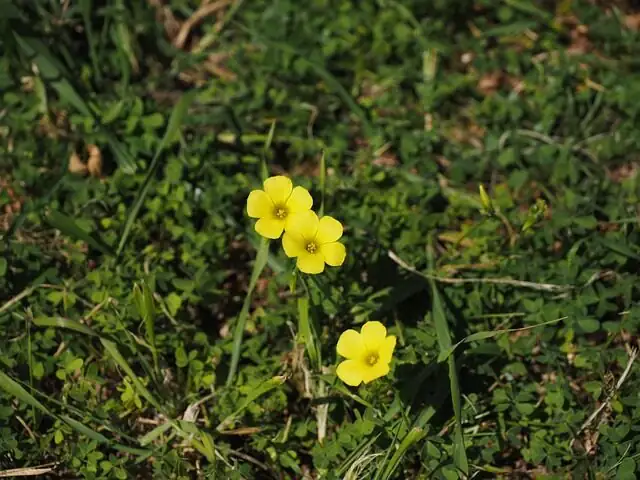
- Covers itself in soft, buttercup-yellow blooms from fall through spring
- Thrives in full sun to very bright light and excellent drainage
- Is famously vigorous—excellent in containers, but can be invasive in mild climates
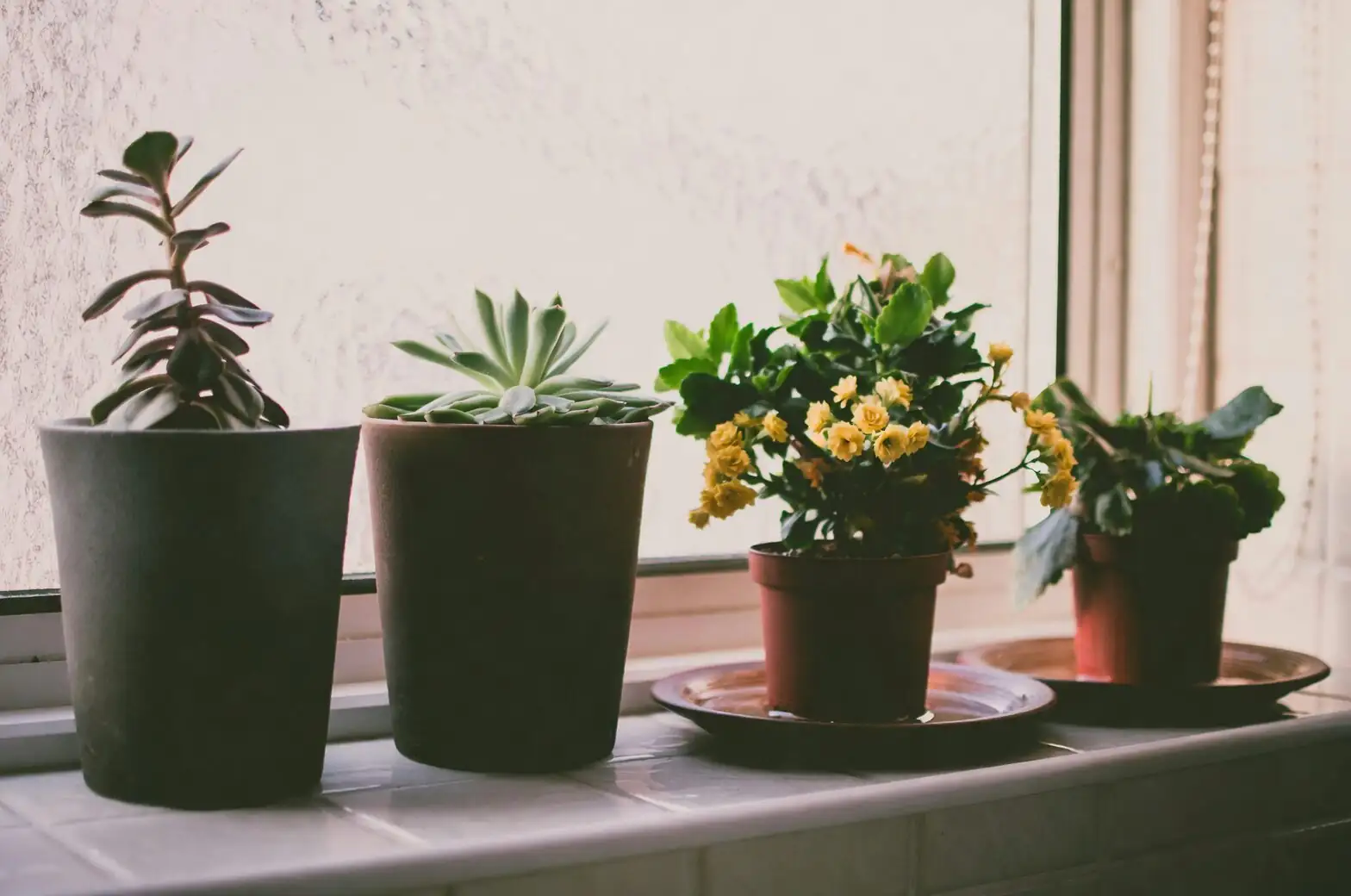
Tip: In regions where it spreads too easily, enjoy it in pots on patios, balconies, or bright windowsills with good airflow.
Why Oxalis and pets don’t mix: the oxalate story
All parts of Oxalis pes-caprae—leaves, stems, flowers, and bulbs—contain oxalates. These compounds are the “sour” in soursob. In small amounts, they most often cause mild gastrointestinal irritation. In larger or repeated ingestions, soluble oxalates can bind calcium in the body and, in severe cases, contribute to kidney stress.
- Usual scenario: A nibble leads to drooling, vomiting, or tummy upset.
- Higher-risk scenario: A determined pet eats more—especially bulbs, which are denser—and may develop more serious signs. This is uncommon but warrants prompt veterinary advice.
Good news: Most pets find oxalis sour and stop after a taste. Serious poisoning is not the norm—but swift, sensible action is still important.
What’s toxic (and why bulbs matter)
- Toxic parts: All parts; bulbs and dense leaf clusters can pack more oxalate per bite.
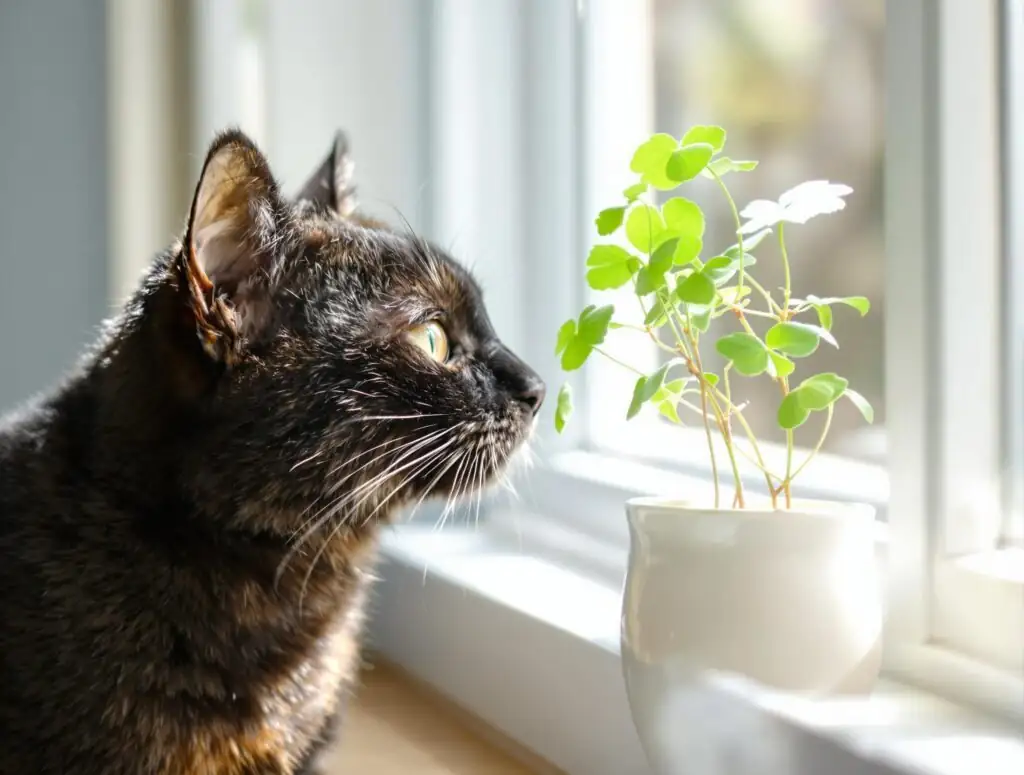
- Who’s at risk: Cats, dogs, and grazing animals. Kittens, puppies, small breeds, seniors, and pets with kidney disease are more vulnerable.
Spot the signs: symptoms in cats and dogs
Symptoms can appear within minutes to hours; kidney-related changes may take longer (often 12–24+ hours).
Early/mild signs:
- Drooling, lip-smacking, pawing at the mouth
- Nausea, vomiting, diarrhea
- Decreased appetite, mild belly discomfort
Escalating or more serious signs (seek veterinary care promptly):
- Lethargy, weakness, tremors
- Increased or decreased thirst and urination
- Bloody urine or straining to urinate
- Persistent vomiting or diarrhea
- Signs of pain or agitation
If a large amount (especially bulbs) was eaten, or if your pet is very small or has preexisting kidney issues, call your vet immediately—even if your pet seems fine at first.
First aid: what to do if your pet nibbles a leaf or bulb
- Remove access
- Take away plant parts and keep your pet from the area.
- Rinse the mouth
- Gently offer fresh water to drink. You can wipe the gums and tongue with a damp cloth to remove plant residue. Do not induce vomiting unless a veterinarian directs you to.
- Note the details
- Estimate how much and which parts were eaten (leaf vs. bulb). Snap a photo of the plant or bring a small sample.
- Call a professional
- Contact your veterinarian or a pet poison helpline for tailored advice:
- ASPCA Animal Poison Control Center (US): +1-888-426-4435
- Pet Poison Helpline (US/Canada): +1-855-764-7661
- Monitor for 24–48 hours
- Watch for repeated vomiting, diarrhea, weakness, tremors, or changes in urination. Keep your pet hydrated and avoid rich treats while the stomach settles.
What treatment might look like:
- For small exposures with mild symptoms: observation, anti-nausea meds, fluids by mouth, bland diet.
- For larger exposures or concerning signs: bloodwork and urinalysis, intravenous fluids, and supportive care. Prognosis is generally good with prompt care.
Safe placement: enjoy the plant, protect your pets
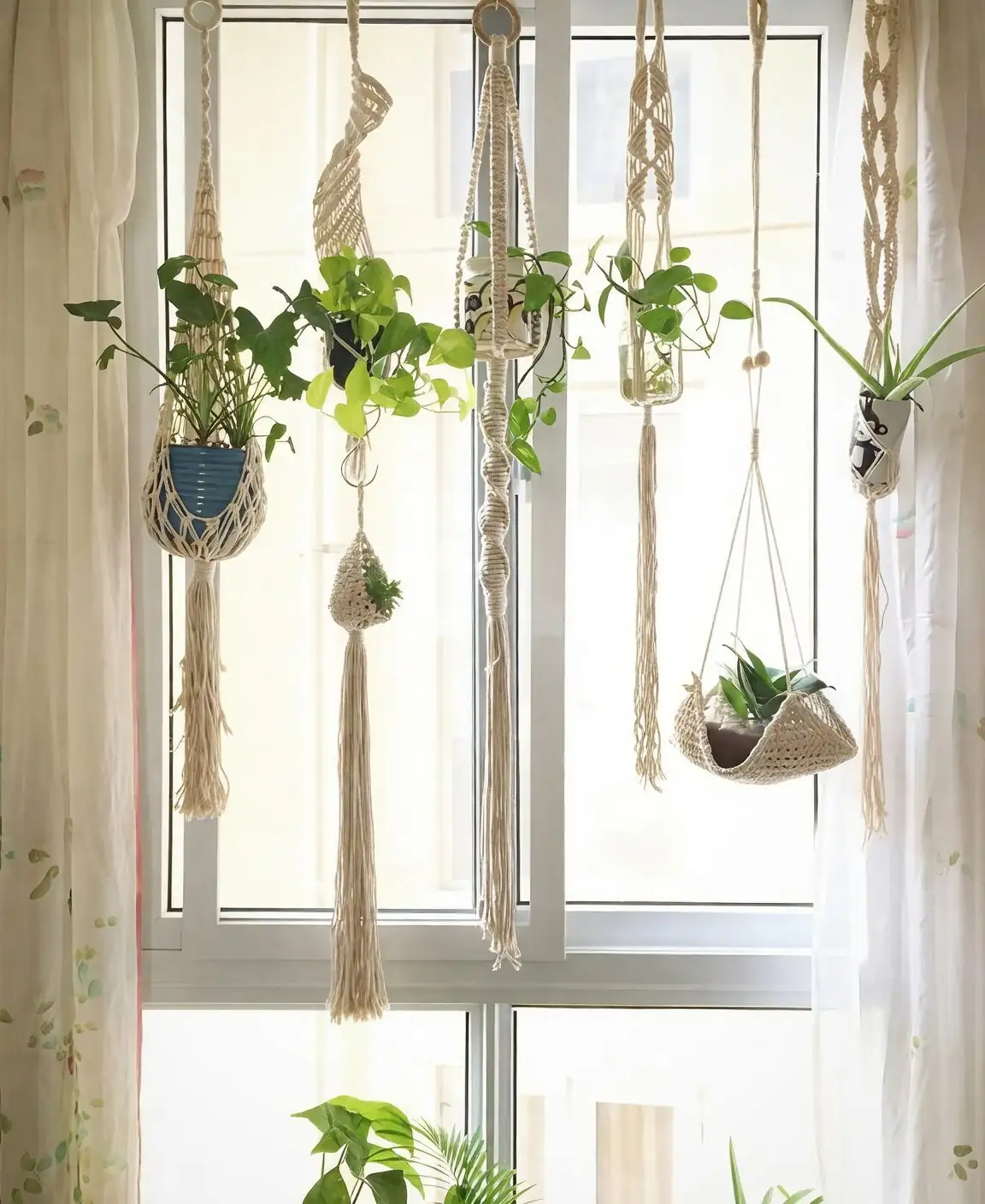
Indoors
- Place high and bright: A sunny, pet-inaccessible windowsill, hanging planter, or enclosed plant cabinet with good airflow.
- Use barriers: Cloche covers, mesh shelving doors, or decorative cages deter curious paws.
- Keep it tidy: Oxalis drops spent leaves and flowers—sweep promptly so nothing becomes a floor snack.
- Rethink “plant stands”: Many cats treat them like ladders. Wall-mounted shelves or closed cabinets are safer.
- Offer alternatives: Grow pet grasses to satisfy natural nibbling urges.
Outdoors
- Containerize: Keep Cape Shamrock in pots on elevated stands rather than as a groundcover where pets roam.
- Separate zones: Use fencing or physical barriers to keep pets away from oxalis beds.
- Be bulb-smart: Store bulbs securely in sealed containers; supervise repotting, and sweep up offsets so they don’t become chew toys.
Household safety basics
- Label toxic plants so family members and pet sitters know the rules.
- Keep bulbs and foliage away from children and pets at all times.
A quick plant care refresher (so it looks great where you place it)
- Light: Full sun to very bright light for best bloom.
- Water: Keep evenly moist in active growth; never soggy. Cut back in summer dormancy—slightly moist is enough.
- Airflow: Good ventilation helps prevent gray mold on blooms. Avoid spraying water on open flowers.
- Soil: Free-draining, airy mix (peat-based with perlite/vermiculite).
- Habit: Very vigorous and easy to multiply from bulbs—best contained in pots, especially in regions where it may be invasive.
Pet-safety FAQs
- Is one lick or nibble an emergency? Usually not—but call your vet or a poison helpline for guidance and monitor closely.
- Are dried or fallen leaves safe? No. Oxalates remain in all plant parts, fresh or dried.
- Do all oxalis/shamrock plants pose a risk? Treat all Oxalis species as potentially toxic to pets due to oxalates.
- Which part is riskiest? Bulbs contain concentrated compounds and are more likely to cause trouble if chewed.
Bottom line
Cape Shamrock is a radiant, easy grower—perfect for bright windows and cheerful patio pots. With smart placement and a simple response plan if a pet samples a leaf or bulb, you can enjoy those golden blooms while keeping your four-legged friends safe. If in doubt, call your vet quickly; early advice keeps small mishaps small.