

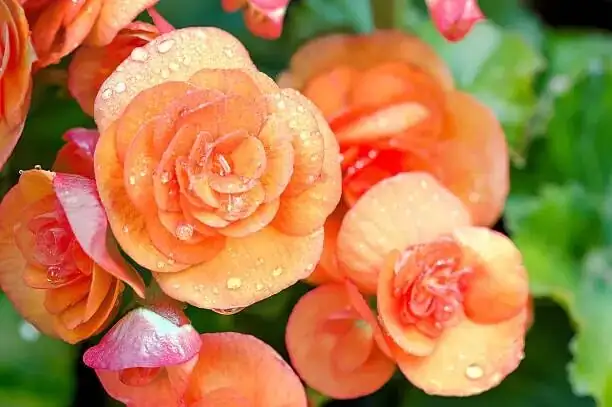
Few plants deliver drama in the shade quite like Tuberous Begonia (Begonia × tuberhybrida). Those camellia-like blooms glow in gentle light, turning patios and bright indoor spots into jewel boxes. This guide helps you enjoy every petal while keeping pets, kids, and the plant itself safe—because beauty is best when it’s worry-free.
Meet Tuberous Begonia (Begonia × tuberhybrida)
A garden-bred hybrid grown from a plump, fleshy tuber, this begonia is all about show-stopping flowers and a graceful, seasonal rhythm.
- Look: Big, often fully double blooms in vivid colors—sometimes bicolored—held just above soft, asymmetrical leaves.
- Light: Bright indirect light to partial shade; gentle morning sun is fine. Avoid strong midday/afternoon sun.
- Size & pot: A typical flowering plant thrives in a 20–25 cm (8–10 in) diameter pot. Choose dormant tubers at least 2 cm (0.8 in) across for strong flowering.
- Season: Spring to summer blooms, then natural dieback to a resting tuber.
- Comfort zone: Best at 16–21°C (61–70°F). Keep above 10°C (50°F). Prolonged heat above ~32°C (90°F) can cause wilting, bud drop, or collapse.
- Humidity & airflow: Enjoys moderate to high humidity (about 50–70%) with good ventilation. Stagnant, damp air invites rot and mildew.
- Soil: Rich yet free-draining mix with coarse particles (perlite/coarse sand) to prevent waterlogging.
Fun fact: That “bulb” isn’t a bulb at all—it’s a tuber, a storage organ that lets the plant rest and return next season.
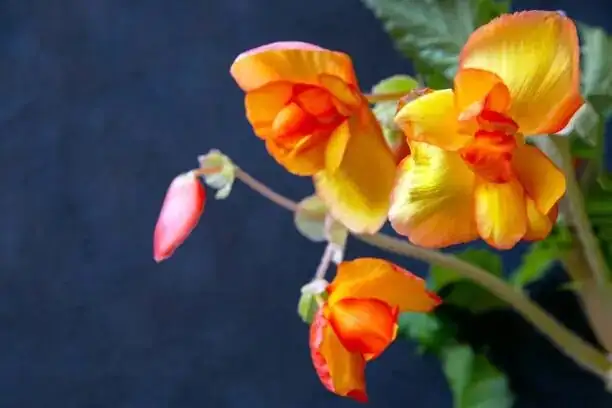
Safety at a glance
- Tuberous begonias are considered toxic to pets; the tubers are often the most problematic.
- Keep plants—and especially stored tubers—out of reach of cats, dogs, and curious kids.
- Handle spent blooms and tubers with care; wash hands after gardening.
- If ingestion is suspected, contact a professional promptly (see emergency steps below).
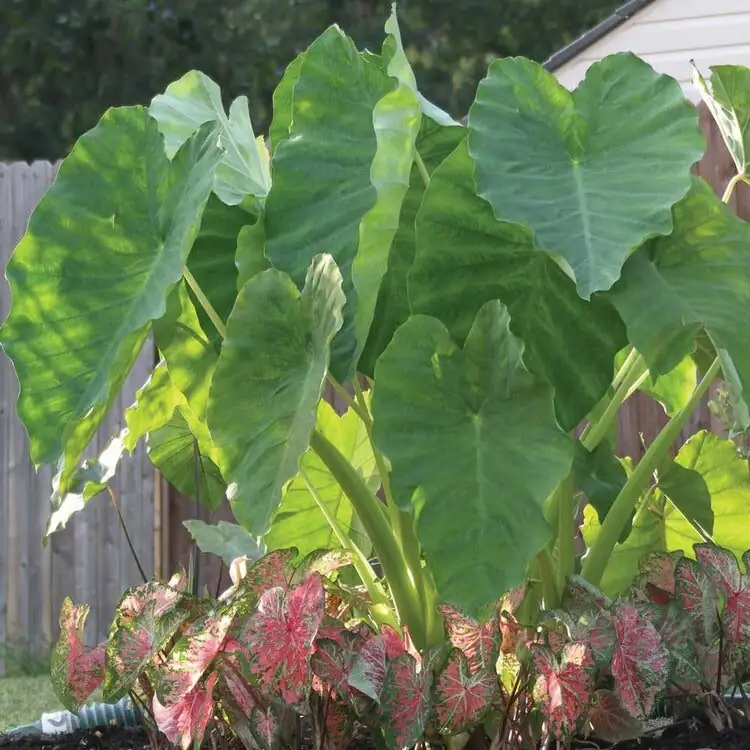
Pet toxicity, explained (and what to do)
What makes it risky?
Like many begonias, this hybrid contains soluble calcium oxalates—most concentrated in the underground parts. Chewing can cause immediate mouth/throat irritation in cats and dogs, often leading to drooling and vomiting. Grazing animals may be at greater risk if large amounts are consumed.
Common signs in pets
- Excessive drooling and lip-smacking
- Pawing at the mouth, oral discomfort
- Vomiting
- Difficulty swallowing
If ingestion happens
- Remove any plant material from the mouth and offer small sips of water.
- Do not induce vomiting unless instructed by a professional.
- Call your veterinarian or a poison hotline:
- ASPCA Animal Poison Control: (888) 426-4435
- Or contact your local vet/urgent care
- Keep the plant label or a photo handy to help identify the species.
Note: Most cases involve oral irritation rather than life-threatening illness, but fast guidance is always the safest course.
Smart placement: beauty on display, not on the menu
Indoors
- Go vertical: High shelves, wall-mounted brackets, or tension pole plant stands with lipped edges keep pots secure and out of reach.
- Mind the launchpads: Avoid placing hanging baskets near furniture cats can use to leap.
- Behind barriers: Use doors, baby gates, or pet-free rooms for your begonia collection.
- Stable and spill-smart: Choose heavy-bottomed pots; use deep saucers and empty them—never let pots sit in water (it invites rot and tempts pets to drink).
Outdoors
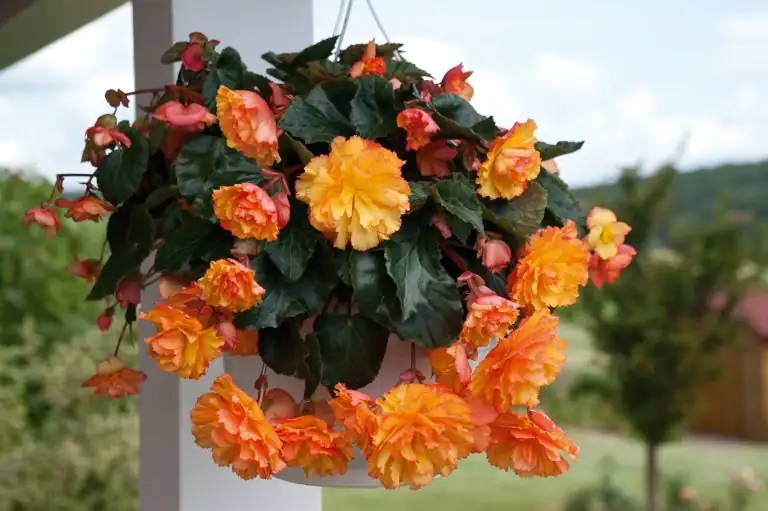
- Choose bright shade with airflow, sheltered from wind and pounding rain.
- Hang high: Use sturdy brackets and chains; check hardware regularly.
- Add a guard: Wire cloches or decorative plant cages can block nibbling while allowing ventilation.
- Rethink low borders: Avoid placing begonias along ground-level paths in dog-frequented yards.
Kid-safe care: deadheading, watering, and tuber storage
Deadheading without drama
- Teach the pinch: Grip the spent bloom’s stalk near its base and twist gently to remove. Or use small, clean snips.
- Gloves are good: Some folks have sensitive skin; gloves and a quick hand wash after gardening make everyone more comfortable.
- Kid helper roles: Let children collect petals into a bucket, water from a small can, or count new buds—leave cutting and tuber handling to adults.
Watering wisely
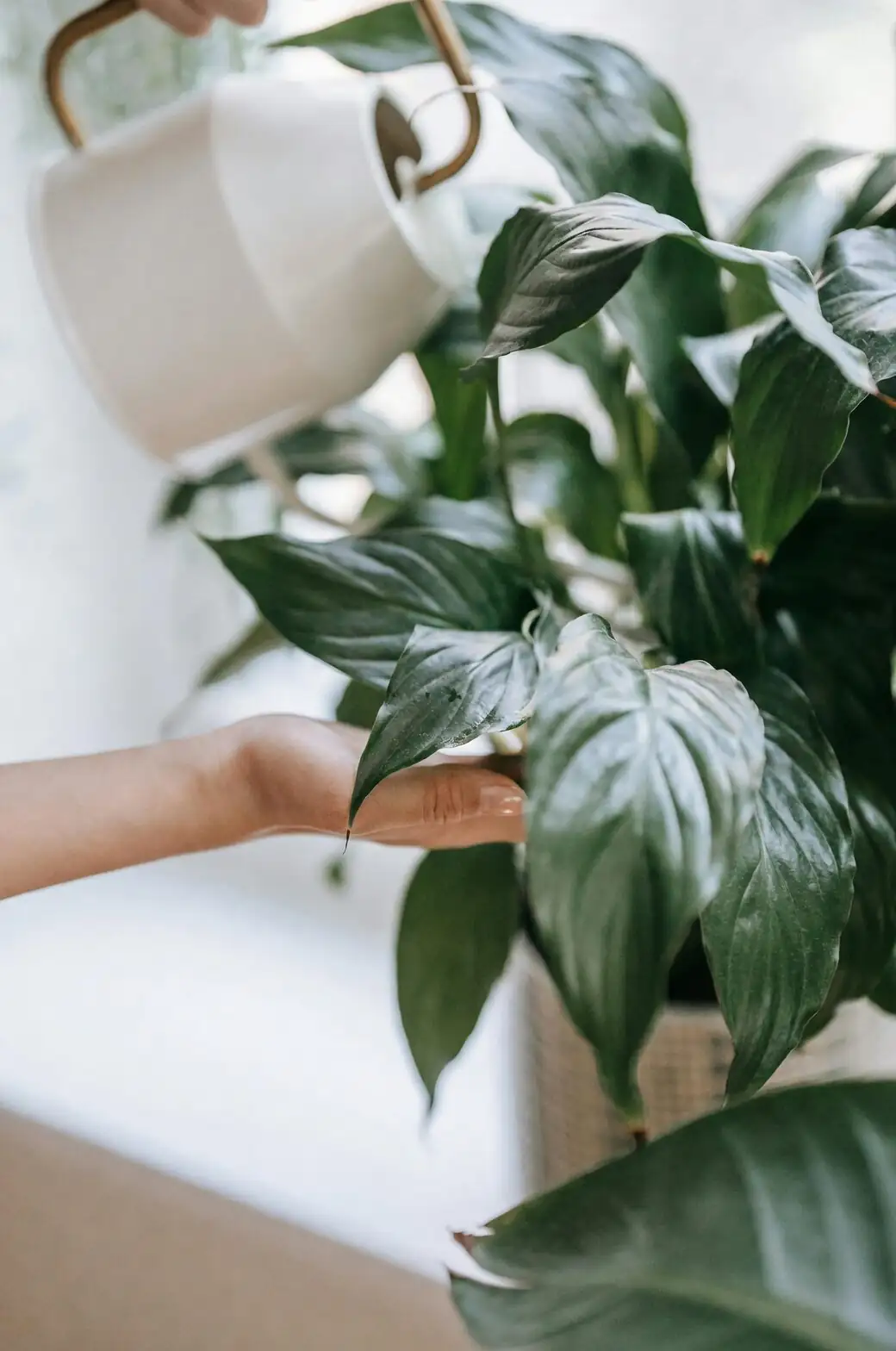
- Even moisture, never soggy. As a baseline, watering about once per week works for many homes (adjust for pot size, airflow, and temperature).
- Use room-temperature water to reduce stress.
- Wipe spills promptly to prevent slips and curious tasting.
Lifting and storing the tuber (out of reach)
- After bloom: Reduce feeding and water. When leaves yellow and die back, stop regular watering.
- Lift and dry: Gently lift the tuber; brush off soil and let it dry slightly.
- Store smart: Place in a breathable paper bag or box with dry peat, vermiculite, or shavings. Label clearly.
- Location: Cool, dry, and safely high—above 10°C (50°F), away from moisture and from kids/pets. Check monthly; discard if soft/rotting.
- Replant next spring for an encore.
Everyday care that prevents problems
- Light & heat: Bright shade is your begonia’s happy place. Prolonged heat above ~32°C (90°F) can cause collapse or force dormancy.
- Airflow: Humidity helps flowers, but still air breeds trouble. Provide gentle ventilation.
- Water: Keep evenly moist in active growth; never let the pot sit in water. Protect from heavy rain.
- Feed: Every 10–14 days in growth with a balanced-to-bloom formula (for example, a diluted organic feed or 15-15-30 per label). Taper as the plant readies for dormancy.
- Prune: Regular deadheading helps channel energy back to the tuber. If stems get leggy, you can cut them back by about half to encourage sturdier regrowth (as long as the tuber is healthy).
- Watch for pests: Scale, aphids, thrips, and leaf-rolling caterpillars may visit. Isolate affected plants, rinse gently, and use insecticidal soap or horticultural oil as labeled. Avoid systemic insecticides in pet/child spaces.
Quick troubleshooting for plant health
- Limp, collapsing growth? Often under-watering or heat stress. Move to cooler bright shade and water thoroughly.
- Mushy stems/tubers? Likely rot from overwatering or poor drainage. Improve airflow, repot into free-draining mix, and remove rotted tissue. Badly rotted tubers are often not salvageable.
Frequently asked safety questions
- Are flowers and leaves as risky as tubers? The underground parts tend to be the most problematic. Still, keep all plant parts out of reach.
- What if my child tastes a petal? Many kids spit it out due to the unpleasant sensation. Rinse the mouth, offer water, and monitor. Seek medical advice if irritation persists or if a larger amount was consumed.
- Can I compost begonia debris? Yes, but avoid composting in areas pets can access, and don’t add diseased/rotten material to your pile.
A note on symbolism
Tuberous begonias are often linked with affection and tender feelings—sometimes even unrequited love. That association grew from Victorian-era floriography, when richly petaled, lingering blooms stood in for emotions people found hard to say aloud. In modern homes, their meaning softens: a bright splash of care and attention that rewards patience and gentleness through the seasons.
One last reminder
- Enjoy the spectacle in bright shade.
- Keep plants and especially stored tubers out of reach.
- If ingestion is suspected, call your vet or the ASPCA Animal Poison Control at (888) 426-4435.
With a little planning, Begonia × tuberhybrida is pure delight—lush color balanced by smart, simple safety steps.