

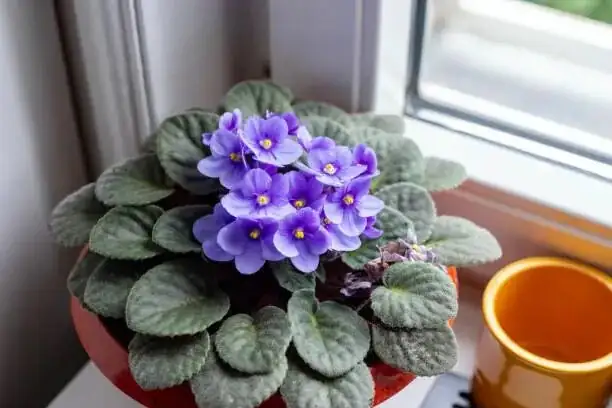
Imagine gifting a tiny dome of spring that fits in one hand, smells softly sweet, and won’t worry the family cat. That’s the charm of Persian violet (Exacum affine): a compact, glossy green cushion that bursts into violet-to-lavender blooms with cheerful yellow centers—right when the year feels cold and gray. It’s the kind of present that lights up a desk, brightens a windowsill, and makes its recipient think of you each time another bud opens.
Meet Persian violet (Exacum affine)
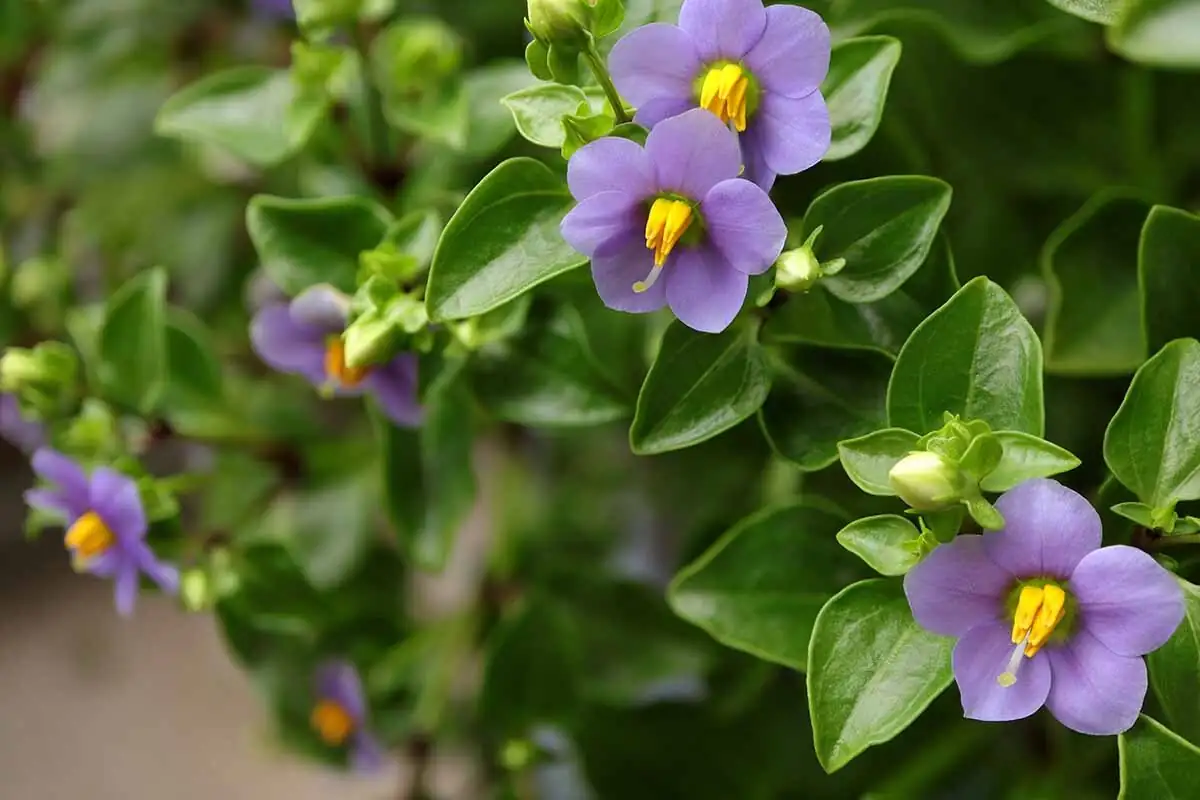
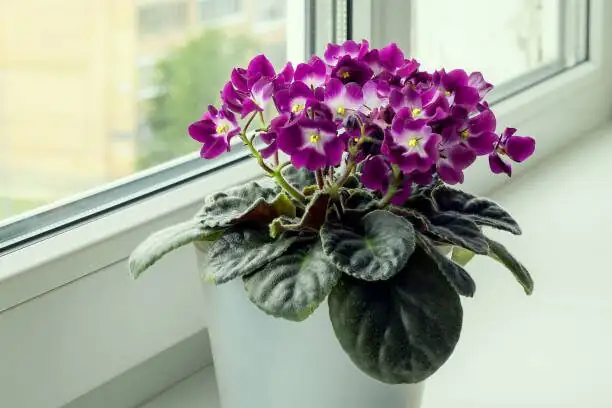
- What it looks like: A neat, rounded mound of dark, glossy leaves topped with dozens of five-petaled flowers, usually violet to lavender with sunny yellow anthers. Many plants carry a gentle, light fragrance.
- Size that stays tidy: Typically 6–12 inches (15–30 cm) tall and wide—compact enough for nightstands, kitchen ledges, or office corners.
- Timing that delights: Naturally inclined to bloom in the cool season—late winter through spring—and can flower for months if kept bright and comfortably cool.
- Where it comes from: Native to Socotra Island (Yemen), despite the “Persian” moniker; it’s now a beloved small-space flowering plant worldwide.
- Also goes by: Arabian violet, German violet, Mexican violet.
Why it’s a brilliant cool-season gift
- Safe for homes with pets or kids: Not known to be toxic to humans or pets.
- Sized for real life: A petite, self-contained plant that won’t sprawl or shed.
- Lightly fragrant: A delicate scent that feels like a whisper, not a perfume bomb.
- Peak bloom when we need it most: It hits its stride in cooler months and keeps going with the right care.
- Effort level: Moderate—but very manageable with a simple “bright, cool, evenly moist” routine.
How to pick a long-lasting plant (the in-store checklist)
Aim for “packed with promise” rather than “already peaked.”
- Look for:
- Lots of firm, unopened buds alongside a sprinkling of open flowers.
- Glossy, deep-green leaves with no yellowing or wilting.
- A compact, rounded shape (not stretched or leggy).
- Evenly moist soil—not bone-dry and not soggy.
- Avoid:
- Plants with many spent blooms, limp foliage, or dry, shrunken root balls.
- Pots that feel waterlogged or have a sour smell (a red flag for root issues).
- Pro tip:
- Choose a plant with more buds than open blooms to enjoy a longer “unfolding” show at home.
Gifting ideas and presentation
- Dress the pot: Slip the nursery pot into a simple cachepot—matte white, brushed brass, or a cool-toned ceramic to echo the flowers.
- Add a “care card”: A short note with three lines—Bright indirect light; Keep evenly moist; Cool room (59–70°F / 15–21°C).
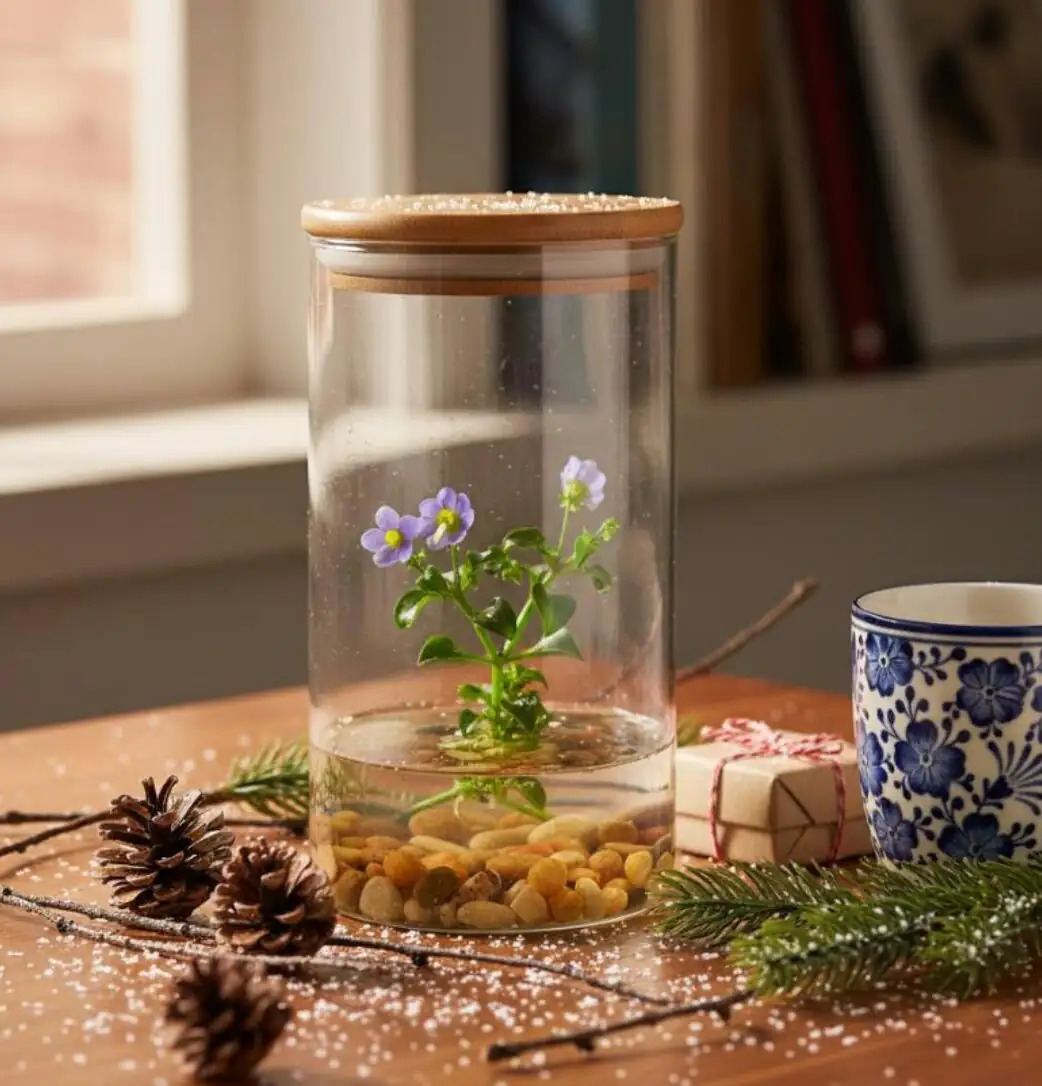
- Consider the trend: Ready-made terrarium gifts exist for Persian violet and can be adorable. Just remind the recipient to keep it bright, not hot, and out of direct midday sun.
- Cold-weather delivery tip: If gifting in winter, insulate the plant during transport; chill shock can shorten flowering.
Easy care guide for the recipient
Think “spring window” conditions: bright, cool, and consistently comfortable.
Light
- Bright indirect light or gentle morning sun (east- or bright north-facing windows are ideal).
- Shield from strong midday sun to prevent stress and short-lived blooms.
Temperature
- Best bloom window: 59–70°F (15–21°C).
- Prolonged heat shortens the display; keep away from radiators, heat vents, and hot, sun-baked sills.
Watering
- Keep soil evenly moist—never waterlogged and never bone-dry.
- Letting the root ball dry can trigger rapid flower drop.
- Water thoroughly, let excess drain, and never leave the pot sitting in water.
Humidity
- Appreciates moderate to high humidity, especially in heated rooms.
- Simple boosts: a pebble tray with water under the pot (not touching the pot’s base) or grouping with other plants.
Feeding
- While flowering, feed every 2–3 weeks with a diluted, balanced liquid fertilizer.
Grooming
- Deadhead spent blooms promptly to keep the plant tidy and encourage a longer show.
Repotting
- Usually unnecessary—these are often enjoyed as short-lived seasonal plants.
- Only repot if clearly root-bound and you want to extend its life in a slightly larger container with a light, fertile, well-draining mix.
Keep the show going longer
- Stay cool: Cooler rooms stretch the bloom season.
- Be consistent: Even moisture + bright indirect light = steady bud opening.
- Rotate weekly: Encourage even growth and an all-around bouquet effect.
- Don’t let it seed: Removing spent flowers prevents energy detours into seed production and keeps the focus on flowering.
Quick troubleshooting
- Sudden flower drop or crisping buds: Typically from a dry root ball or a hot spot. Rehydrate thoroughly and move to a cooler, bright place.
- Wilting/yellowing leaves with soggy soil: Risk of root rot. Improve drainage, empty saucers, and allow the soil surface to just lose that “wet shine” before watering again.
- Tiny pests (especially indoors): Aphids, spider mites, or fungus gnats may appear. Rinse with a gentle spray, improve airflow, and, if needed, use an insecticidal soap—always following label directions.
Safety, symbolism, and a little backstory
- Safety first: Not known to be toxic to humans or pets—ideal for households with curious nibblers.
- Flower “language”: In the spirit of floriography and modern marketing alike, Persian violet is linked with calmness, delicacy, and refined beauty. The associations make sense: cool-hued petals, a modest size, and a soft fragrance that soothes rather than shouts.
- Origin and history: Native to Socotra (Yemen), it was introduced to European horticulture in the 19th century and quickly became a winter-to-spring darling thanks to its compact form and generous bloom.
- Spot-it-at-a-glance: Those bright yellow anthers glowing from the floral center are a dead giveaway.
FAQs for gift-givers
- Is it an annual or a perennial? Botanically a tender perennial, but at home it’s usually enjoyed as a short-lived flowering houseplant and replaced after its main bloom.
- Can it live outdoors? Only in mild, frost-free conditions, and then in bright shade or sheltered light. For most people, it performs best indoors.
- Will it rebloom next year? It’s notoriously tricky to rebloom well indoors. Many people simply start fresh during the next cool season. If you’re keen, it’s most commonly grown from seed.
The takeaway
If your ideal gift is small, elegant, seasonally cheerful, safe around pets, and delightfully easy on the senses, Persian violet checks every box. Choose a plant brimming with buds, park it somewhere bright and cool, keep the soil evenly moist, and let those lavender-lilac stars open one by one—a gentle celebration of spring, right on schedule.