

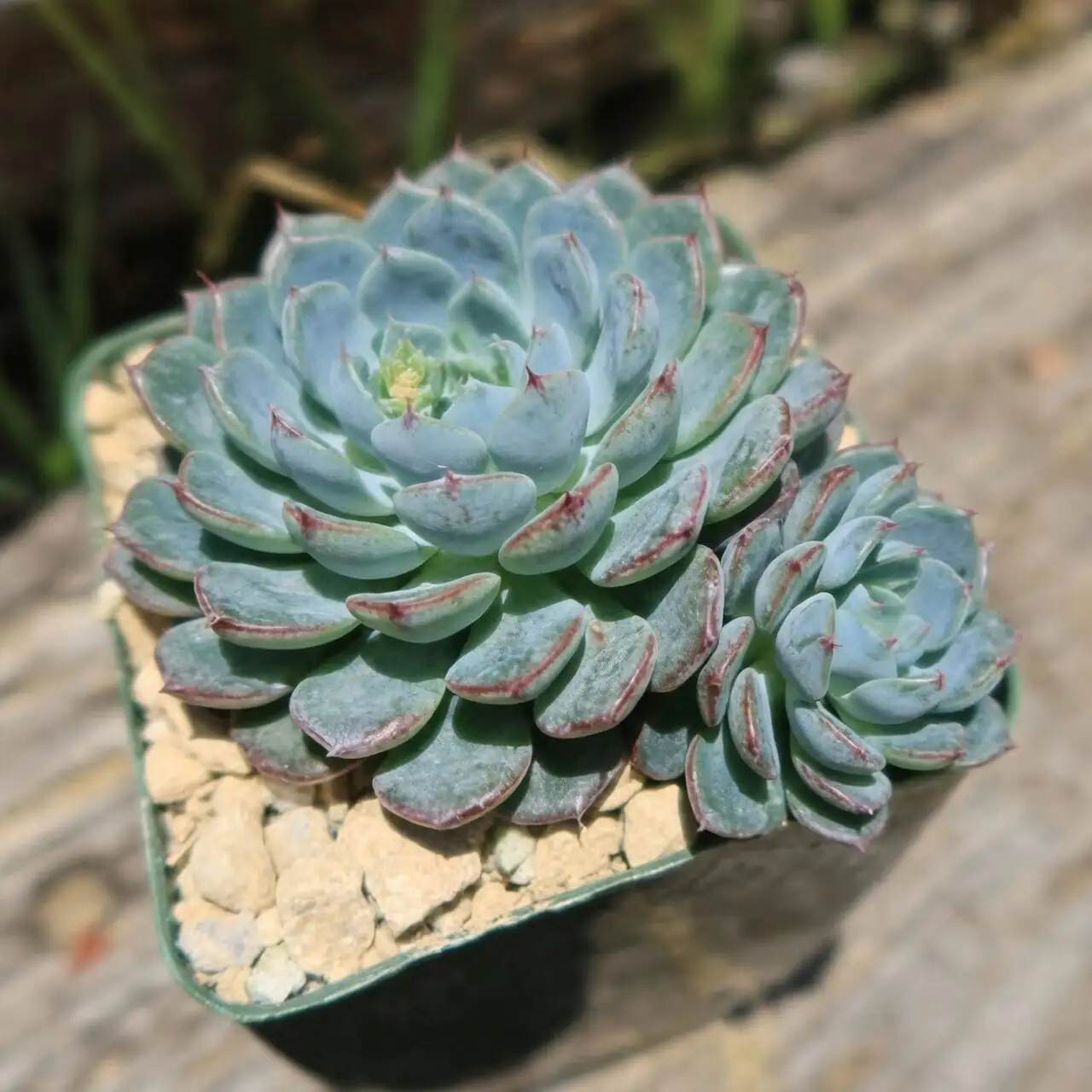
If you love rosette succulents but also love your four‑legged roommates, Echeveria might be your peace treaty plant. These blue‑green “cupcakes” wear a dusting of natural wax, glow with wine‑red leaf edges in strong light, and send up charming pink flower spires in summer—all while being generally non‑toxic to people and pets. Still, a curious nibble can lead to a mild tummy wobble, so let’s set you up with smart, safety‑first placement and care.
Meet Echeveria (Echeveria sp.)
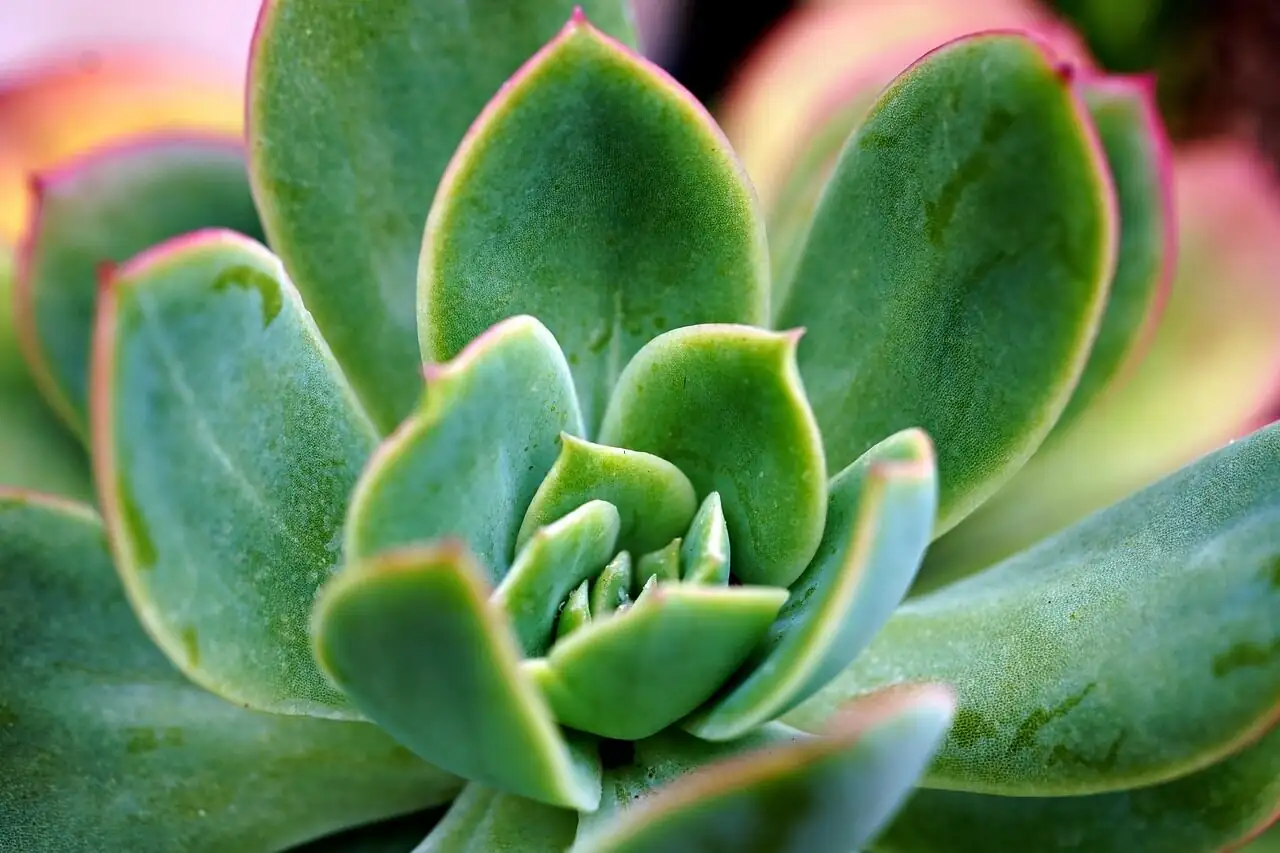
- What it looks like: Tight, symmetrical rosettes of fleshy, blue‑green leaves; many have a powdery, protective coating (farina) you don’t want to rub off. In strong light and modest “dry‑down,” leaf edges can blush burgundy to deep wine.
- Size: Most rosettes reach about 10–25 cm (4–10 in) across, plants 10–20 cm (4–8 in) tall. Summer flower stalks can leap to 20–50 cm (8–20 in).
- Bloom notes: Arching pink stems with bell‑shaped flowers, pink outside and yellow to yellow‑orange inside.
- Roots and relatives: A Crassulaceae charmer native (as a genus) to Mexico and Central America. Often sold under names like Mexican Snowball or Hens and Chicks (note: that nickname is shared with other genera, too).
Toxicity, explained simply
- The bottom line: Echeveria is generally considered non‑toxic to people and pets.
- The small print: Chewing or ingesting leaves can still cause mild stomach upset (think drooling, soft stool, or a brief vomit) in sensitive individuals—more likely if a larger amount is munched. It’s smart to keep plants out of reach of habitual nibblers.
Safety snapshot by situation
- Cats: Usually safe; cats are more likely to bat at flower stalks than chow down. A nibble may cause minor GI upset—monitor and offer water.
- Dogs: Puppies and “eat‑first, ask‑later” dogs may sample more. Expect possible mild, short‑lived GI signs if they do.
- Kids: Non‑toxic, but teach “look, don’t taste.” Wash hands after handling to keep that protective farina (and any dust) out of eyes and mouths.
- General note: Any plant material can irritate a sensitive stomach. Non‑toxic does not mean snack‑worthy.
Placement that keeps rosettes (and pets) out of trouble
A healthy, sun‑kissed Echeveria is less floppy, less tempting, and less messy—so safety starts with smart siting.
Indoors: bright and out of paw‑reach
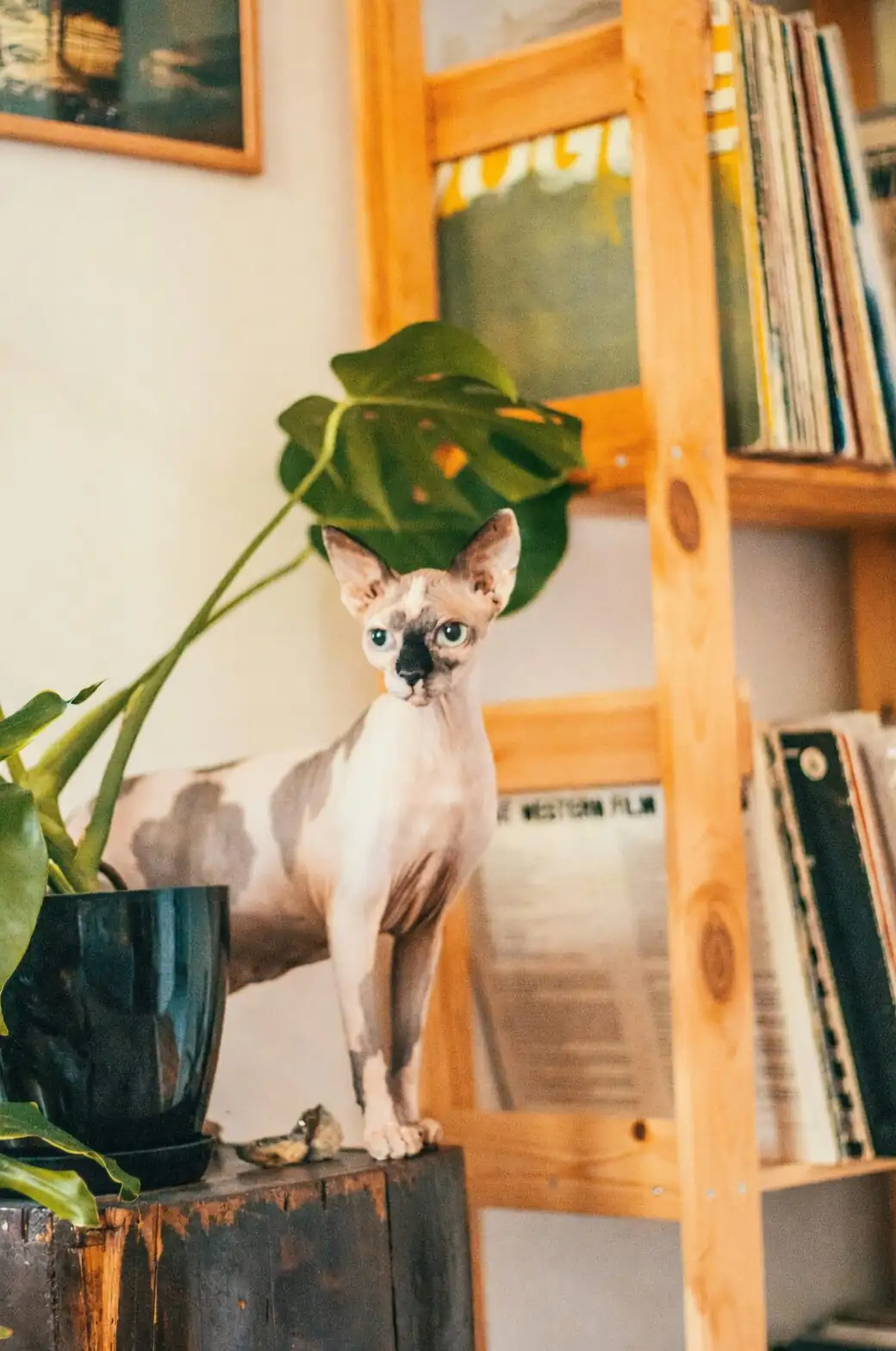
- Light first: Aim for 4–6+ hours of bright light to full sun. South‑ or west‑facing windows are ideal; use strong grow lights if your windows are dim.
- Elevate smartly:
- High shelves or wall‑mounted ledges with secure brackets.
- Open display cases or greenhouse cabinets with ventilation (a small fan helps).
- Wire cloches over pots on low tables to block curious noses while keeping airflow.
- Avoid: Closed terrariums (too humid), wobbly plant stands, and placing right beside cat launch pads.
- Traffic safety: Flower stalks can be irresistible toys—move plants during bloom season if your cat gets swat‑happy.
Outdoors: sun, shelter, and stability
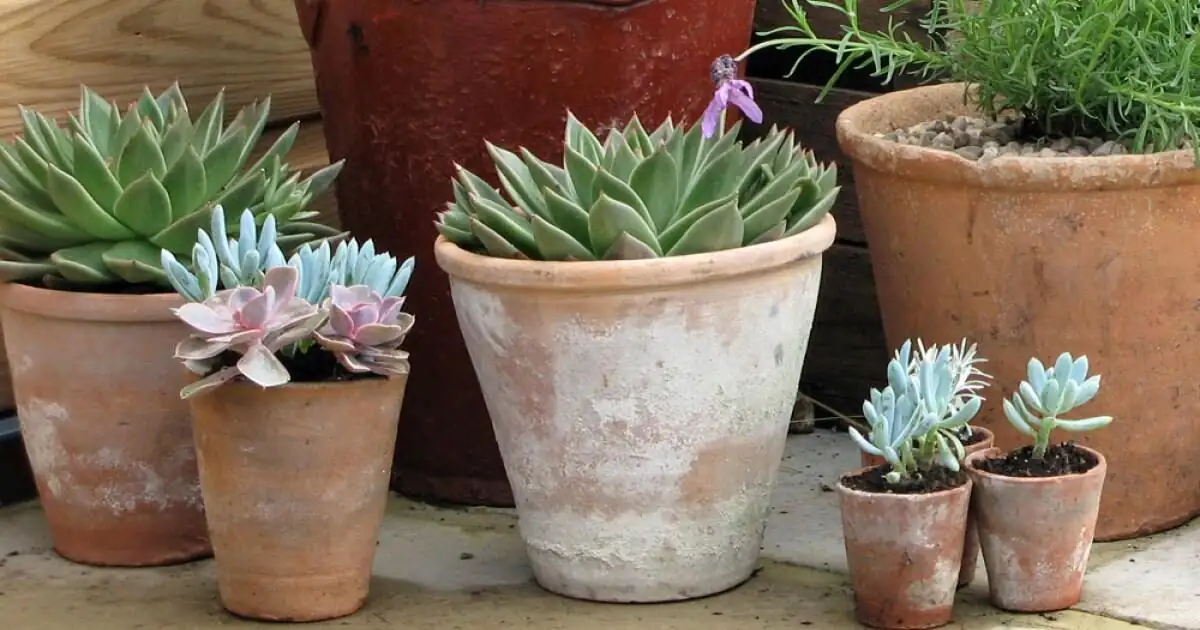
- Sun & color: Full sun builds compact shape and that coveted burgundy edge; introduce gradually to avoid sunburn.
- Weather: Protect from frost; keep above 5°C (41°F). In extreme heat, provide ventilation and a touch of midday shade.
- Rain: Shelter from prolonged downpours to prevent soggy mix and rot (under eaves, on covered patios).
- Set‑and‑forget safety: Use heavier terracotta pots with drainage so a curious nudge won’t tip them easily.
Potting and top‑dressing that deter mischief
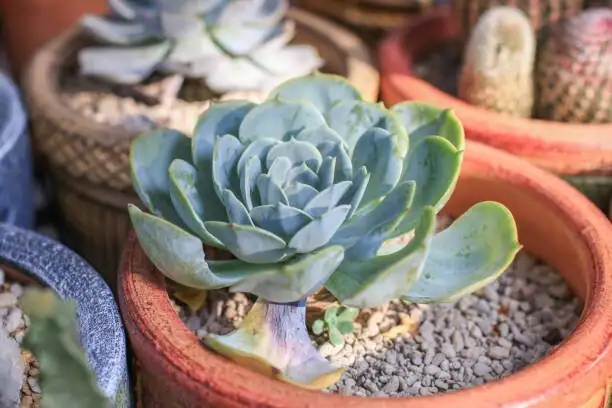
- Soil: A very fast‑draining cactus/succulent mix boosted with pumice or perlite.
- Pot: Drainage holes are non‑negotiable; terracotta helps the mix dry faster.
- Top‑dress: A single layer of coarse gravel can discourage digging without trapping moisture against the crown.
Watering and feeding with safety in mind
- Soak and dry: Water thoroughly, then let the mix dry completely before the next drink. In bright warmth, that’s often every 7–14 days; stretch to 3–5 weeks in winter/low light.
- Keep the crown dry: Don’t splash water into the rosette center; moisture there invites rot.
- No saucer baths: Never let the pot sit in standing water.
- Feeding: Lightly in spring/summer with a diluted, low‑nitrogen succulent fertilizer every 4–6 weeks; skip in winter.
What to do if a pet nibbles your Echeveria
- Step 1: Remove plant access and gently wipe away any leaf powder from the pet’s mouth if present.
- Step 2: Offer fresh water. Most mild GI signs pass on their own.
- Step 3: Monitor for 24 hours. Call your veterinarian if vomiting or diarrhea is persistent, your pet ate a large amount, or your pet is very young, elderly, or has underlying conditions.
Pro pet‑proofing: make the plant the least interesting thing in the room
- Provide alternatives: Cat grass or safe chew toys to satisfy urges.
- Placement tricks: Use vertical space; cluster prized plants in a bright, off‑limits room with a baby gate.
- Gentle deterrents: Try pet‑safe scent cues near (not on) the pot—many pets dislike citrusy aromas. Reapply lightly and avoid overwhelming fragrances.
- Training: Reward ignoring the plant. A little positive reinforcement goes a long way.
- Bloom season check: If flower spikes become playthings, move the plant temporarily or trim the stalk after you’ve enjoyed the show.
Keep the farina fabulous (and the plant healthier)
- Handle by the pot, not the leaves—the powdery coating protects against sun and water loss and doesn’t grow back on that leaf once rubbed off.
- Groom for airflow: Gently remove spent flower stalks and dry, lower leaves to reduce pest hideouts.
Pests and fixes (with pet safety pointers)
- Usual suspects: Mealybugs (leaf joints), aphids (flower stalks), and spider mites in hot, dry rooms.
- First response: Dab pests with cotton swabs dipped in isopropyl alcohol, or use insecticidal soap/horticultural oil as directed.
- Safety tip: Treat plants away from pets and allow sprays to dry fully before returning them to shared spaces. Improve light, drainage, and airflow to prevent repeat offenses.
Quick reference: conditions Echeveria loves
- Light: Bright light to full sun; acclimate to stronger rays.
- Temperature: Best at 15–27°C (59–81°F); protect from frost.
- Humidity: Low to average; avoid stagnant, humid air.
- Hardiness: Generally suited to USDA Zones 9–11; protect from winter cold and wet.
Symbolism and a dash of lore
Echeveria often symbolizes enduring love and resilience—fitting for a plant that stores its own water and stays elegant through dry spells. The genus honors Atanasio Echeverría y Godoy, a Mexican botanical illustrator who helped document New World flora. In cultivation, many plants are hybrids or unnamed selections, so expect personality: flower details and leaf colors can vary from one rosette to the next.
Fast fixes to common questions
- Why is my rosette stretching open? It’s craving more light (etiolation). Move it gradually to brighter sun or add a strong grow light. If it’s leggy, you can behead the rosette and re‑root it.
- How do I keep those burgundy leaf edges? Provide strong light (some direct sun), fast‑draining mix, and let the soil dry completely between waterings.
- Bottom leaves shriveling? Occasional lower‑leaf loss is normal. Many shriveling quickly = likely underwatering; translucent or mushy leaves = likely overwatering—let the mix dry fully and improve drainage/light.
The takeaway: Echeveria gives you show‑stopping rosettes without the worry, as long as you pair bright light with smart, pet‑savvy placement. Keep the crowns dry, the shelves high, and the training kind—and everyone under your roof, leaves and whiskers alike, stays happy.