

The Rattlesnake Plant is the rare interior design partner that loves steamy bathrooms, thrives in filtered light, and plays beautifully with pets. Goeppertia insignis (often still sold as Calathea insignis or “Rattlesnake Calathea”) brings a lush, spa-like calm with long, wavy leaves patterned in snakeskin greens above and rich burgundy below—without the toxicity worries common to many houseplants. If your home includes curious cats or playful pups, this is a plant you can showcase confidently.
Meet the Rattlesnake Plant (Goeppertia insignis)
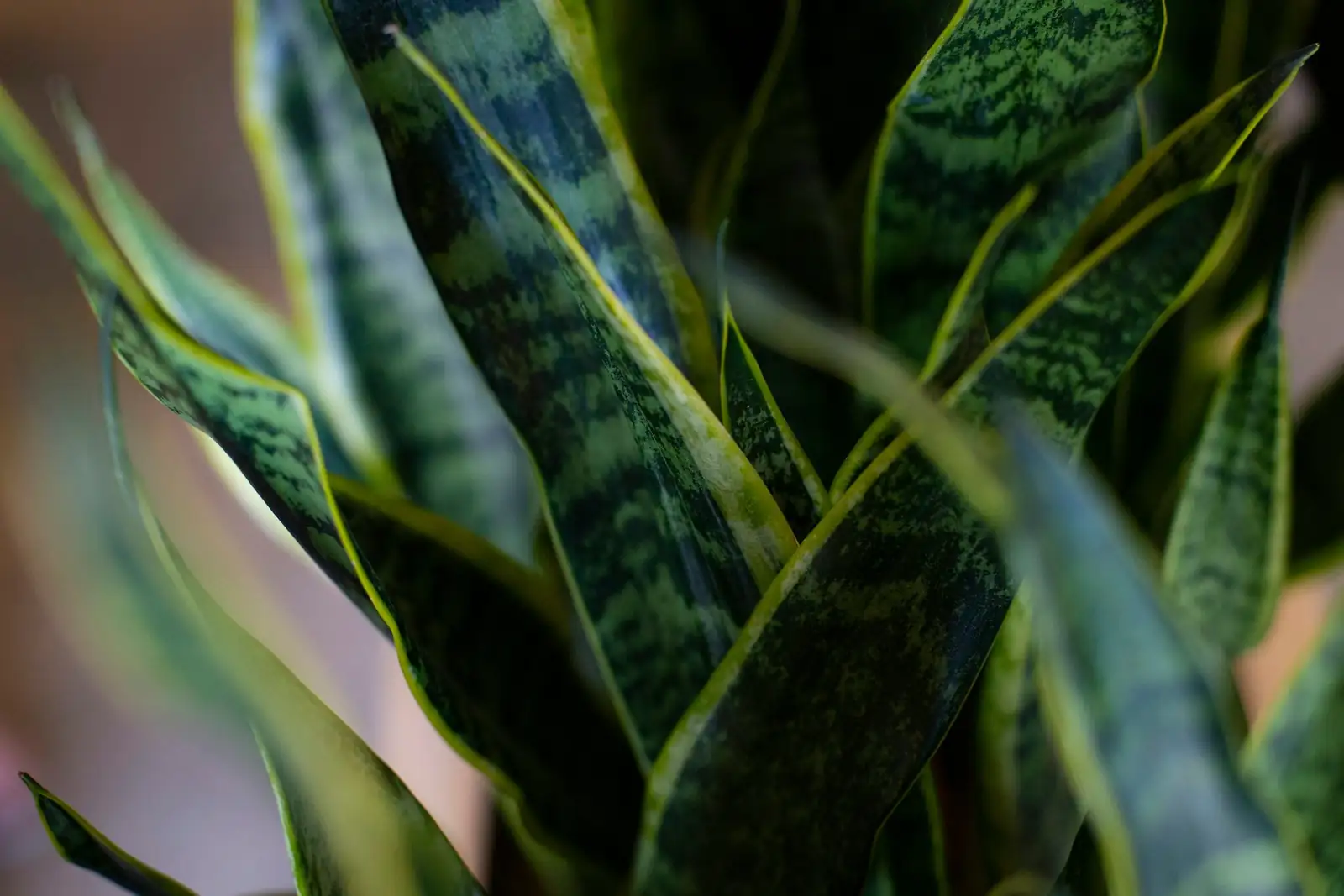
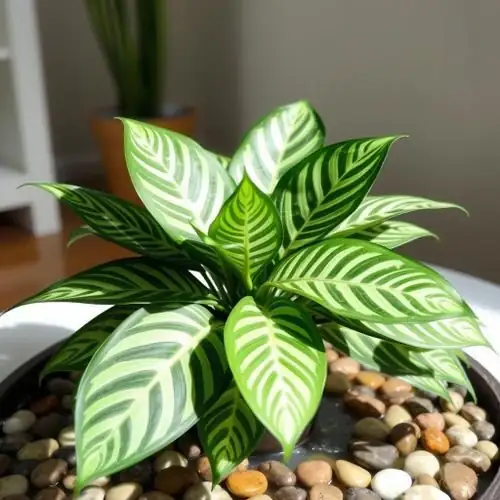
- What it looks like: Long, lance-shaped leaves with rippled edges; yellow-green and deep green “snakeskin” patterns on top, wine-red undersides beneath.
- Habit and size: Clump-forming; upright to gently arching foliage. Typically about 75 × 45 cm (30 × 18 in) indoors.
- Roots and room: Native to the warm, humid rainforests of Brazil—no wonder it adores bright bathrooms and kitchens.
- Pet safety: Generally considered non-toxic to cats and dogs. As with any greenery, nibbling can still cause mild stomach upset, so smart placement and enrichment help keep the peace.
Pro tip: Many Marantaceae relatives show subtle day–night leaf movement. If yours seems to “pose” differently in the evening, that’s normal—and a bit of plant magic.
Pet‑friendly placement: Design ideas that outsmart chewers
Create spots your Rattlesnake Plant loves—and your animals will politely ignore.
Light and climate (the plant’s wish list)
- Light: Bright, indirect light to light shade. Avoid harsh direct sun that fades patterns and scorches edges.
- Temperature: 15–24°C (59–75°F); don’t let it dip below ~13°C (55°F).
- Humidity: 50%+ is ideal. Bathrooms and kitchens often hit the sweet spot.
Chew‑reducing setups that still look stunning
- The steamy spa shelf
- Place on a wide, stable shelf near an east- or north-facing bathroom window with a sheer curtain.
- Add a pebble tray beneath for humidity (keep the water fresh and free of fertilizer runoff).
- The gallery wall perch
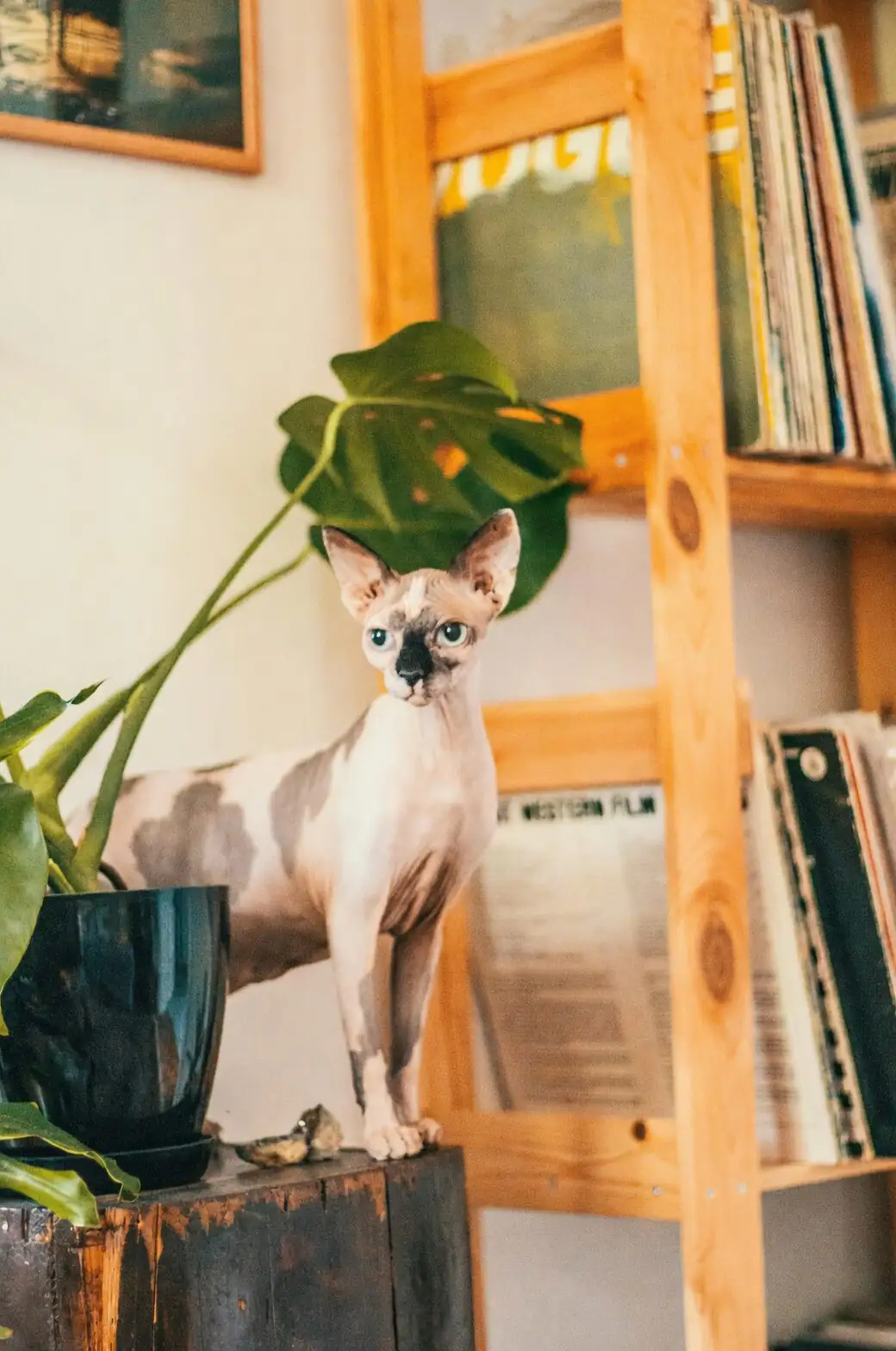
- Use sturdy wall shelves or acrylic window ledges placed above typical cat-jump height and away from launching pads.
- Group with other humidity-lovers to create a leafy microclimate that’s less inviting to nibblers.
- The stand-and-screen vignette
- A tall, heavy-bottomed plant stand beside a filtered-light window keeps foliage at human eye level, not pet eye level.
- Flank with a narrow console or decorative screen to interrupt pet “flight paths.”
- The kitchen corner sanctuary
- Tuck it on a countertop riser or island shelf under bright, indirect light—far from vents or stovetop drafts.
Small deterrents that are gentle and chic:
- Top-dress the soil with smooth pebbles or a fitted coco coir circle to discourage digging.
- Apply pet-safe bitter deterrent to the outside rim of the pot or stand (never on leaves).
- Use double-sided “furniture” tape on shelf edges—not the planter—to make launching less appealing.
Enrichment alternatives for curious cats and dogs
Redirect “plant interest” into better habits.
For cats
- Offer a rotating tray of cat grass (wheat, oat, or barley) near a favorite perch.
- Schedule daily wand-toy play sessions to burn off hunt energy.
- Add a window perch with a bird feeder view outside (the best “cat TV”).
- Try catnip or silvervine toys if your cat responds well.
For dogs
- Provide snuffle mats, puzzle feeders, and safe chew toys to occupy foraging urges.
- Reinforce “leave it” and reward calm behavior around plant zones.
House rules that help:
- Create clear “green zones” (plant displays) and “pet highways” (paths to windows/perches) so your animals aren’t tempted to barrel through foliage.
- Quarantine new plants for a couple of weeks to check for pests before introducing them to shared spaces.
Care made simple (and pet‑smart)
Keep the routine steady, and your Goeppertia insignis will repay you with lush, patterned growth.
Watering
- Spring to autumn: Keep the mix evenly moist but never soggy; water when the top 1–2 cm (0.4–0.8 in) begins to dry.
- Winter: Let the surface dry a bit more between waterings.
- Water quality matters: Use rainwater or distilled when possible—tap minerals often cause crispy brown tips.
- Tip: Misting helps briefly, but a humidifier or pebble tray offers lasting comfort.
Light, temperature, and humidity
- Bright, filtered light; no harsh direct sun.
- Warm, steady temps (15–24°C/59–75°F); no drafts or vent blasts.
- Aim for 50%+ humidity. Bathrooms and kitchens are often perfect.
Soil and potting
- Mix: Moisture-retentive yet airy, free-draining medium such as 2 parts high-quality houseplant mix to 1 part perlite (2:1).
- Pot: Always choose drainage holes and a stable, tip-resistant container. Heavier pots are safer in pet households.
Feeding
- Spring to autumn: Feed every 2 weeks with a balanced liquid fertilizer at half strength.
- Winter: Reduce or pause if growth slows.
Grooming and pruning
- Trim yellowing or damaged leaves at the base with clean scissors.
- You can snip brown tips for looks, but address causes (dry air, drafty spots, mineral-heavy water).
- Wipe leaves with a damp cloth to remove dust—and pet hair—so patterns shine.
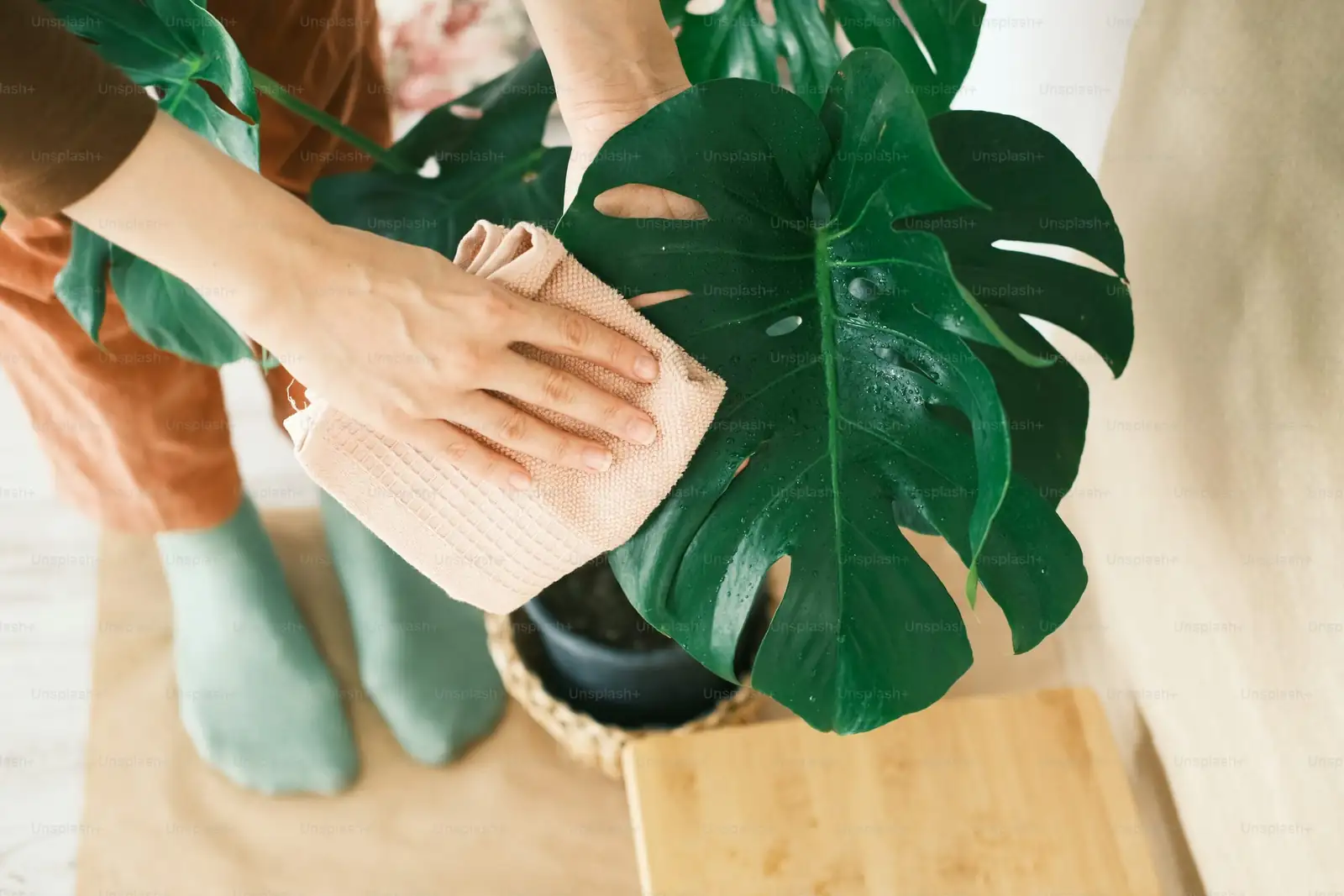
Repotting and propagation
- Repot every 2–3 years (spring is best), or sooner if root-bound.
- Propagate by division during repotting: separate a healthy clump, ensuring each division has roots.
Pests and diseases
- Likely culprits: Spider mites, mealybugs, scale—especially in dry air.
- Response: Rinse foliage, raise humidity, and treat with insecticidal soap or horticultural oil. Let leaves dry before pets return to the area.
- Watch for root rot if the soil stays wet or drainage is poor.
Styling tips that flatter both plant and pets
- Make the burgundy undersides pop by placing the plant where backlighting can catch the leaves—think bright, indirect side light.
- Pair with warm wood, matte black, or sandy ceramic planters to echo the leaf patterning without visual clutter.
- Use risers to vary heights within a cluster of pet-safe plants, creating depth and humidity while keeping foliage out of casual paw-reach.
- Choose broad, weighty planters or add a hidden weight to the base for extra stability in homes with zoomies.
What to look for when buying (pet household edition)
- Leaves should be crisp, boldly patterned, and free of heavy edge browning.
- Check leaf undersides for spider mites (fine webbing or speckling).
- Sniff the soil; avoid any plant with a sour smell or mushy stems (overwatering/early rot).
- At home, quarantine and inspect for two weeks before styling it into shared spaces.
Your seasonal and weekly rhythm
- Spring–autumn
- Keep evenly moist.
- Use rain or distilled water.
- Fertilize every 2 weeks at 1/2 strength.
- Winter
- Water when the surface dries a little more.
- Keep temperatures steady and warm; humidity up.
- Repot/divide every 2–3 years or when crowded.
Quick answers to common questions
- Why are the leaf edges turning brown?
- Usually low humidity or mineral-heavy tap water. Boost humidity to 50%+ and switch to rain/distilled water. Keep away from vents and drafts.
- Can it handle direct sun?
- Not well. Direct sun can scorch leaves and wash out patterns. Bright, filtered light is best.
A note on symbolism and names
- Symbolism: Often associated with calm, renewal, and spa-like serenity—fitting for a plant that thrives in warm, humid rooms and creates a soothing “green retreat.”
- Name change: Long sold as a “Calathea,” this species is now placed in the genus Goeppertia. You’ll still see it labeled both ways in shops.
Pet safety recap
- Non-toxic to cats and dogs. Still, if a pet chews a lot of foliage, mild stomach upset can happen—so aim for chew-resistant placement and provide enticing alternatives like cat grass and puzzle toys.
- If significant vomiting, lethargy, or other concerning symptoms appear after any plant nibble, contact your vet.
With just-right light, generous humidity, and a few smart design moves, Goeppertia insignis becomes the star of a pet-friendly interior: richly patterned, wonderfully tolerant, and as safe as it is striking.