

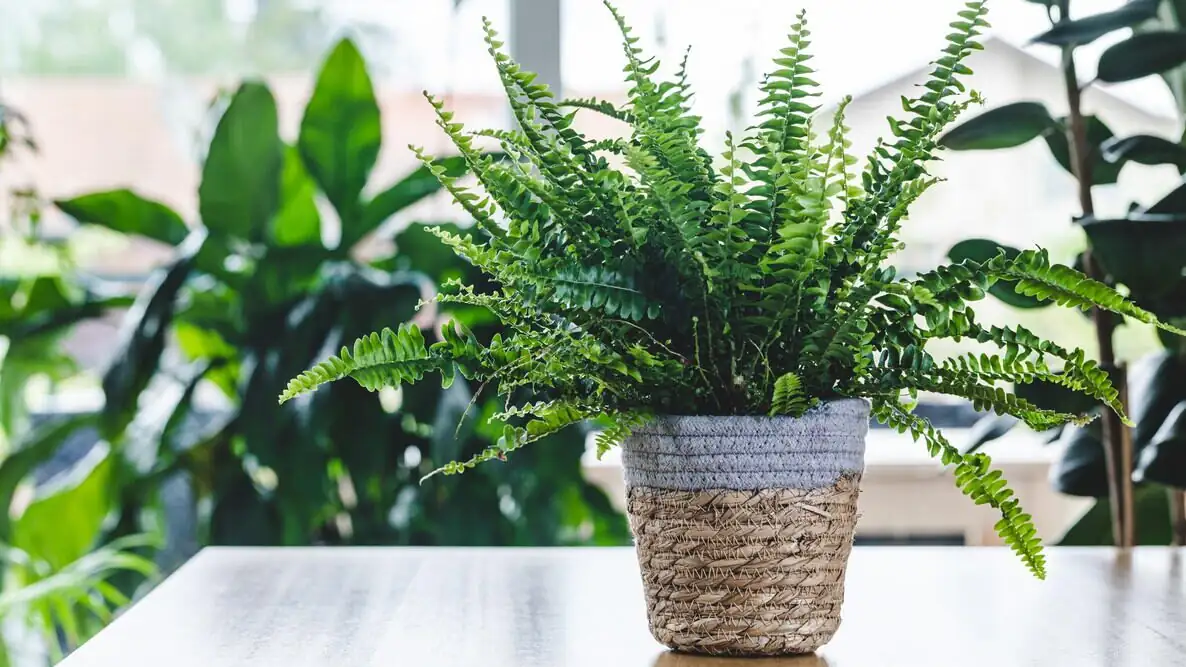
If you love the airy grace of ferns but worry about pets and little hands, the Chinese brake fern (Pteris vittata) is a refreshing, low-risk choice. With feathery, finger-like fronds that ripple on wiry dark stems, it brings an elegant, fountain-like look to shelves, plant stands, and hanging baskets—no flowers needed.
Still, “non-toxic” never means “zero reaction.” Let’s take a calm, vet-informed look at what those labels really mean, why mild tummy upset can still happen, and how thoughtful placement and product choices keep curious nibblers safe.
Meet the Chinese Brake Fern (Pteris vittata)
Also known as Chinese brake fern, brake fern, and ladder brake, this species is native to tropical and subtropical regions of the Old World and is now widely naturalized in warm climates.
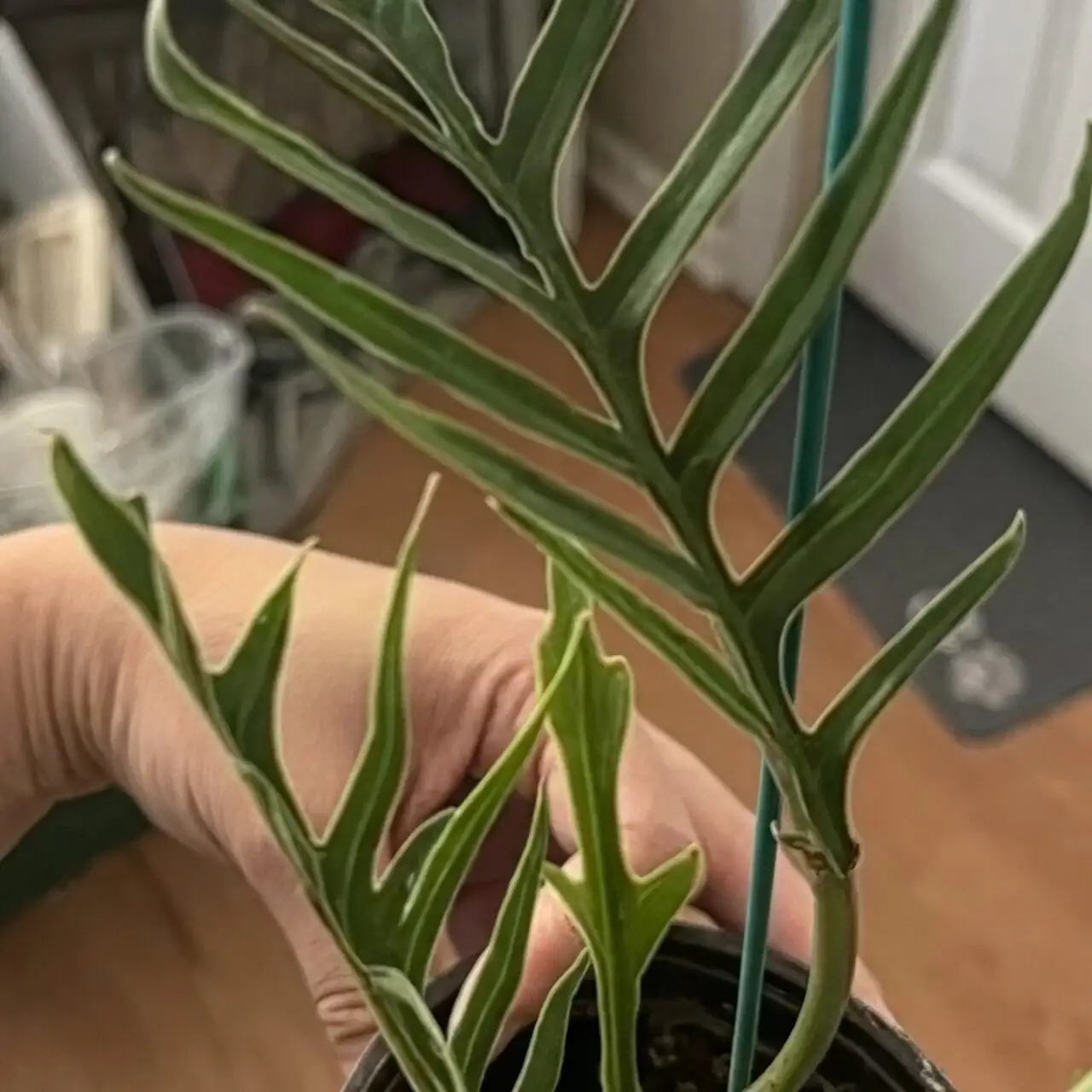
- Look: Dense, finely divided, narrow fronds arch outward on dark, wiry stems; some cultivated forms have a pale stripe down the center of each leaflet.
- Size in pots: Typically 12–24 in (30–60 cm) tall and wide; mature houseplants often reach ~24 × 24 in (60 × 60 cm).
- Habit: Clump-forming, tufted, and arching—ideal for pots or hanging baskets.
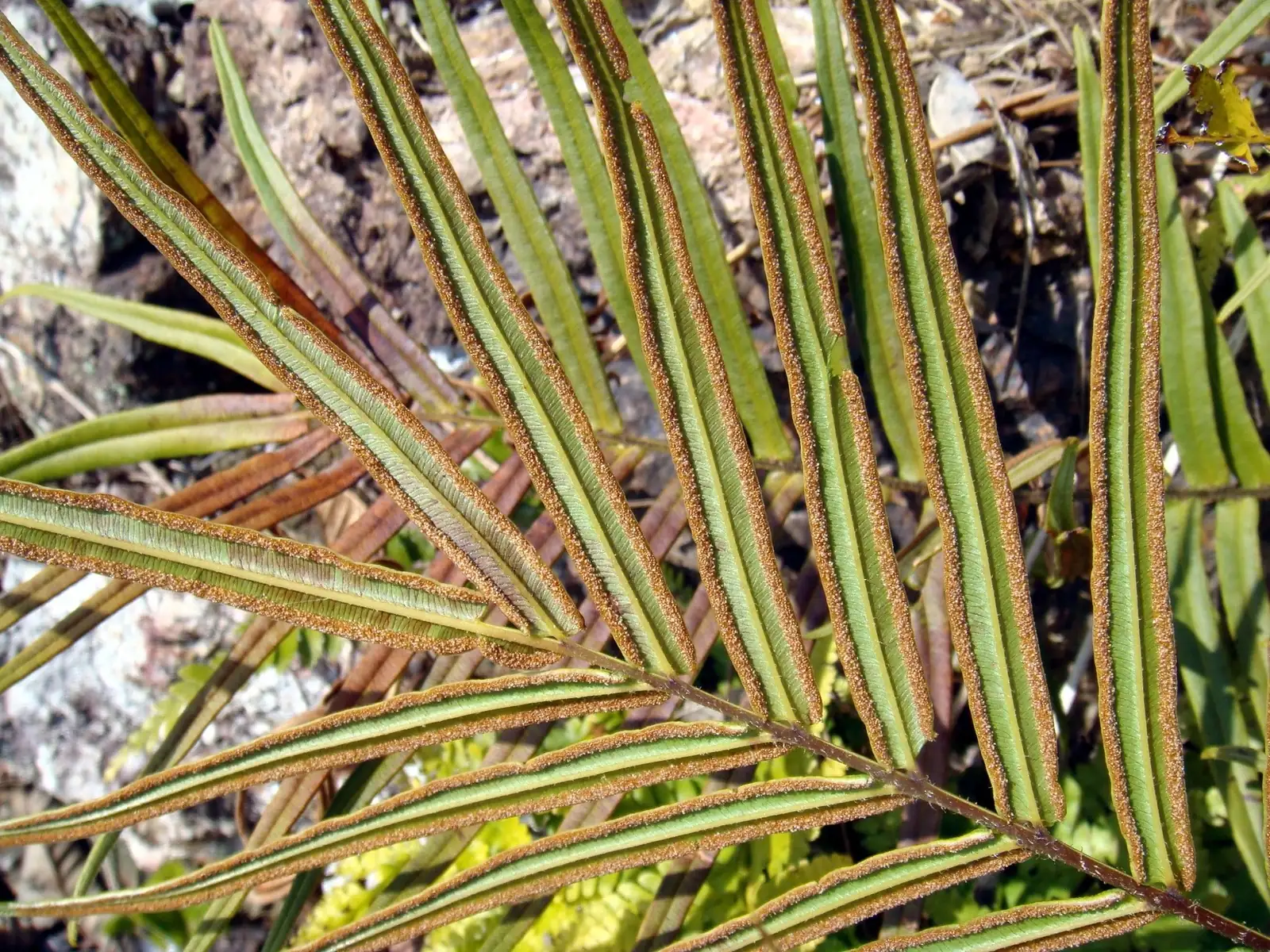
- Flowers: None—this is a fern. Instead, it produces spores on the undersides of mature fronds.
Light, Temperature, and Humidity
- Light: Bright, filtered light to part shade. Avoid harsh direct sun, which crisps tips and yellows fronds. East or north windows, or a south window with a sheer curtain, are perfect.
- Temperature: Comfortable at typical indoor temps. Best around 64–81°F (18–27°C); tolerates 55–75°F (13–24°C). Protect from cold drafts and prolonged dips below ~50°F (10°C).
- Humidity: Moderate humidity is fine, but it truly glows at 60–70%. In dry rooms, mist regularly, group plants, or place it in a bright bathroom.
Watering, Soil, and Feeding
- Watering rhythm: Keep evenly moist—never soggy—during spring through autumn. Indoors, that can mean watering roughly 3 times weekly in summer (adjust to light, pot size, and your home’s conditions). In winter, scale back to about weekly, watering when the surface starts to dry. Always drain excess; don’t let it sit in water.
- Soil: A moisture-retentive yet free-draining mix. Try 2 parts all-purpose potting mix + 1 part fine bark + 1 part horticultural charcoal. Drainage holes are non-negotiable.
- Fertilizer: Feed monthly in spring–early autumn with a balanced liquid fertilizer at half strength. Keep fertilizer off fronds to prevent spotting; flush the pot with plain water occasionally to avoid salt buildup.
Grooming, Repotting, and Propagation
- Pruning: Snip yellowed, browned, or tattered fronds at the base whenever you see them. Thinning a few tall, fertile (spore-bearing) fronds can improve airflow and shape.
- Repotting: Every ~2 years in spring, or sooner if rootbound. Step up only one pot size, or divide the clump and replant into fresh mix.
- Propagation: Best by division during repotting. Spore-growing is possible but slow and advanced.
A Vet-Informed Look at Safety: Non-Toxic Doesn’t Mean “Eat Me”
Most poison-control lists and veterinarians consider Pteris ferns generally non-toxic or low-toxicity to pets. That’s great news for mixed plant-and-pet households. But any plant—even “safe” ones—can cause mild gastrointestinal upset if chewed or swallowed. Here’s why:
- Fiber overload: Pets’ digestive systems aren’t designed for big hits of fibrous, chlorophyll-rich material; that alone can trigger vomiting or soft stool.
- Mechanical irritation: Frond texture can irritate the mouth or stomach lining in sensitive animals.
- What’s on the plant: Residues from fertilizer, hard-water salts, dust, or pest sprays can irritate the gut if licked or ingested.
- What’s in the pot: Curious pets often ingest potting mix, perlite, or bark when “taste-testing,” which can upset the stomach.
Good to know: Pteris vittata is famous for hyperaccumulating arsenic in contaminated soils (a science win for phytoremediation outdoors). As a houseplant in clean potting mix, this is not a hazard; just don’t use soil from questionable sites for indoor plants, and keep any phytoremediation specimens strictly outside and inaccessible.
If Your Pet Nibbles
- Wipe the mouth with a damp cloth and offer fresh water.
- Monitor for drooling, lip-smacking, vomiting, or soft stool—signs usually pass quickly.
- Call your veterinarian or a poison-control hotline if:
- Your pet ate a large amount
- You recently used pesticides/fungicides/fertilizers on the plant
- Symptoms are persistent, severe, or your pet is very young, elderly, or has underlying conditions
Placement Strategies to Outsmart Curious Nibblers
Ferns practically invite touch—so thoughtful placement is your first, best safety tool.
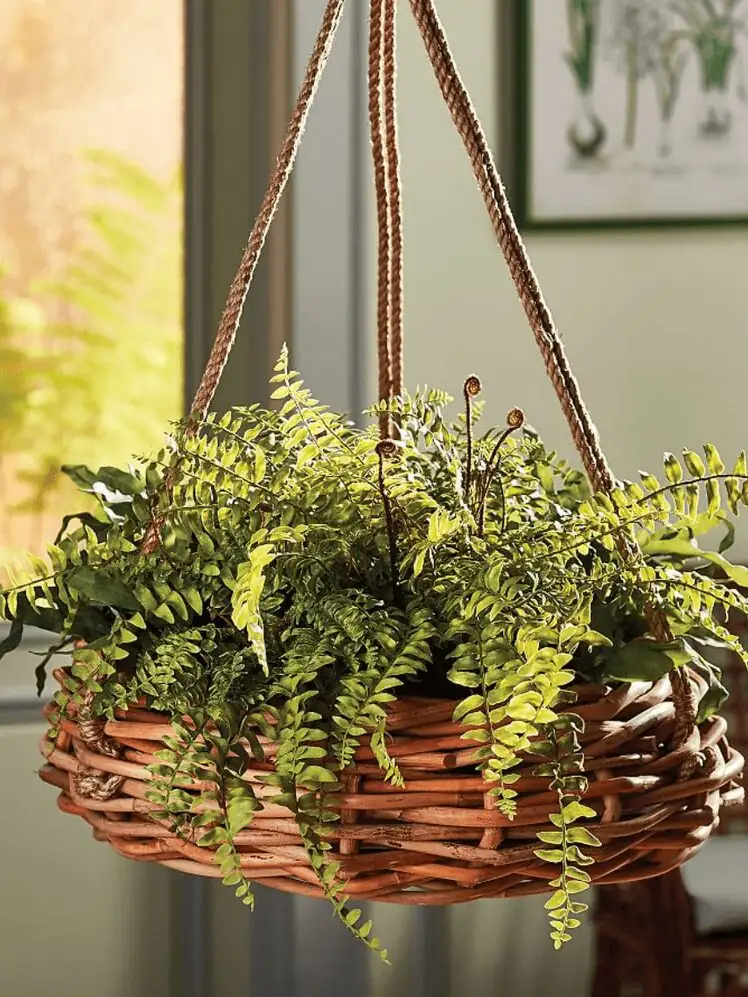
- Elevate and isolate
- Hanging baskets in bright, indirect light (macramé or ceiling hooks anchored into studs)
- Wall-mounted shelves or rails, with pots secured by clips or museum putty
- High bookcases or plant ledges near east/north windows
- Choose pet-savvy rooms
- Bright bathrooms are ideal: higher humidity, fewer temptations
- Keep away from pet perches (window seats, sofa backs) and from traffic zones where tails swipe
- Hide the “sandbox”
- Topsoil with a breathable barrier: a ring of coco fiber liner, a snug mesh cover, or a mat of sphagnum moss (rinsed and salt-free). Avoid cocoa shell mulch around dogs.
- Stabilize and protect
- Heavy-bottomed planters, wide stands with a lip, or floor pots in low-traffic corners
- Wire plant domes or large acrylic cloches for small specimens (ensure airflow; ferns dislike stale, wet fronds)
Helpful Products (Pet-Safe Principles)
- Pest control: Insecticidal soap or horticultural oil for scale/mealybugs; rinse residues after treatment and isolate the plant until dry. Raise humidity and rinse fronds to deter spider mites. Avoid systemic insecticides in homes with nibblers.
- Fertilizers: Dilute liquid feeds to half strength; wipe any drips off fronds. Slow and light wins with ferns.
- Deterrents and training:
- Offer “legal greens” like pet grass to satisfy grazing urges.
- Train a leave-it/recall cue; reward curiosity directed at toys, not plants.
- Bitter-tasting sprays can be applied to pot rims or stands (not fronds) if needed; test first to avoid staining and always ventilate.
Common Hiccups (and Quick Fixes)
- Yellow, curling fronds: Often from strong sun, dry soil, or drafts. Move to bright, filtered light; water thoroughly and evenly; boost humidity. Remove damaged fronds at the base—new ones should emerge.
- Browning tips: Typically dry air, underwatering, or fertilizer salt buildup. Increase humidity, re-balance watering, and occasionally flush the mix with plain water.
- Leaf spot: Improve airflow, avoid leaving fronds wet overnight, remove affected fronds; use a fern-safe fungicide only if needed.
Where It Thrives Indoors
- East- or north-facing windowsills with filtered light
- A bright bathroom shelf
- A hanging basket set back from a sunny window
- Away from heaters, AC vents, and hot, direct midday sun
Fun (and Nerdy) Facts
- Pteris vittata is a renowned “arsenic hyperaccumulator” studied for cleaning contaminated soils—proof that some plants are quiet environmental superheroes.
- Ferns reproduce by spores, not seeds. Look for the tidy spore clusters underneath mature fronds.
- Compared with fussier ferns, this one is forgiving—as long as you don’t let it repeatedly dry out or bake in direct sun.
Symbolism and Lore
Ferns are often linked with quiet resilience and understated elegance—green architecture that endures without a single bloom. Unlike the formal “flower language” traditions pinned to roses or lilies, fern symbolism is more about cultural observation: a plant that thrives in shade, asks little, and offers calm, restful texture. For home decorators, that translates to serenity and steadiness—perfect for the places you want to exhale.
Quick FAQ
- What light does it need?
- Bright, indirect light to partial shade. Midday sun can scorch and crisp the fronds.
- Does it require high humidity?
- Moderate humidity is usually fine, but it looks best and stays tip-top around 60–70%.
- My plant is huge. Must I up-pot?
- Not necessarily. Divide the clump in spring and replant a portion back into the same pot with fresh mix.
A final word: Chinese brake fern is generally non-toxic and wonderfully suited to homes with pets and kids, provided you use clean potting mix, gentle care products, and smart placement. Give it bright, filtered light and even moisture, elevate it out of easy reach, and you’ll enjoy a lush, pet-friendly green fountain for years.