

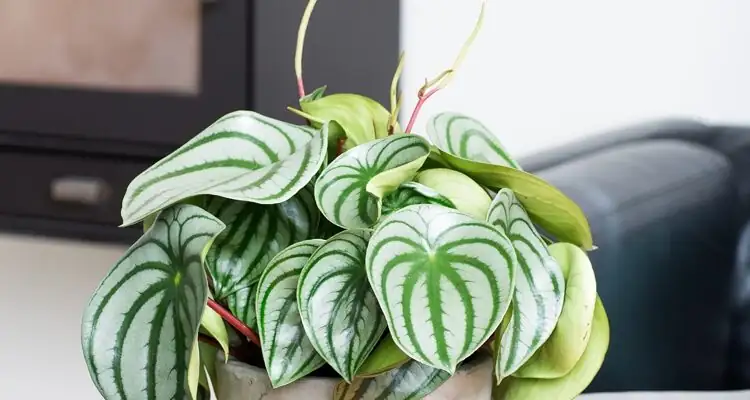
Rippled leaves, pet-safe vibes, and a knack for tight spaces—Peperomia caperata (aka Ripple Peperomia) is the compact companion that thrives where many houseplants merely tolerate. If you’re eyeing your kitchen, bathroom, or that medium‑light corner you’re never quite sure what to do with, this is your plant. Place it well, keep air moving gently, and those sculptural, heart-shaped leaves stay crisp while pests get the not‑welcome memo.
Meet Ripple Peperomia (Peperomia caperata)
- Identity: Piperaceae family; also called Emerald Ripple Peperomia or Radiator Plant
- Origin: Tropical South America (commonly Brazil)
- Size: A tidy 25 × 25 cm (about 10 × 10 in)
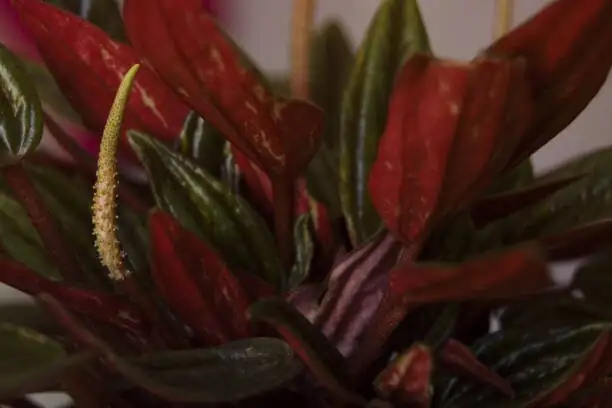
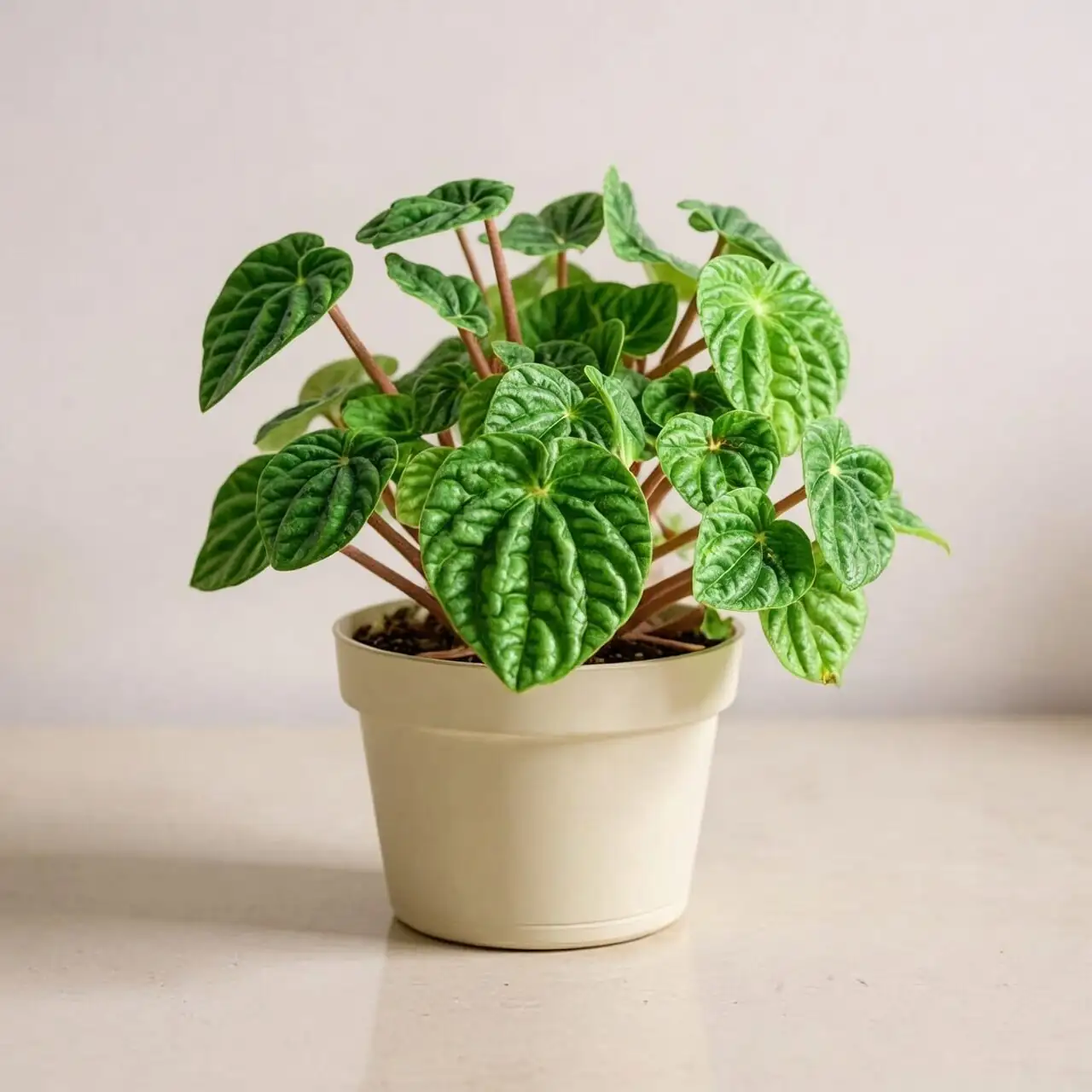
- Look: Heart-shaped leaves with fine ripples; cultivars range from deep green to burgundy with a satiny, two‑tone sheen in bright, indirect light
- Flowers: Slender cream to pale green spikes in summer—more “tiny candle wicks” than a floral show
- Light: Partial shade to bright, indirect light; avoid harsh midday sun
- Comfort zone: 15–24°C (59–75°F), and keep it above 12°C (54°F)
- Humidity: Moderate to high (around 50%+). Naturally humid rooms are a hit.
Why placement and airflow matter so much
Ripple Peperomia’s deeply puckered leaves are stunning—and a bit like corduroy. Water droplets and stale air linger in those folds, which can invite spotting or pests in dry, stagnant conditions. Good placement and gentle airflow solve this:
- Airflow keeps leaves dry and crisp between waterings.
- Movement discourages mealybugs, spider mites, and scale from settling.
- Stable temperatures protect those succulent‑ish stems from chills and rot.
Tip: Think “breeze,” not “blast.” Avoid direct AC/heater vents and cold drafts near leaky windows.
The kitchen: a gentle bustle it loves
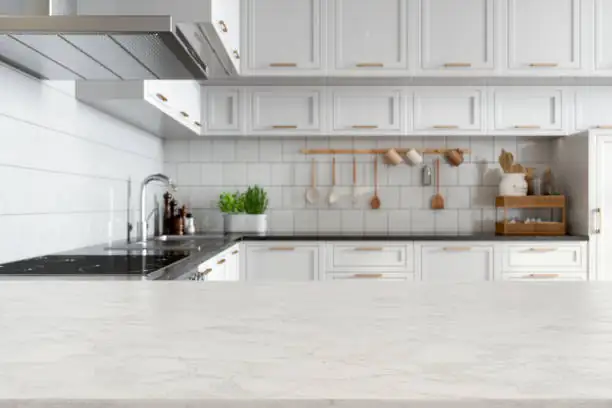
Kitchens usually have bright, indirect light and soft, ambient humidity—exactly what this plant ordered.
Best spots
- An east- or north-facing sill, or a counter/shelf near an east window
- A few feet back from a south or west window behind a sheer curtain
What to avoid
- Direct sunbeams that scorch
- Heat bursts from the oven, cooktops, or under-cabinet lighting
- Sitting right under a vent
Airflow tricks
- Crack a window for a few minutes during meal prep (if temps are mild)
- Run the range hood briefly to keep air moving—just don’t place the plant in the draft
Watering rhythm here
- Spring–autumn: water when the top of the potting mix dries
- Winter: keep almost dry; water lightly
- Skip misting—the ripples catch droplets that can spot. Use a pebble tray with the pot above the waterline for a humidity nudge.
The bathroom: spa vibes without the splash
Bathrooms offer steady humidity—gold for Peperomia caperata—provided there’s light and some air movement.
Winning placements
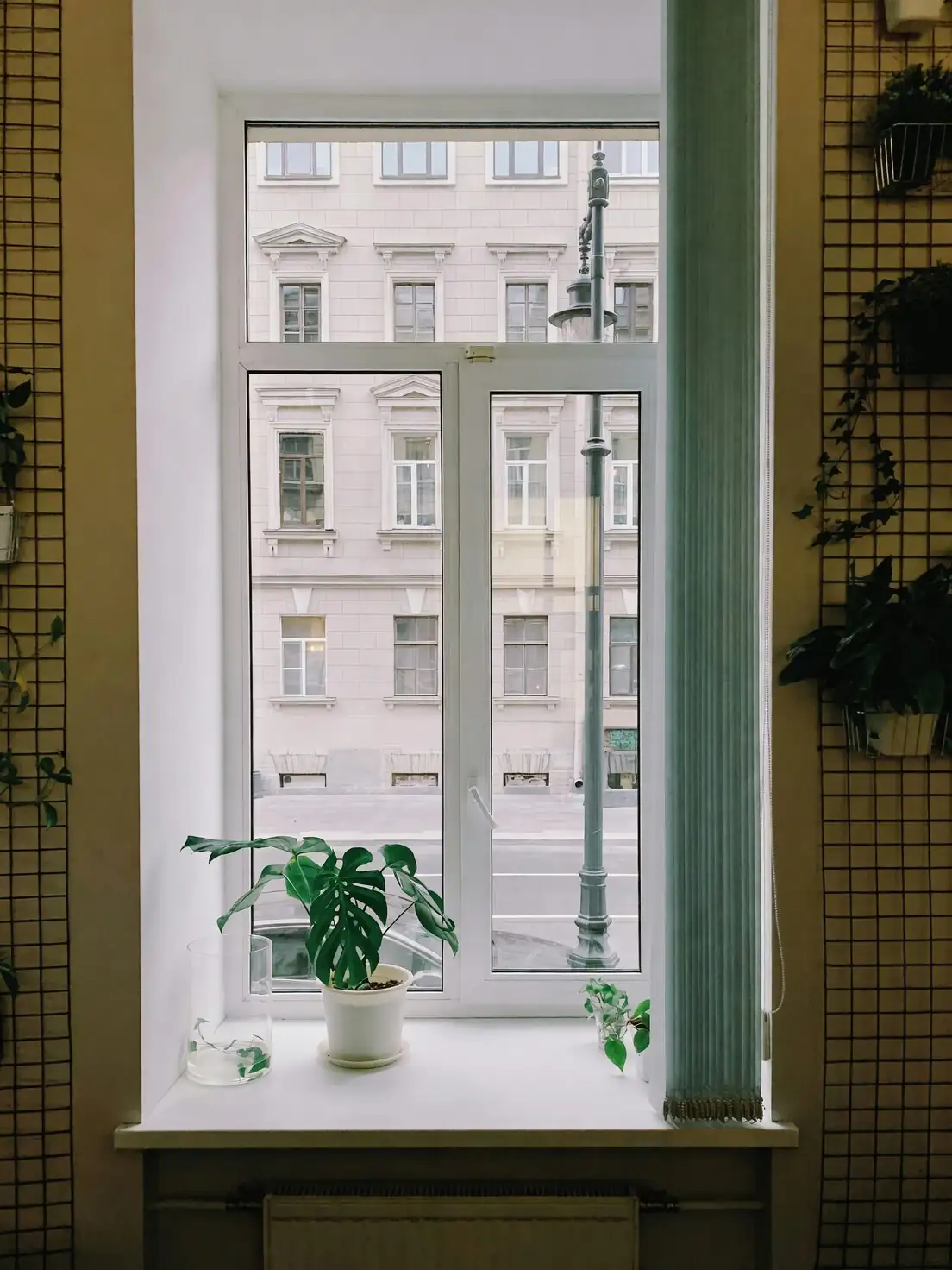
- A bright shelf by a frosted window
- A vanity or plant stand near an east/north window
- A hanging pot where steam passes by but doesn’t condense on leaves
Airflow essentials
- Run the exhaust fan during and after showers
- Crack the door for 20–30 minutes to clear steamy buildup
Care notes
- Don’t park it in the shower’s spray path
- Wipe any water collecting in leaf folds with a soft cloth
Medium‑light corners that keep leaves crisp
This plant shines in those softer-lit zones you’ve hesitated to plant.
How to read the light
- Ideal: a spot 1–3 m (3–10 ft) from a bright window with no direct midday sun
- Too dim: where you’d struggle to read a book midday without a lamp
Make the corner count
- Bounce light with pale walls or a mirror opposite the window
- Create a gentle cross-breeze with a ceiling fan on low
- Avoid cold windowpanes in winter and drafty doors
Pet-safety, confidently
- Good news: Peperomia caperata is generally considered non‑toxic to cats and dogs.
- Real‑world note: Any plant nibbling can trigger mild stomach upset. If you’ve got an enthusiastic chewer:
- Offer cat grass as a decoy snack
- Elevate the plant on a shelf or pedestal
- Keep the pebble tray water level low and inaccessible
Potting mix, watering, and the “small pot” rule
- Pot: A snug 10 cm (4 in) pot with drainage; this plant prefers being slightly rootbound
- Mix: Loose, airy, fast‑draining houseplant soil with a generous handful of perlite
- Water: Thoroughly moisten, then let the top dry before watering again; err on the dry side
- Feeding: Monthly at half strength in spring–autumn; reduce/stop in winter
- Repotting: Every 2–3 years or once it’s rootbound—avoid oversized pots that stay wet
Pro tip: Use a cachepot with feet or a coaster to protect bathroom vanities and kitchen shelves from moisture.
Airflow playbook to sidestep pests
- Rotate the pot weekly so all sides receive even light and airflow
- Wipe leaves gently to remove dust and deter pests
- Inspect leaf bases and stems monthly for mealybugs, mites, or scale
- Treat early with insecticidal soap or horticultural oil if needed
- Quarantine any new plants for two weeks before introducing nearby
Seasonal tweaks that keep it happy
- Summer:
- Flower spikes may appear—cute, and easy to snip once spent
- Pull the plant slightly back from hot windows
- Water when the surface dries, but never leave it soggy
- Winter:
- Move closer to bright windows, but protect from cold panes
- Keep the mix almost dry and reduce or stop fertilizing
- Watch for drafts below 12°C (54°F)
Quick placement recipes
- East kitchen window, 60–90 cm (2–3 ft) back + pebble tray + low fan in the morning
- Bright bathroom shelf by a frosted north window + post‑shower exhaust fan
- Living room, 1.5–2 m (5–7 ft) from a bright window + sheer curtain + ceiling fan on low
- Home office bookcase near an east window + weekly leaf wipe‑down + monthly feed (half strength)
Tiny troubleshooting
- Leaf edges crisping or bleaching: Too much sun or hot, dry air. Move back, add a sheer, and use a pebble tray.
- Mushy stems, sour soil smell: Overwatering or heavy mix. Repot into airy soil with perlite and let the top dry between waterings.
- Flattened, dull leaves: Light is too low. Shift closer to bright, indirect light.
- Speckling/webbing: Spider mites love dry, still air. Improve airflow and treat promptly.
A note on “flower language” and symbolism
There’s no centuries-old legend attached to Peperomia caperata, but modern plant lovers often read its rippled, heart‑shaped leaves as quiet resilience and gentle charm. It’s a small plant that holds its sculptural form with poise—living artwork for intimate spaces. If you’re gifting one, it whispers steadiness and soft strength more than fanfare.
—
Place Ripple Peperomia where the air moves softly and the light is kind—kitchens, bathrooms, and calm corners—and it will reward you with evergreen texture, pet‑friendly peace of mind, and leaves that stay crisp enough to catch the light like satin.