

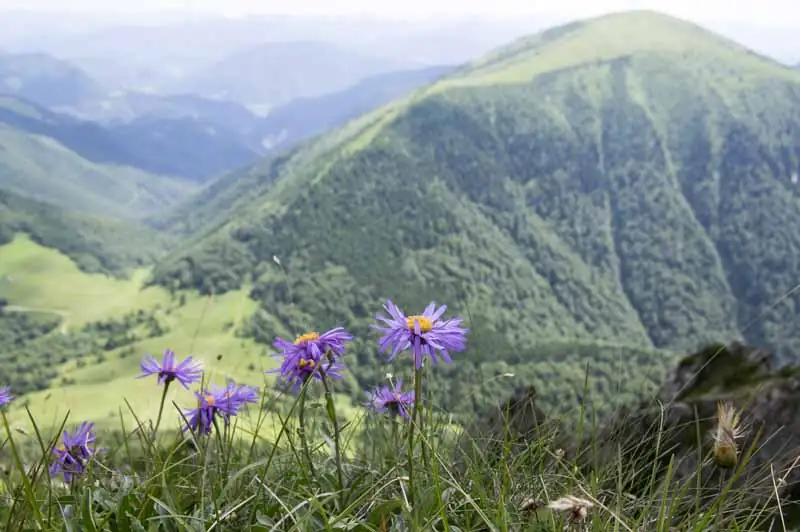
Meet the Alpine Aster: A Star of the Mountainous Gardens
Imagine a flower that seems to capture the very essence of the rugged, breathtaking mountain landscapes from which it hails. The Alpine Aster, known scientifically as Aster alpinus L., is precisely that—a vibrant, daisy-like perennial that brings a burst of color to rock gardens and sunny borders. But even the toughest of mountain flowers are not impervious to the garden challenges of pests and diseases. Let’s delve into the common adversaries of the Alpine Aster and explore effective strategies to keep your blooms healthy and thriving.
Common Pests: Tiny Terrors of the Alpine Aster
Despite its robust nature, the Alpine Aster can occasionally fall victim to some garden pests. Among these, aphids are perhaps the most common. These tiny, sap-sucking insects can cluster on stems and leaves, ultimately weakening the plant and distorting new growth. If you notice a sticky residue on your plant, it might be honeydew—a telltale sign of aphid activity.
Prevention and Control:
- Encourage Beneficial Insects: Ladybugs and lacewings are natural predators of aphids and can be a gardener’s ally. Consider planting companion plants that attract these beneficial insects.
- Neem Oil Sprays: A regular application of neem oil can help deter aphids and other pests without harming the environment.
- Manual Removal: For minor infestations, a strong spray of water can dislodge aphids. Alternatively, you can wipe them off with a damp cloth.
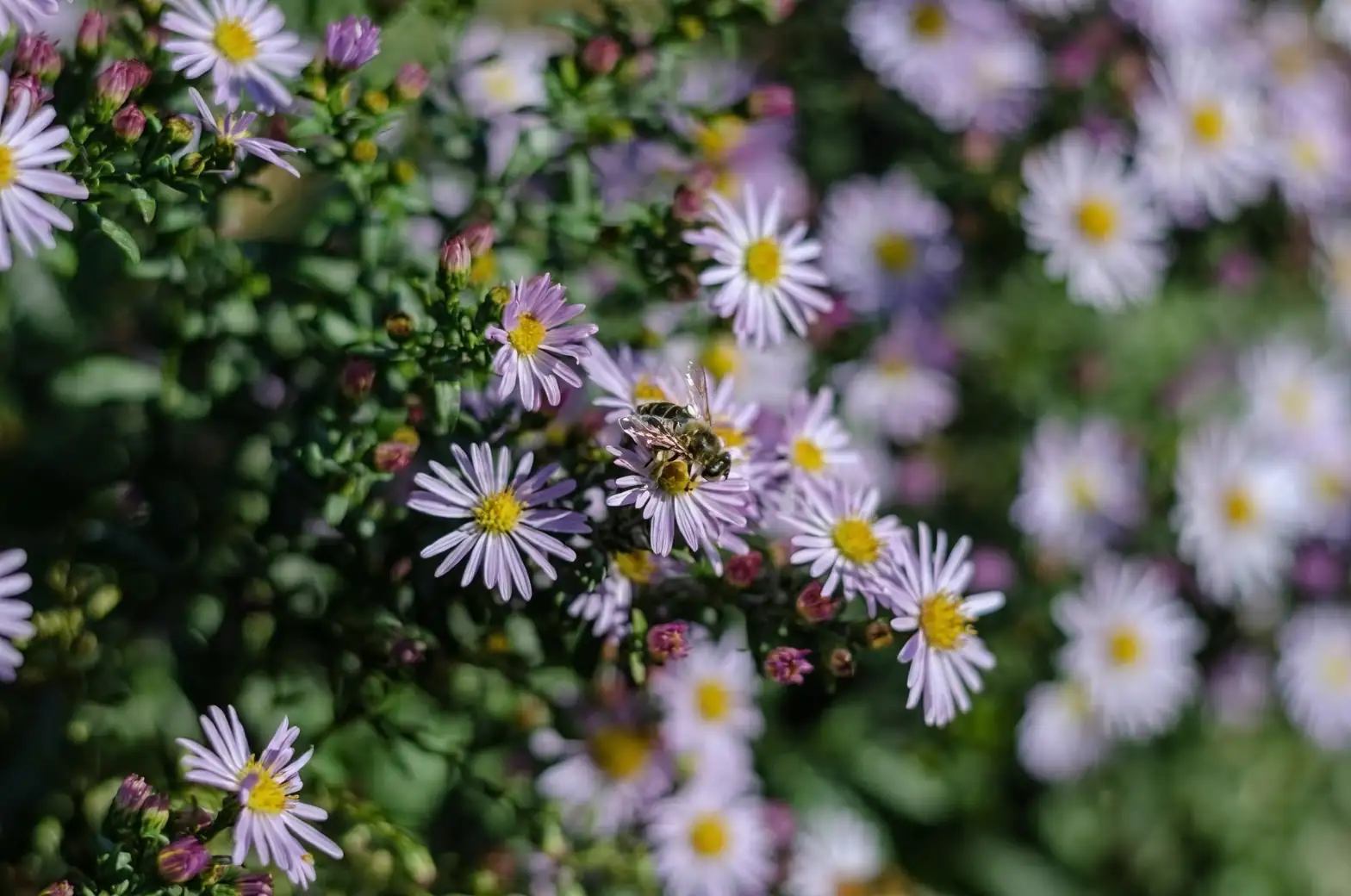
Fungal Foes: Powdery Mildew and Beyond
Alpine Asters thrive in cool, well-ventilated environments, but prolonged humidity can invite unwanted fungal guests. Powdery mildew is a common issue, manifesting as a white, powdery coating on leaves and stems. While it rarely kills the plant, it can stunt growth and diminish the plant’s aesthetic appeal.
Prevention and Control:
- Optimal Spacing: Ensure adequate spacing between plants to promote air circulation. A crowded flower bed is a playground for fungal diseases.
- Water Wisely: Avoid overhead watering late in the day. Instead, water at the base of the plant to keep foliage dry.
- Fungicidal Treatments: If mildew persists, consider using a fungicide specifically designed for powdery mildew. Always follow the product instructions carefully.
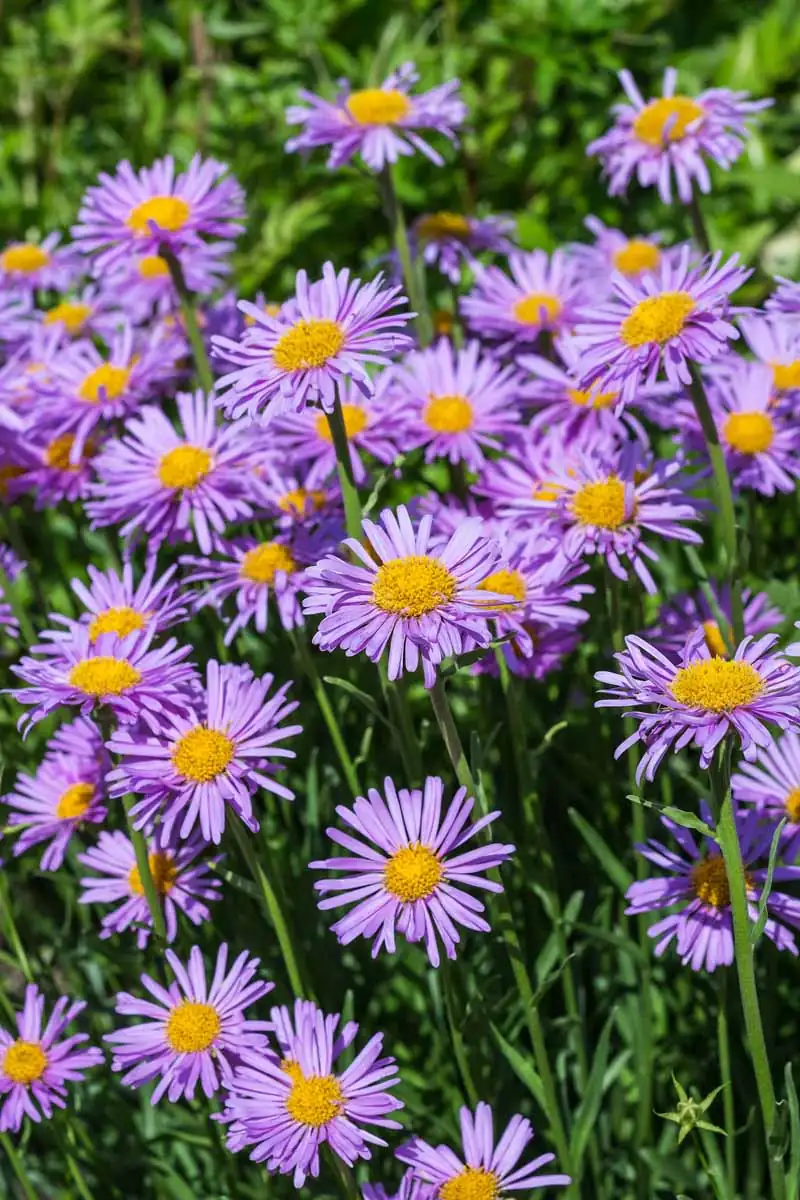
Other Notable Nuisances
Beyond aphids and powdery mildew, the Alpine Aster may occasionally face challenges from other pests and diseases:
- Slugs and Snails: These nocturnal nibblers can be controlled with organic slug pellets or by setting up barriers of crushed eggshells.
- Leaf Spot and Rust: These conditions often result from wet foliage. Removing affected leaves and ensuring proper sanitation can help keep these fungal issues at bay.
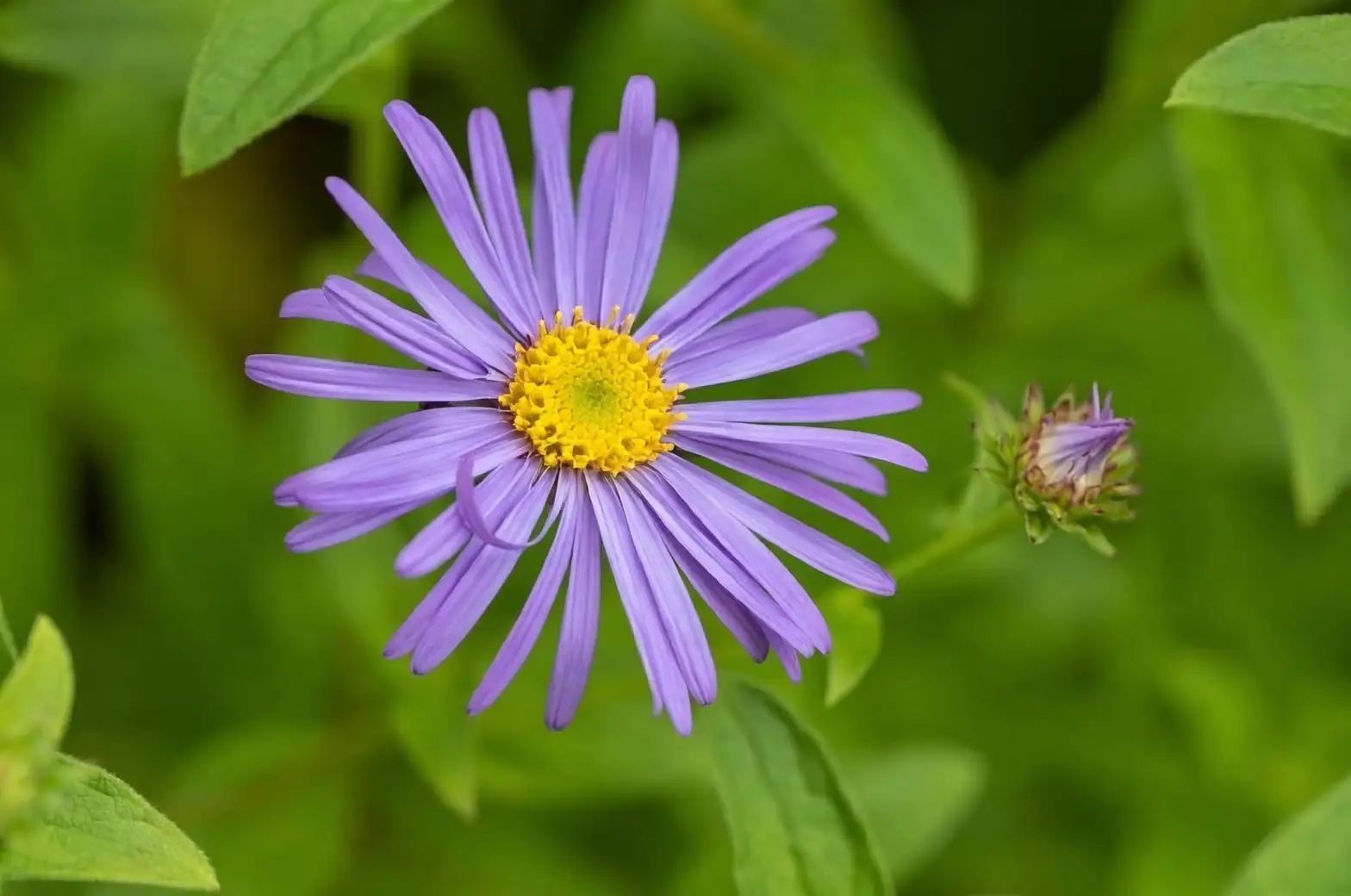
Keeping Your Alpine Asters Healthy
While the Alpine Aster is generally low-maintenance, a few proactive measures can ensure it remains a standout in your garden:
- Regular Inspections: Make it a habit to check your plants regularly for signs of stress or infestation.
- Pruning and Deadheading: Removing spent blooms not only encourages more flowers but also reduces the plant’s vulnerability to disease.
- Nutrient Management: Remember, Alpine Asters prefer lean soils. Over-fertilization can lead to lush, weak growth that’s more susceptible to pests and diseases.
In Conclusion
Despite their mountainous origin, Alpine Asters can face a few challenges when brought to our gardens. But with a little vigilance and care, these stunning flowers can live up to their symbolic associations of love, patience, and longevity. By understanding and managing the common pests and diseases that affect them, you can enjoy the vibrant blooms of your Alpine Asters all season long. So, are you ready to let these high-altitude beauties star in your garden show?


