


Protecting Your Lotus: A Deep Dive into Pests and Diseases
The mesmerizing beauty of Nelumbo nucifera, the sacred lotus, standing tall above tranquil waters, is a sight to behold. But even this symbol of purity and resilience has its battles, particularly with pests and diseases that threaten its splendor. Whether you’re nurturing a lotus in a serene pond or a charming patio tub, understanding these challenges and how to manage them is crucial. Let’s embark on this journey to keep your lotus thriving!
—
Common Pests Targeting Your Lotus
1. Aphids: The Sap-Sucking Menace
- Identification: Aphids are small, pear-shaped insects and can appear in green, black, or yellow hues.
- Damage Caused: They feed on the sap of your lotus, potentially stunting growth and leading to curled leaves and sticky honeydew residues.
- Control Strategies: Introduce natural predators like ladybugs, or employ organic treatments like neem oil or insecticidal soap. For more stubborn infestations, chemical insecticides formulated for aphids can be effective.
2. Spider Mites: The Tiny Weavers
- Identification: These minuscule pests are often red or green, leaving behind fine webbing on the leaves.
- Damage Caused: Spider mites extract vital sap, causing leaves to yellow and fall prematurely.
- Control Strategies: Increase humidity to deter their proliferation, or apply miticides and insecticidal soaps. Neem oil also serves as an effective organic option.
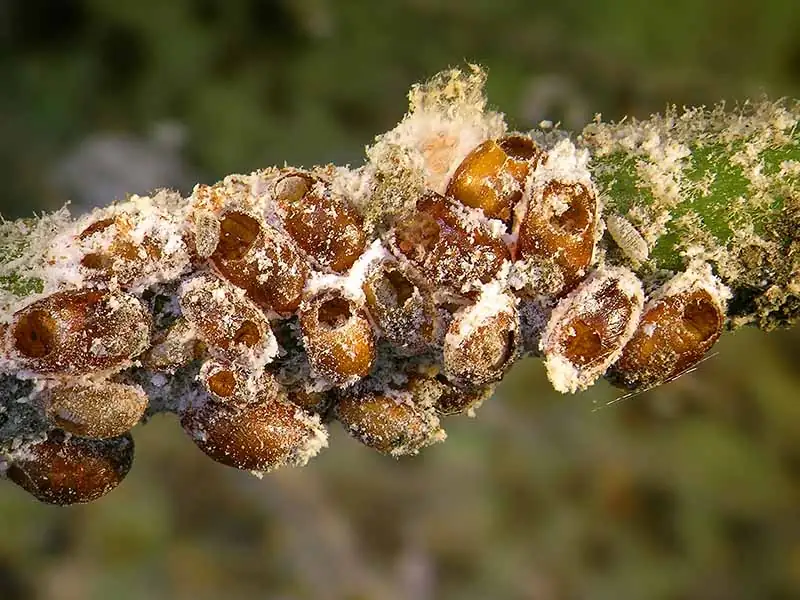
3. Scale Insects: The Stealthy Sappers
- Identification: Often appearing as waxy, immobile bumps on stems and leaves, scale insects excrete sticky honeydew.
- Damage Caused: Their feeding weakens your lotus, leading to yellowing and stunted growth.
- Control Strategies: Use systemic insecticides for severe infestations. For a gentler approach, apply rubbing alcohol with a cotton swab to remove them manually.
4. Leaf-Cutting Caterpillars and Moths
- Identification: Look out for irregular holes and chewed edges on leaves.
- Damage Caused: These caterpillars can quickly defoliate your lotus, impacting photosynthesis.
- Control Strategies: Handpick caterpillars if possible, and consider using Bacillus thuringiensis (Bt) products. This bacteria is safe for aquatic environments and effective against caterpillars.
5. Waterlily Leafcutter and Other Beetles
- Identification: Look for ragged holes on the leaves.
- Damage Caused: These pests can create significant leaf damage.
- Control Strategies: Use traps to divert beetles, or remove them manually. Applying a drop of dish soap mixed with water can also deter them.
—
Diseases that Can Plague Your Lotus
1. Leaf Spot/Blight
- Symptoms: Brown or black spots on leaves, often expanding to larger blotches.
- Causes: Typically caused by fungal pathogens thriving in crowded or poorly ventilated setups.
- Prevention and Control: Ensure adequate spacing and airflow, remove affected leaves promptly, and maintain good water quality. In severe cases, fungicides labeled safe for aquatic use can help.

—
Enhancing Lotus Resilience Through Care
1. Optimal Plant Health
- Sunlight: Ensure your lotus receives full sun, ideally 6-8 hours daily. Too little sunlight weakens the plant and encourages susceptibility to pests.
- Water Management: Keep water levels stable and above the soil at all times. Sudden changes can stress the plant, making it more vulnerable.
- Fertilization: Feed your lotus with aquatic fertilizers during the growing season to bolster its defenses against pests and diseases.
2. Eco-Friendly Pest Management
- Embrace beneficial insects like dragonflies and frogs, which naturally control pest populations.
- Avoid harsh chemical sprays that could harm aquatic life and disrupt the ecological balance of your pond or water garden.
—
Prevention is Better Than Cure
The old adage holds true—prevention is key. By maintaining robust plant health, ensuring proper care, and staying vigilant about pest and disease signs, you can cultivate a resilient and flourishing lotus. Remember, the lotus is not just a plant; it’s a living testament to beauty emerging from adversity, a symbol of purity and strength. With the right care and attention, your lotus will continue to be the centerpiece of your aquatic sanctuary, delighting you with its serene elegance for seasons to come.


