

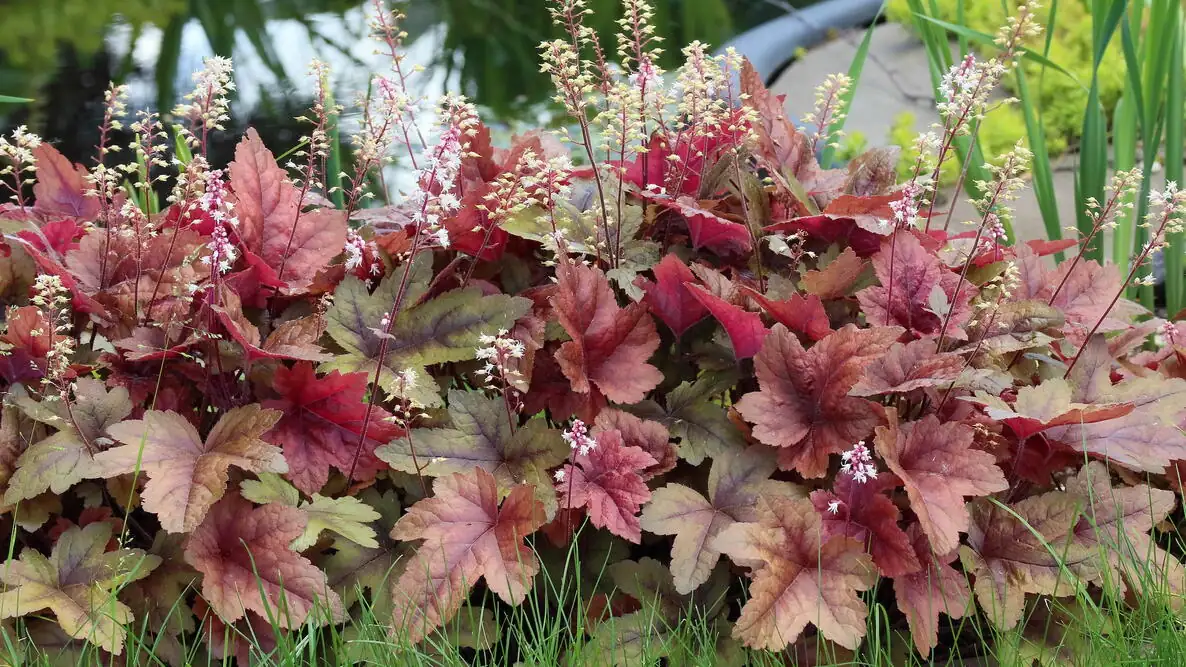
Coral Bells, also known as Heuchera sanguinea Engelm., are like the artists of the plant world, bringing a splash of color to shady corners with their vibrant, palette-like foliage. These resilient perennials are adored for their heart-shaped leaves that come in a stunning array of colors, from deep burgundy to bright chartreuse. But even these hardy plants can fall victim to a host of pests and diseases. In this article, we’ll explore how to identify common threats to Coral Bells and offer organic solutions to keep your garden thriving.
Common Pests Threatening Coral Bells
While Coral Bells are relatively easy to care for, they can occasionally be troubled by some pesky invaders. Let’s take a closer look at the usual suspects and how to tackle them.
Mealybugs
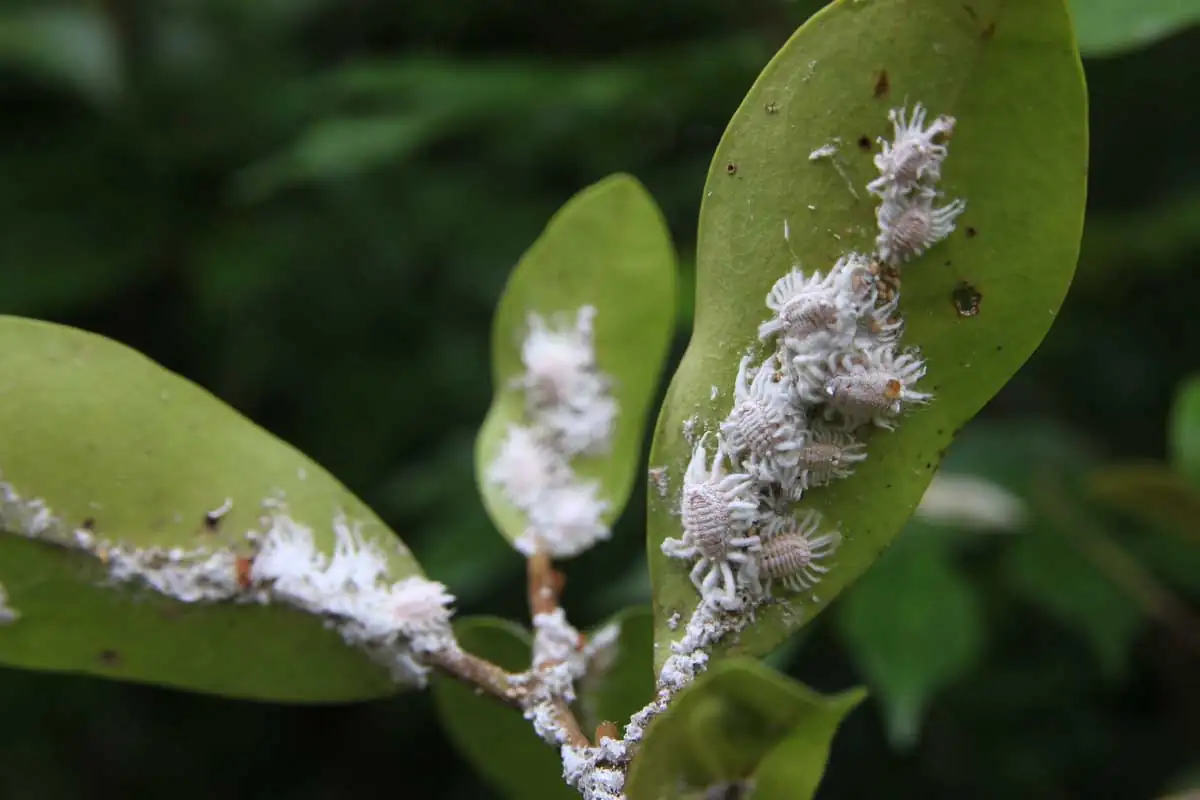
These tiny, sap-sucking insects may be small, but they can cause significant damage to your Coral Bells. Mealybugs are often found in clusters on the undersides of leaves or near the plant base, leaving behind a telltale sticky residue known as honeydew. This can attract ants and lead to sooty mold, giving your plant a wilted, unhealthy appearance.
Organic Solutions:
- Physical Removal: Act swiftly by removing affected foliage and wiping off any visible mealybugs with a cloth dipped in soapy water.
- Natural Sprays: Use a mixture of water and dish soap or apply neem oil to deter these pests. Several applications may be necessary to eliminate eggs and larvae.
Black Vine Weevils
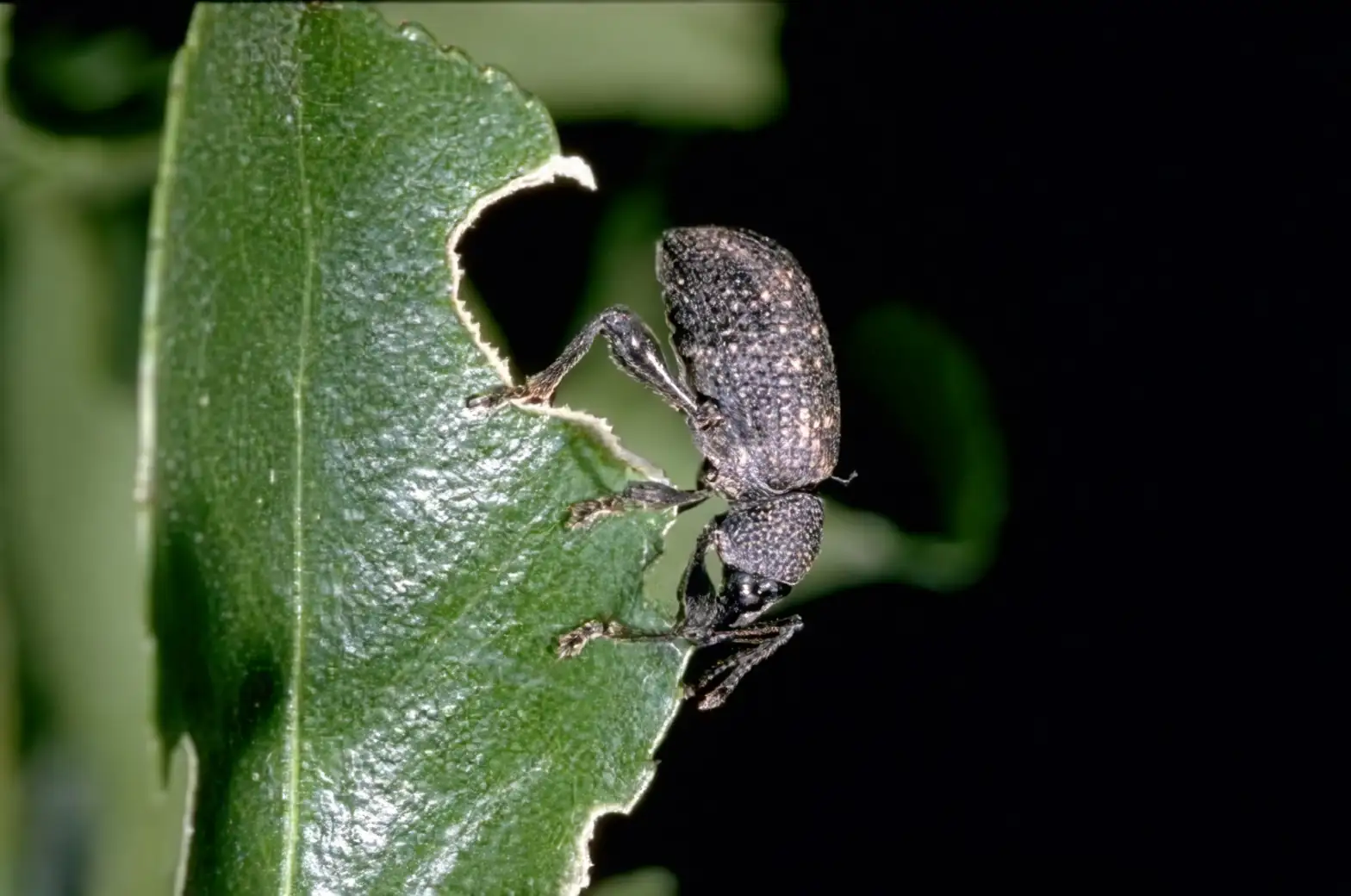
The black vine weevil is a formidable foe, with larvae that eat the roots and adults that feast on the leaves, leaving irregular holes. These pests can cause significant decline in plant health if not addressed.
Organic Solutions:
- Shake and Trap: Since weevils cannot fly, shake the plant to dislodge them, then capture them on a white sheet.
- Nematodes: Introduce beneficial nematodes to the soil to target the larvae without harmful chemicals.
Diseases Affecting Coral Bells
Coral Bells can also be susceptible to various fungal diseases, particularly in damp conditions. Here are some common ailments and how to treat them organically.
Downy Mildew
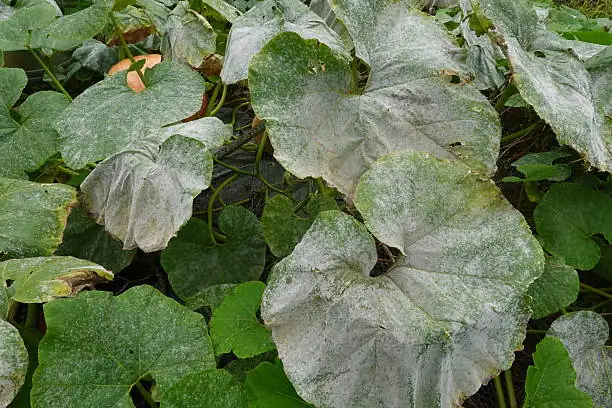
Downy mildew manifests as yellow spots on the upper leaf surfaces and a fuzzy gray mold on the undersides. It thrives in cool, wet weather, making early intervention crucial.
Organic Solutions:
- Good Airflow: Ensure plants are well-spaced to promote air circulation.
- Leaf Removal: Remove and destroy affected leaves immediately to prevent the spread.
- Fungicidal Treatment: Apply an organic fungicide like copper-based solutions regularly until the mildew is under control.
Gray Mold (Botrytis)
Botrytis blight, or gray mold, often attacks senescing plant parts, covering them with fuzzy gray growth. High humidity and poor air circulation exacerbate this disease.
Organic Solutions:
- Sanitation: Regularly remove dead flowers and leaves.
- Air Circulation: Thin out dense foliage to improve airflow, deterring fungal growth.
- Organic Fungicides: Use sulfur or bicarbonate sprays to combat the mold.
Leaf Spots
Leaf spots appear as necrotic areas on leaves, often surrounded by a dark ring. These are caused by several fungi and thrive in damp environments.
Organic Solutions:
- Prompt Removal: Cut away affected leaves to stop the spread.
- Fungicidal Sprays: Use sulfur-based or copper fungicides to treat the remaining plant.
Prevention Tips
Keeping Coral Bells healthy begins with prevention. Here are some expert tips to avoid pest and disease problems:
- Drainage: Ensure your soil is well-draining to prevent crown rot, a common killer of Coral Bells.
- Water Wisely: Water at the base of the plant to keep leaves dry and reduce fungal risks.
- Mulch: Apply mulch to stabilize soil temperature and retain moisture without waterlogging.
- Companion Planting: Incorporate plants like thyme and garlic, which can deter pests naturally.
Coral Bells are not just resilient; they symbolize quiet resilience and admiration through their persistent color and ability to thrive in challenging conditions. With these organic care tips, your Coral Bells can continue to enchant your garden with their beauty and grace, season after season. Whether it’s their historical medicinal uses or their vibrant hues that catch your eye, these perennials are sure to be a cherished part of your plant collection.


