

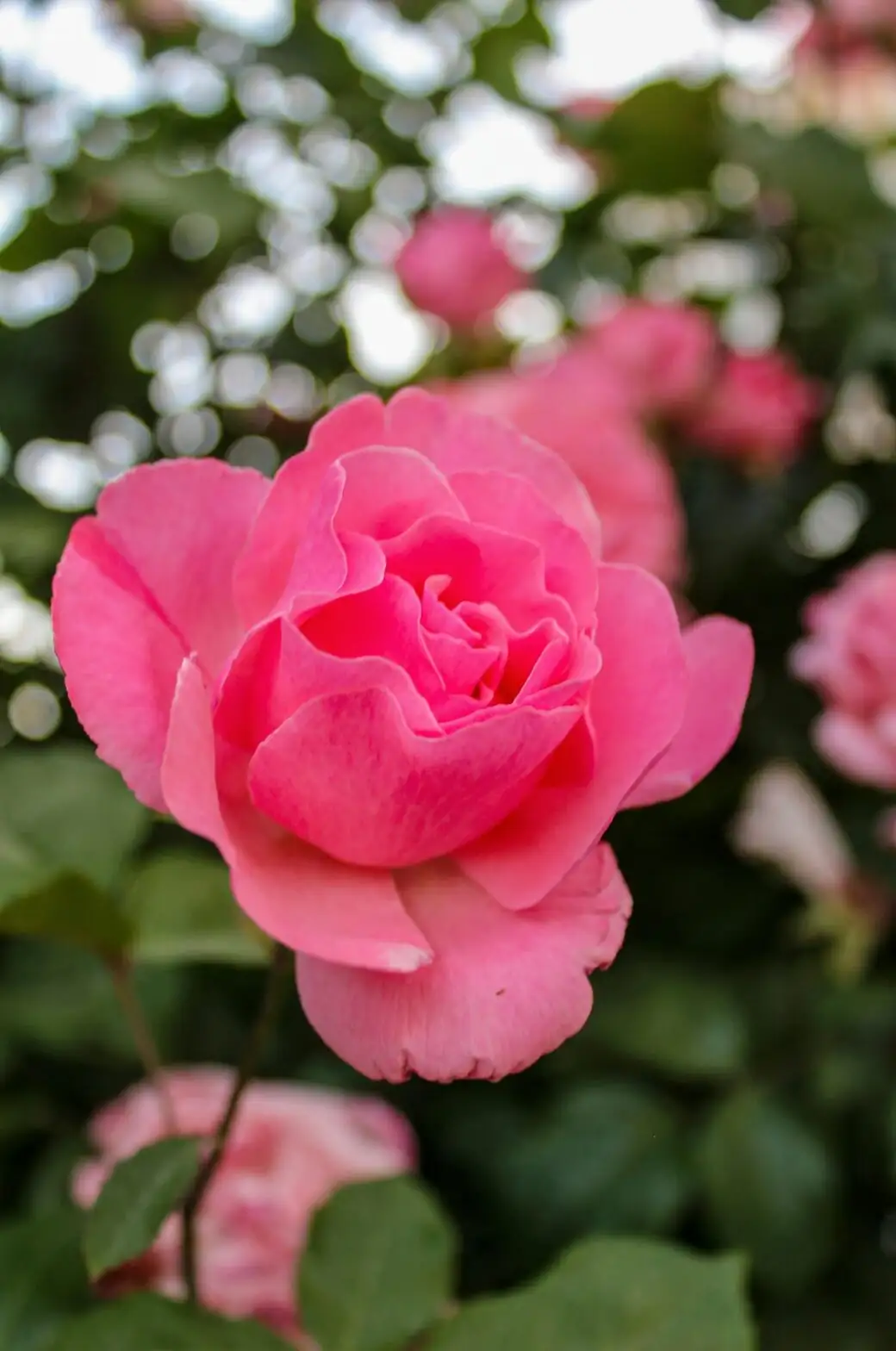
Rosa chinensis (Chinese Rose) loves an entourage—but not just any crowd. Choose the right neighbors and your roses get perfumed bodyguards, pollinator magnets, and a tidy “skirt” that hides those bare canes while keeping disease at bay. Choose the wrong ones and you’ll build a humid, hungry thicket that invites black spot and powdery mildew. Here’s how to pair Chinese roses with companions that attract beneficial insects, confuse pests, and keep the air moving.
Meet Rosa chinensis (Chinese Rose)
- A beloved ancestor of modern garden roses, famed for repeat bloom from late spring through autumn when given sun, steady moisture, and regular feeding.
- Thrives in full sun (aim for 6–8+ hours daily) and open, airy sites with fertile, well-drained soil.
- Common headaches: black spot and powdery mildew—both thrive in shade, crowding, and wet foliage.
- Many bush forms reach roughly 60–150 cm tall with a similar spread; miniatures are smaller. Stems are prickly; handle with care.
Build a rose “guild” that works
Companions should share sun and drainage preferences, avoid crowding the rose’s crown, and either attract beneficial insects or deter common pests—all while looking gorgeous.
The core quartet: lavender, catmint, thyme, and alliums
These classics are fragrant, sun-loving, and light on water compared to thirsty ornamentals. They also hum with pollinators and helpful predators.
- Lavender (Lavandula angustifolia, L. x intermedia)
- Why: Aromatic foliage, bee buffets, and a silvery foil for rose colors. Its scent can help confuse aphid scouts.
- Placement: Behind or to the sunny side of roses; keep it from shading canes.
- Spacing: 45–60 cm from the rose’s crown; keep a clear air gap.
- Catmint (Nepeta spp.)
- Why: Long bloom, beneficial insect magnet, and soft “clouds” that hide rose “knees.”
- Placement: Front or mid-border; allow it to billow but not smother.
- Spacing: 30–45 cm from the crown.
- Thyme (Thymus vulgaris for upright clumps; T. serpyllum for creeping)
- Why: Living mulch that suppresses weeds and invites hoverflies (aphid predators), while keeping soil surfaces drier and cooler.
- Placement: Around the outside of the rose’s mulch ring.
- Spacing: Start 20–30 cm from the crown so stems and graft unions stay open to air.
- Alliums (chives, garlic, ornamental Allium)
- Why: Often cited for deterring aphids and other nibblers; nectar-rich umbels bring in parasitic wasps and hoverflies.
- Placement: Dot chives or small ornamental alliums between roses; use taller globes at the back.
- Spacing: Bulbs or clumps 15–30 cm from the crown.
Bonus boosters for beneficials (mix a few, don’t cram)
- Salvia (hardy sages) and Agastache (anise hyssop): Tall nectar beacons for bees and predatory wasps; keep to the back so roses get sun.
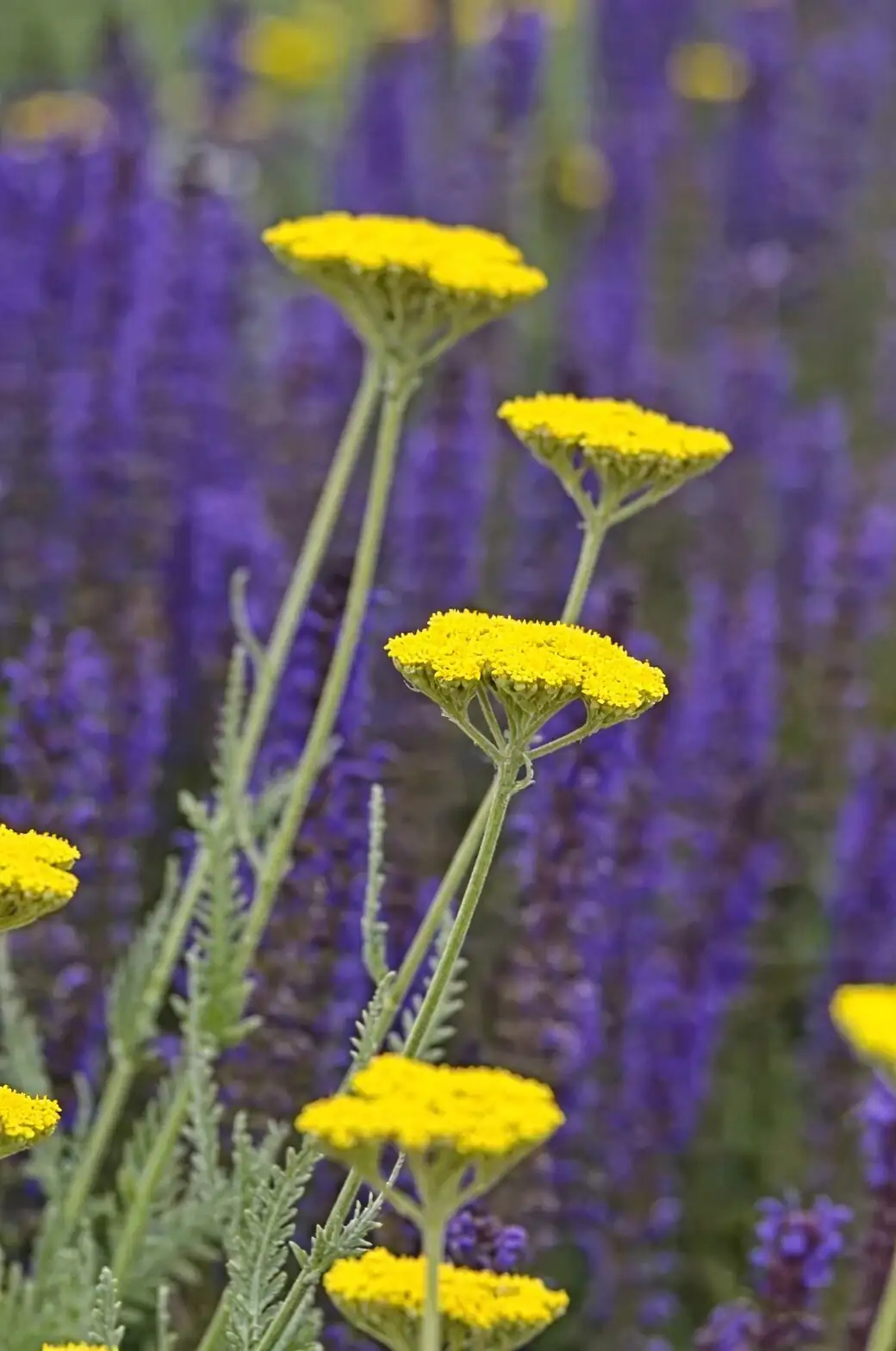
- Achillea (yarrow): Flat-topped umbels feed lacewings and tiny parasitoids; stems are airy for good airflow.
- Sweet alyssum (Lobularia maritima): Low, long-blooming carpet that draws hoverflies; great at bed edges.
- Marigolds (Tagetes spp.): Color pop and generalist pest distractors; tuck singles between roses without crowding.
- Verbena and lantana (annual in cold zones): Pollinator candy with modest water needs—great fillers in hot spells.
Tip: Mix bloom times so something’s always flowering between your rose flushes. The continuous buffet keeps beneficials on patrol.
Spacing rules that stop disease in its tracks
Black spot and powdery mildew love a still, shaded thicket. Your layout is your first fungicide.
- Between roses:
- Miniature roses: 30–45 cm apart.
- Most bush forms: 60–90 cm apart (wider—up to 120 cm—for vigorous cultivars).
- Around each rose:
- Keep a “breathing ring” 30–45 cm wide with no dense companions. You should see daylight around the base.
- Let foliage of neighboring plants barely touch, if at all. If leaves knit together, you’ve lost airflow.
- Height choreography:
- Place taller spires (salvia, alliums) behind or to the side that won’t shade the rose’s midday sun.
- In front, stay below half the rose’s mature height.
- Pathways and wind:
- Leave at least 45–60 cm of open path or gap behind substantial roses to catch breezes and allow easy pruning.
Two simple layouts
- Narrow border (90–120 cm deep): Rose centered; catmint in a soft crescent 30–45 cm in front; lavender 45–60 cm behind; a sprinkle of chives between.
- Island bed: Roses on a loose triangle, 75–90 cm apart; thyme skirting the outer edge; salvia or yarrow at the rear corners; sweet alyssum drifting at edges.
Watering and feeding together—without drama
Roses like deep, regular moisture during growth and bloom, but hate wet leaves. Many herbs prefer it a touch drier. You can keep both happy.
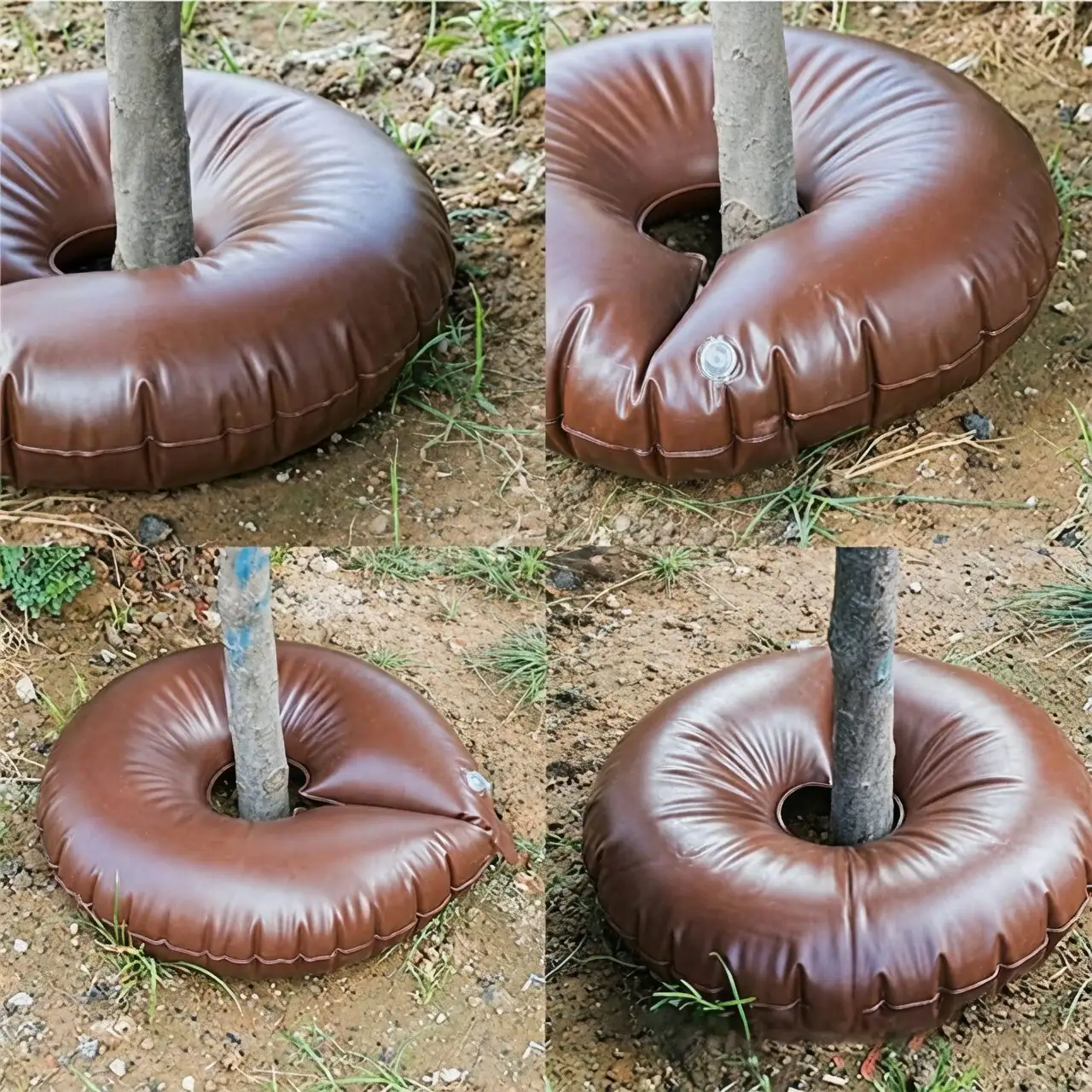
- Irrigation setup:
- Use a soaker or drip ring around each rose’s drip line; water at the base to keep foliage dry.
- Plant lavender and thyme on the outside of that ring or on slight mounds so they drain quickly.
- Rhythm:
- In containers: spring roughly weekly; summer 2–3 times weekly (more in heat); autumn weekly; winter minimal—never bone-dry during dormancy.
- In-ground: water deeply, then let the top 2–3 cm of soil dry slightly before repeating.
- Feeding:
- Feed roses every ~2 weeks in active growth. Companions like catmint, salvia, and annual fillers appreciate the extra fertility; keep lavender and thyme on the edge of the feeding zone to avoid lush, floppy growth.
- Mulch:
- Use a light, breathable mulch under roses, but leave a mulch-free collar right at the canes to prevent humidity pockets and spore splash.
What to skip: shady thugs and thirsty hogs
If it casts dense shade, traps humidity, or gulps water, give your rose some space.
- Big, thirsty shade-lovers: hostas, astilbes, many ferns, and bigleaf hydrangeas create damp, shaded microclimates—poor fits for sun-craving roses.
- Greedy-root trees and shrubs: willows, maples, poplars, eucalyptus, and running bamboos outcompete roses for moisture and nutrients.
- Dense groundcovers that hug canes: pachysandra and English ivy trap moisture against stems and hinder airflow.
- Overshadowing annuals: tall sunflowers or dense dahlias immediately south of your rose can starve it of light.
- Rampant mints (Mentha): invasive in rich, moist soils; confine them to pots if you want their scent nearby.
- Sprinklered lawn edges: overspray keeps leaves wet; switch that zone to drip or create a no-spray buffer.
Heat, sun, and the “just enough shade” rule
Chinese roses adore sun. In very hot summers, light afternoon shade can keep petals from scorching—but let companions dapple the soil, not the rose canopy. Think airy, upright neighbors (salvia, alliums) rather than broad, dense shrubs.
Seasonal companion playbook
- Spring
- Do major rose pruning before strong new growth; plant or divide companions.
- Watch for aphids and early mildew; encourage beneficials by keeping nectar sources blooming.
- Summer
- Water more often in heat; deadhead roses and companions to keep flowers coming.
- Maintain your clear air ring; trim back catmint after its first flush for quick rebloom.
- Autumn
- Enjoy the last rose flush; taper fertilizer late in the season.
- Plant ornamental allium bulbs among roses for spring structure and beneficials.
- Winter
- Many roses rest below ~5°C; keep pots just moist, never sodden.
- Clean up fallen leaves to reduce overwintering spores; avoid very early pruning in frost-prone areas.
Quick companion “recipes”
- Classic Calm: Rosa chinensis + English lavender (back) + catmint (front crescent) + chives tucked between.
- Pollinator Highway: Rosa chinensis + salvia and yarrow (back) + sweet alyssum ribbon (edge) + creeping thyme skirt.
- Low-Water Border: Rosa chinensis + lavender (back) + thyme (edge) + ornamental alliums as spring/early-summer punctuation.
A note on “flower language” (花语)
Roses are widely linked with love, beauty, appreciation, and enduring affection—fitting for a plant that blooms again and again. These meanings grew from cultural traditions and poetry, not horticulture, and they vary by place and era. Let your planting reflect your own story: companions that protect and highlight your roses say “care” louder than any color code.
The bottom line: Give Rosa chinensis sun, space, and a savvy cast of herbal bodyguards. With lavender’s silver, catmint’s haze, thyme’s living mulch, and alliums’ nectar-rich fireworks—all set with smart spacing for airflow—you’ll grow a rose garden that looks good, smells better, and needs fewer sprays.