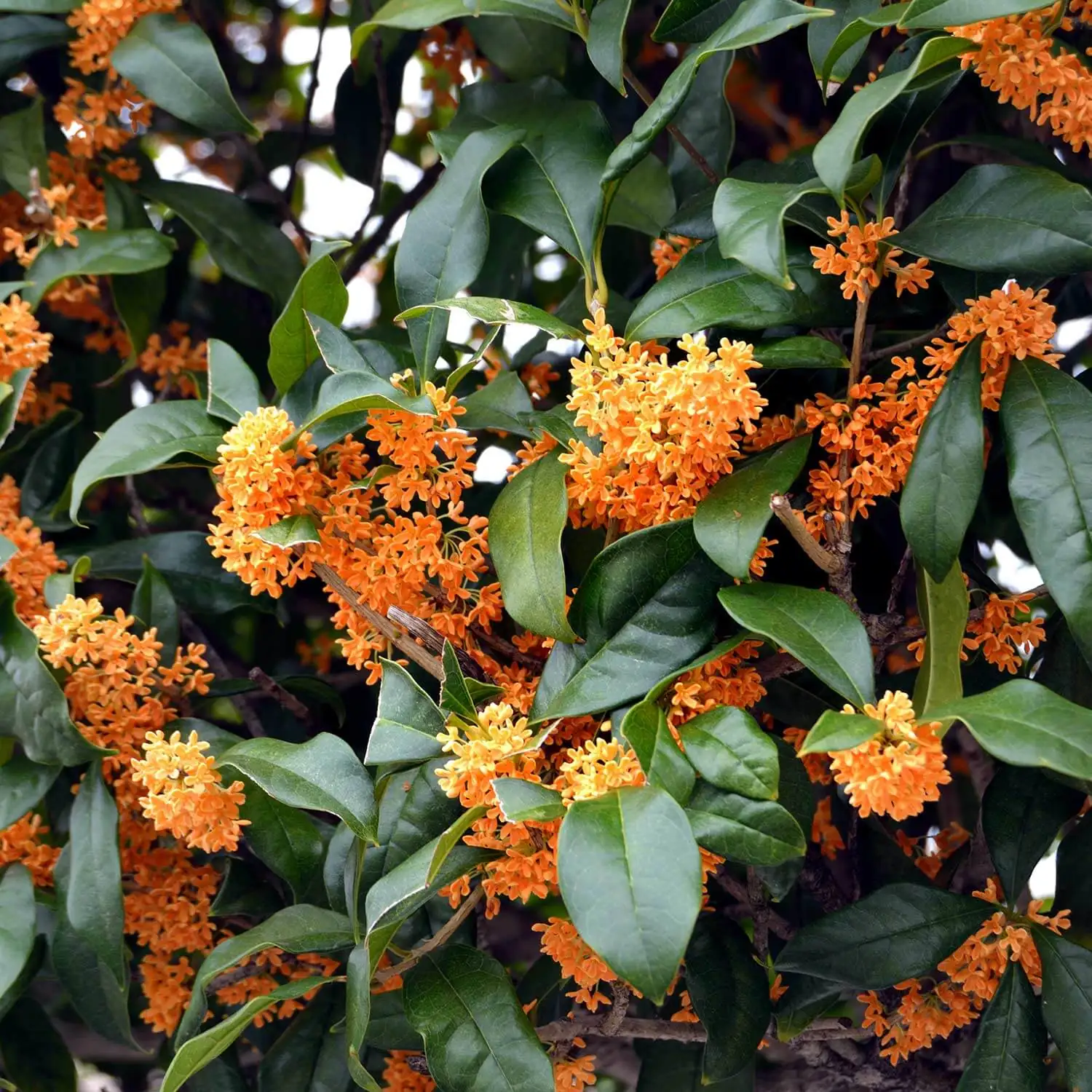
Osmanthus fragrans, known widely as the Sweet Osmanthus, is a charming evergreen that doesn’t just beautify your garden with its delicate, sugary aroma; it’s a plant that invites a symphony of sensory pleasures, especially come autumn. But did you know that this fragrant shrub or small tree can also thrive even more vibrantly with the right plant companions? Let’s explore how you can enhance its beauty and create a harmonious ecosystem in your garden.
Plant Companions for Osmanthus Fragrans
Selecting companion plants for Osmanthus fragrans involves a thoughtful consideration of aesthetics, growth requirements, and the enhancement of its fragrant appeal. Here’s a guide to help you cultivate a thriving, fragrant garden ecosystem.
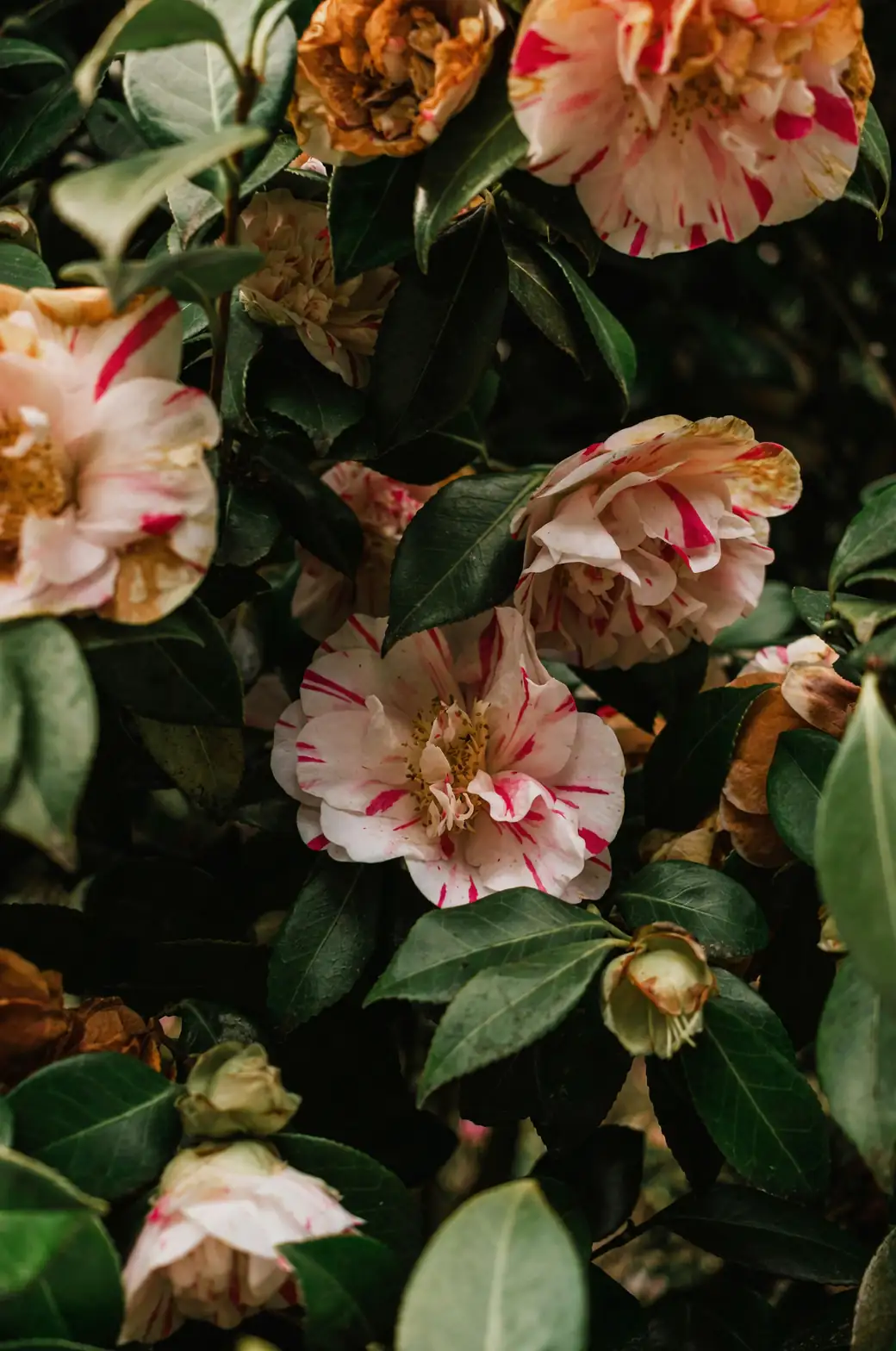
1. Camellia Sasanqua
Camellia sasanqua, with its glossy green leaves and vibrant blooms, makes a perfect partner for the Sweet Osmanthus. Both plants share a preference for well-drained soil and partial shade, although Osmanthus can tolerate more sun. The camellia’s fall flowering period coincides beautifully with that of Osmanthus, creating a stunning display of color and fragrance. Imagine strolling through your garden, enveloped in the sweet scents of Osmanthus and the delicate allure of camellia flowers—it’s a sensory delight!
2. Japanese Maple (Acer palmatum)
For a touch of elegance and structural contrast, pair your Osmanthus with a Japanese Maple. The maple’s delicate, lacy leaves and striking seasonal color changes provide a stunning backdrop to the evergreen Osmanthus. This combination enhances the visual appeal of your garden year-round. Plus, both plants thrive in similar soil conditions and appreciate some afternoon shade, making them compatible companions.
3. Gardenia (Gardenia jasminoides)
Gardenias are known for their intoxicating fragrance and lush, creamy white flowers. Pairing them with Osmanthus can create an olfactory paradise. Both plants enjoy similar care conditions, including a preference for acidic, well-drained soils and protection from harsh afternoon sun. Together, they form a fragrant duo that perfumes the air, turning your garden into a serene retreat.

Creating a Balanced Garden
In addition to selecting the right companions, maintaining a balanced environment is crucial for the optimal growth of Osmanthus fragrans:
- Sunlight: Ensure your garden receives full sun to partial shade. Osmanthus needs bright light for robust flowering, but young plants appreciate some shade during intense summer heat.
- Soil and Watering: Both Osmanthus and its companions prefer fertile, well-drained soil. Regular watering is key during the growing season, but be cautious not to waterlog the roots. In the flowering period, slightly drier conditions are beneficial.
- Temperature and Humidity: Opt for warm, humid conditions, but ensure good air circulation to prevent fungal issues. Osmanthus can tolerate brief cold spells, but severe freezes may be detrimental.
Feng Shui and Osmanthus: A Harmonious Presence
In Feng Shui, the Sweet Osmanthus is revered for its ability to enhance the wood element, symbolizing growth and advancement. It’s often placed in the Northwest direction to boost prosperity and helpful energies. The plant’s association with harmony and prosperity makes it an auspicious addition to your garden, aligning well with traditional beliefs about balance and tranquility.
Final Thoughts
Integrating the Sweet Osmanthus into your garden isn’t just about enjoying its beauty and fragrance; it’s about creating a vibrant, living tapestry that delights the senses. By carefully selecting companion plants and maintaining a harmonious environment, you can cultivate a garden that’s not only visually stunning but also deeply aromatic and spiritually fulfilling.
Whether you’re an enthusiast of traditional garden aesthetics or someone who cherishes a garden that speaks to the senses, Osmanthus fragrans and its companions offer a perfect blend of elegance, fragrance, and ecological harmony. So go ahead, plant your garden with intention and embrace the delightful journey of growth and bloom!