

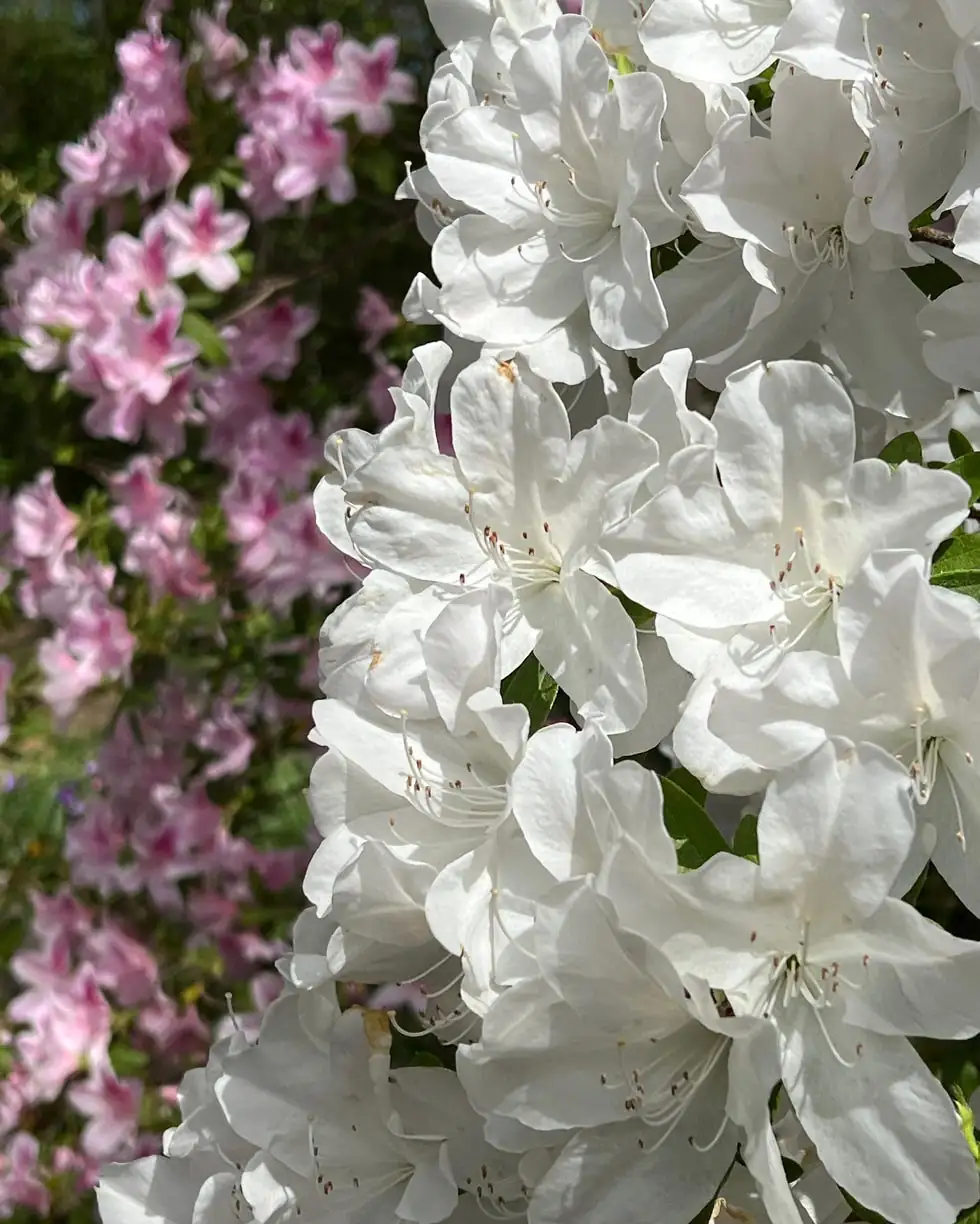
Creating a Harmonious Garden: The Best Companion Plants for Azaleas
Picture this: a lush garden where vibrant azaleas, with their clusters of eye-catching blooms, are the stars of a lively spring show. But what if you could extend this spectacle beyond spring and create a garden symphony that resonates throughout the seasons? This is where companion planting comes into play, adding layers of beauty and functionality to your garden. Let’s explore how you can pair Rhododendron simsii, commonly known as azaleas, with perfect companions to create a thriving ecosystem.
Understanding the Needs of Azaleas
Before we dive into companion choices, it’s essential to understand the growing conditions azaleas prefer. Native to East Asia, these ornamental shrubs thrive in acidic, organic-rich, well-drained soil. They bask in bright, indirect light and prefer the cool embrace of temperate climates. Imagine them as the cool, collected stars of your garden that blossom best when kept moderately moist, away from harsh midday sun.
Selecting the Perfect Companions
Companion planting is like crafting a menu where flavors complement each other. In your garden, this means choosing plants that not only coexist with azaleas but enhance their natural beauty.
Shrubs That Shine
- Mountain Laurel (Kalmia latifolia): With its own dazzling blooms, Mountain Laurel brings a textural contrast to azaleas. Its evergreen nature ensures your garden retains structure even in the absence of azalea flowers.
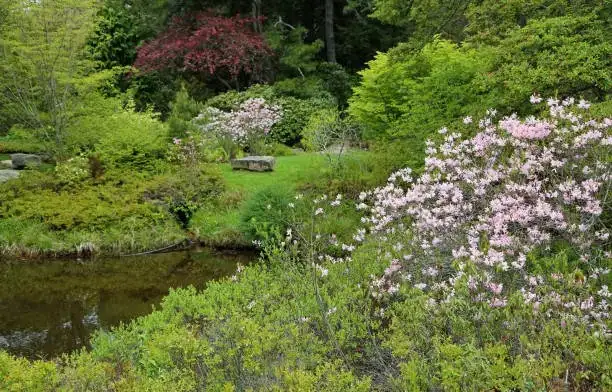
- Japanese Andromeda (Pieris japonica): Known for its cascading clusters of bell-shaped flowers, this shrub not only complements azaleas but also offers year-round interest with its changing foliage colors.
Perennials and Bulbs for Year-Round Interest
- Ferns: The arching fronds of ferns add a graceful, airy element, contrasting beautifully with the dense clusters of azalea blooms. They thrive in the same moist, acidic conditions.
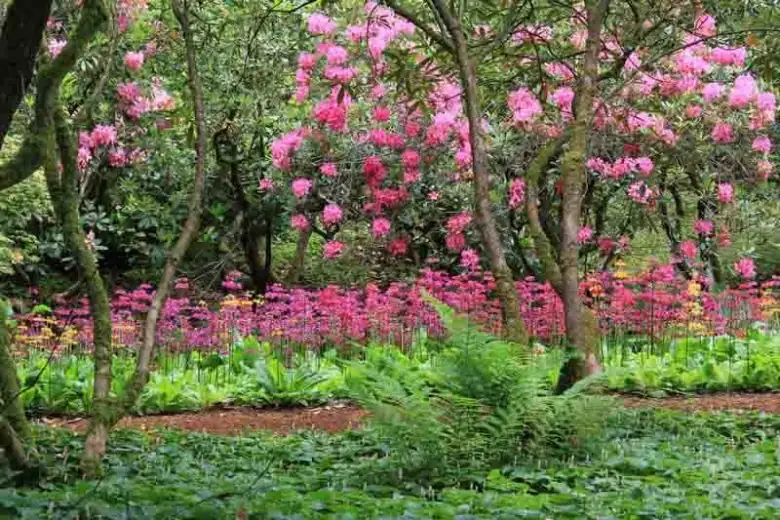
- Hellebores: Known as the Lenten rose, hellebores are evergreen perennials that bloom in winter, ensuring your garden never lacks color.
- Daffodils and Snowdrops: Plant these bulbs to herald spring with their bright blooms, seamlessly transitioning the spotlight from winter to the azaleas’ grand spring performance.
Edible and Ornamental Ground Covers
- Blueberries and Cranberries: These acid-loving berry shrubs not only provide edible delights but also vibrant fall foliage, extending your garden’s visual appeal into autumn.
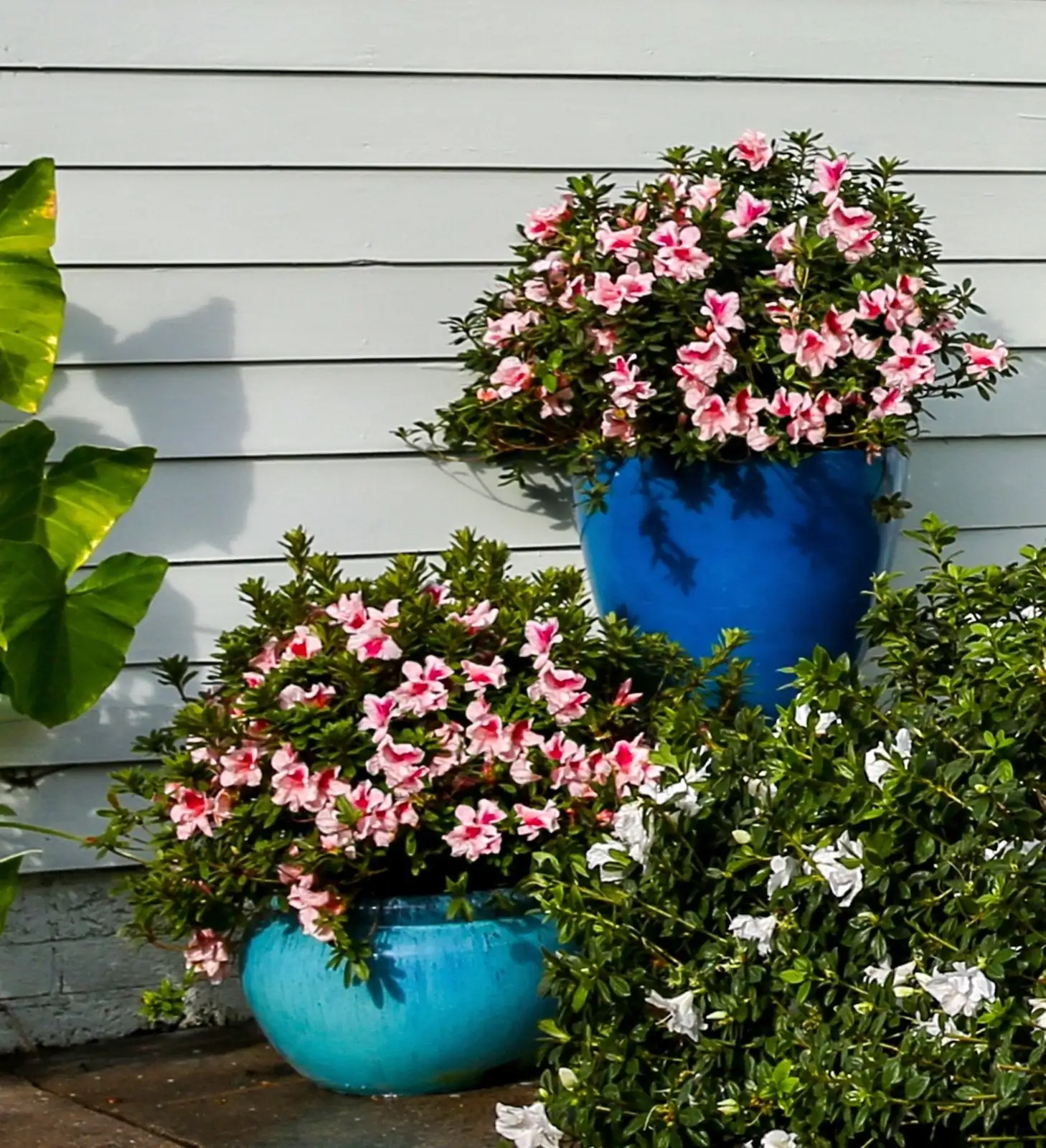
- Ajuga and Sweet Woodruff: As ground covers, these plants prevent weeds and retain soil moisture, creating a lush carpet under the towering azaleas.
Designing a Symphony of Colors
When selecting companion plants, think of your garden as a dynamic canvas. Choose companions that offer staggered bloom times or foliage that contrasts with the glossy, deep green of azalea leaves. This ensures a continuous flow of color and texture, captivating the senses from spring through winter.
Practical Tips for a Thriving Garden
- Soil and Water: Consistency is key. Keep the soil evenly moist but well-drained. Consider using rainwater or distilled water to maintain soil acidity.
- Placement: Group plants with similar light and moisture needs. For azaleas, avoid locations with harsh, direct sunlight during midday.
- Seasonal Care: Deadhead spent blooms and lightly prune after flowering to encourage bushiness and prepare for the next bloom cycle.
Crafting Your Garden’s Story
Every garden has a story, and the companionship between plants is a dialogue that unfolds through the seasons. By understanding and embracing the natural needs of azaleas and their companions, you’re not just planting a garden—you’re composing a living masterpiece that sings with the changing rhythms of nature.
Incorporate these ideas, and watch as your garden transforms into a harmonious symphony, where each plant plays its part in a beautiful, ever-evolving ensemble. Whether you’re a seasoned gardener or new to the art, there’s no better time to start crafting your own botanical story. Happy planting!


