

A Comprehensive Guide to Thriving Tropaeolum majus (Nasturtiums)
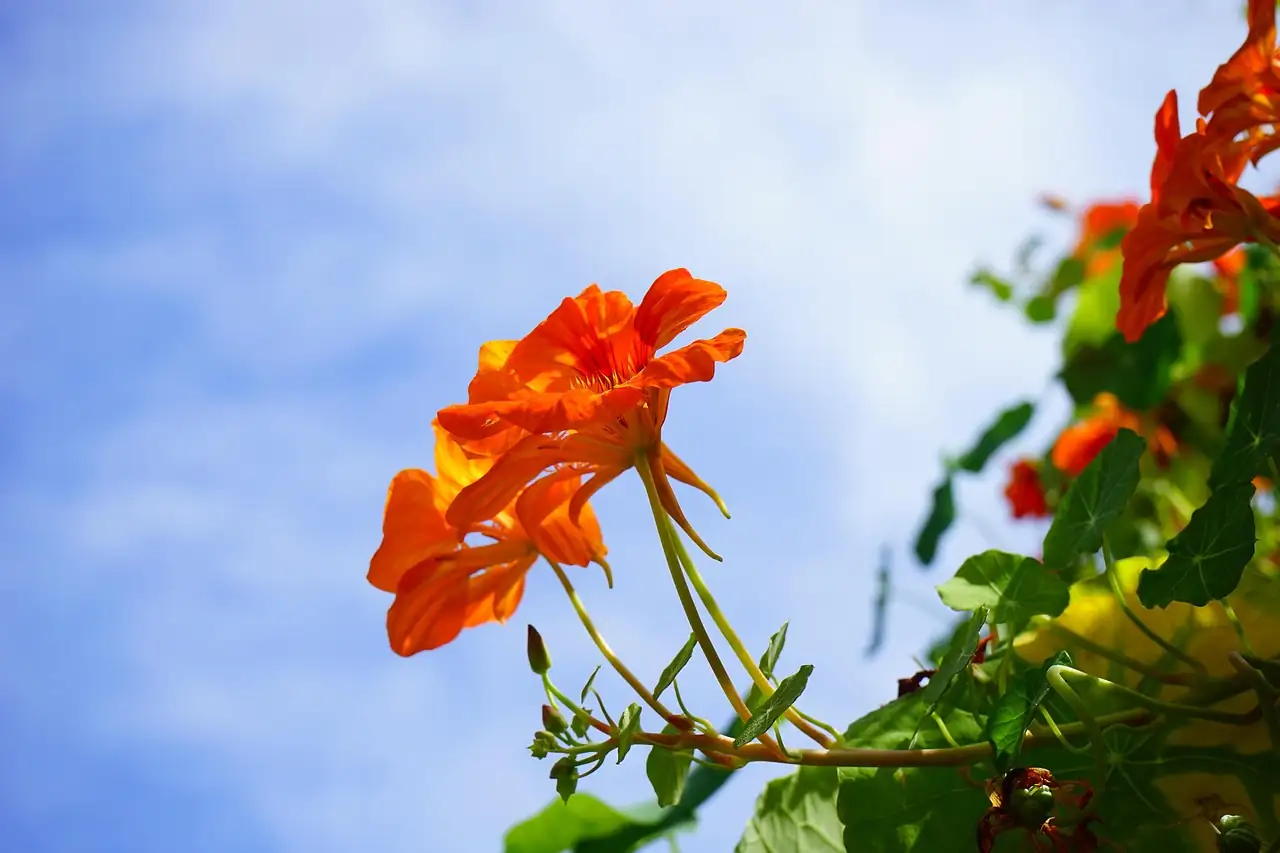
Imagine your garden as a vibrant canvas filled with the fiery hues of sunset—reds, oranges, and yellows. In the midst of this colorful spectacle, Tropaeolum majus, commonly known as nasturtiums, stand out as one of nature’s most cheerful and versatile blooms. Not only do they add a splash of color, but they’re also edible, bringing a peppery zest to salads and garnishes. Let’s dive into the best techniques to care for these delightful plants and ensure they thrive, bringing joy all summer long.
Understanding the Light Requirements
Nasturtiums are sun-lovers at heart. To get the most dazzling display of flowers, plant them where they can soak up at least six hours of daily sunlight. While they can tolerate partial shade, keep in mind that their floral show might not be as spectacular. Think of it this way: more sun equals more blooms!
Mastering the Art of Watering
Watering nasturtiums can be likened to a delicate dance. Initially, you’ll want to keep the soil consistently moist as the plants establish themselves. However, once they’ve settled, they develop a resilience to drought. In hotter climates or when planted in containers, they might need a daily drink—consider it a little pick-me-up in the heat of the day. The key is to avoid waterlogging; a bit of dryness during peak flowering can actually encourage more blossoms.
Seasonal Care Tips
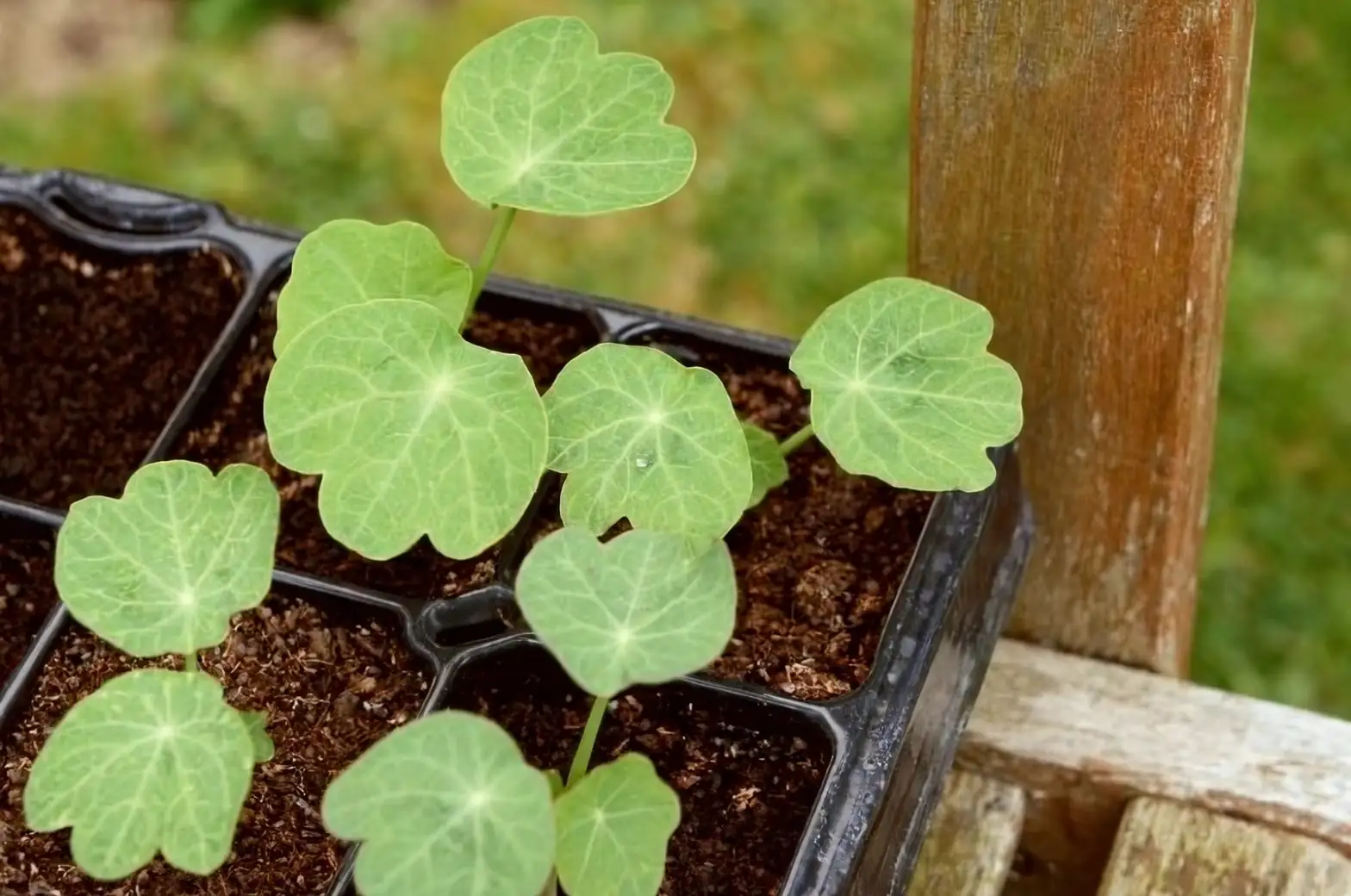
- Spring: As the frost danger passes, it’s time to sow nasturtium seeds directly into the garden or start them indoors a few weeks earlier. Their large, chickpea-sized seeds are easy to handle, making them perfect for beginner gardeners or those gardening with children.
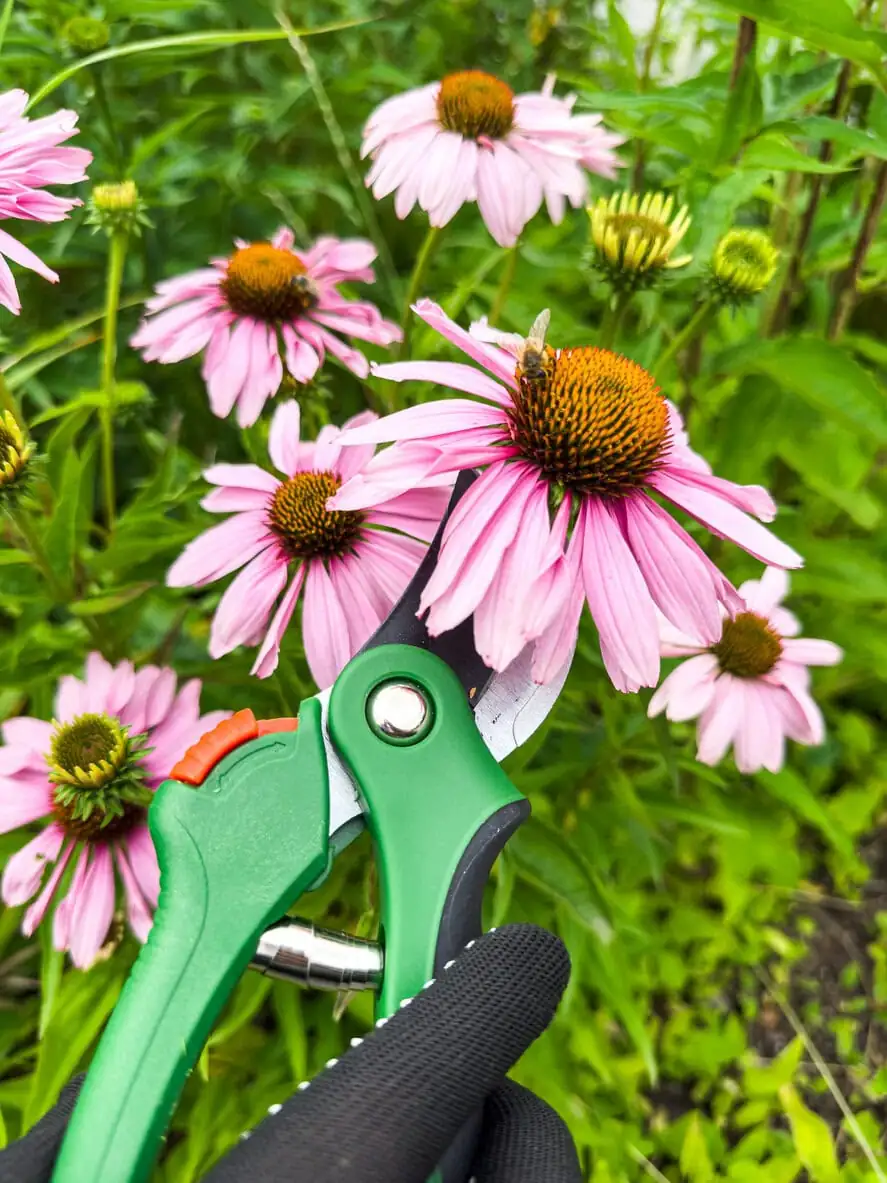
- Summer: Regularly deadhead spent flowers to prolong blooming. If the plants become leggy, a light trim will encourage bushier growth. Remember, less is more when it comes to feeding; too much nitrogen results in lush leaves with sparse flowers.
- Fall: Enjoy the vibrant blooms until the frost arrives. In frost-free zones, nasturtiums can continue growing through mild winters.
- Winter: In areas where they can survive the winter, some protection might be needed against cold snaps. Otherwise, collect seeds for next year’s planting.
Soil and Fertilization: Less is More
Nasturtiums flourish in poor to average soil. The secret to abundant flowering lies in resisting the urge to over-fertilize. Rich soil or high-nitrogen fertilizers lead to prolific leaf growth at the expense of flowers. Aim for a slightly acidic to neutral pH (around 6.0–7.0) and ensure the soil drains well. If necessary, a light, balanced feed during the growing season will suffice.
Pest Patrol and Plant Health
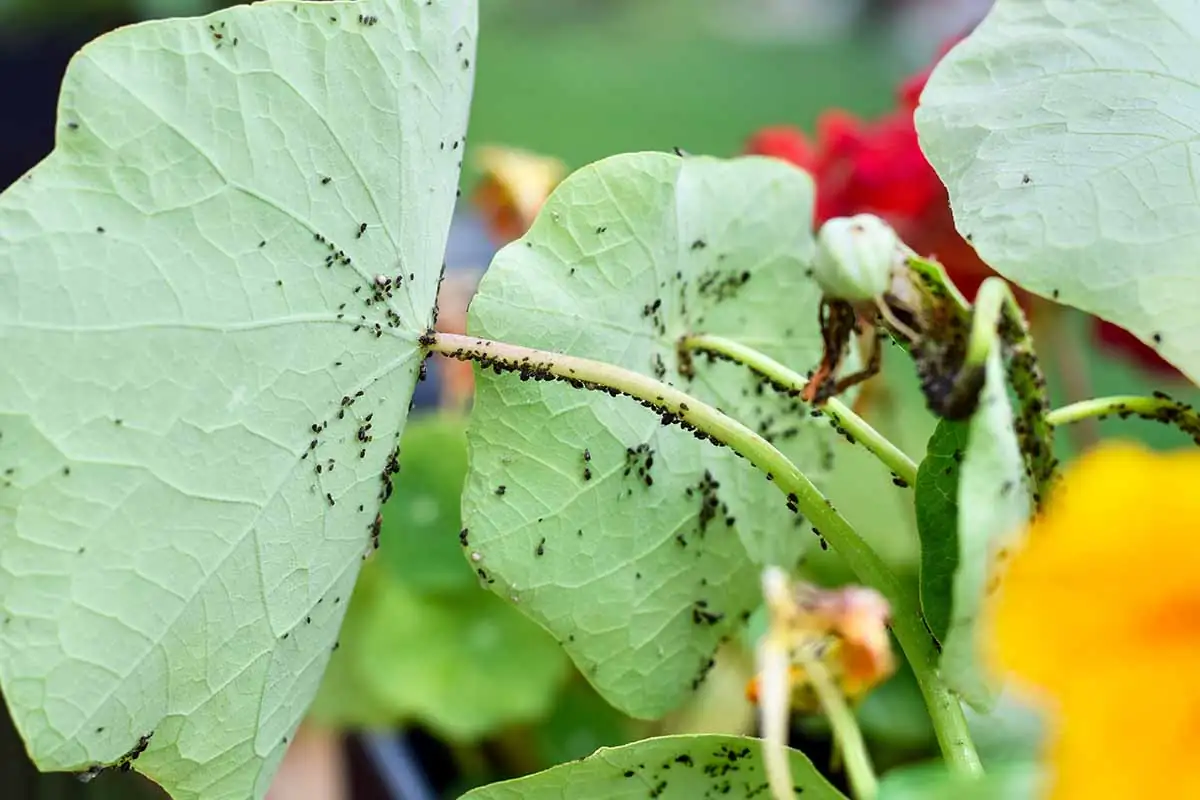
Nasturtiums are not only appealing to humans; they attract a variety of garden friends, including bees, butterflies, and hummingbirds. However, they can also draw some less welcome guests like aphids and caterpillars. Fortunately, these plants often act as a trap crop, luring pests away from more vulnerable garden plants. Keep an eye out for aphids and be ready to intervene if needed. Good drainage and airflow around the plants will help prevent diseases like bacterial leaf spot.
Propagation and Repotting
Growing nasturtiums from seed is a straightforward and rewarding task. For those in warmer climates where these plants can persist as short-lived perennials, refreshing the potting mix annually can help maintain their vigor. If you’re adventurous, try rooting stem cuttings in spring or summer for a quick propagation method.
Nasturtium’s Symbolic Language
In the language of flowers, nasturtiums are linked with notions of patriotism, victory, and conquest. Their fiery colors and robust nature make them symbols of resilience and triumph. Red varieties are traditionally associated with passion and love, while yellow hues bring a cheerful, sunny disposition to any space.
Fun Facts to Share
Did you know that nasturtium flowers have a clever pollination strategy? Their stamens mature at different times, and the stigma only becomes receptive after pollen release, reducing self-pollination. This ensures genetic diversity and vibrant future generations of nasturtiums.
With their easy-going nature and vibrant appeal, nasturtiums are a delightful addition to any garden. Whether cascading from a hanging basket or meandering through a vegetable patch, these colorful blooms bring joy and a touch of spice to your outdoor haven. Happy gardening!


