


Nestled in the heart of every traditional Chinese garden, the tree peony, or Paeonia × suffruticosa, stands as a regal testament to elegance and resilience. Known as the “King of Flowers,” this majestic shrub enchants with its large, ruffled blooms and woody, long-lived structure. But even kings need a court, and the right companion plants can transform a tree peony from a solitary star into the centerpiece of a thriving, harmonious garden ecosystem.
The Art of Companion Planting
When selecting companions for your tree peonies, think beyond mere aesthetics. Consider the timing of blooms, the interplay of colors, and the texture of foliage. The goal is to create a garden symphony where each plant complements the others, resulting in a landscape that evolves beautifully throughout the seasons.
Complementary Companions
Understory Allies
Beneath the majestic canopy of tree peonies, ground covers can add a verdant carpet that highlights the blooms above. Consider:
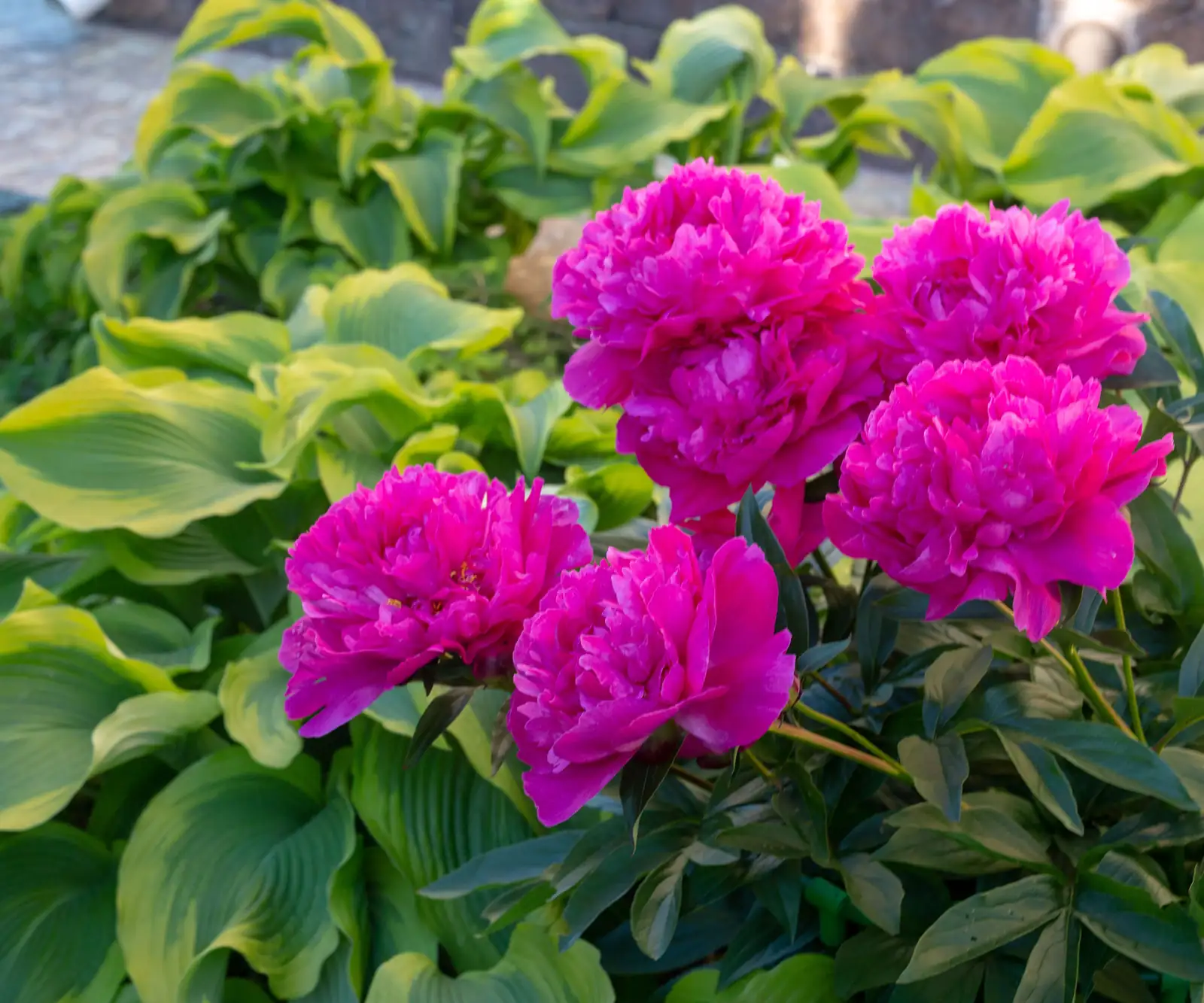
- Hostas: Their lush foliage provides a striking contrast to the peony’s divided green leaves. Hostas thrive in the partial shade cast by tree peonies, creating a cool, serene underlayer.
- Pachysandra: This evergreen ground cover offers year-round interest and thrives in similar soil conditions as peonies.
Side-by-Side Partners
For plants that bloom alongside or shortly after peonies, choose companions that either harmonize or offer contrast:
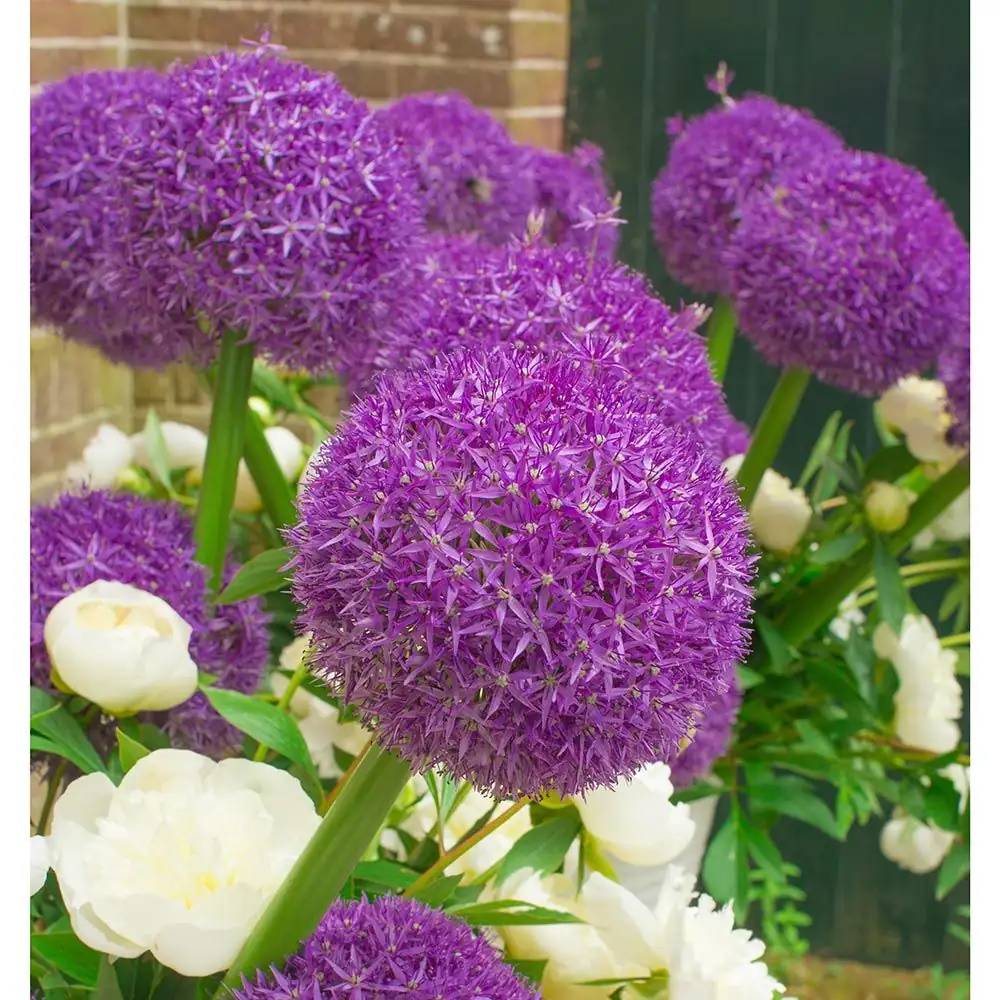
- Alliums: With their tall, spherical blooms, alliums bring an architectural element that complements the rounded peony flowers. The deep purple hues of alliums can create a dramatic juxtaposition against lighter peony colors.
- Iris: Both Siberian and bearded varieties offer large, showy flowers that pair well with peonies, bringing a stately elegance to the garden.
Above and Beyond
Trees and larger shrubs can frame your peonies, adding vertical interest and seasonal variety:
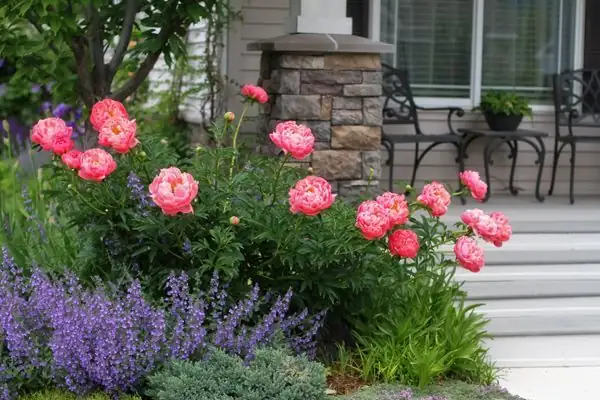
- Dogwood (Cornus spp.): Known for their beautiful spring blossoms, these trees can create a picturesque backdrop for peonies, offering a canopy of delicate flowers.
- Lilacs: Their fragrant blooms coincide with peony season, and the combination of scents can be intoxicating.
Timing and Texture
The timing of blooms is crucial when designing your garden. For example, including early spring bulbs like crocuses or daffodils ensures that your garden awakens with color before the peonies take center stage. As the peonies fade, late-bloomers like lavender or hydrangeas can carry the garden’s interest into summer.
Texture also plays a vital role. The soft, ruffled petals of peonies pair beautifully with the spiky, upright form of digitalis (foxglove), offering a visual contrast that enhances the beauty of both plants.
Cultivating Harmony
Tree peonies are particular about their growing conditions, preferring cool, temperate climates with well-draining soil. When selecting companion plants, ensure they share similar needs. This common ground is essential for creating a thriving garden ecosystem where all plants can flourish.
While tree peonies are drought-tolerant once established, they appreciate consistent moisture during their active growth phase. Companion plants like lavender and sage not only thrive in similar conditions but also bring beneficial pollinators to the garden, enhancing the ecosystem’s health.
A Symbolic Garden
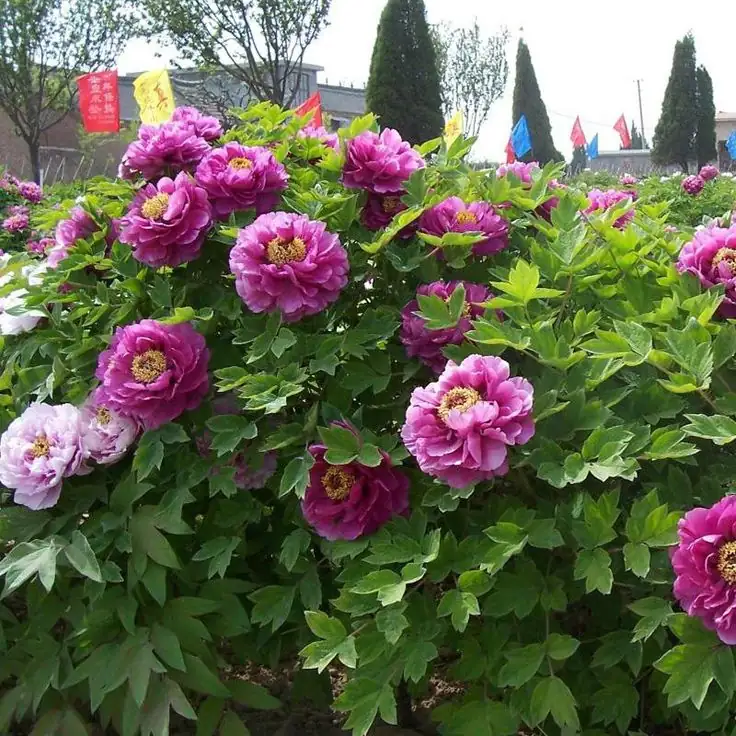
In Chinese culture, peonies symbolize prosperity, honor, and romantic allure. Their presence in a garden is more than ornamental—it’s a living connection to history and tradition. By carefully selecting companion plants, you can create a garden that feels both timeless and personal, where every plant contributes to the overall beauty and balance.
Imagine your tree peony as a grand maestro, orchestrating a garden symphony. With the right companions, you’ll have a lush, vibrant garden that sings the praises of this “King of Flowers,” offering a feast for the senses and a haven for the soul. So, what will your garden symphony sound like?


