


Meet your Chinese peony (Paeonia lactiflora)—the generous, early-summer showstopper that will perform for decades if you learn to read its signals. This fast diagnostic playbook helps you spot the big four troublemakers—bud blast, leaf spots, sap-suckers (aphids and mites), and dangerous basal rots like southern blight—and respond with clear, step-by-step remedies before problems snowball.
Know your patient: what a healthy plant wants
- Sun and air: At least 6 hours of sun; in hot-summer regions, morning sun with light afternoon shade. Excellent airflow around foliage.
- Moisture: Evenly moist, never soggy. Water at the base, not overhead. Peonies loathe waterlogged crowns and stagnant humidity.
- Soil: Deep, fertile, well-drained loam. Enrich with compost; add grit where drainage is slow. Plant the buds (“eyes”) level with the soil surface (slightly deeper only in very cold climates).
- Habit: An herbaceous perennial—stems die back in winter, regrow from the crown and fleshy storage roots each spring.
A 10‑minute diagnostic walk-through
- Start at the base (soil line and crown)
- Do you see white, fan-like, ropy fungus and tiny spherical beads that turn from white to brick-red? That’s a red flag for southern blight.
- Is the crown dark, water-soaked, and rotten? Think crown/root rot (often Phytophthora in persistently wet soils).
- Check stems and buds
- Collapsing shoots, blackened or brown buds that never open, often with fuzzy gray mold = Botrytis blight (the classic “bud blast”).
- Concentric brown/tan zones on stems also point to Botrytis.
- Scan the foliage
- Scattered reddish-purple spots and blotches that can coalesce = fungal leaf spots (often “measles”/leaf blotch).
- Fine yellow stippling, dusty look, or thin webbing = spider mites.
- Curled, sticky new growth with clusters of soft insects = aphids.
- A powdery white film = powdery mildew (common after bloom in crowded, shady, or drought-stressed plants).
- Check the site
- Is mulch piled against stems? Is the bed slow to drain? Are sprinklers soaking the foliage? These are disease accelerators.
—
Playbook 1: Bud blast and Botrytis blight (early and late blight)
What you’ll see:
- Young shoots may wilt and fall over.
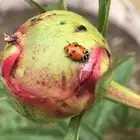
- Buds brown or blacken at any stage and fail to open; gray, velvety mold often appears on buds, petals, and lower stems.
- Later, infected petals falling onto leaves seed new leaf spots. Small, black sclerotia can develop near the base of stems.
Step-by-step response:
- Remove, bag, and bin any blighted shoots, buds, and spent petals—do not compost. Clean up daily during bloom in wet weather.
- Improve airflow immediately: thin congested stems and ensure neighboring plants aren’t crowding.
- Water only at the base, early in the day; keep foliage dry. Stake heavy, double-bloom cultivars so flowers don’t flop into damp leaves.
- Pull mulch back from the crown and keep the plant base clean and dry.
- If you’ve had repeat outbreaks or weather is persistently wet, protect new growth and developing buds with a labeled fungicide, applied preventively and as directed by the label.
- Disinfect pruners between cuts.
Prevention for next season:
- Site in full sun with free-draining soil; avoid high-nitrogen surges that make lush, disease-prone growth.
- Plant eyes at soil level; too deep encourages weak growth and poor flowering.
- In late autumn, cut stems to the ground and remove all debris to deny the fungus overwintering sites.
Tip: If buds dry and abort without mold, consider non-disease causes: drought during bud swell, too much shade, or eyes planted too deep.
—
Playbook 2: Leaf spots (“measles,” blotches, and petal-fall spotting)
What you’ll see:
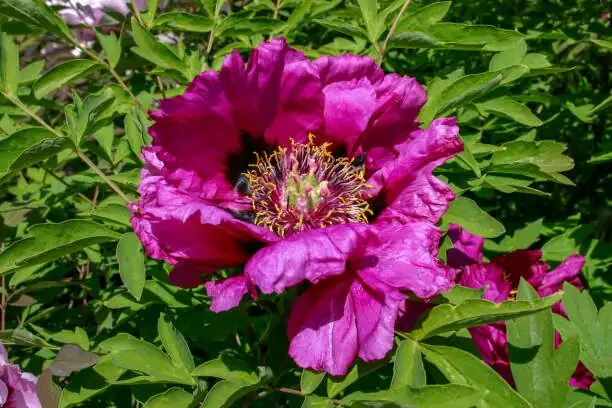
- Small reddish to purple spots that enlarge and merge into blotches on leaves and sometimes stems. Petals that fall onto leaves can seed Botrytis-driven spots.
Step-by-step response:
- Carefully remove the worst-affected leaves to slow spread; bag and bin.
- Increase airflow and sun exposure; avoid overhead irrigation.
- Water at the soil line. Early-morning irrigation only if necessary.
- During wet spells or if disease history is strong, protect foliage with a labeled fungicide as per directions.
- Meticulous bloom-time hygiene: lift and discard spent petals promptly.
Prevention:
- Full sun, spacing, and debris-free crowns are your best defense.
- Annual autumn cleanup: cut to ground level once foliage yellows; remove all plant litter.
—
Playbook 3: Aphids and spider mites (the sap-sucker squad)
Aphids
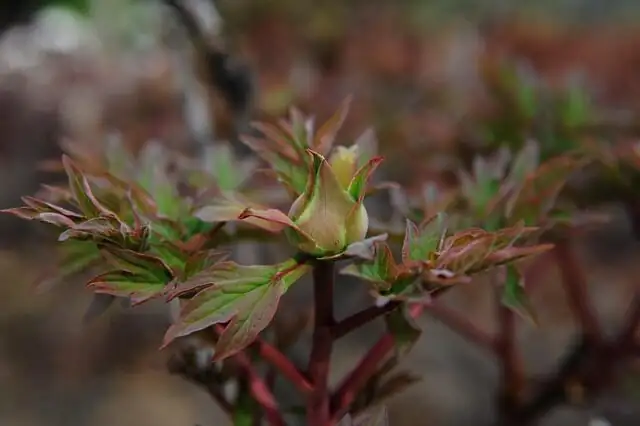
- Signs: Clusters on tender tips and undersides of leaves; curling, sticky honeydew; ants may farm them.
- Fast fix:
- Blast colonies off with a strong water spray.
- Pinch off badly infested tips.
- Follow up with horticultural soap or lightweight oil, hitting undersides; repeat every 4–7 days until clear.
- Encourage beneficials (lady beetles, lacewings) by avoiding broad-spectrum insecticides.
Spider mites
- Signs: Fine stippling and bronzing, dusty leaves, occasional fine webbing in hot, dry spells.
- Fast fix:
- Confirm by tapping a leaf over white paper—mites look like moving dots.
- Hose undersides to knock them back; reduce dust on foliage.
- Use horticultural soap or oil as labeled; repeat on schedule.
- Avoid drought stress—keep soil evenly moist without wetting foliage.
—
Playbook 4: Basal/crown rots—southern blight and other dangerous rots
Why it matters: Peonies have fleshy roots and crowns that do not forgive soggy conditions. Basal rots are the fastest way to lose a mature plant.
Southern blight (Sclerotium rolfsii)
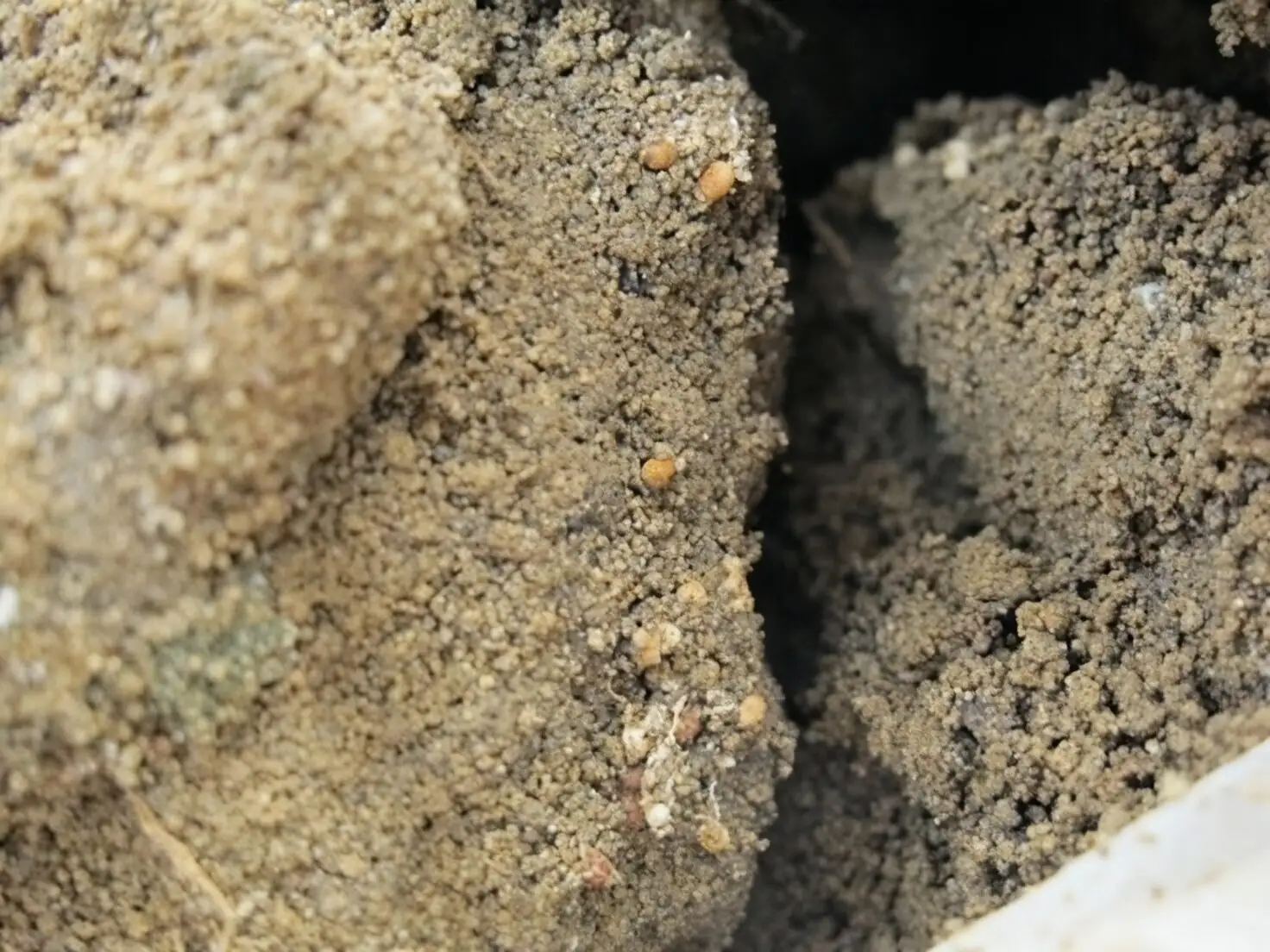
- Signs: Stems look water-soaked at the soil line, then wilt. At the base, you’ll often see thick, ropy white mycelium and pinhead-sized sclerotia that shift from white to brick-red as they mature.
- Immediate action:
- Remove the entire plant, including surrounding soil (at least 10–15 cm/4–6 in radius and several inches deep). Bag and trash—do not compost.
- Pull back and discard organic mulch around the site; this pathogen thrives in warm, moist, organic-rich collars.
- Disinfect tools and shoes after removal.
- Improve drainage and airflow; avoid overhead irrigation. Keep mulch pulled back from the crown in the future.
- Avoid replanting a susceptible host in that exact spot for a time; consider soil solarization in summer.
Crown/root rot (often Phytophthora in wet sites)
- Signs: Dark, wet, leathery crown tissue; shoots may blacken from the base upward; plants stall, yellow, and collapse in poorly drained soils.
- Response:
- Stop overhead watering; let the top layer of soil dry a bit between waterings.
- If caught early and the plant is otherwise vigorous, improve drainage immediately and adjust watering.
- During dormancy, lift, cut out rotted tissue, and replant into a raised, well-drained bed or large, free-draining container.
- In severe cases, discard the plant and reset the site for better drainage before replanting.
Universal rot prevention:
- “Evenly moist, never soggy” is law. After heavy rains, ensure water can move away quickly.
- Plant eyes level with the soil surface; keep the crown clear of packed mulch.
- Choose deep, well-structured soil enriched with compost and grit where needed; raised beds excel in challenging sites.
—
A prevention-first calendar
- Late winter to early spring
- Pull mulch back from the crown. Space/stake for airflow. If Botrytis has been a repeat guest, begin preventive protection as shoots emerge and again at bud color.
- Spring through bloom
- Water at the base; keep foliage dry. Patrol every few days for aphids, mites, leaf spots, and any wilting shoots. Pick up spent petals daily in wet weather.
- Summer (after bloom)
- Maintain even moisture during heat; offer light afternoon shade in hot regions. Continue site hygiene and pest checks.
- Autumn
- Once foliage yellows, cut stems to ground level; remove all debris. Divide and replant only during dormancy (mid-autumn to winter), not in spring.
- Winter (dormant)
- Keep soil on the drier side; avoid cold, wet stagnation. In very cold areas, lightly mulch to buffer freeze–thaw, but keep mulch off the crown.
—
Quick reference: symptoms to action
- Buds blacken, fuzzy gray mold, collapsed shoots → Botrytis blight → Remove infected tissue/petals, keep foliage dry, increase airflow, consider preventive fungicide.
- Reddish-purple leaf spots that merge → Leaf blotch/leaf spot → Remove worst leaves, water at base, protect in wet spells, autumn cleanup.
- Sticky, curling new leaves with clusters of soft insects → Aphids → Water blast + soap/oil; protect beneficials.
- Fine stippling/bronzing, slight webbing in heat → Spider mites → Water-rinse undersides, soap/oil, avoid drought stress.
- Water-soaked stem base with ropy white mycelium, tiny white-to-brick-red sclerotia → Southern blight → Uproot with surrounding soil, trash, sanitize tools, improve drainage/airflow; keep mulch off crown.
- Dark, wet, leathery crown; persistent sogginess → Crown/root rot → Dry out, improve drainage; lift and replant to a freer-draining site during dormancy.
—
A note on “flower language” and cultural meaning
In East Asian flower culture, Chinese peony symbolizes romance and affection, honor, prosperity, and a happy marriage—associations shaped by centuries of art, poetry, and garden tradition. These meanings didn’t appear overnight; they grew from the plant’s long-standing status as a luxury ornamental and a valued cut flower, and from its deep roots in traditional practice. Understanding that context adds richness: when you give a peony, you’re echoing an old promise of abundance and heartfelt beauty, not just sending a pretty bloom.
—
Give your Chinese peony sun, steady moisture without sogginess, clean collars, and brisk airflow—and keep this playbook nearby. With quick recognition and fast, tidy responses, you’ll head off the usual suspects and enjoy armfuls of gleaming, fragrant flowers year after year.