

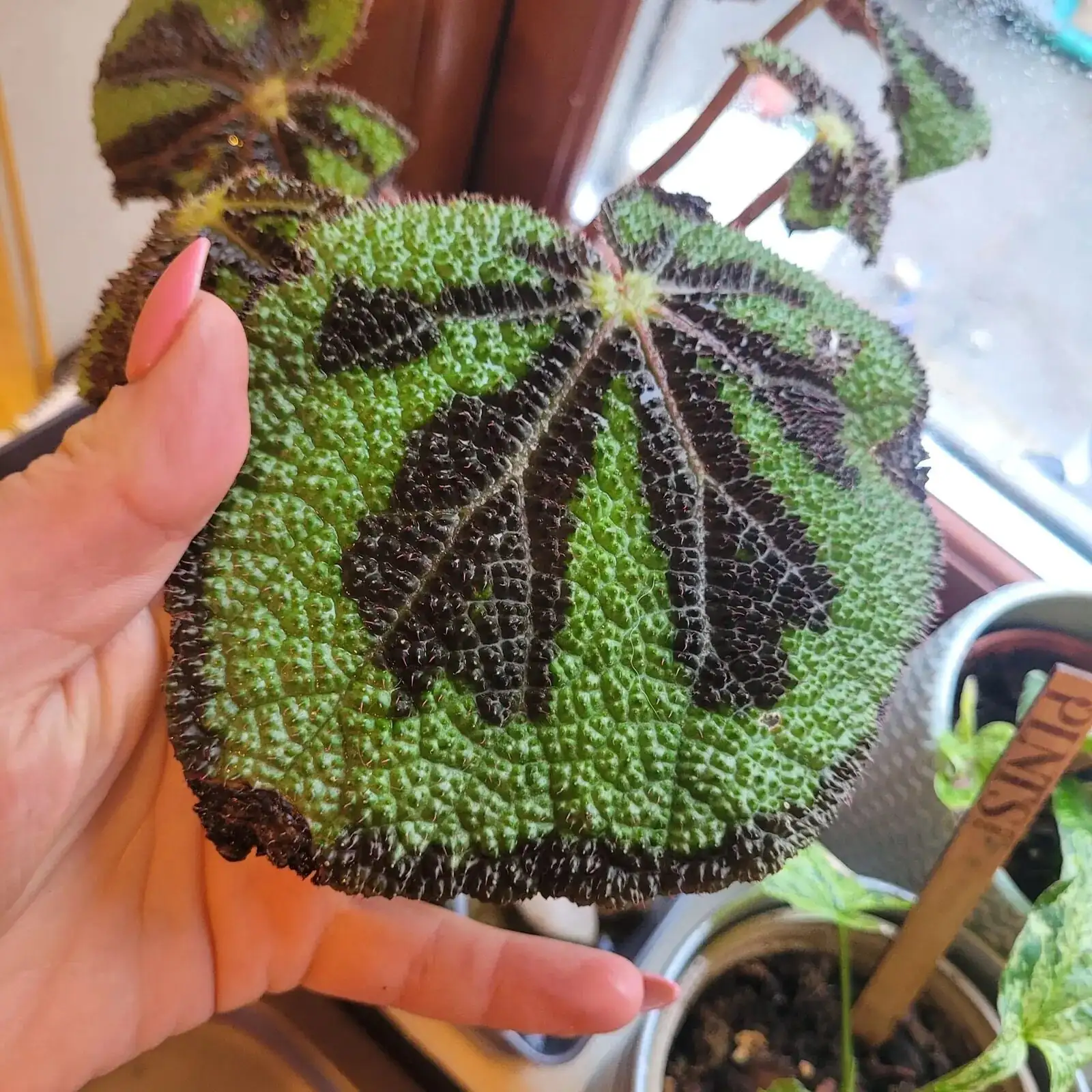
If you’ve ever wished a plant could play the role of art, Begonia masoniana—better known as the Iron Cross Begonia—delivers. Each softly textured leaf is stamped with a dramatic, chocolate-brown cross that begs for a thoughtful backdrop, a tactile pot, and flattering light. Here’s how to style it so the cross truly pops, while keeping your plant robust and happy.
Meet the star leaf (and what it wants)
- Size and scale: Typically 20–30 cm tall and 30–45 cm wide when content—perfect for shelves, side tables, and windowsills. Most thrive in 12–15 cm pots.
- Light preference: Bright, indirect light to partial shade is the sweet spot. Think east- or north-facing windows or any bright room softened by a sheer curtain. Avoid strong direct sun, which can scorch the leaves and fade that crisp cross.
- Climate comfort: Warm and humid suits it best—around 14–22°C with humidity at 60–70%. Keep it above 10°C in winter to prevent damage.
Pro tip for pattern: Filtered light keeps the leaf marking sharp; light that’s too intense or air that’s too dry can blur color and cause yellowing or crispy edges.
Light that flatters: east- and north-window playbooks
East-facing window: the “gentle spotlight”
- Setup:
- Distance: Position 30–90 cm from the window or right at the sill behind a sheer curtain to soften morning rays.
- Backdrops: Pale or mid-tone walls (ivory, soft oatmeal, misty sage) intensify the contrast of the dark cross on bright green leaves.
- Texture cue: A matte, ribbed ceramic pot catches angled morning light and throws delicate shadow play on the foliage.
- Health guardrails:
- Keep leaves from touching cold glass in winter.
- Add humidity (humidifier or pebble tray) if the morning sun and indoor heat team up to dry the air.
North-facing window: the “glow box”
- Setup:
- Distance: Place close to the glass; north light is gentle, so the plant can sit right at the sill.
- Light boosters: White window frames, a light sill, or a nearby mirror bounce light back onto the foliage without introducing harsh rays.
- Color pairing: Charcoal or deep ink walls create a moody gallery effect—green leaves appear luminous and the cross reads graphic and bold.
- Health guardrails:
- In darker months, the plant may slow. That’s normal; just water less. If pattern clarity fades, nudge it a bit closer to the window or use a low-intensity, full-spectrum grow light for a few hours daily—still indirect.
Backdrops that make the cross pop
- Crisp contrast (high drama):
- Soft ivories, linen, pale stone, light putty: brighten greens and sharpen the cross.
- Add a textured backdrop (limewash or plaster finish) so the leaf’s velvety look stands out.
- Moody contrast (gallery drama):
- Charcoal, ink blue, deep forest: intensify the plant’s glow and make the cross read like brushstrokes.
- Natural neutrals (organic calm):
- Warm woods, cane, and rattan: echo the plant’s earthy character while keeping the scene soft.
- Styling trick: Let negative space do its work. A few uncluttered centimeters around the plant draws the eye to each leaf’s “X.”
Pot textures and shapes: from quiet to bold
- Must-haves for health:
- Drainage holes are non-negotiable. Use an airy mix (potting compost + peat or coco + perlite/coarse sand).
- Consider a nursery pot tucked inside a decorative cachepot. It gives design freedom while keeping watering precise.
- Texture pairings that flatter:
- Matte, fluted ceramic: casts elegant shadows that echo leaf veining.
- Speckled stoneware: the fine grain harmonizes with the leaf’s velvety surface.
- Sealed terracotta or glazed interiors: offers the warmth of clay without over-wicking moisture.
- Subtle metallics (brushed brass stands): add lift and light without stealing the show.
- Color palette:
- For maximum pop: light neutrals (bone, sand, pale grey).
- For moody vignettes: charcoal, slate, blackened bronze.
- Scale and silhouette:
- Choose low, slightly wider pots to allow the rhizomatous habit to spread into a lush clump.
- Keep the pot size just a step up from the root mass; oversized pots can stay wet too long.
Grouping for humidity—without inviting trouble
Iron Cross Begonia loves 60–70% humidity. Grouping plants raises humidity naturally, but style smart:
- Best companions: Ferns, calatheas, prayer plants, and peperomias thrive in similar, gentle light and enjoy the same humid microclimate.
- Airflow matters:
- Leave a little air between leaves (a finger’s width or more) so moisture doesn’t linger.
- Use a small, gentle fan across the room—not directly at the plant—to reduce fungal risks.
- Easy humidity upgrades:
- Pebble tray under the group (water below, not touching the pot’s base).
- A compact humidifier on a timer during dry months.
- Mist the air around the cluster, not the leaves themselves; consistently wet foliage invites gray mold and powdery mildew.
- Avoid: Tight terrariums or closed cloches for long stints—stagnant air can blemish those showcase leaves.
Three ready-to-style vignettes
1) The Morning Cross (east window)
- Placement: On the sill behind a sheer curtain.
- Palette: Pale wall, ribbed matte ivory pot, warm oak stand.
- Companions: A small fern and a satin pothos flanking it for a soft humidity buffer.
- Care cue: Water when the top centimeter feels barely dry—often every 3–4 days in summer; never waterlog.

2) The North Gallery (floating shelf)
- Placement: Top shelf within 30 cm of a north window; a mirror opposite to bounce light.
- Palette: Charcoal wall, speckled stoneware pot, brushed brass bracket.
- Companions: A variegated peperomia and a petite calathea on lower tiers.
- Care cue: In winter, reduce watering significantly; keep above 10°C and the cross stays crisp.

3) The Soft Spa (bright bathroom)
- Placement: Away from direct spray, near a frosted window.
- Palette: Misty sage walls, sealed terracotta cachepot with nursery pot inside.
- Companions: Blue star fern and a miniature orchid for a lush, layered look.
- Care cue: Steam boosts humidity naturally—just maintain airflow and keep leaves dry.
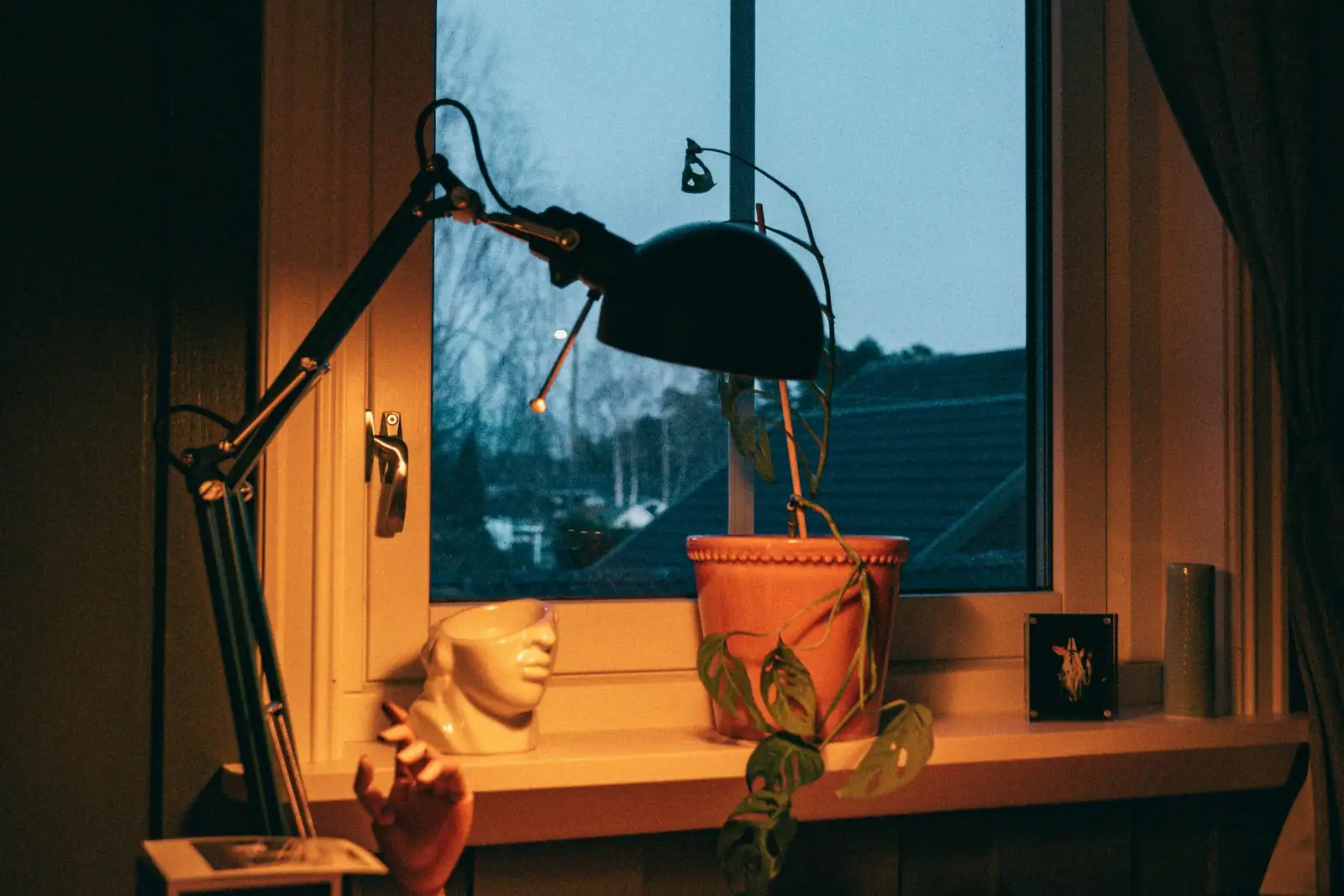
Care cues that keep style alive
- Watering:
- Growing season: Keep evenly moist but never soggy. In warm weather, every 3–4 days is common—adjust for pot size, mix, and room temp.
- Winter: Semi-dormant. Water sparingly or even pause briefly to prevent rhizome rot; lean on humidity instead.
- Feeding: April–August, a balanced fertilizer every 2 weeks at label dilution. Pause in cooler, dim months.
- Temperature & drafts: Aim for 14–22°C; avoid hot radiators, drying vents, and chilly windows. Below 10°C, leaves may yellow or develop brown, crispy margins.
- Grooming & pruning:
- Rotate weekly for even growth and pattern exposure.
- Dust gently with a soft brush—skip leaf-shine products.
- Thin older leaves at the base in summer to improve airflow and invite fresh growth.
- Repotting & refresh:
- Repot annually in spring; divide overcrowded rhizomes.
- Every 4–5 years, restart vigor by taking cuttings and replanting young, compact clumps.
- Pests & disease watch:
- Stagnant, wet foliage can trigger gray mold and powdery mildew—keep air moving, leaves dry, and remove affected tissue.
- Scale insects may appear; use horticultural oil or insecticidal soap and repeat as directed.
- Safety note: Considered toxic if eaten (especially rhizomes) and may irritate sensitive skin. Keep away from pets and small children.
Propagate for design (and gifts)
- Division (spring): Slice rhizomes into ~10 cm sections with a growing tip. Let cuts dry briefly, pot 2–3 pieces per container, and keep in partial shade until established.
- Leaf cuttings (early summer): Take a mature leaf, cut it about 1 cm from the petiole, then set 6–7 cm sections into moist, sterile mix with part of the leaf above the surface. Roots form in ~3–4 weeks; transplant after about 2 months when plantlets show a couple of leaves.
Style idea: Arrange a shallow propagation tray on a sideboard—it’s functional and makes a chic, botanical conversation piece.
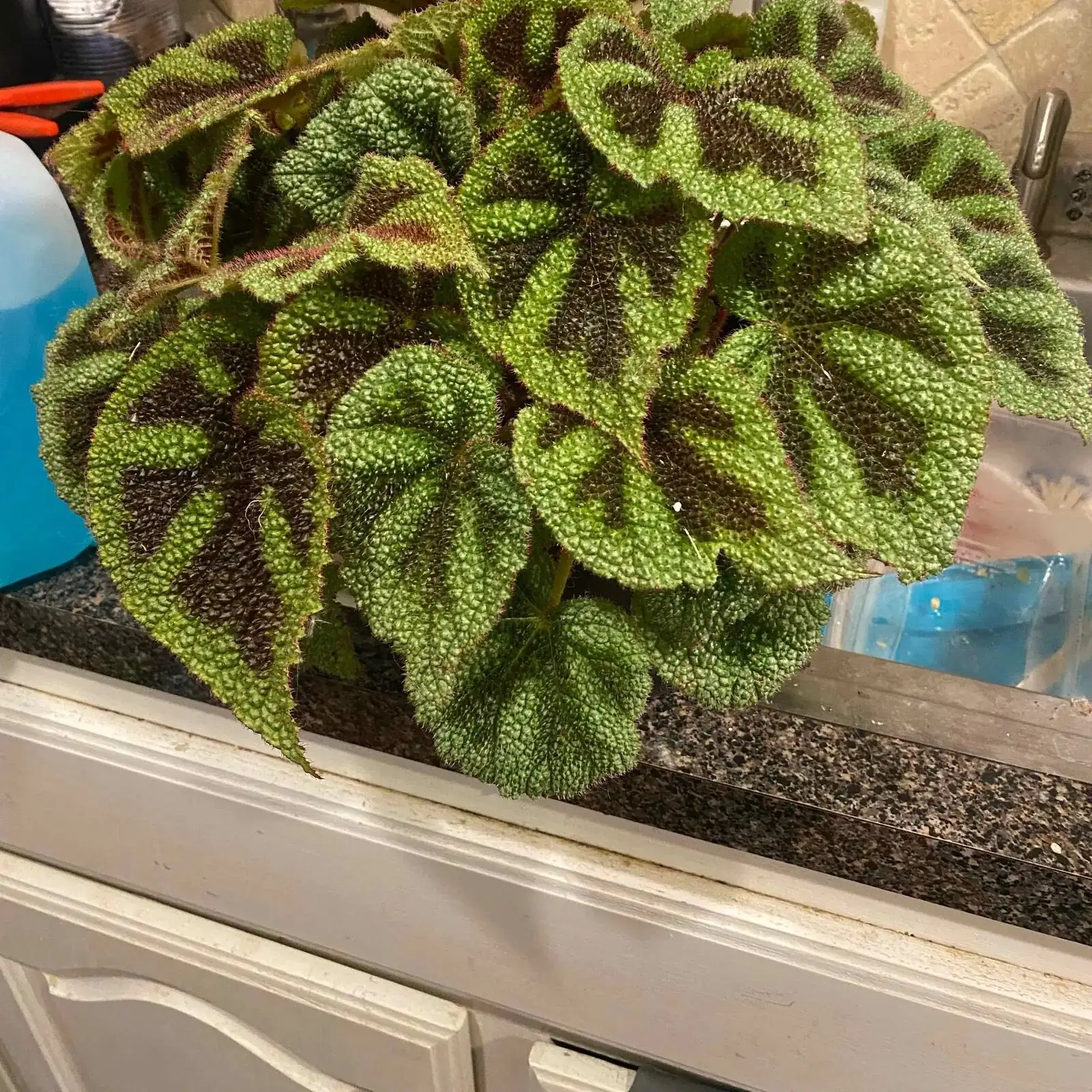
Color and texture cheat sheet
- Want the cross to shout? Pair with:
- Backdrop: Ivory, pale putty, or misty sage.
- Pot: Matte ribbed ceramic in off-white or pale stone.
- Prefer a moody, artful whisper?
- Backdrop: Charcoal or ink blue.
- Pot: Speckled stoneware or matte black, plus a brass stand for glow.
- Texture trio that never fails: Velvety leaves + fluted pot + smooth wood.
Quick fixes for common styling snags
- Leaves yellowing or getting scorched patches?
- Likely too much sun, cold drafts, or dry air. Move to bright, indirect light, keep above 10°C, and raise humidity to 60–70%.
- Pattern looking faint?
- Increase filtered light (closer to an east or north window, or add soft grow lighting) and boost humidity. Avoid deep shade.
- Soil stays wet too long?
- Use a chunkier mix with more perlite/coarse sand, ensure drainage holes, and downsize the cachepot if it traps moisture.
A note on “flower language”
There isn’t a traditional, standardized flower language for Iron Cross Begonia. Any symbolism you hear—often “bold beauty” or “quiet strength”—is a modern nod to its unmistakable cross, a mark that reads like a confident signature on living canvas. In practice, its truest meaning may be its generosity: a single leaf can become several plants you can share.
Bring your Iron Cross Begonia into the spotlight with the right light, texture, and palette. Style it like sculpture; care for it like the living jewel it is. When the cross is crisp and the leaves are plush, your design choices and the plant’s wellbeing are in perfect, artful alignment.