

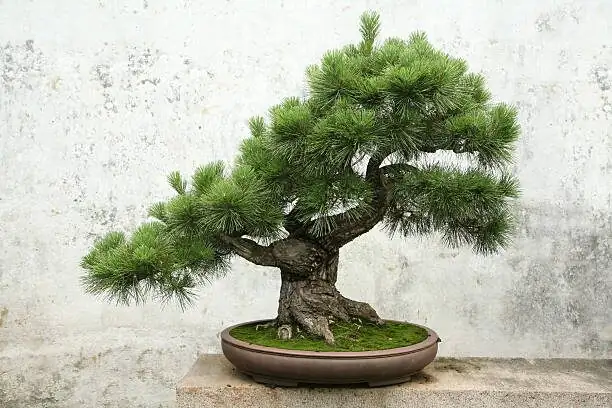
If you’ve ever dreamt of a calm, sculptural evergreen holding court on your patio year-round, Buddhist pine (Podocarpus macrophyllus) is your kind of plant. It’s the conifer that thrives on elegance over fuss: neat, glossy, narrow leaves, a natural affinity for pruning into cloud-like pads, and the poise to look good in every season. Outdoors in containers, it rewards a few smart strategies—about sun, wind, drainage, and sudden chills—with years of steady beauty.
The light sweet spot: bright, not brutal
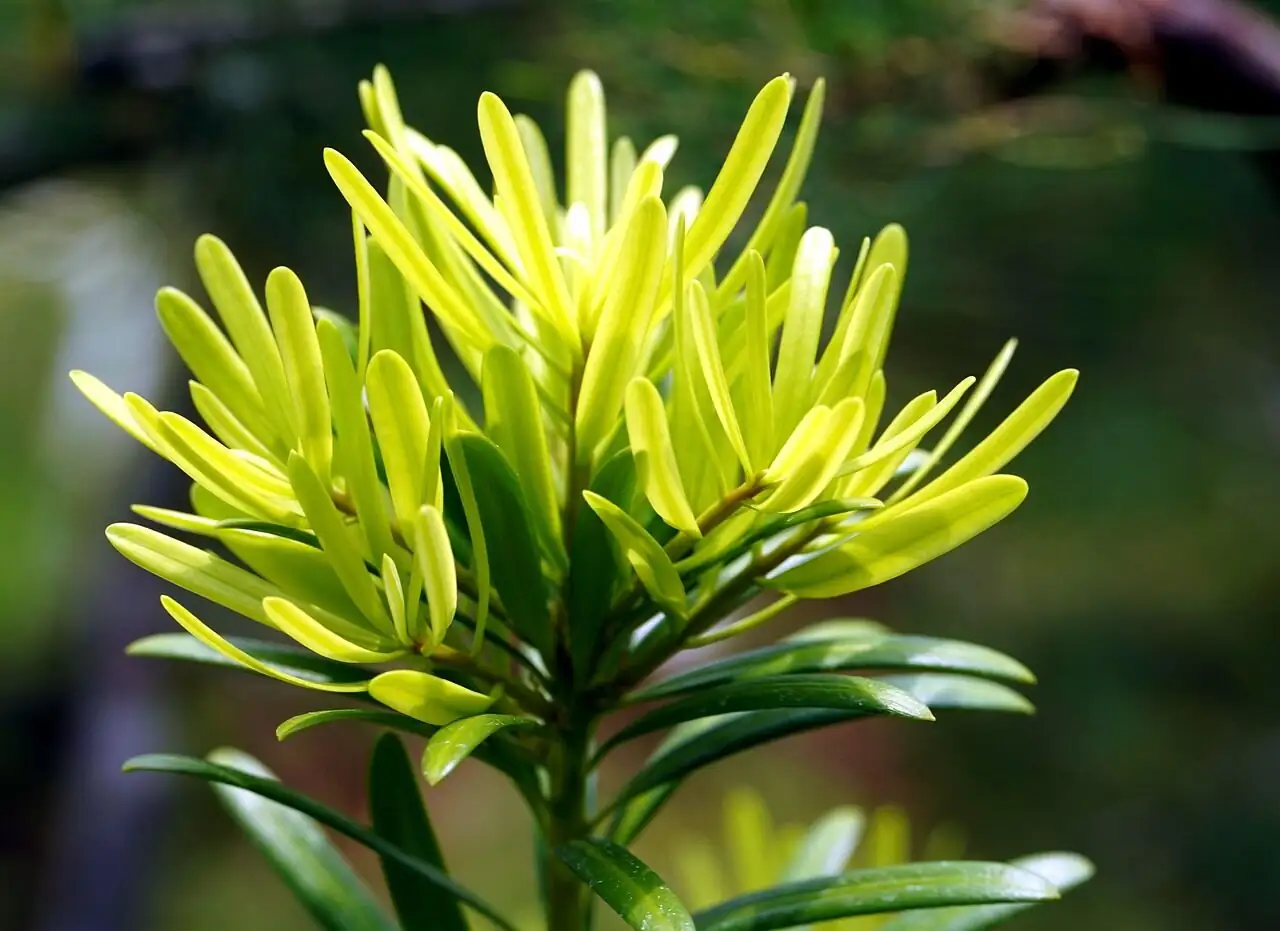
Buddhist pine relishes bright light to partial shade. Think “morning applause, afternoon shade.”
- Best placement: an east-facing balcony or a patio spot that enjoys morning sun and bright, indirect light later.
- Summer safeguard: give it shade from harsh midday sun—especially in heatwaves—to avoid leaf scorch.
- Winter tip: as days shorten, let it enjoy more sun to keep growth tight and foliage richly green.
- Acclimation counts: if moving from indoors to outdoors in spring, step it up gradually over 10–14 days to prevent shock.
Signs you’ve nailed it: leaves remain deep green, new growth is compact, and you’re not seeing crispy tips from overexposure.
Wind: a friend for airflow, a foe in gusts
Good airflow keeps foliage healthy; gale-force blasts sap moisture and topple tall containers.
- Shelter without stifling: position near a wall or railing that breaks prevailing winds but still allows circulation.
- Build a wind buffer: cluster pots, use lattice screens, or place behind a bench. On high-rise balconies, avoid wind tunnels.
- Anchor tall containers: add a couple of stones at the base, use pot feet with anti-slip pads, or discreetly tie to a sturdy support.
Drainage is destiny (your root-rot insurance plan)
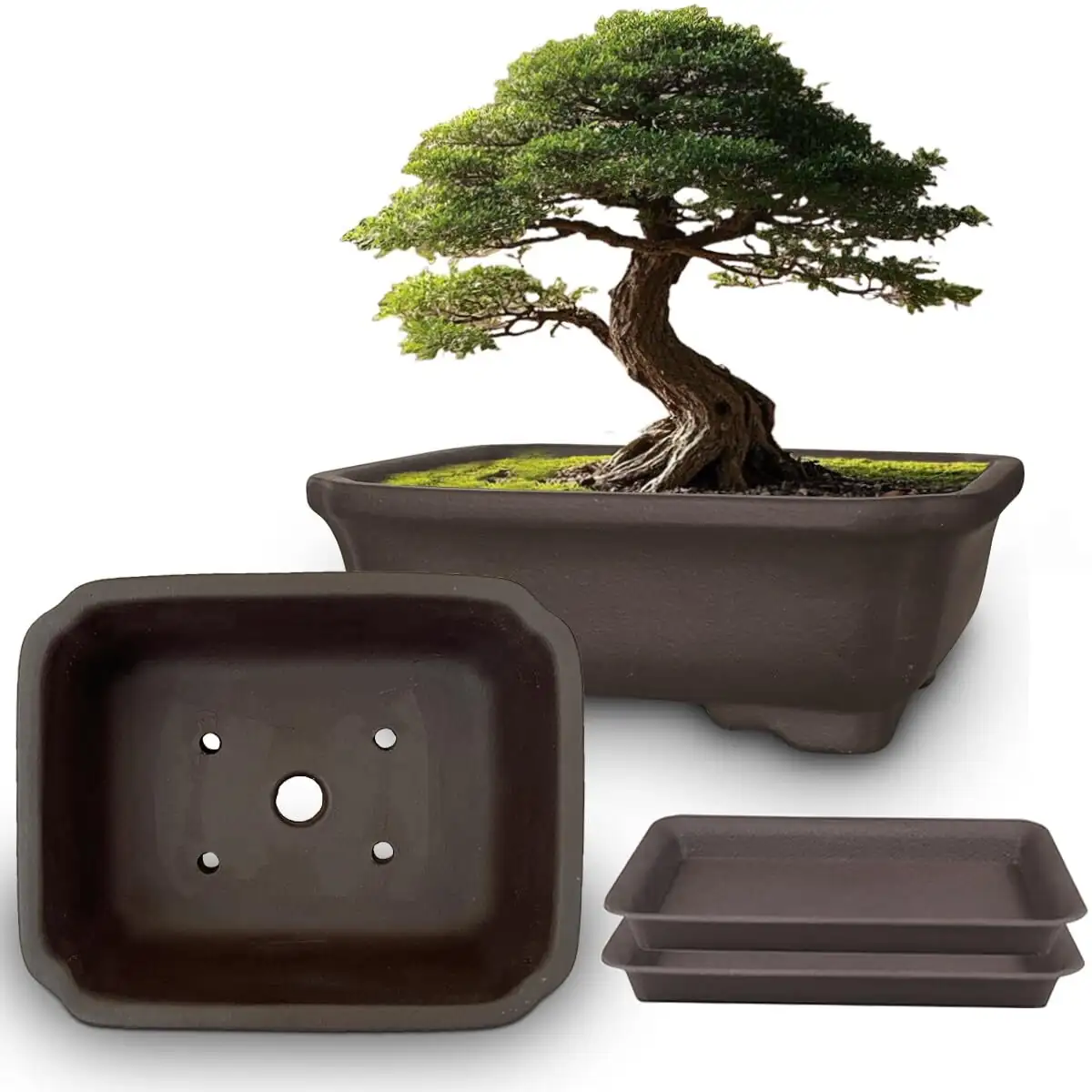
Buddhist pine is forgiving in many ways—but not in soggy soil. In containers, think airy and fast-draining from the start.
- The mix: aim for a free-draining blend, for example:
- 1/3 fertile loam
- 1/3 leaf mold or composted bark
- 1/3 coarse grit such as pumice, expanded slate, or coarse sand
- Pot choice: use a container with generous drainage holes; bonsai and training pots are typically 20–40 cm (8–16 in) deep.
- Smart add-ons:
- Mesh over the holes to keep mix in, not roots out.
- Pot feet to lift the container and prevent water from sealing the base.
- Right-size the pot—oversized containers hold excess moisture around new roots.
- A drainage “wick” (a strip of synthetic fabric run through a hole) can help draw water out if a saucer is unavoidable.
- Myth-busting: skip a thick gravel layer at the bottom; it raises the perched water table. Let the whole mix drain freely instead.
Watering rhythm for containers:
- Water thoroughly, then wait until the top of the mix is nearly dry before watering again. As a loose guide, twice weekly in active growth—adjust for heat, pot size, and wind.
- During spring growth flushes, slightly easing back on water can help bonsai growers keep new leaves shorter.
- In hot weather, occasional light misting keeps the foliage fresh and vivid, especially in dry air.
Cold math: frost thresholds and fast protection
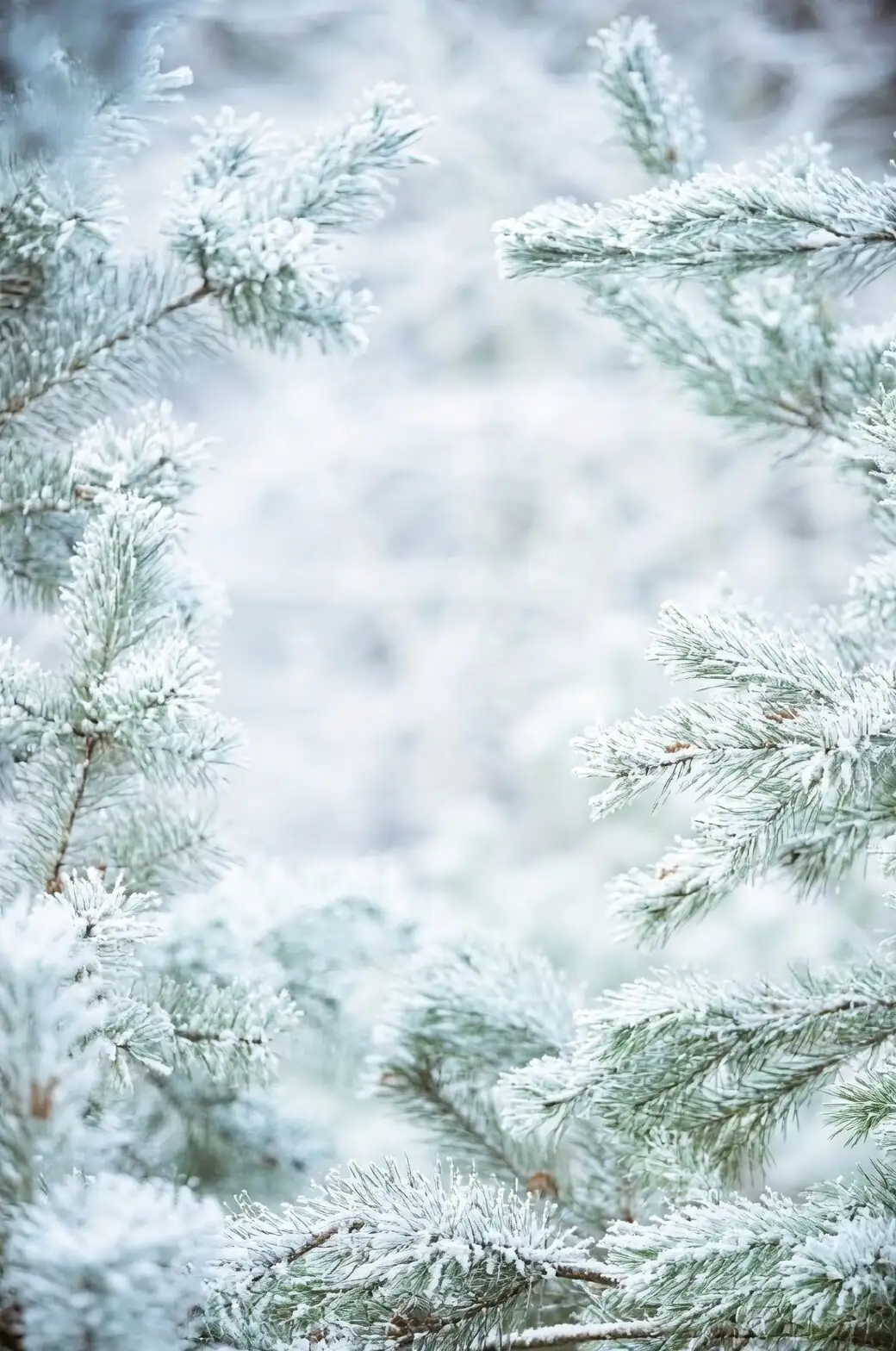
Buddhist pine grows best around 15–25°C (59–77°F). It will tolerate brief dips to about -5°C (23°F), but hard freezes can damage it. If you garden where nights flirt with frost, have a plan.
Quick cold-snap plan:
- Hydrate ahead of frost: moisten (don’t drench) the mix the afternoon before a freeze; hydrated roots handle cold better.
- Move and cluster: slide pots against a sun-warmed wall or under an overhang, and group with other containers for shared warmth.
- Wrap the pot: insulate the container (not just the foliage) with frost fleece, burlap, or even a blanket. Add cardboard or coir around the pot for extra buffering.
- Cover the canopy: drape breathable frost cloth over a simple hoop or stakes so it doesn’t press on foliage. Secure at the base to trap ground heat; remove and ventilate in the morning.
- Add thermal mass: stash a couple of water-filled jugs beneath the cover to release heat overnight.
- For short, sharp freezes: an upturned box or large plastic storage bin can work as an emergency cloche—prop it slightly for airflow and remove at dawn.
- Longer cold spells: shift the plant indoors to a very bright window or into a bright, cool, well-ventilated space until the weather stabilizes.
After the cold:
- Don’t rush to prune “burned” tips. Wait a couple of weeks; often the plant pushes new growth that guides what truly needs trimming.
Where it thrives outdoors year-round:
- Approximately USDA Zone 8–11. In colder climates, containers make it easy to move or protect the plant during winter weather.
Feeding for finesse
- Containers/bonsai: feed about once per month in the growing season; stop in winter.
- Use a balanced, gentle fertilizer or organic tea. Overfeeding can stretch growth and soften those crisp silhouettes you’ve worked to shape.
Pruning and styling on the patio

This species loves a haircut and happily becomes the cloud-pad classic.
- Spring: pinch or prune shoot tips to control extension growth and refine the outline.
- Styling: wire and prune to create layered pads; once the framework is set, maintain with regular light trimming.
- Rotate the pot every few weeks for even light and balanced growth.
Repotting cadence and pot depth
- Typical bonsai/ornamental containers run about 20–40 cm (8–16 in) deep to support roots and stability.
- Refresh or repot every 2–3 years using a free-draining blend. Tie the rootball in place if wind is an issue on balconies.
Microclimate magic on balconies and patios
- East-facing sites are golden—morning sun, afternoon ease.
- Overhangs protect from pounding summer sun and winter sleet.
- Light-colored walls bounce gentle light; dark walls store day heat and release it at night.
- Elevated stands increase airflow but watch wind exposure; adjust with screens if necessary.
Troubleshooting at a glance
- Leaf scorch (brown tips/edges): too much intense sun or hot wind. Shift to gentler light and improve humidity with occasional misting.
- Yellowing leaves in wet, heavy mix: drainage issue. Repot into an airier blend; raise the pot on feet and water only when the top begins to dry.
- Leaf spot/anthracnose in stagnant, wet weather: boost airflow, avoid constantly wet foliage, prune out affected leaves, and keep the canopy thinned.
- Pests (scale, spider mites, thrips): inspect undersides of leaves; treat early with horticultural soap or oil and repeat as needed.
Safety note
Toxicity is not specified for this species. As a precaution, keep all plant parts away from pets and children, and seek local advice if ingestion is suspected.
A simple seasonal playbook for outdoor containers
- Spring
- Gradually acclimate outdoors; pinch/prune shoot tips.
- Resume monthly feeding and regular watering.
- Slightly reduce water during leaf flush if you’re chasing compact bonsai foliage.
- Summer
- Provide shade from scorching midday sun; mist occasionally for humidity.
- Take semi-ripe tip cuttings if you want to propagate.
- Watch drainage—heat and sudden storms can fool watering habits.
- Autumn
- Feed once more early in the season for in-ground plants nearby; in containers, taper feeding.
- Reduce watering as nights cool; ensure excellent drainage before winter rains arrive.
- Winter
- Stop fertilizing. Protect from hard freezes; remember the brief tolerance to about -5°C (23°F).
- Keep the pot off frozen ground with feet; have frost cloth and ties ready for snap changes.
Buddhist pine brings a refined, evergreen presence to outdoor containers—calm, structured, and enduring. Give it bright-but-gentle light, shelter from battering winds, a potting mix that never bogs down, and a quick-to-deploy frost plan. With those boxes ticked, this quietly handsome tree will reward you with year-round poise and a silhouette that only gets better with time.