

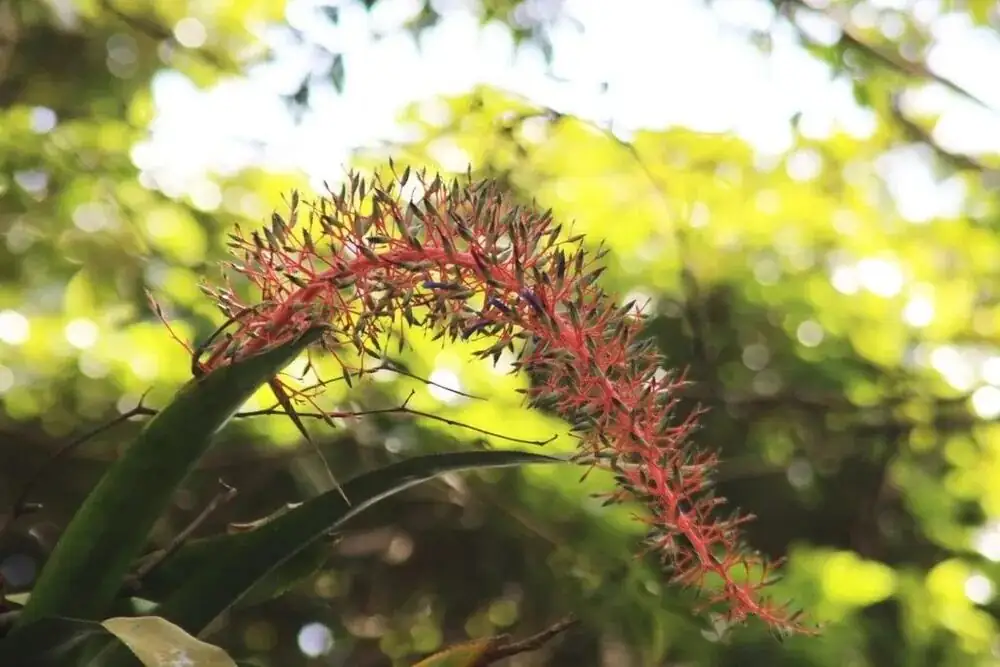
Imagine a compact rainforest vignette on your shelf: sculptural rosettes, pink bracts glowing like lanterns, orchids dangling roots, air plants catching every breeze, and ferns spilling soft green fronds. At the center stands Aechmea fendleri—the Dragonfly Bromeliad—an effortless anchor for a mixed epiphyte community. With the right bark‑forward substrate, a few humidity and airflow tricks, and compatible plant partners, you can build a self-sustaining, jungle‑shelf ecosystem that looks good year‑round.
Meet the Dragonfly Bromeliad (Aechmea fendleri)
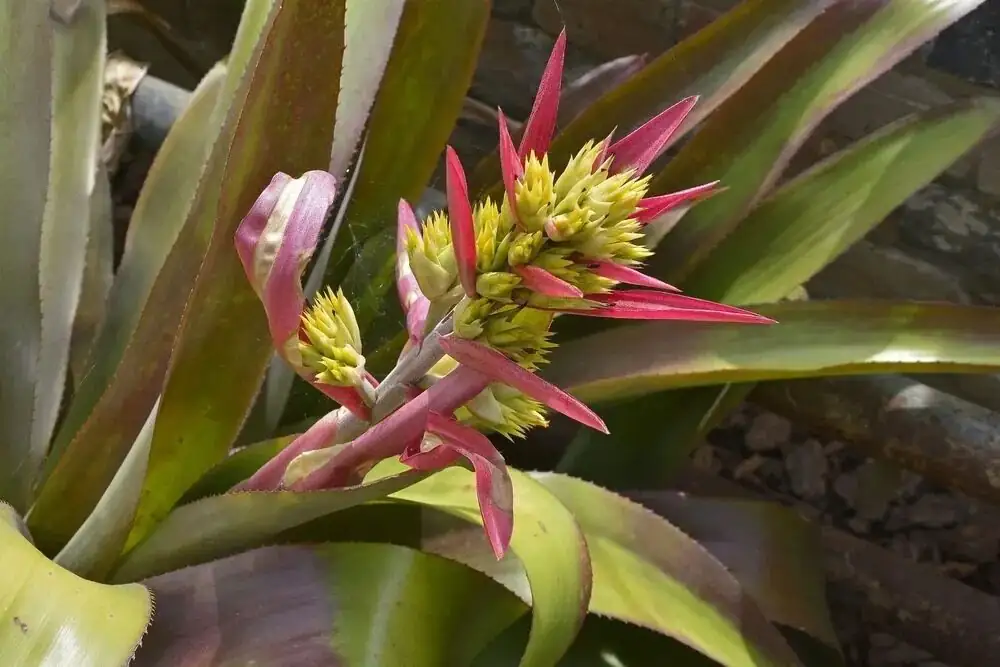
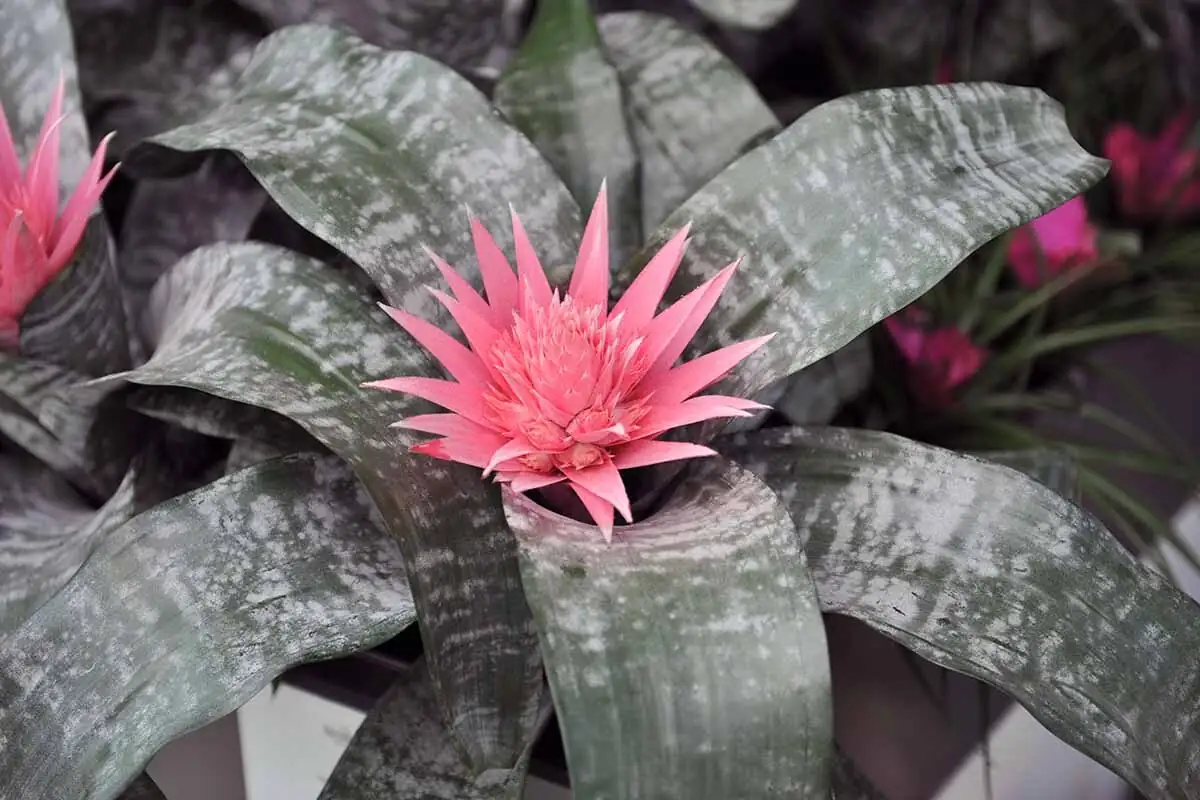
Native to tropical forests of northern South America (notably Venezuela), Aechmea fendleri is an epiphyte that forms a tidy, vase-shaped rosette of silver‑green, subtly banded leaves. In summer, it sends up a tall flower spike topped with showy pink bracts and small purple flowers—the bracts often remain colorful long after the fleeting blooms.
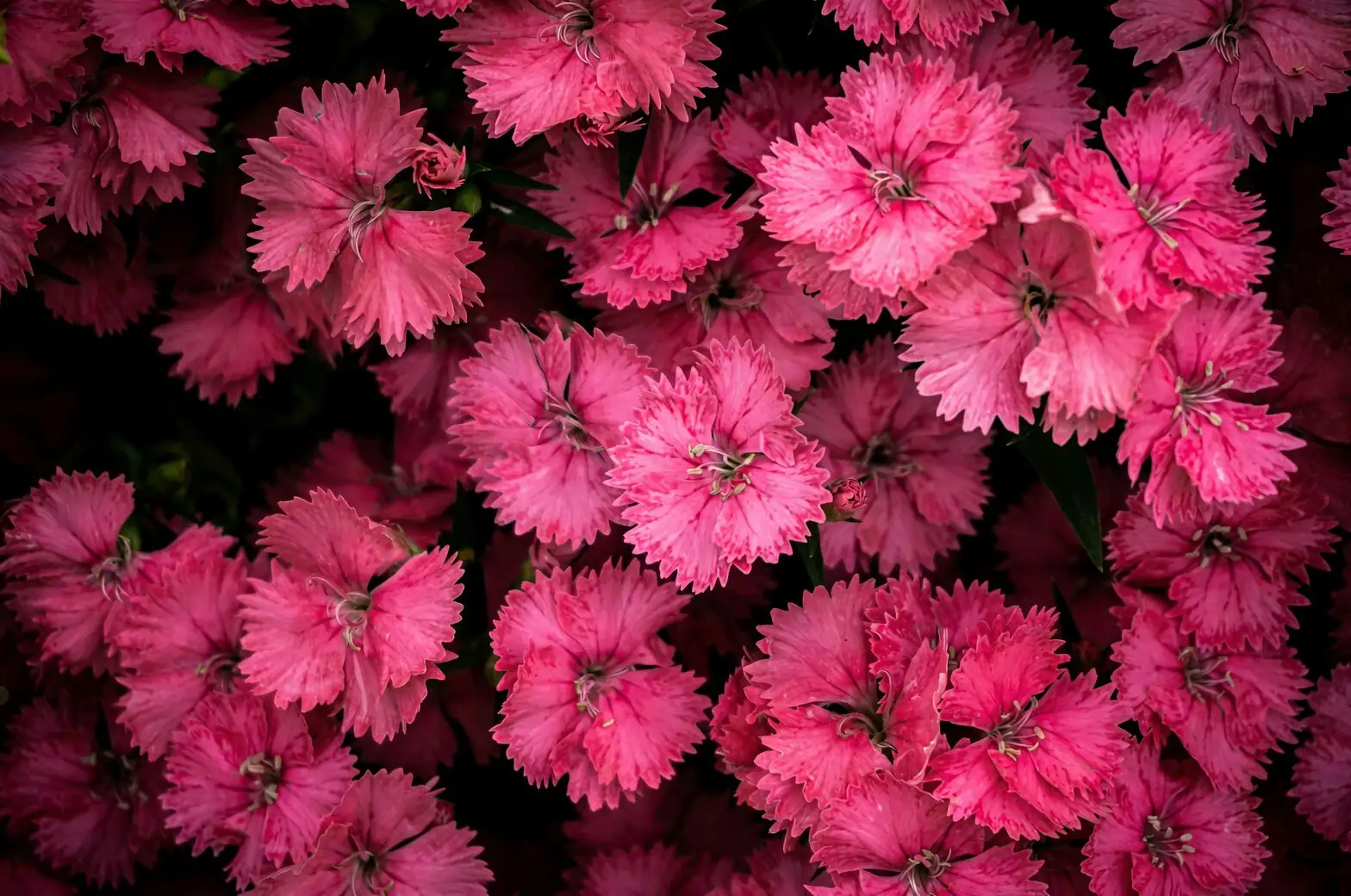
- Size: About 60 × 60 cm (24 × 24 in)
- Habit: Rosette-forming epiphyte that slowly clumps via offsets (pups)
- Light: Bright, filtered light; partial shade. Avoid harsh midday sun.
- Temperature: 15–27°C (59–81°F); keep above 10°C (50°F)
- Humidity: Moderate; appreciates a bump in hot weather
- Ideal indoor placement: Bright east or north windows; a few feet back from a south/west window with a sheer; bright kitchens or bathrooms with good airflow
Quick epiphyte note: Epiphytes live on trees, not in soil. They’re not parasitic; they simply perch, absorbing moisture and nutrients from rain, leaf litter, and the air. Tank bromeliads like Aechmea fendleri collect water in their central “cup,” which in the wild can host tiny micro-ecosystems—one reason they’re so captivating up close.
A Bark‑Forward Substrate That Feels Like Home
You’re aiming for airy, fast-draining, and well‑aerated—think tree-branch crevices rather than potting soil.
- Core recipe (bark-forward and reliable)
- 50–60% medium orchid bark mix
- 20–25% coarse perlite
- 15–20% coconut coir or chopped coco chips
- Optional: 5–10% horticultural charcoal to keep things sweet and enhance drainage
Two proven alternatives:
- Equal parts orchid bark mix + perlite + coconut coir
- 1:1 orchid bark mix + general-purpose potting mix (stay chunky; avoid peat-heavy blends)
Container tips:
- Choose a snug pot, often 12.5–15 cm (5–6 in). Oversized pots trap moisture and invite rot.
- Use slotted orchid pots or a nursery pot with ample side holes to boost airflow.
- Top dress lightly with extra bark to keep crowns dry and encourage air around the base.
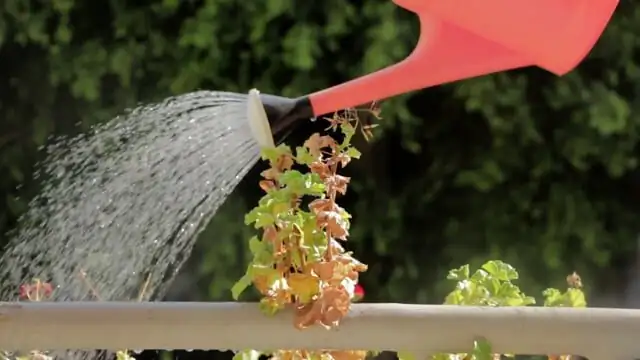
Watering the mix:
- Growing season (spring–late summer): keep the mix lightly moist, never waterlogged.
- Winter: allow the mix to dry before watering again.
Water, Feed, and the “Cup” Ritual
- The cup: Fill the central rosette with rainwater or distilled water (mineral-heavy tap water can leave crusty deposits). Refresh/top up about every 4–8 weeks. In hot weather, check more often so it’s not bone dry.
- Occasional flush: Pour a little clean water through the cup to prevent salt buildup.
- Fertilize: From spring to late summer, feed every 2 weeks at 1/2 strength with a balanced liquid fertilizer. Apply into the cup or as a foliar spray; flush with plain water occasionally.
Companion-Planting: Orchids, Tillandsias, and Ferns
Design your shelf like a layered forest, matching plants that enjoy bright, filtered light, steady warmth, gentle airflow, and a humidity bump.
Orchid allies
- Phalaenopsis (moth orchids): Perfect match for light and temperature; enjoy bright, indirect light and appreciate the same gentle humidity bump.
- Oncidium-type minis and compact hybrids: Thrive in bright filtered light; place slightly higher or closer to the window than Phals if they want a bit more intensity.
- Root aesthetics: Let orchid roots trail over bark; their velamen happily breathes where Aechmea prefers an airy mix below.
Shared care synergies:
- Similar feeding schedule at half-strength in warm months.
- Orchid bark overlaps with the bromeliad’s mix—batch-blend for both.
Tillandsia teammates (air plants)
- Try Tillandsia ionantha, stricta, or aeranthos near the front lip or clipped to a branch above Aechmea’s rosette.
- Soak or thoroughly drench tillandsias, then dry fast with gentle airflow. The same fan that keeps Aechmea’s crown healthy will help air plants thrive.
Fern companions
- Boston fern (Nephrolepis), bird’s-nest fern (Asplenium nidus), or staghorn fern (Platycerium) deliver lush texture.
- Keep fern media evenly moist but never soggy; site them slightly shadier or lower than your Aechmea so they don’t scorch.
- Use a shared humidity base (see hacks below) so you can water less often while keeping fronds pristine.
A sample jungle‑shelf layout
- Top tier (brightest, good airflow): Aechmea fendleri centered, orchids flanking it; a few tillandsias clipped to driftwood.
- Mid tier (filtered light, humid pocket): Boston fern or bird’s-nest fern; miniature orchids or tillandsias in holders.
- Shelf base (humidity engine): A wide tray of LECA or lava rock with chunks of orchid bark; keep a thin film of water below the stones, never touching pots.
Humidity and Airflow Hacks (that won’t invite rot)
- Build a “breathing” humidity tray: Fill a shallow tray with LECA or lava rock and scatter bark on top. Keep water just below the stone line. This raises ambient humidity without soaking pots.
- Microfan magic: Point a small, quiet fan across the shelf—not at it. You want leaves to barely quiver. Gentle airflow discourages spider mites and rot.
- Grouping effect: Cluster bromeliads, orchids, and ferns so they share a humidity bubble while still giving Aechmea room for its 24-inch spread.
- Strategic rooms: Bright bathrooms or kitchens often supply the perfect humidity/airflow balance.
- Hot-weather boost: Mist foliage and air daily or every other day if your indoor air is dry. Let surfaces dry quickly.
Light and Placement Sweet Spot
- Best indoors: Bright east light or bright north exposure; a few feet back from south/west exposures with a sheer curtain.
- Signs to watch:
- Too much sun: Bleaching or crisp edges—pull it back or diffuse the light.
- Too little light: Limp, elongated growth and muted color—move slightly brighter.
Seasonal Rhythm for the Whole Mini‑Ecosystem
- Spring–late summer:
- Keep Aechmea’s mix lightly moist; maintain water in the cup.
- Fertilize every 2 weeks at 1/2 strength; foliar feed orchids/tillandsias lightly on the same cycle.
- Run a microfan and keep the humidity tray topped up.
- Summer heat:
- Mist daily or every other day if air is dry; ensure quick dry-down with airflow.
- Winter:
- Let Aechmea’s mix dry before watering again; refresh/top up the cup every 4–8 weeks.
- Reduce fertilizer; keep bright light and gentle airflow.
Propagation, Repotting, and Grooming
- Pups: After flowering, the mother will produce offsets. Separate pups when 1/3–1/2 the size of the parent with their own roots. Pot them into the same airy mix.
- Repotting: Move up only one pot size to avoid soggy media; 12.5–15 cm (5–6 in) is common.
- Pruning: Remove the spent flower spike after bloom. Trim only fully brown tips—avoid cutting healthy green tissue.
Health, Pests, and Safety
- Pests to watch: Mealybugs, scale, and spider mites (more likely in dry air). Increase airflow, use gentle sprays, and isolate if needed.
- Rot risks: Persistently wet, stagnant media or poor airflow. Keep mixes airy and avoid oversized pots.
- Safety: Generally low toxicity, but the sap can irritate sensitive skin, and nibbling can upset pets. Display out of reach.
Symbolism and “Flower Language”
Bromeliads are often linked with hospitality and resilience—hospitality for the plant’s water-holding “cup,” and resilience for its long-lasting, architectural presence. As for strict “flower language” traditions, many modern attributions are retrospective rather than historical. Still, gifting Aechmea fendleri carries a thoughtful message: “My door is open, and strength can be graceful.”
Troubleshooting Quick Guide
- Cup smells stale: Briefly flush with clean water and refresh.
- Leaf edges browning: Air too dry or fertilizer salts building—raise humidity, flush the cup, and ease feeding.
- Pale, bleached leaves: Too much sun—diffuse or move back.
- Limp rosette or blackened bases: Media staying wet—downsize pot, increase bark, boost airflow.
- Spider-mite stippling: Dry air—raise humidity and start a gentle airflow routine.
Why Aechmea fendleri is the perfect “anchor plant”
- Architectural and forgiving, it thrives in bright filtered light with clean, bark-forward media and a simple cup‑care ritual.
- It shares a care language with orchids, tillandsias, and ferns, making one shelf feel like a single living system.
- Its summer show—pink bracts and purple flowers—draws the eye while companions provide year-round texture.
Build your barky, breathable stage; add a soft breeze; let your Dragonfly Bromeliad hold court—and enjoy an easy, exuberant, jungle‑shelf ecosystem.