

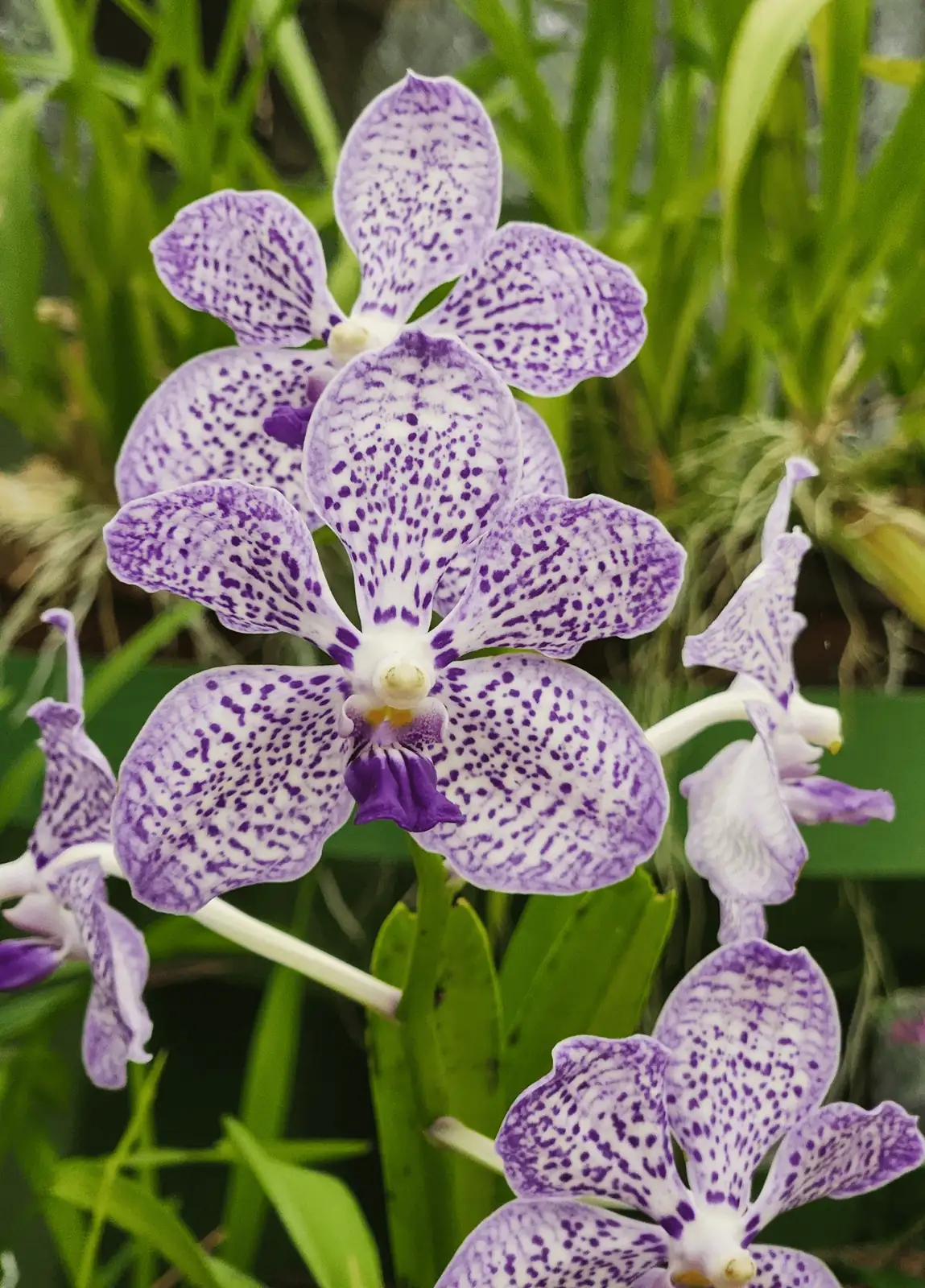
Meet the Moth Orchid: Nature’s Luxurious Masterpiece
If you’ve ever wandered through a garden center and been captivated by a cascade of elegant blooms that seem to float like ethereal creatures, you’ve likely met the Phalaenopsis, also known as the Moth Orchid. These botanical beauties, with their waxy petals and intricate patterns, are the gentle giants of the orchid world.
The Enchanting World of Phalaenopsis
Why are they called moth orchids, you ask? It’s all thanks to Carl Ludwig Blume, a botanist who, upon observing these orchids in their natural habitat, felt their delicate petals resembled the wings of a moth in flight. This genus comprises about 70 species, each proudly displaying its unique charm.
Native to the humid tropics of Southeast Asia and extending to northern Australia, Phalaenopsis orchids have adapted to thrive in a variety of conditions. They typically grow as epiphytes, which means they perch on trees, using their aerial roots not to steal nutrients but to anchor themselves and absorb moisture from the air. Imagine them as tree-hugging artists, painting the air with their vibrant colors and sweet fragrances.
A Symphony of Colors and Scents
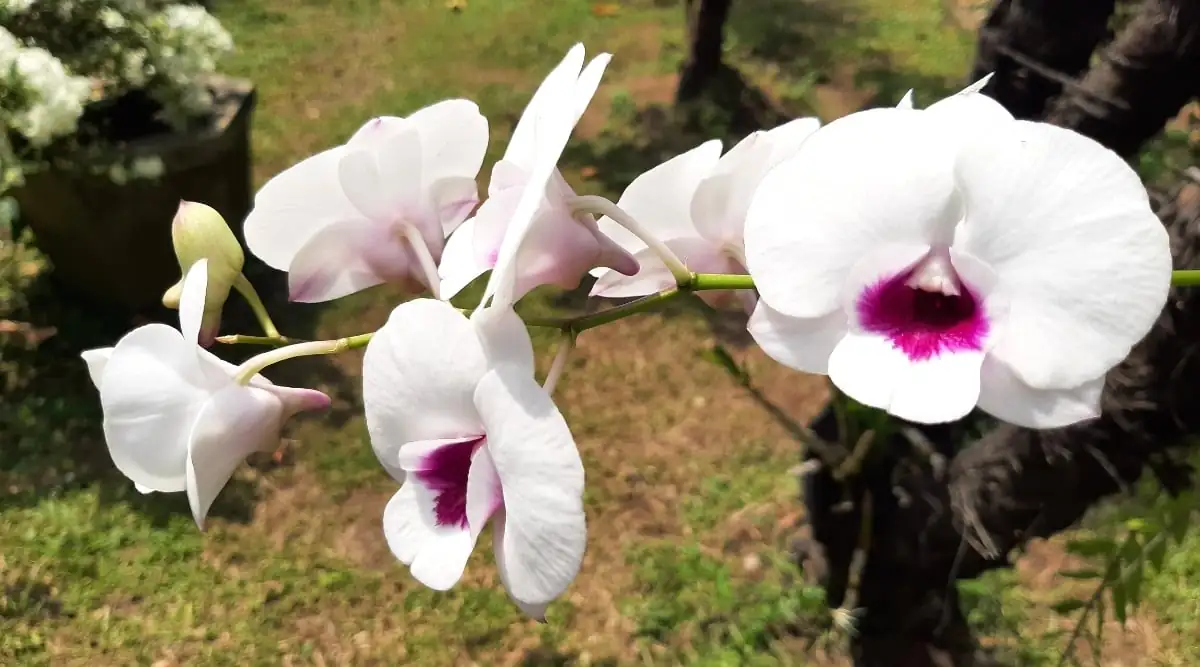
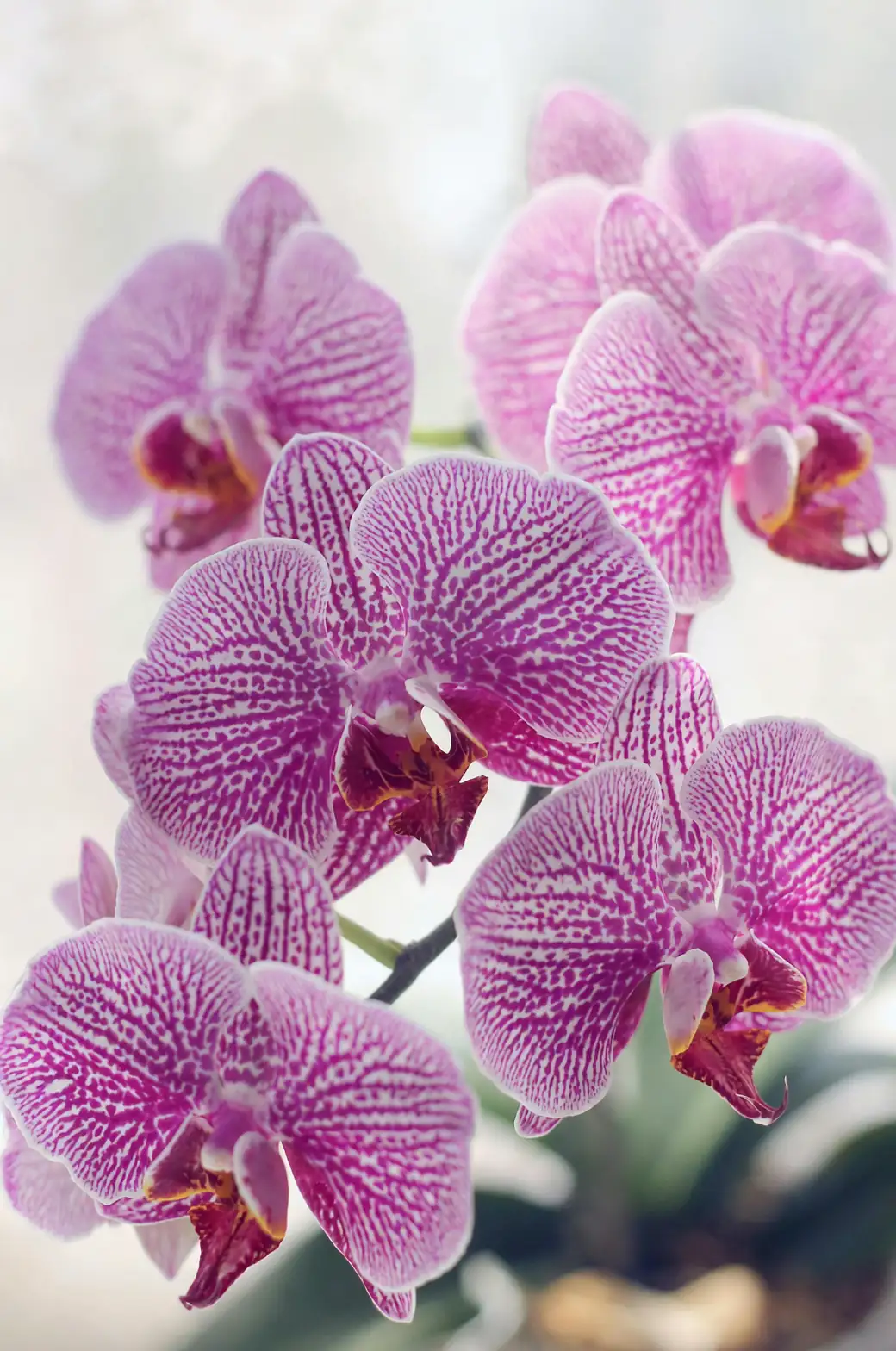
Phalaenopsis are masters of allure, boasting a palette that spans whites, pinks, purples, and even yellows and oranges, often adorned with enthralling multicolor patterns. But the magic doesn’t stop at their appearance; some cultivars also offer a subtle fragrance that is most pronounced at sunrise—a delightful wake-up call from Mother Nature herself.
Caring for Your Orchid: A Simple Dance
Despite their exotic appearance, moth orchids are surprisingly easy to care for, making them a favorite among both novice and seasoned plant enthusiasts. Here’s how you can keep your Phalaenopsis thriving:
- Light: They prefer bright, indirect light. Think of the gentle morning sun through an east window, but keep them away from harsh midday rays that can cause sunburn—yes, orchids can get sunburned!
- Watering: Water once the medium is nearly dry, usually every 7–14 days. Remember, they don’t like soggy feet, so let the pot drain thoroughly.
- Humidity: Moderate to high humidity, about 40–70%, is ideal. Pair this with good air circulation to prevent any pesky rot.
- Temperature: Keep them cozy at around 18–27°C (64–81°F), avoiding chilly drafts.
An Orchid’s Growth and Blooming Secrets
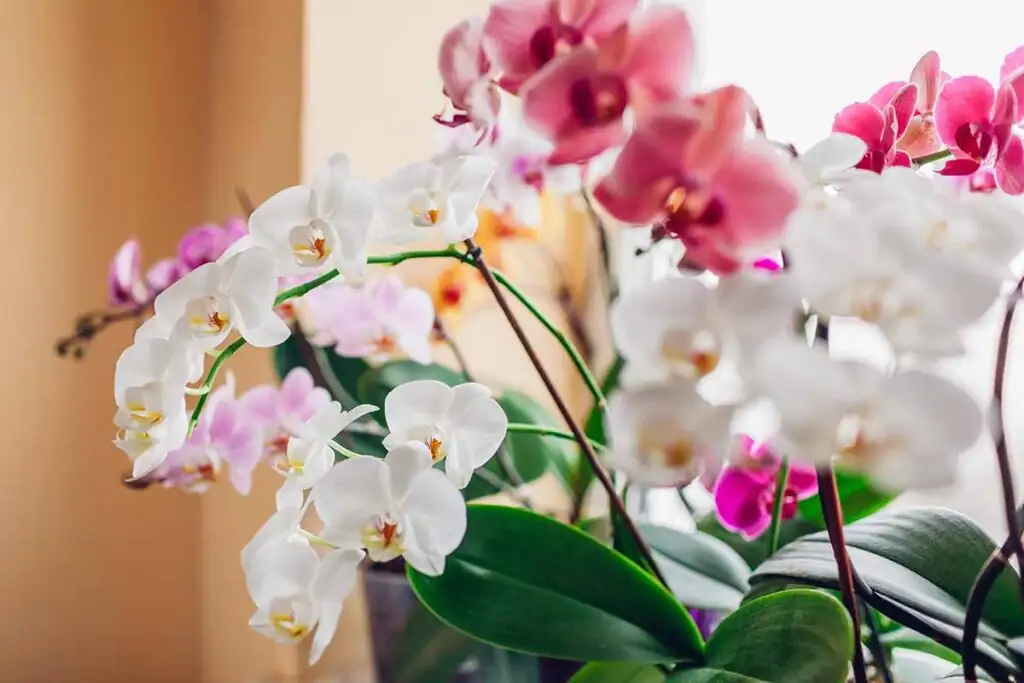
Phalaenopsis orchids are monopodial, meaning they grow vertically from a single stem and produce thick aerial roots. This growth habit allows them to bloom for extended periods, often from winter into spring, with each flowering cycle lasting weeks to months. After blooming, you can choose to cut the flower spike above a node to encourage a side branch or snip it off entirely to let the plant rest and recharge.
Symbolism and Cultural Significance
In the language of flowers, orchids symbolize beauty, elegance, and admiration. In Chinese culture, they are revered as icons of nobility and harmonious relationships. Each color carries its own meaning—white for purity, pink for affection, and purple for respect and admiration.
A Final Fun Fact
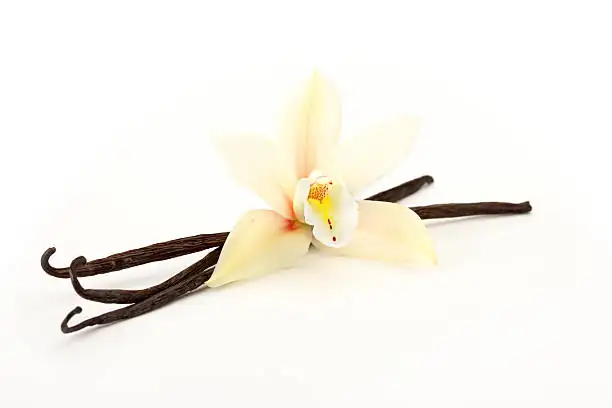
Did you know that orchids are part of one of the largest plant families on Earth? With over 25,000 species, they boast a diversity that’s nothing short of spectacular. And, in a delightful twist, vanilla beans, the beloved baking staple, come from another type of orchid, Vanilla planifolia.
So next time you see a moth orchid, take a moment to appreciate its storied past, its adaptable nature, and its effortless grace. Whether serving as a living centerpiece in your home or a thoughtful gift symbolizing elegance and friendship, the Phalaenopsis is truly a masterpiece of nature.


