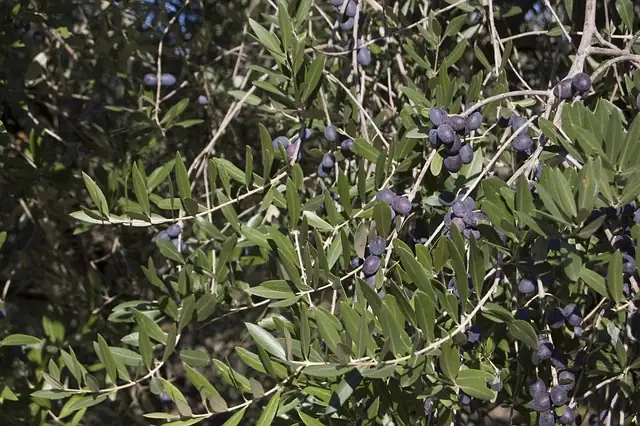
From Tree to Table: The Journey of Olea europaea to Liquid Gold
Imagine a landscape bathed in golden sunlight, where ancient trees with gnarled trunks stand as sentinels, their silvery leaves shimmering in the breeze. This is the world of Olea europaea, the common olive tree, a beloved resident of the Mediterranean region. Its fruit, the humble olive, undergoes a remarkable transformation to become one of the most treasured culinary staples: olive oil, often referred to as “liquid gold.”
The Art of Olive Oil Production
Transforming olives into olive oil is both an art and a science, a process steeped in tradition and enhanced by modern techniques. Let’s embark on this fascinating journey, from harvesting the fruit to savoring the oil’s rich flavors.
1. The Harvest: Timing is Everything
Harvesting olives is a delicate dance with nature. Timing is crucial, as the ripeness of the fruit significantly impacts the flavor profile and quality of the oil. Typically, olives are harvested in the fall, when they have turned a deep purple or black, signaling they are ready to be picked.
2. Crushing and Malaxation: Unleashing the Flavor
Once harvested, olives are swiftly transported to the mill, where they are washed and crushed into a paste. This process, known as malaxation, gently warms the paste, allowing the tiny oil droplets to coalesce. The warmth and slow mixing help release the rich flavors and aromas locked within the fruit.
3. Extraction: The Heart of the Process
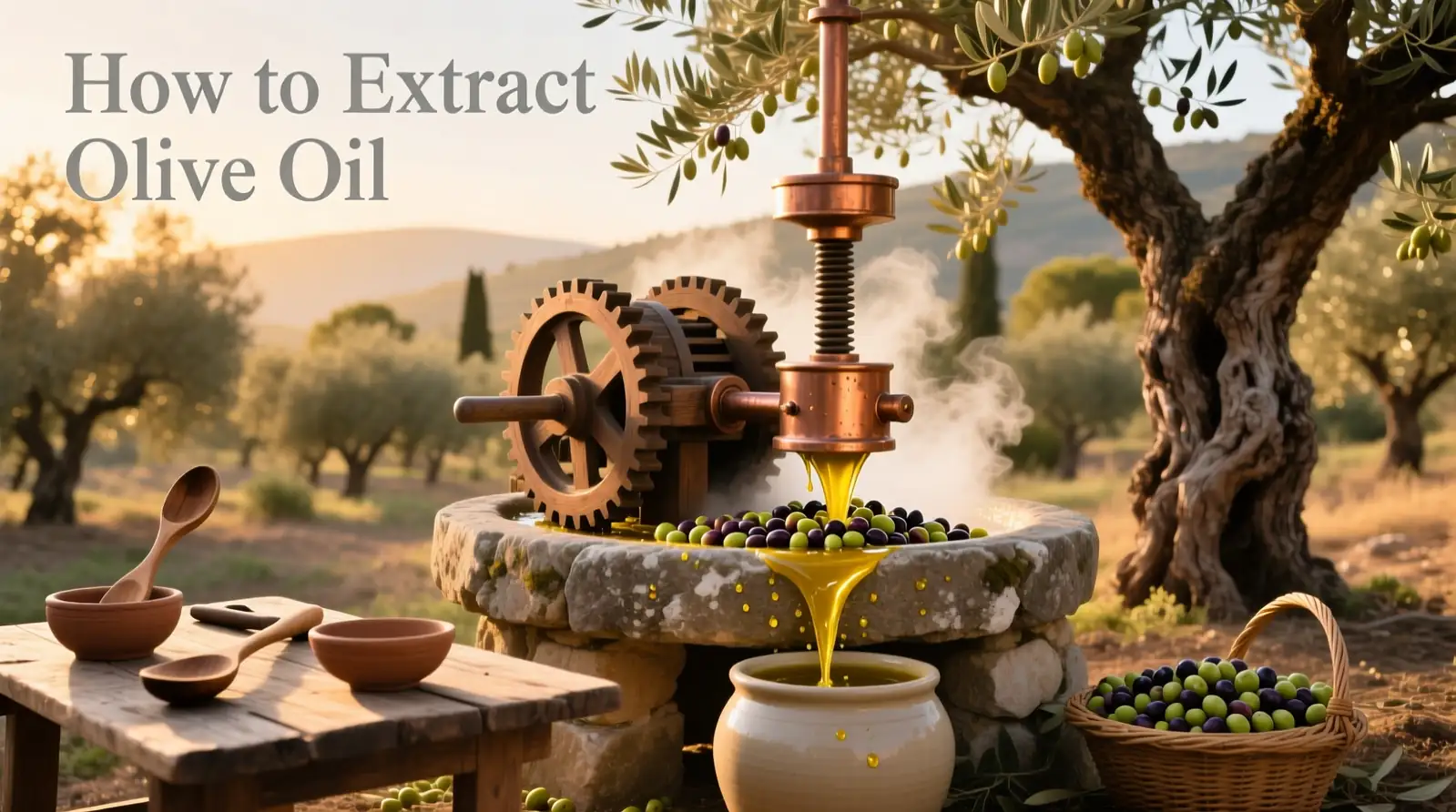
In the past, stone grinding and matt pressing were the methods of choice for extracting oil. However, these have largely been replaced by more efficient mechanical processes. In modern production, the olive paste is transferred to a centrifuge, which separates the oil from the water and solids without the need for heat or chemicals. This mechanical extraction is key to producing extra virgin olive oil, the highest quality and least refined grade.
4. Filtration and Bottling: Preserving Perfection
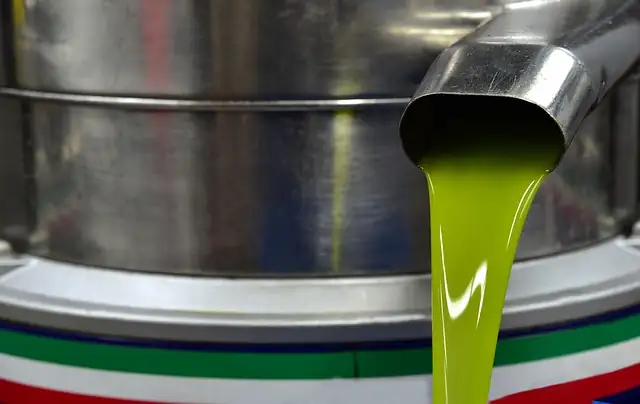
After extraction, the oil is filtered to remove any remaining impurities. It is then carefully bottled, often in dark glass to protect it from light, which can degrade the oil’s quality. Proper storage is essential to maintain the oil’s rich aroma and taste.
Olive Oil: A Culinary Treasure
Olive oil is not just a cooking medium; it is a cornerstone of Mediterranean cuisine, celebrated for its flavor and health benefits. From drizzling over fresh salads to enhancing the richness of a pasta dish, its uses are as varied as its flavors.
Tips for Home Production
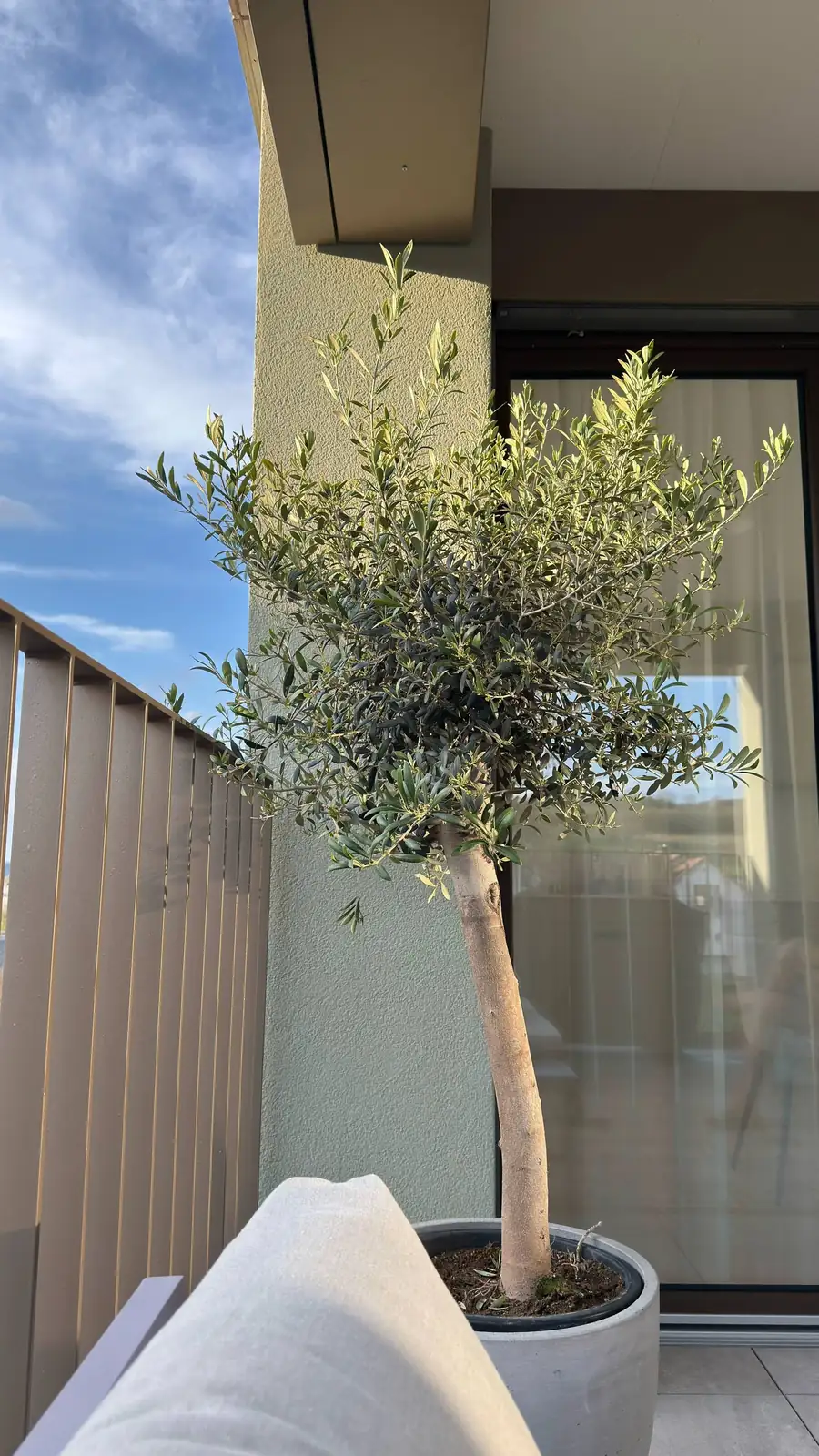
For those inspired to produce olive oil at home, it is possible to cultivate a small olive tree, particularly a dwarf variety, in a bright spot on your patio or balcony. Here are some tips to get you started:
- Choose the Right Spot: Ensure your olive tree receives at least 6–8 hours of direct sunlight daily.
- Water Wisely: Young trees need regular deep watering, while established ones thrive with a “soak and dry” approach.
- Prune with Care: After the harvest, prune your tree to encourage airflow and sunlight penetration, which are vital for fruit production.
- Harvest Thoughtfully: Pick olives when they reach the desired ripeness, and process them quickly to preserve their quality.
The Symbolic Olive
Beyond its culinary value, the olive tree is steeped in symbolism. It has long been a symbol of peace and wisdom, immortalized in the biblical tale of the dove returning with an olive branch. This ancient tree stands as a testament to longevity, its roots deeply entwined with the history and culture of the Mediterranean.
As you savor the next drizzle of olive oil on your plate, remember the rich journey from tree to table. Whether you’re dipping fresh bread into a pool of golden oil or crafting a homemade vinaigrette, olive oil remains a timeless gift from the resilient Olea europaea, embodying both the flavors and the spirit of the Mediterranean.