

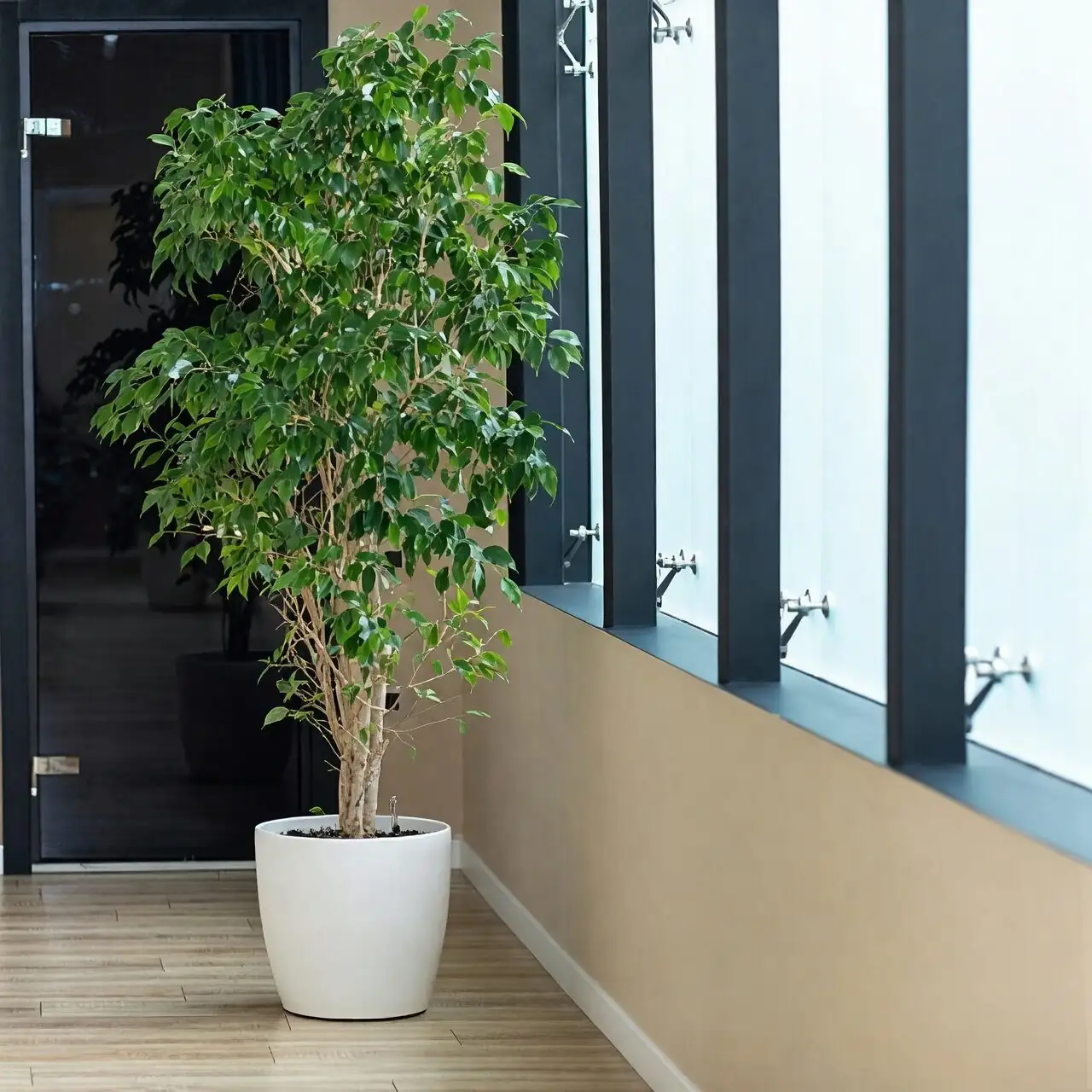
Consider Ficus benjamina the ultimate office ally: elegant, unflappable-looking, and just sensitive enough to tell you when the climate control went rogue. With a few workplace survival tactics—buffering cold air vents, boosting humidity, timing watering to your weekends, and aiming for medium‑bright light—you can keep those glossy leaves lush and morale high.
Meet the weeping fig, your calm, green coworker
- What it is: An evergreen ficus with graceful, arching branches and glossy leaves; it’s often trained into neat, sculpted forms (even bonsai-like).
- Why offices love it: It thrives with steady routines. Give it warmth, constant (not soggy) moisture, and dependable light, and it responds with steady, elegant growth.
- Its tell: When stressed by cold drafts, drought, or sudden changes, it “files a complaint” by dropping leaves. Don’t panic—use that as feedback to fine‑tune care.
The office reality check: AC, dry air, and moving targets
Common stressors in workplaces:
- Cold drafts from ceiling vents or doors
- Very dry air from HVAC
- Inconsistent light (window blinds up/down) and frequent plant moving
- Weekend closures that disrupt watering
Play defense by stabilizing the plant’s microclimate and making care automatic where you can.
Light: Medium‑bright, not blinding
Aim for bright, filtered light that feels like “a bright office with sunglasses on.”
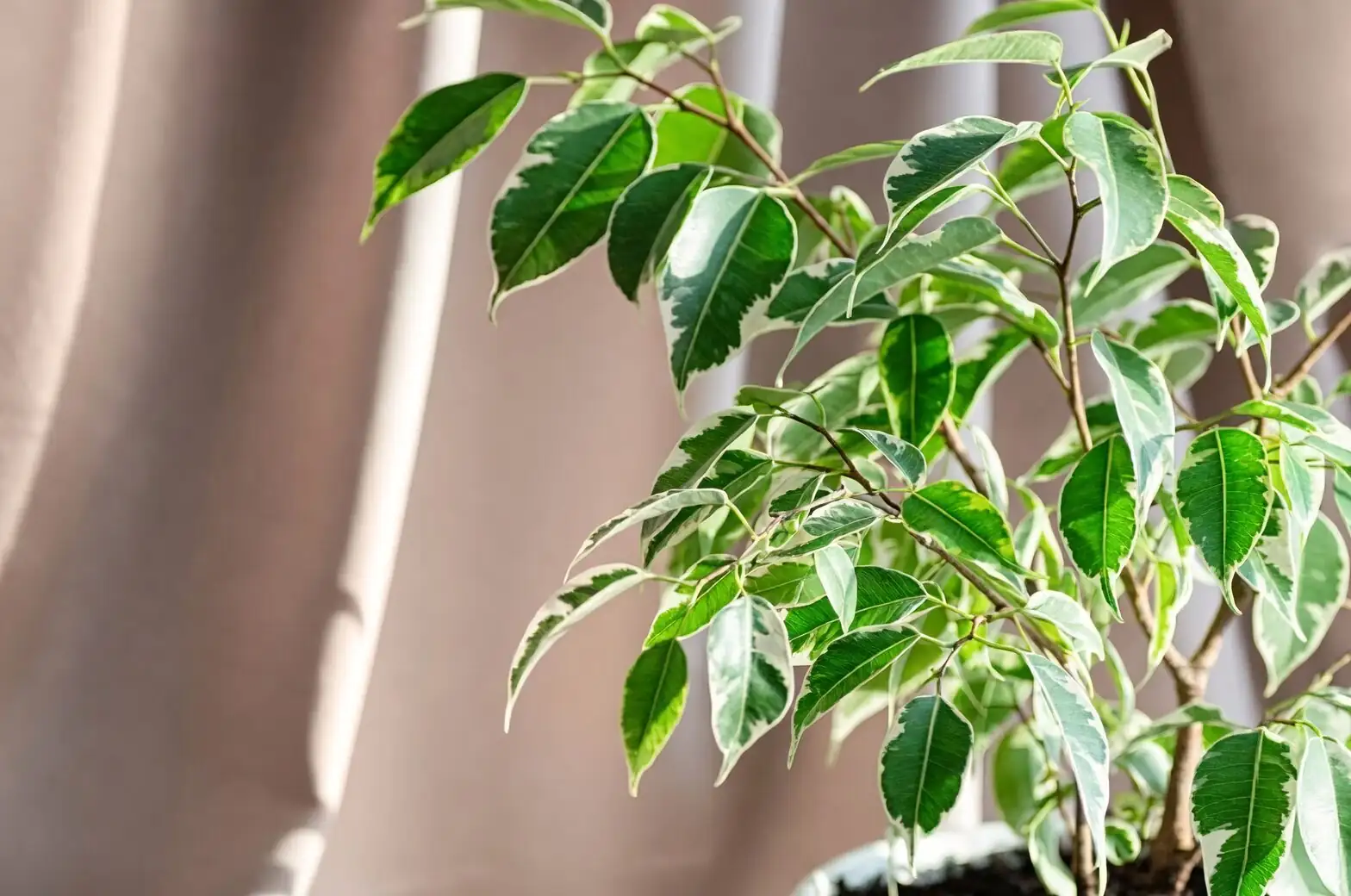
- Best spots: Near an east window (gentle morning sun) or a few feet back from a south/west window with sheer blinds or light diffusion.
- Tolerates medium indoor light, but bright is ideal for fullness. Too little light = sparse growth and more leaf drop.
- Avoid harsh midday rays on glassy windows that can scorch leaves.
- Pro tip: Mark the pot and rotate monthly for even growth—but avoid relocating the plant entirely; sudden moves often trigger leaf drop.
Buffering cold air vents and drafts
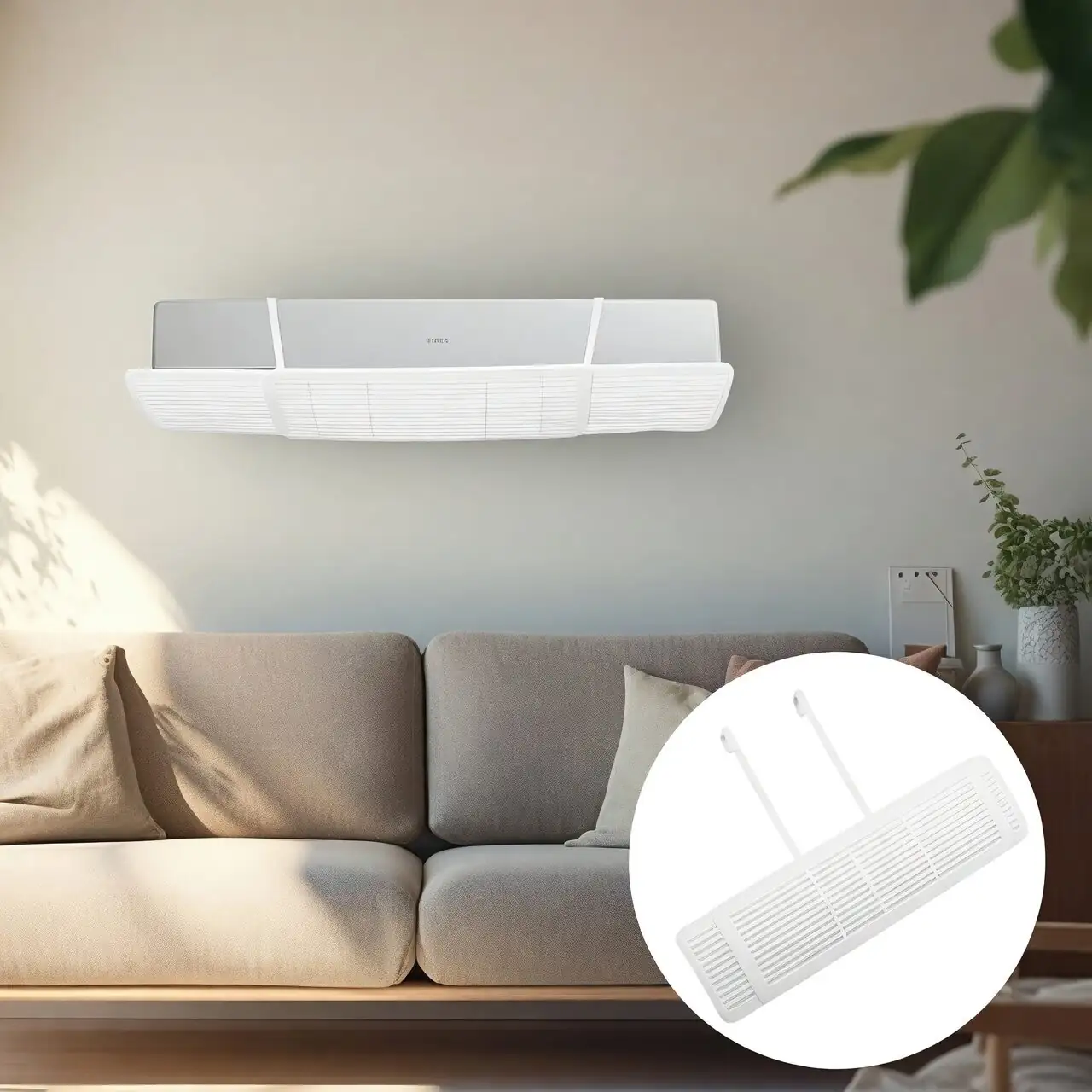
Cold, fast air is the office equivalent of sitting under the AC in a sweater. Your Ficus will sulk.
- Keep it warm: The sweet spot is 20–25°C (68–77°F). Below 10°C (50°F) leads to yellowing and slowed growth; avoid anything under 5°C (41°F).
- Draft defense:
- Use magnetic or clip‑on vent deflectors to redirect airflow.
- Park the plant at least a few feet from direct vents and frequently opened doors.
- Create a “baffle” with a low shelf, partition, or a line of books to break the draft.
- Winter comfort: A steady 13–16°C (55–61°F) suits it well indoors; pair that with extra humidity.
Raising humidity without soaking the carpet
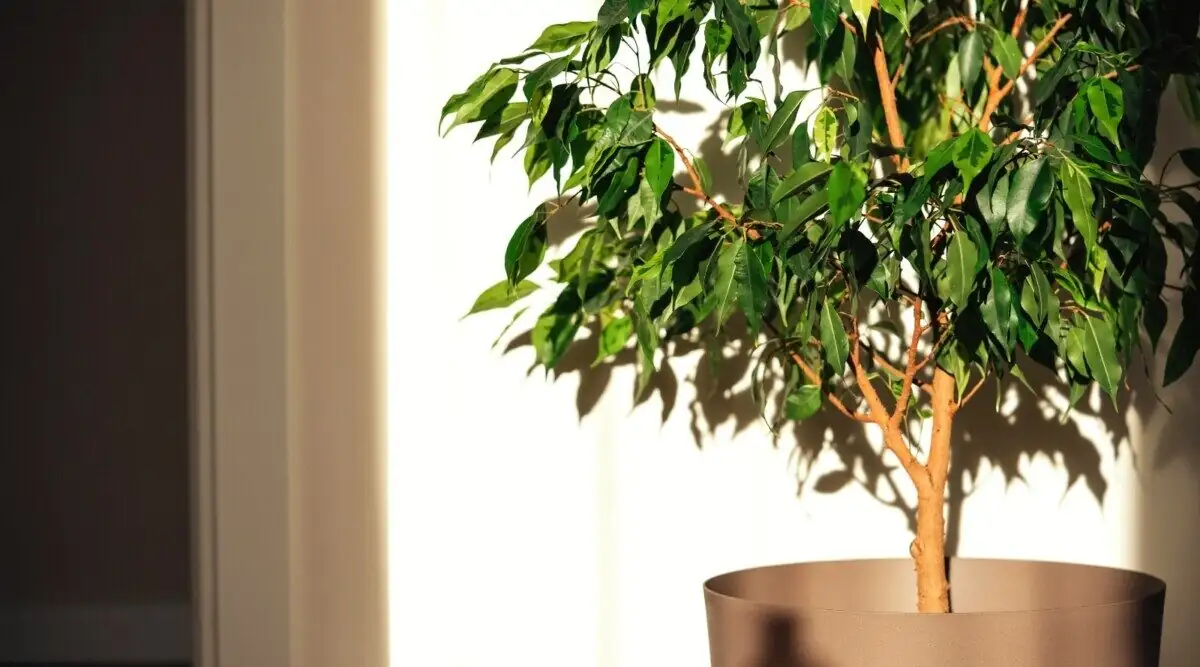
Target 60–70% relative humidity to keep leaves plump and to discourage spider mites.
- Easy wins:
- Pebble tray: Wide saucer + pebbles + water to just below the pebble tops; set the pot on top (not in the water).
- Mini desk humidifier on a timer during office hours.
- Team clustering: Group plants to create a shared moisture bubble.
- Light misting during the growing season helps in dry rooms (avoid late‑day misting on cold windows).
- Bonus: Better humidity = fewer spider mites and less leaf edge crisping.
The weekend watering playbook
Your goal: keep the soil evenly moist, never soggy.
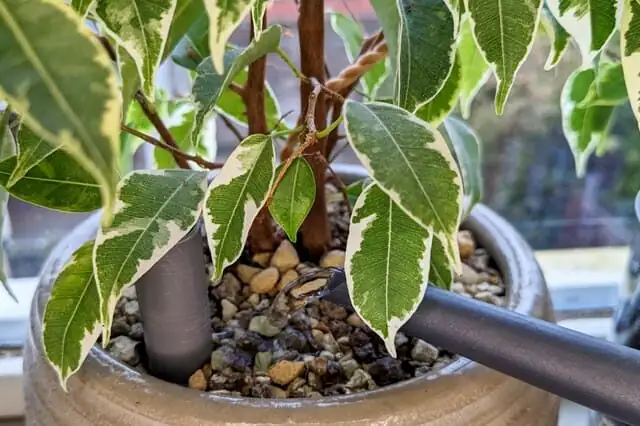
- How to water:
- When you water, water thoroughly; let excess drain—never leave the pot standing in water.
- More harm comes from drought than from being a little on the moist side. If the mix goes bone‑dry, expect leaf drop and even blackened shoot tips.
- Frequency benchmarks:
- Summer/active growth: often every 2–3 days depending on light and heat. Make Friday your anchor watering day, then:
- Add a wicking system, capillary mat, or self‑watering insert to bridge to Monday.
- In hot spells, ask a coworker to do a mid‑week check.
- Winter: about once every 10 days typically works in offices; still drain well and keep warm.
- Quick checks:
- Top inch slightly dry? Time to water.
- Pot size matters: Small pots (12–20 cm/4.7–7.9 in) dry faster; larger (≈30 cm/11.8 in) hold moisture longer.
- An occasional full soak is fine if all extra water drains away.
Potting mix and container
- Use a loose, well‑aerated, free‑draining mix (houseplant soil with coarse sand or perlite is great).
- Always use a pot with drainage. Cachepots are fine if you remove the grow pot to water and let it drain fully.
Feeding on a busy calendar
- Growing season plan: Feed about every 10 days with a balanced houseplant fertilizer; a 15‑15‑30 formula is one effective option for potted plants.
- Autumn–winter: Reduce or pause feeding as growth slows.
- If frequent feeding is tough at work, use calendar reminders or consider a balanced slow‑release fertilizer to stay consistent.
Styling, pruning, and repotting between meetings
- Prune during strong growth to keep a compact, full silhouette; remove weak, dead, or crowded branches to improve airflow and light.
- Repot timing:
- Smaller plants (15–20 cm pots): repot each spring.
- Larger specimens (~30 cm pots): usually every 2 years.
- Training: Ficus benjamina takes beautifully to sculpted forms and even bonsai‑style shaping—ideal for office aesthetics.
Troubleshooting: read the leaves like status updates
- Sudden leaf drop
- Likely causes: cold drafts, big changes in light or location, drought, very dry air, or spider mites.
- Fix: Stabilize placement, buffer vents, re‑establish consistent watering and humidity, and upgrade light to medium‑bright or brighter (filtered).
- Yellowing, stalled growth
- Check temperature: sustained indoor temps below 10°C (50°F) commonly cause yellowing and slowdown.
- Also consider overwatering/poor drainage—loosen the mix and ensure no standing water.
- Brown, crisp edges; fine webbing
- Likely spider mites in dry air. Raise humidity; rinse foliage; treat with insecticidal soap or horticultural oil. Keep leaves dust‑free.
- Leaf spots
- Improve airflow, avoid chronically wet foliage, and consider a copper‑based fungicide early if needed.
Safety note: The milky sap (latex) can irritate skin/eyes; wear gloves when pruning. Toxic to cats and dogs if chewed—keep out of reach in pet‑friendly offices.
Propagation for team‑building (and backups)
- Stem cuttings (May–June): Take 10–12 cm (3.9–4.7 in) mature tip cuttings, keep 2–3 leaves, let the cut end dry briefly, then root in a sandy medium; expect roots in about 4 weeks.
- Air‑layering (May–July): Remove a 1.5 cm (~0.6 in) bark ring 20–25 cm below the tip; wrap with moist leaf mold and plastic. Roots in ~2–3 weeks; cut and pot after ~4 weeks.
Seasonal office calendar
- Spring
- Repot smaller plants; start regular feeding; brighten light.
- Summer
- Bright, filtered light; water often every 2–3 days; anchor Friday waterings with wicking support; maintain 60–70% humidity.
- Autumn
- Ease up on watering and feeding as growth slows; keep away from early cold drafts by windows or vents.
- Winter
- Indoors and warm: aim for 13–16°C (55–61°F) or above; water roughly every 10 days; mist or humidify in dry heated air; absolutely avoid cold blasts.
Meaning and mood in the workplace
Ficus benjamina is often associated with resilience and steadiness—apt for a plant that can be sculpted into graceful forms and still rebound after a stressful move. It isn’t a bloom‑forward species (its tiny flowers are hidden inside fig‑like syconia), so its “language” is in posture: upright, weeping arches that soften corners and anchor a room with quiet, evergreen calm.
Quick office setup checklist
- Place in medium‑bright to bright, filtered light; avoid harsh midday sun.
- Keep 20–25°C (68–77°F); shield from vents and door drafts; avoid <10°C (50°F).
- Target 60–70% humidity: pebble tray + mini humidifier + plant clustering.
- Water thoroughly and drain; in summer anchor Friday waterings and bridge weekends with wicking/self‑watering support; in winter ~every 10 days.
- Feed every ~10 days in spring–summer; reduce in autumn–winter.
- Prune for shape; repot on schedule; watch for spider mites in dry air.
- Handle sap with care; keep away from pets.
Set these systems once, and your weeping fig becomes that rare office constant: poised, productive, and blissfully unbothered by the Monday rush.