If you think hydrangeas are just big balls of petals, prepare to have your mind delightfully changed. Hydrangea macrophylla—aka Bigleaf Hydrangea, French Hydrangea, Mophead, Lacecap, and in Chinese, 八仙花—pulls off floral illusions, color magic, and epic longevity, all while thriving on a simple recipe of morning sun, afternoon shade, and steady moisture. Let’s dive into the secrets behind those famous pom‑poms and their color-changing chemistry.
Meet Hydrangea macrophylla (Bigleaf Hydrangea)
- Origin: East Asia—primarily Japan, also China and nearby regions.
- Habit: A bushy, multi-stemmed, deciduous shrub with sturdy stems and a rounded silhouette.
- Size: Typically 1–2 m tall and wide (3–6.5 ft); in mild climates and with age, some cultivars can stretch toward 4.5 m (15 ft).
- Foliage: Large, opposite, glossy green leaves with serrated edges.
- Flowers: Late spring through summer (often June–July), with some varieties reblooming into fall.
- Where it shines: Borders, woodland-edge beds, patios, and containers—especially with gentle morning sun and afternoon shade.
Petals in Disguise: The Great Sepal Masquerade
Those “petals” you see? They’re not petals at all. The big, colorful parts are sepals—modified, leaf-like structures that have gone glam. The true flowers are the small, intricate ones tucked inside the cluster. This trick is part of why the plant looks so lush and showy while still keeping a functional, pollinator-friendly core.
A Two-Tier Bloom Design: Fertile vs. Sterile Florets
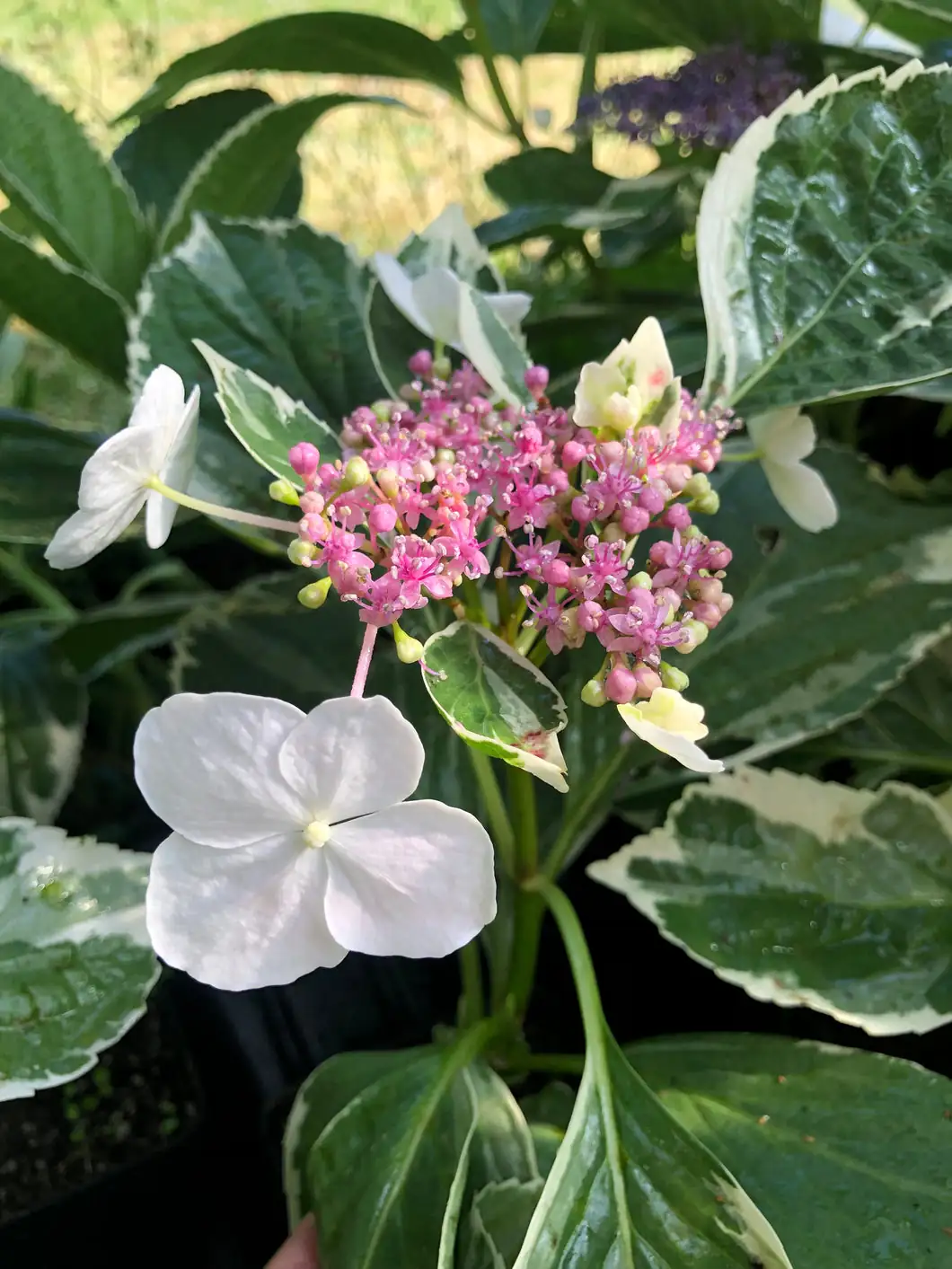
Hydrangea macrophylla inflorescences are really team efforts:
- The inner, tiny fertile flowers: These are the real deal, capable of forming seeds.
- The larger, showy “sterile” florets: These are mostly for visual advertising—think neon signs luring pollinators to the main event.
This design is most obvious in lacecaps (more on that in a moment), where the contrast between small central blooms and flashy outer florets steals the show.
Lacecap vs. Mophead: Pick Your Personality
- Lacecap: A flat or slightly domed arrangement—ring of large, showy sterile florets surrounding a froth of small fertile ones. Elegant, airy, almost like a jeweled crown.
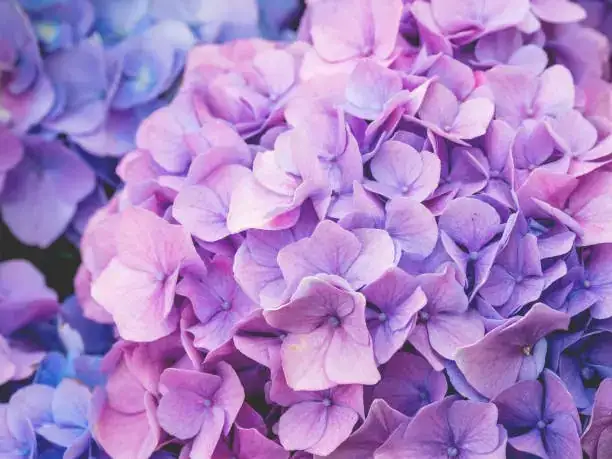
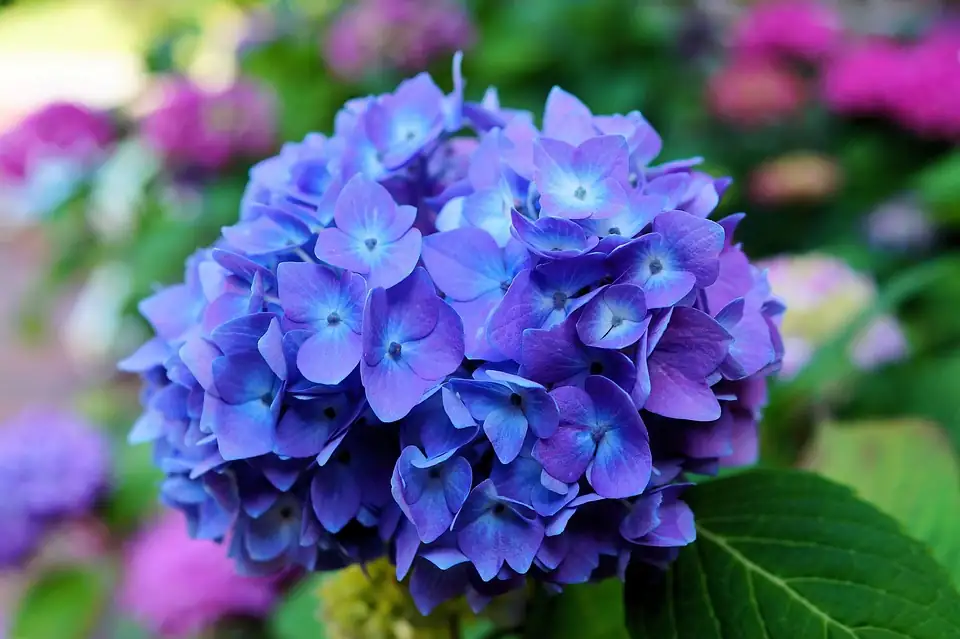
- Mophead: A dense, rounded “pom‑pom” of showy florets. Plush, exuberant, and classic cottage-garden drama.
Typical flower head size is about 15–20 cm across (6–8 in), though some cultivars go bigger.
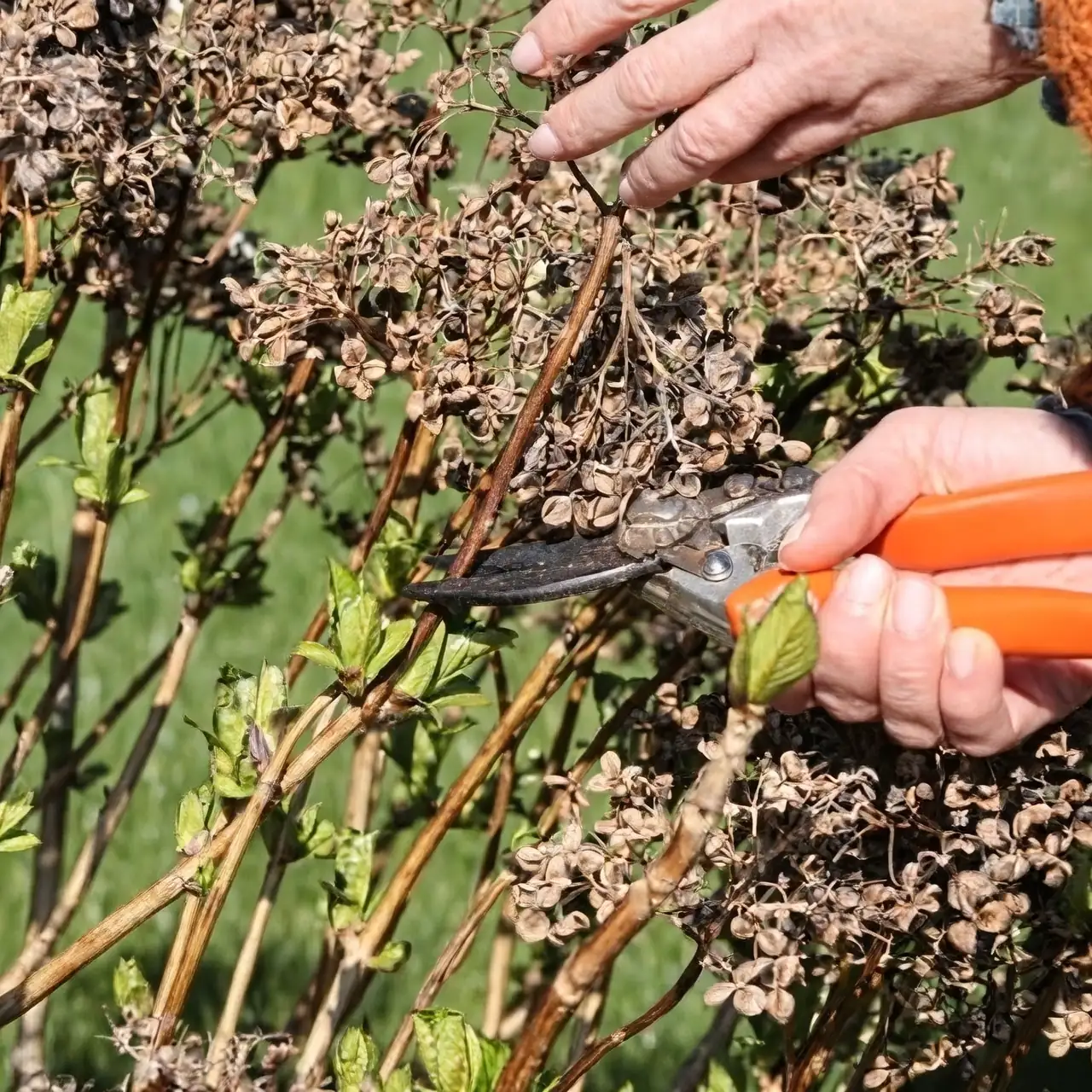
Pro tip on pruning: Many bigleaf hydrangeas bloom mostly on old wood. To avoid accidentally clipping off next season’s flowers, deadhead and do any shaping right after flowering. For a gentle refresh, you can remove up to about a third of the oldest stems at the base. If you have a reblooming cultivar, confirm its habit before heavier cuts.
The Color-Change Chemistry You Can Actually Play With
Hydrangea macrophylla is the original mood ring of the shrub world. Many (not all) cultivars shift color depending on soil chemistry:
- Acidic soils (often below about pH 6) plus available aluminum push flowers bluer and purpler.
- More alkaline soils (often above about pH 7) tend to bring out pink to rosy-red.
- White forms usually stay white, regardless of your chemistry tinkering.
How gardeners nudge color:
- To encourage blue: Acidify soil and provide aluminum (often with aluminum sulfate), following label directions.
- To encourage pink/red: Raise pH carefully (often with garden lime) where appropriate.
Notes for success:
- Changes are gradual—think months, not days.
- Containers are easier to tweak than native in-ground soils.
- You’re coloring the sepals—those “petals”—so the effect can be dramatic and uniform across a head.
Why “Hydrangea” Means “Water Vessel”
The name comes from Greek roots: hydor (water) + angeion (vessel). It’s a perfect double meaning—hydrangea’s seed capsules can look cup-like, and the shrub truly appreciates steady moisture. Think “evenly damp,” not soggy. Treat it like a friend who loves a full glass of water but hates wet feet.
Built to Last: Lifespans and Garden Presence
With good care, bigleaf hydrangeas can live for decades, becoming fuller and more floriferous each year. In the ground and in mild climates, mature plants can grow well beyond the usual 1–2 m range—handing you long-term structure and summer fireworks.
Quick Growing Tips for Show-Stopping Shrubs
Light
- Sweet spot: Morning sun with afternoon shade, or bright dappled light.
- In cooler climates, they can handle more sun if soil moisture stays steady (aim for 3–6 hours of sun daily).
Soil and Moisture
- Moist, well-drained, organic-rich soil.
- Keep evenly moist in the growing season—deeply 1–2 times per week, more during heat waves or in small containers.
- Avoid waterlogging; root rot is real.
Temperature and Humidity
- Best growth around 18–28°C (64–82°F).
- Buds are more cold-sensitive than stems; protect from hard freezes—especially in containers.
- Prefers moderate to high humidity with good airflow.
Feeding
- During active growth, use a balanced fertilizer (for example 10‑10‑10) or an acid-forming fertilizer, following label rates.
- Containers may appreciate feeding every two weeks; in-ground shrubs often do well with 1–2 feedings in spring/early summer.
- Ease off after midsummer so stems can mature before winter.
Pruning and Shaping
- For old-wood bloomers, prune lightly right after flowering; avoid heavy fall/winter cuts.
- Refresh by removing up to a third of the oldest stems at the base.
- Pinching young shoots around 15 cm (6 in) can encourage branching on young plants.
Propagation and Pot Upsizing
- Softwood cuttings in early summer root readily in 2–3 weeks under warm, humid conditions.
- Repot containers in spring when rootbound; go up one size and refresh the mix.
Hardiness and Placement
- For dependable flowering, many cultivars perform best in USDA Zones 6–9 (bud hardiness varies).
- Outdoors is ideal; indoors only short-term (bright windows/porches), not as a permanent houseplant.
Wildlife-Friendly Extra
- Leaving some old, hollow stems over winter can help stem-nesting native bees. Remove them once they naturally break down.
Safety, Pests, and Common Hiccups
- Toxicity: Mildly toxic if ingested (to people and pets) due to cyanogenic glycosides—can cause stomach upset. Treat as ornamental only.
- Pests: Aphids, thrips, spider mites, Japanese beetles.
- Diseases: Powdery mildew, leaf spots (including bacterial), anthracnose; root rot if soil stays soggy.
- Prevention basics: Water at soil level in the morning, keep good airflow, avoid overcrowding, remove infected leaves, ensure excellent drainage—especially in containers.
Flower Meanings and Cultural Notes (花语)
Hydrangea’s generous clusters naturally suggest abundance, gratitude, and heartfelt emotion. In Japan, a famous tale tells of an emperor offering blue hydrangeas as an apology—cementing associations with remorse, apology, and understanding. In Victorian floriography, the plant’s lavish display but (in ornamental forms) relatively modest seed set earned it a paradoxical note of “boastfulness.” In Chinese, 八仙花—“Eight Immortals Flower”—evokes the idea of diverse strengths coming together harmoniously.
It’s worth remembering: flower language is cultural storytelling, not botany. Still, it’s charming how the colors themselves have become “messages”:
- Blue: apology, understanding, calm sincerity
- Pink: affection and heartfelt emotion
- White: purity and grace
- Purple: a wish for deeper understanding
Fast FAQ
- Why won’t my bigleaf hydrangea bloom?
- Common causes: pruning off old-wood buds, winter bud damage, too much shade, or too much nitrogen (leaves over flowers). Deadhead and shape right after flowering, protect buds from hard freezes, give morning sun with afternoon shade, and use a balanced fertilizer.
- How do I turn the flowers blue or pink?
- Blue often comes with acidic soil and available aluminum; pink/red with more alkaline soil. Gardeners use aluminum sulfate to encourage blue, lime to push pink. Be patient; changes take months. White cultivars usually don’t change.
- Can it handle full sun?
- In cool climates and consistently moist soil, yes. In hot regions, full sun often leads to midday wilt and scorched leaves. Morning sun plus afternoon shade is the sweet spot.
- Why are leaves wilting or yellowing, especially in winter?
- It’s deciduous—winter leaf drop is normal. Yellowing can also come from cold stress or, conversely, being kept too warm indoors. Very often it’s waterlogging: soggy roots cause yellow leaves and decline.
Final Fun Nuggets
- The name really does mean “water vessel”—fitting for a plant that likes an evenly moist life.
- One “flower” head is actually a whole bouquet of tiny flowers working together.
- The showy parts are usually sepals wearing petal costumes.
- With good care, bigleaf hydrangeas can bloom and flourish for decades.
Whether you’re team Lacecap or team Mophead, Hydrangea macrophylla rewards a little care with a lot of spectacle—and a dash of color chemistry geekery you can enjoy season after season.