

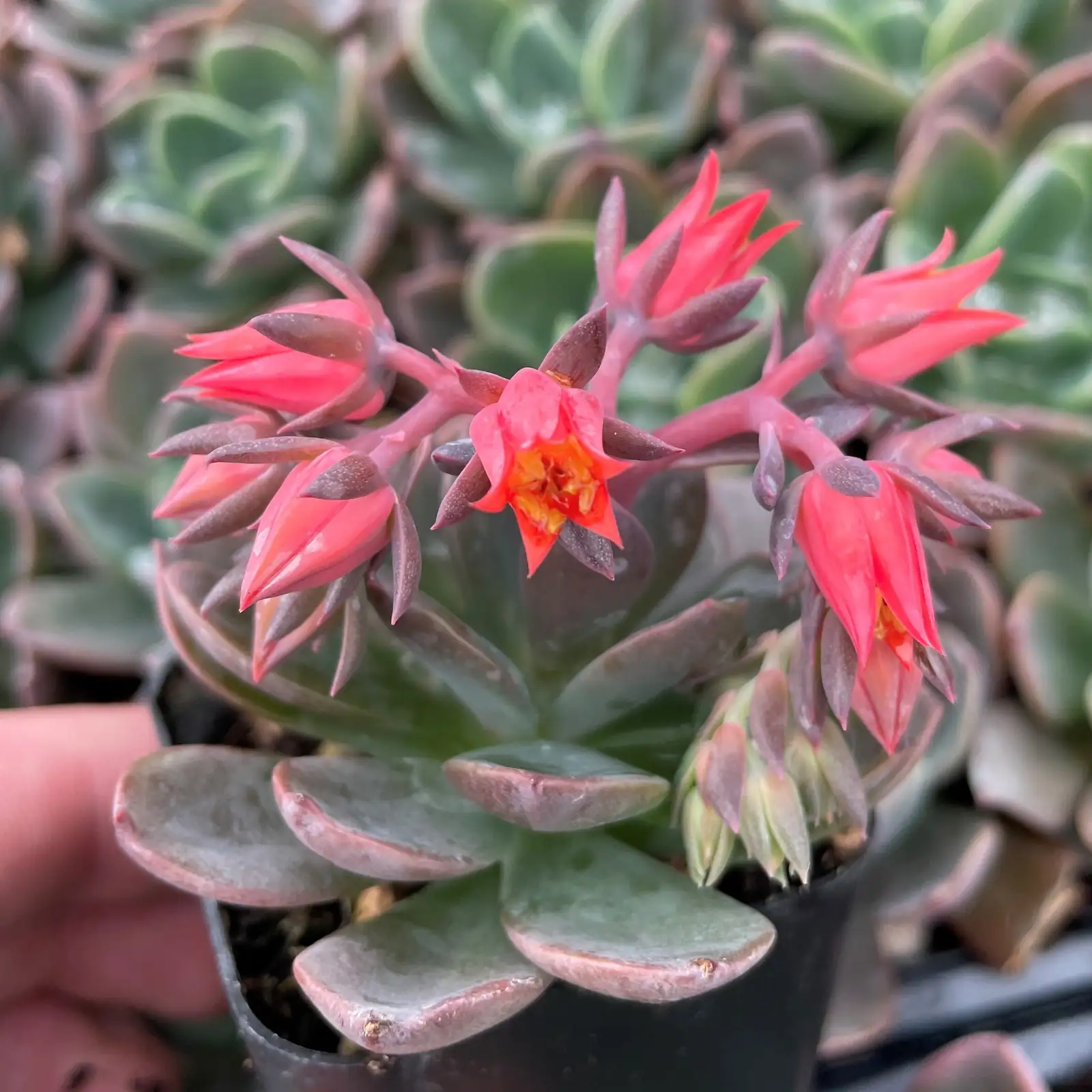
Think succulents are “set-and-forget”? Meililian (Echeveria, trade name 美丽莲) is here to prove that a few persistent myths are exactly what cause rot, stretch, and disappointment. Master these truths and this compact, gray-toned rosette will reward you with symmetry year-round and branched stalks of vivid pink-to-red, starry “fireworks” in spring to early summer.
Meet Meililian, the compact showstopper
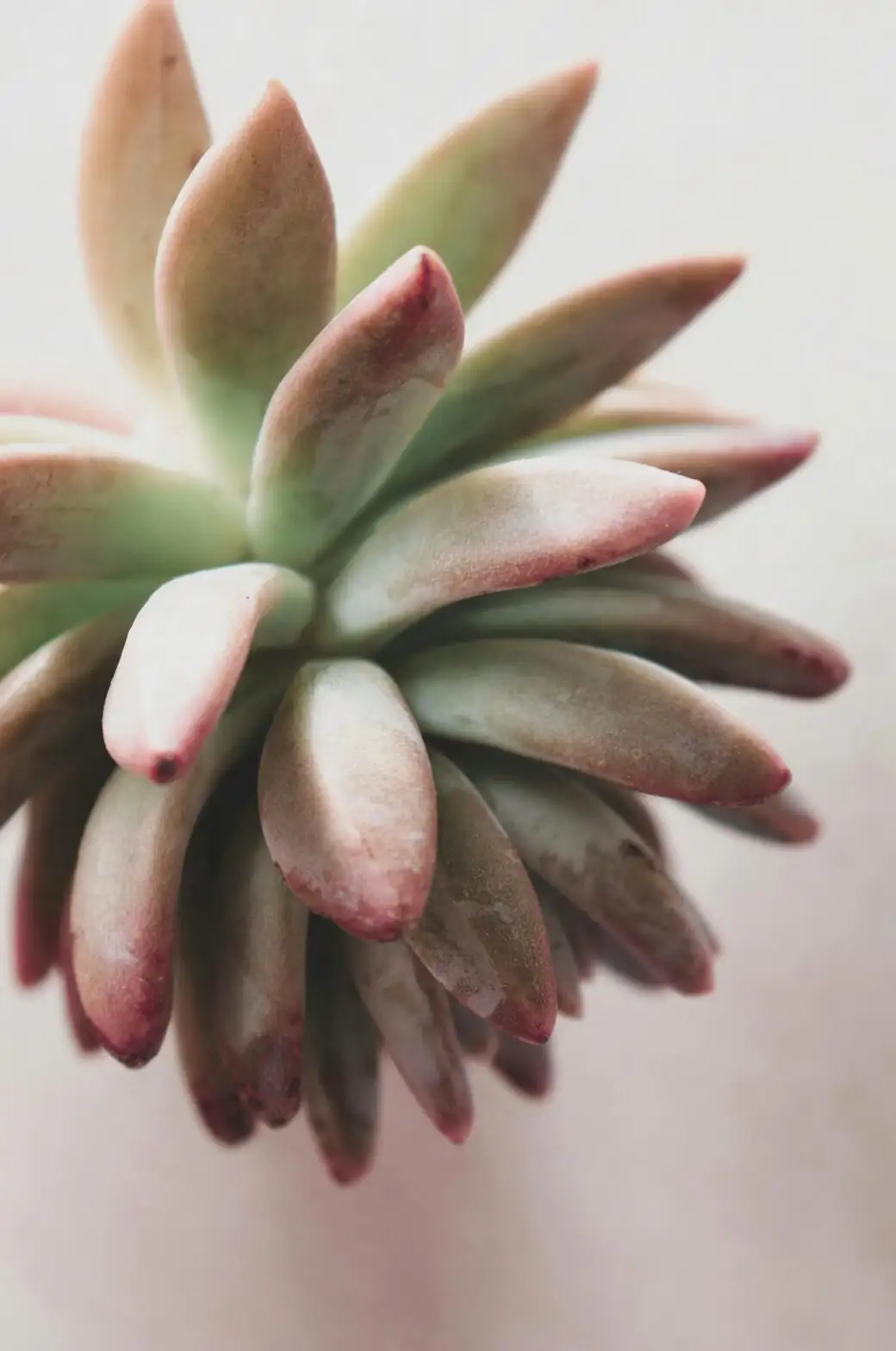
- Look: A tidy, slow-growing rosette with thick, gray to dark gray leaves edged in paler margins. Color deepens in strong light.
- Size: About 15 cm tall × 10 cm wide (6 × 4 in). During bloom, airy, branched stalks rise several times taller than the rosette.
- Season: Flowers typically appear spring to early summer with sufficient light.
- Roots and temperament: Drought-tolerant, forgiving of the occasional missed watering—but sensitive to soggy soil and poor drainage.
Myth 1: “Any window works”
Stretch (etiolation) is the silent killer of symmetry. Meililian loves abundant light.
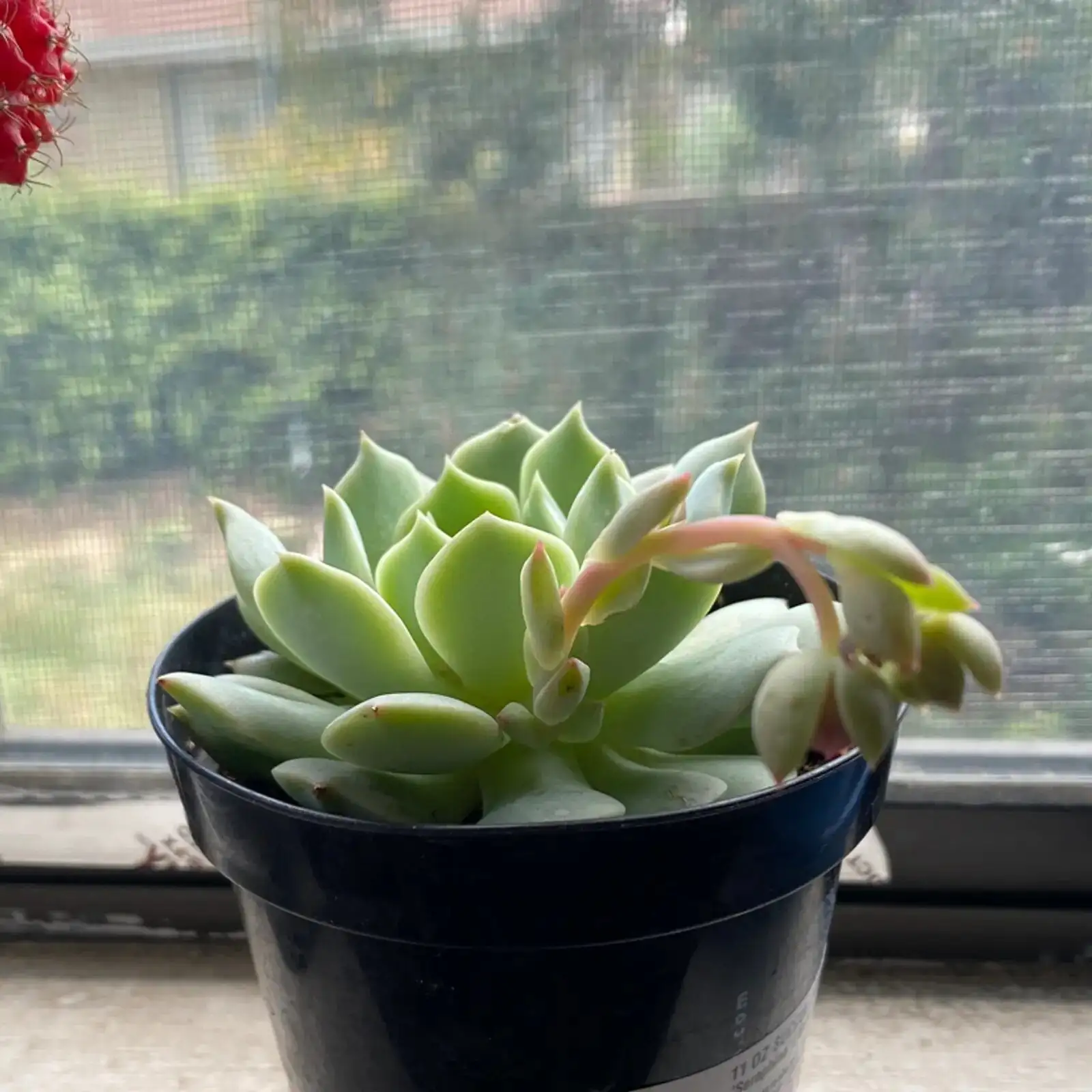
- The truth: Full sun to bright partial sun. Indoors, a very bright windowsill—south- or west-facing—is usually best. Outdoors, choose a sunny, warm spot.
- Why it matters: Strong light compacts the rosette, deepens leaf color, and sets up reliable flowering.
- Acclimation is key: Move from lower to higher light gradually to prevent sun scorch.
- Quick light check:
- Crisp, well-defined hand shadow = great light.
- Soft, smudgy shadow = borderline; consider moving closer to the glass or supplementing with grow lights.
- Stretch signals: Elongated internodes, paler leaves, and a rosette that loosens and leans toward the window.
Myth 2: “Succulents don’t need drainage”
No drainage, no Meililian. Period.
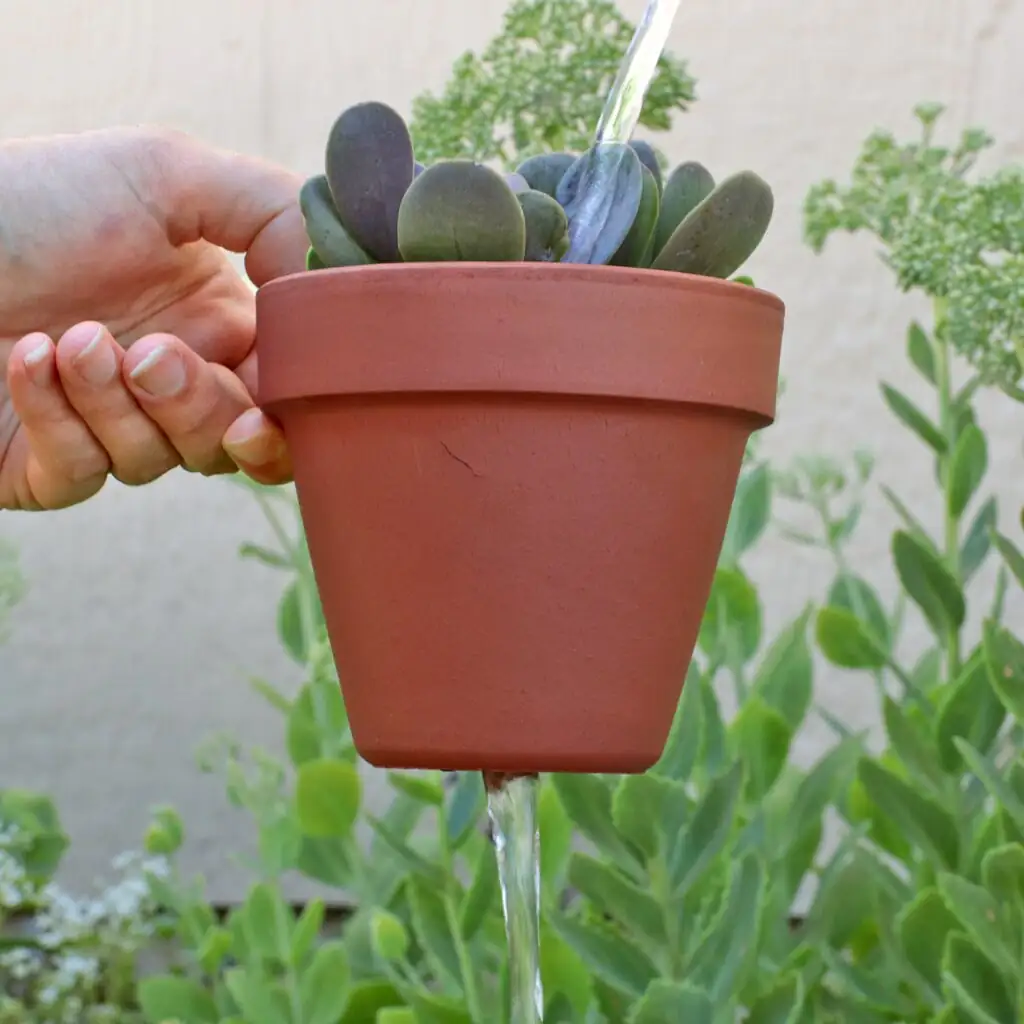
- The truth: Drainage holes are non-negotiable. Use a fast-draining cactus/succulent mix. Regular potting soil only works if heavily amended with gritty ingredients (pumice, coarse sand, or crushed granite) until water runs through quickly.
- Bonus myth to bust: Pebbles at the bottom don’t “create” drainage; they just raise the perched water table. Improve the mix itself instead.
- Pot size matters: Choose a small pot around 10–12.5 cm (4–5 in) wide with at least one unobstructed hole. Avoid oversizing, which keeps the root zone wetter for longer.
Myth 3: “More fertilizer = more flowers”
Light, not ladles of fertilizer, drives blooms and color.
- The truth: Feed lightly during active growth (spring to autumn) 2–3 times with a balanced liquid fertilizer diluted to half strength—or a low-nitrogen succulent formula.
- Absolutely skip winter feeding. In dormancy, fertilizer just bloats tissue and invites rot.
- What really boosts flowers: Consistently strong light, a soak-and-dry watering rhythm, and good airflow.
Myth 4: “Water weekly—and mist for good measure”
Schedules rot succulents. So does water sitting in their crowns.
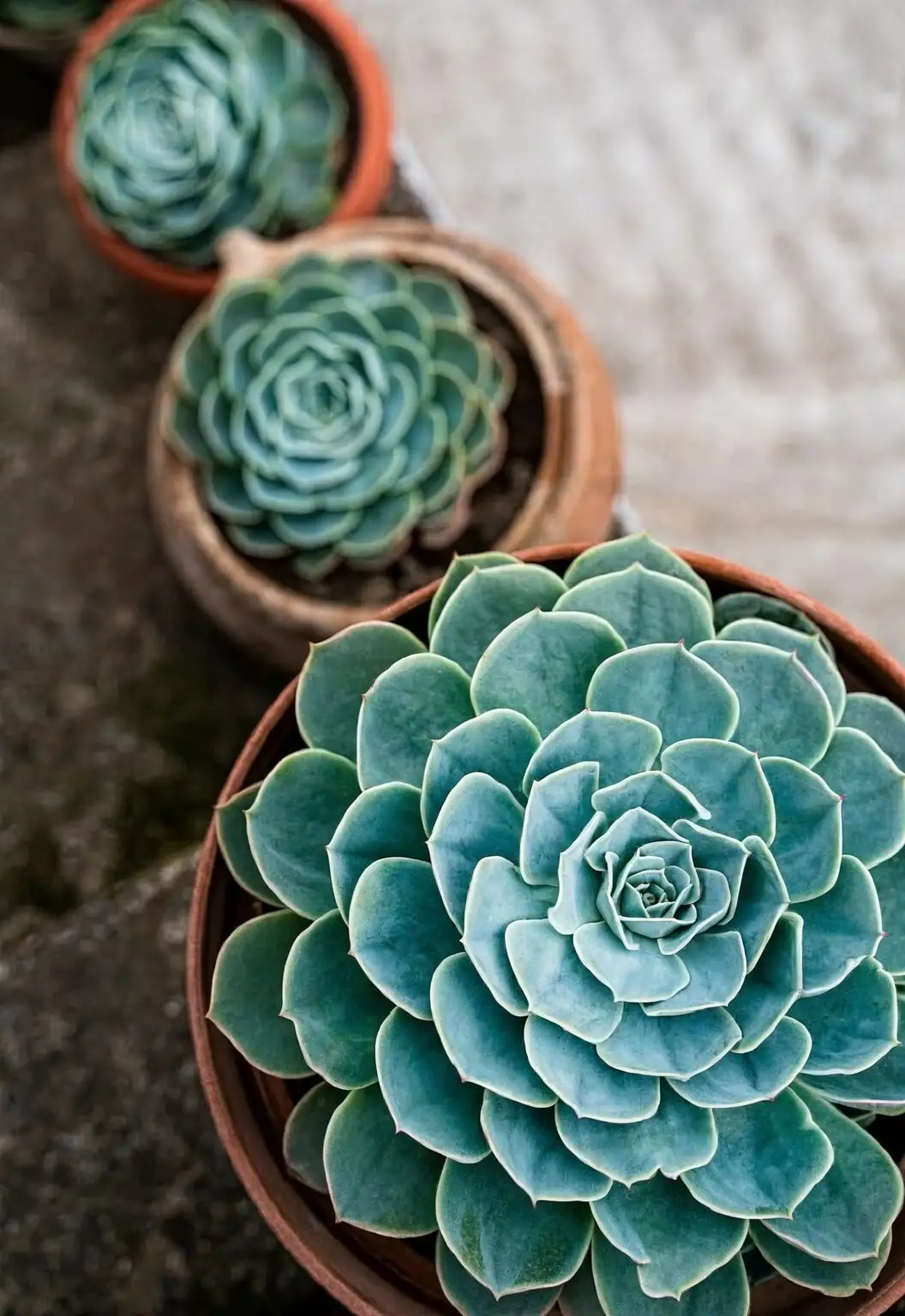
- The truth: Water deeply, then let the mix dry out completely before watering again. Indoors this can mean days to weeks depending on pot, mix, and light.
- Seasonal shift:
- Spring–autumn: Follow a full dry-down soak-and-dry routine.
- Winter: Water very sparingly—just enough to keep leaves from extreme shriveling.
- Technique:
- Drench the soil, not the rosette. Avoid leaving water in the crown/leaves.
- Never leave the pot standing in a saucer of water.
- Thirst vs. rot:
- Thirsty: Lower leaves slowly shrivel from firmness to papery.
- Overwatered: Leaves feel soft/mushy, may yellow or drop suddenly, and the base may darken. Let soil dry fully and improve drainage/airflow.
Myth 5: “Bigger pot = faster growth”
This compact rosette prefers snug footwear.
- The truth: Repot only when genuinely root-bound—typically every 2–3 years—into a similarly small, well-ventilated container with a fast-draining mix.
- Why: Oversized pots hold excess moisture around the roots, raising rot risk.
Myth 6: “All sun is safe sun”
Sun is medicine—dose it properly.
- The truth: Higher light brings better color and form, but acclimate to stronger sun gradually to prevent scorch.
- Sun scorch signs: Brown, crispy patches that do not heal. If it happens, move to gentler light and allow new leaves to replace the damaged ones.
Myth 7: “Humid air keeps succulents happy”
Meililian prefers the opposite.
- The truth: Low humidity and good airflow are ideal. Damp, stagnant air encourages fungal issues on water-plump leaves.
- Practical tip: Space plants so air moves between rosettes; avoid clustering in steamy kitchens or bathrooms.
Myth 8: “Cold nights are fine—they’re tough”
Tough isn’t frostproof.
- The truth: Meililian is frost-tender. Protect from freezing and grow outdoors year-round only in USDA Zones 10–11.
- Temperature sweet spot: 10–27°C (50–81°F). Keep warmer and brighter in the growing season; cooler and much drier in winter.
The care, condensed
- Light: Full sun to bright partial sun; south/west windows indoors. Acclimate.
- Water: Soak-and-dry; keep winter nearly dry.
- Soil: Very well-draining succulent mix; heavily amend regular soil with grit/pumice/coarse sand.
- Pot: Small, breathable container (4–5 in) with drainage holes.
- Feeding: 2–3 light feeds spring–autumn at 1/2 strength. None in winter.
- Air: Dry, with good airflow.
- Placement: Bright windowsill or sunny outdoor spot (frost-free).
- Safety: Generally non-toxic; sap may mildly irritate sensitive skin. Discourage pet nibbling.
Seasonal rhythm
- Spring–autumn
- Ramp up light (gradually if moving outdoors).
- Water only after full dry-down.
- Feed lightly 2–3 times.
- Expect branched pink-to-red, starry flowers in spring–early summer; remove spent stalks to conserve energy.
- Winter
- Provide as much light as possible.
- Keep cooler and markedly drier.
- Do not fertilize.
Buying smart: choose a winner
- Look for a firm, symmetrical rosette with tightly stacked leaves.
- Avoid plants with softness at the base, black/mushy spots, or lingering moisture in the crown.
- Inspect closely for mealybugs and scale (cottony clusters or tiny armored bumps).
Troubleshooting the usual suspects
- Leaves turning soft or dropping from the bottom
- Normal: Occasional shedding of the oldest, lowest leaves.
- Problem: Widespread softness or sudden drop usually means overwatering or dense soil. Let the mix dry fully, improve airflow, and repot into a grittier mix if needed.
- Pale color, elongated growth
- Cause: Insufficient light. Move to a sunnier window or supplement light; rotate the pot weekly.
- Black or brown leaf spots, toppled stems
- Often moisture-related (soggy mix/crown water). Remove damaged tissue, repot into a sterile, free-draining mix, and withhold water until leaves regain normal firmness.
- Pests: Mealybugs and scale
- Dab with cotton swabs dipped in alcohol or use an appropriate insecticidal soap. Improve airflow and keep the crown dry to discourage reinfestation.
Propagation made simple
- Leaf cuttings
- Gently twist off a healthy leaf so the entire base comes away cleanly.
- Let it callus for a few days.
- Set on top of dry, gritty mix; wait to water lightly only after roots and tiny rosettes begin to form.
- Offsets
- If your Meililian makes pups, separate with a clean cut, callus, then plant in a fast-draining mix.
Styling and use
- Perfect for bright windowsills, dish gardens, and tight groupings where its sculptural rosette and dramatic bloom stalks can shine without being crowded.
- Try a shallow, wide bowl with other sun-loving, drought-tolerant succulents—leaving airflow gaps between rosettes to keep everyone healthy.
History, name, and the quiet drama behind the bloom
Echeveria has charmed growers since the 19th century and honors Atanasio Echeverría y Godoy, the Mexican botanical illustrator who helped document the flora of his region. Meililian, a cultivated ornamental trade name, celebrates the genus’ calling card: a poised, symmetrical rosette that suddenly launches skyward stalks of vivid star-shaped flowers—humble one day, theatrical the next.
Flower language, thoughtfully considered
While “flower language” is a cultural construct rather than a botanical one, Meililian’s symbolism resonates with how it grows:
- Resilience: Stores water, endures drought, and rebounds if neglected—so long as you avoid wet feet.
- Calm balance: A symmetrical rosette that keeps its composure in bright light.
- Quiet beauty with a dramatic turn: Modest gray tones deepen in sun, then give way to firework-like pink-to-red blooms.
Fun facts
- Those flower stalks can tower several times higher than the rosette, creating a floating bouquet effect.
- Leaf color often intensifies in strong light—many plants look their most dramatic right before flowering.
The “no-rot” recipe, at a glance
- A pot with drainage holes.
- A very fast-draining mix (cactus/succulent mix or potting soil heavily amended with grit/pumice/coarse sand).
- Bright light (south/west window) and airflow.
- Soak-and-dry watering; almost no winter water.
- Light, infrequent feeding only in the growing season.
Get these right, and Meililian will reward you with a compact, sculpted rosette and a springtime show of airy, starry fireworks—no myths, no mush, no stretch.