

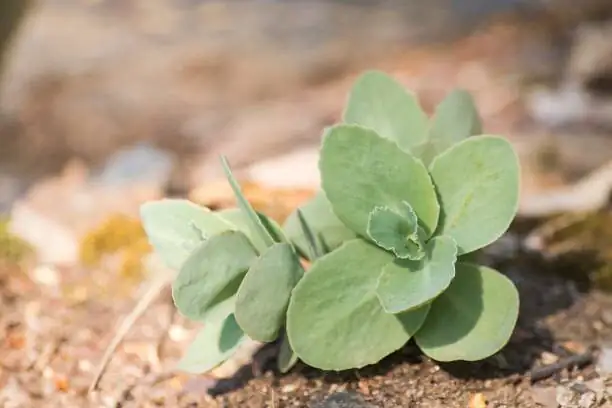
Imagine brushing past a small, velvety plant and getting a whoosh of clean, menthol-like “Vicks” aroma. Is it the famous Vicks plant—or Cuban oregano masquerading under a perfume of confusion? This myth-busting ID guide will help you tell them apart in seconds, grow the real thing with confidence, and understand why plant tags keep getting it wrong.
Meet the real “Vicks plant” (Plectranthus hadiensis var. tomentosus)
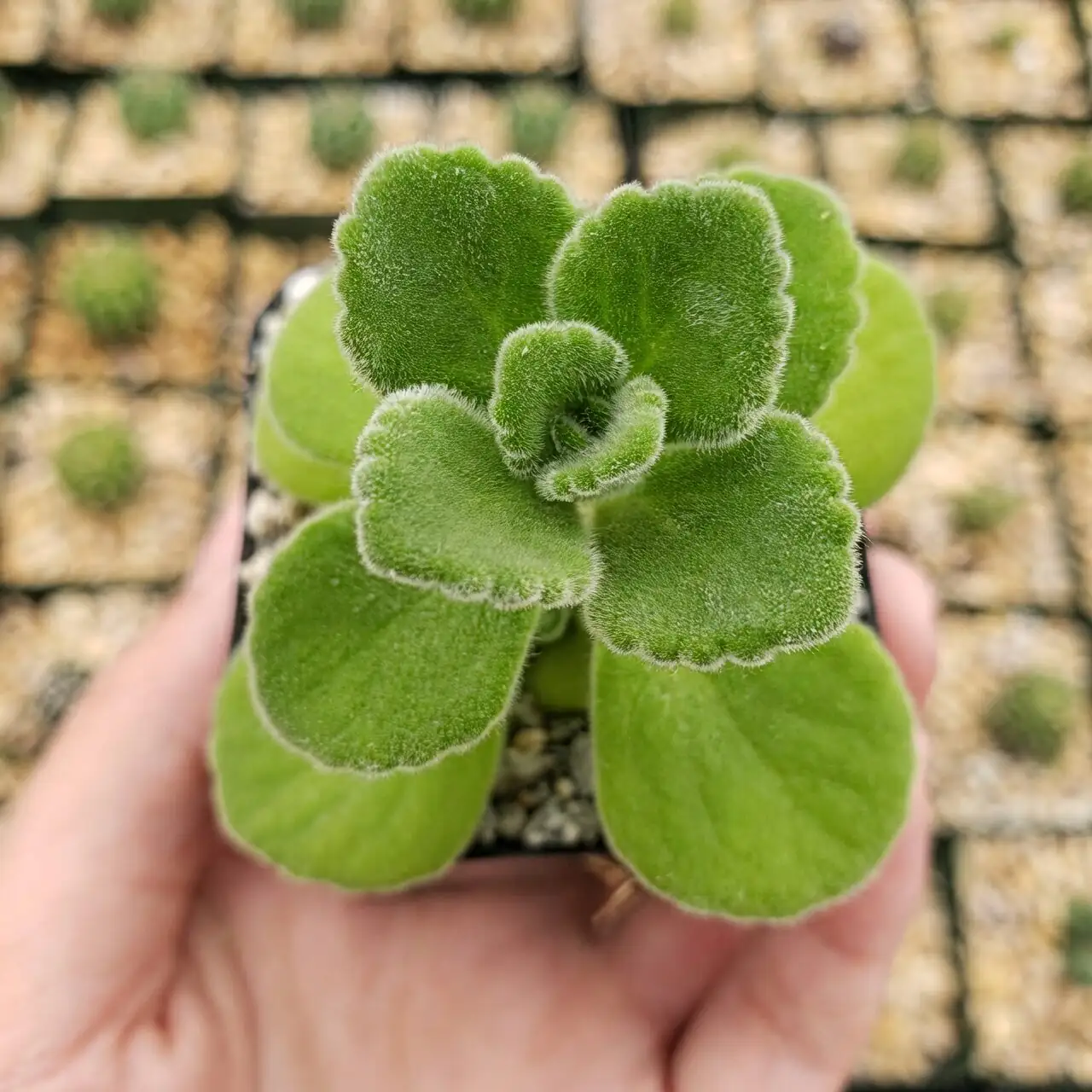
- Identity: A mint-family houseplant from southeastern Africa, grown for its soft, gray‑green, fuzzy leaves and unmistakable menthol-like scent released when touched or gently crushed.
- Look and feel: Velvety, fine hairs cloak the leaves, giving them a silvery cast in strong light. Plants stay compact and branch readily with pinching.
- Habit and size in pots: Typically 15–30 cm (6–12 in) tall and about as wide; naturally bushy and a bit semi-succulent in strong light.
- Flowers: Small, mint-family blooms on short spikes in summer—pleasant but not the main show.
- A naming note you’ll see on tags: Many labels still say “Plectranthus tomentosa.” In current horticultural treatment, this plant is best placed as Plectranthus hadiensis var. tomentosus. You’ll encounter both names in the trade.
What it is not
- Not Cuban oregano (a different species commonly grown as a culinary herb in some cultures).
- Not a food plant. Toxicity isn’t well documented; treat it as a non-food ornamental. Keep out of reach of pets and children, and discourage nibbling—aromatic oils may irritate sensitive skin or stomachs.
The fast ID: Vicks plant vs. Cuban oregano
Use this side-by-side comparison to nail the ID at a glance.
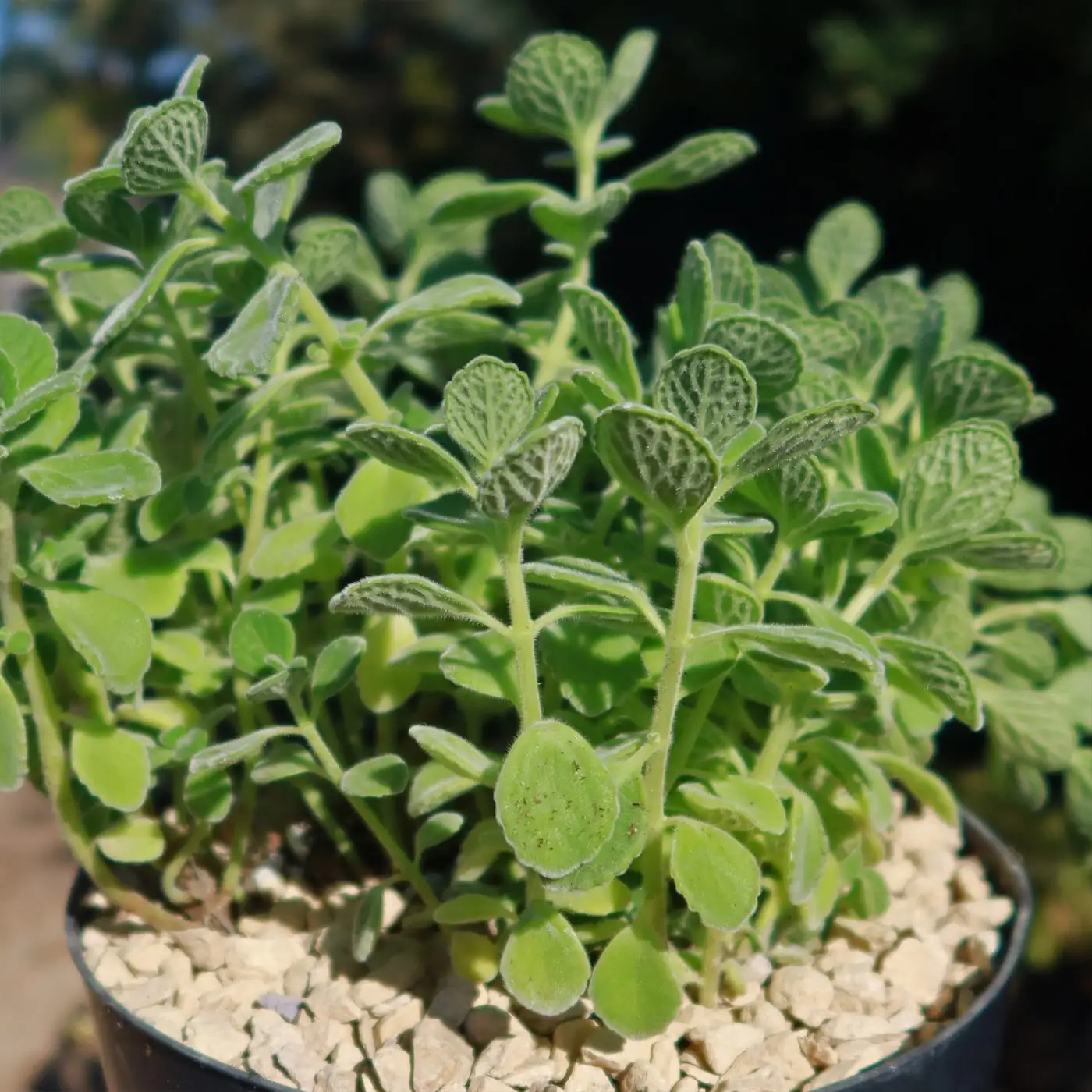
Foliage texture and color
- Vicks plant (P. hadiensis var. tomentosus)
- Soft, velvety, felted leaves; distinctly gray‑green to silvery in strong light
- Fine hairs are dense; leaves can feel cushy and matte
- In brighter conditions leaves thicken slightly; in low light they become thinner and flatter
- Cuban oregano (often sold as Coleus/Plectranthus amboinicus)
- Thicker, juicier, semi-succulent leaves; typically brighter to mid‑green
- Surface can be softly fuzzy but not densely felted; usually looks glossier
- Margins are boldly scalloped; leaves tend to be rounder and meatier
Scent character (your best clue)
- Vicks plant: Clean, airy menthol—think cool “chest rub” notes when rubbed.
- Cuban oregano: Warm, savory oregano/thyme scent with a minty-camphor edge—more culinary than medicinal.
Stems and habit
- Vicks plant: Bushy, free-branching mound; stems are slimmer and can drape slightly over the pot rim with age.
- Cuban oregano: Chunkier, more succulent stems; often grows larger and more sprawling.
Flower cues
- Vicks plant: Small, pale mint-family flowers on short spikes in summer; not showy.
- Cuban oregano: Typically pink, purple, or white spikes that are noticeably showier on mature plants.
Typical size in home culture
- Vicks plant: Commonly kept at 6–12 in (15–30 cm) tall and wide.
- Cuban oregano: Frequently grows larger and faster, often well beyond 12 in if given room.
Tag and name clues
- Vicks plant: “Vicks plant,” “Woolly Plectranthus,” occasionally “Succulent Coleus,” and sometimes labeled “Plectranthus tomentosa.”
- Cuban oregano: “Cuban oregano,” “Mexican mint,” “Spanish/French thyme,” “Indian borage.” If a tag mentions cooking, it’s almost certainly Cuban oregano—not the Vicks plant.
The 30‑second sniff‑and‑feel test
- Rub a single leaf gently.
- Inhale:
- Cool menthol chest-rub = Vicks plant.
- Savory oregano/thyme with minty camphor = Cuban oregano.
- Feel:
- Dense, velvety nap = Vicks plant.
- Plumper, less-felted leaf = Cuban oregano.
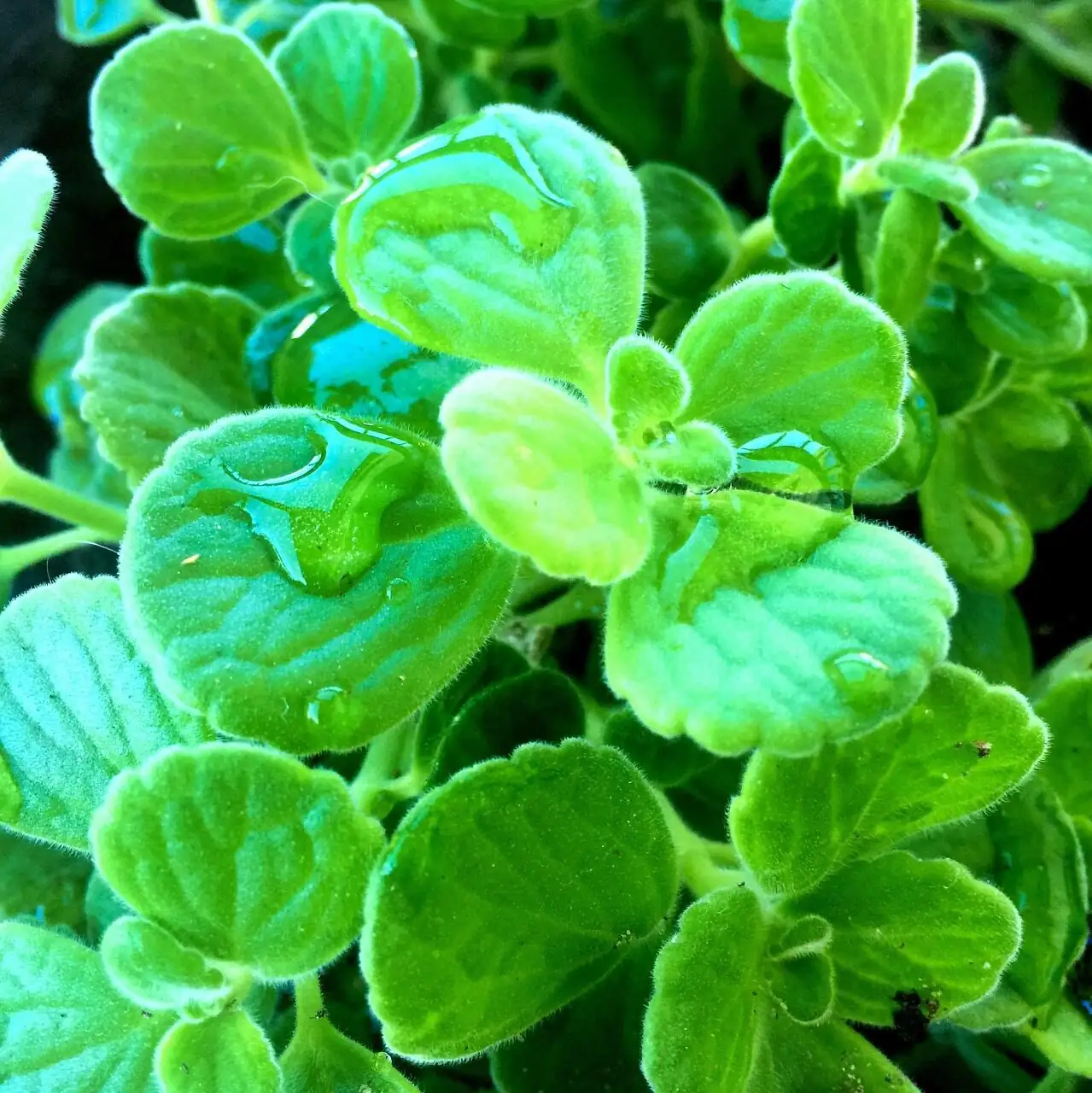
Do not taste leaves to test ID. When in doubt, treat any unknown as non‑edible.
Why the mix-ups keep happening
- Common-name overlap: “Vicks plant,” “mint,” “oregano,” and “thyme” get recycled across unrelated species in the mint family.
- Old name baggage: For years, plant lines bounced between Plectranthus and Coleus on tags, and “Plectranthus tomentosa” still circulates beside the updated treatment Plectranthus hadiensis var. tomentosus.
- Look-alike traits: Both have fuzzy, aromatic leaves and semi-succulent vibes—catnip for quick mislabels.
- Supply chain shortcuts: Wholesalers reuse SKU photos and generic “fragrant herb” tags. Retailers lean on scent-driven marketing, and “Vicks” or “Cuban oregano” labels get slapped on whatever smells minty.
Pro tip: If you’re buying for cooking, demand a properly identified Cuban oregano. If you want the menthol-scented woolly windowsill charmer, ask for Plectranthus hadiensis var. tomentosus.
Grow the real Vicks plant with confidence
Light and placement
- Bright light is best, with some gentle direct sun; a bright east window or a south/southwest window with a sheer is ideal.
- Avoid harsh midday sun through glass to prevent scorch.
- Great on bright windowsills, ventilated patios, or well-lit desks.
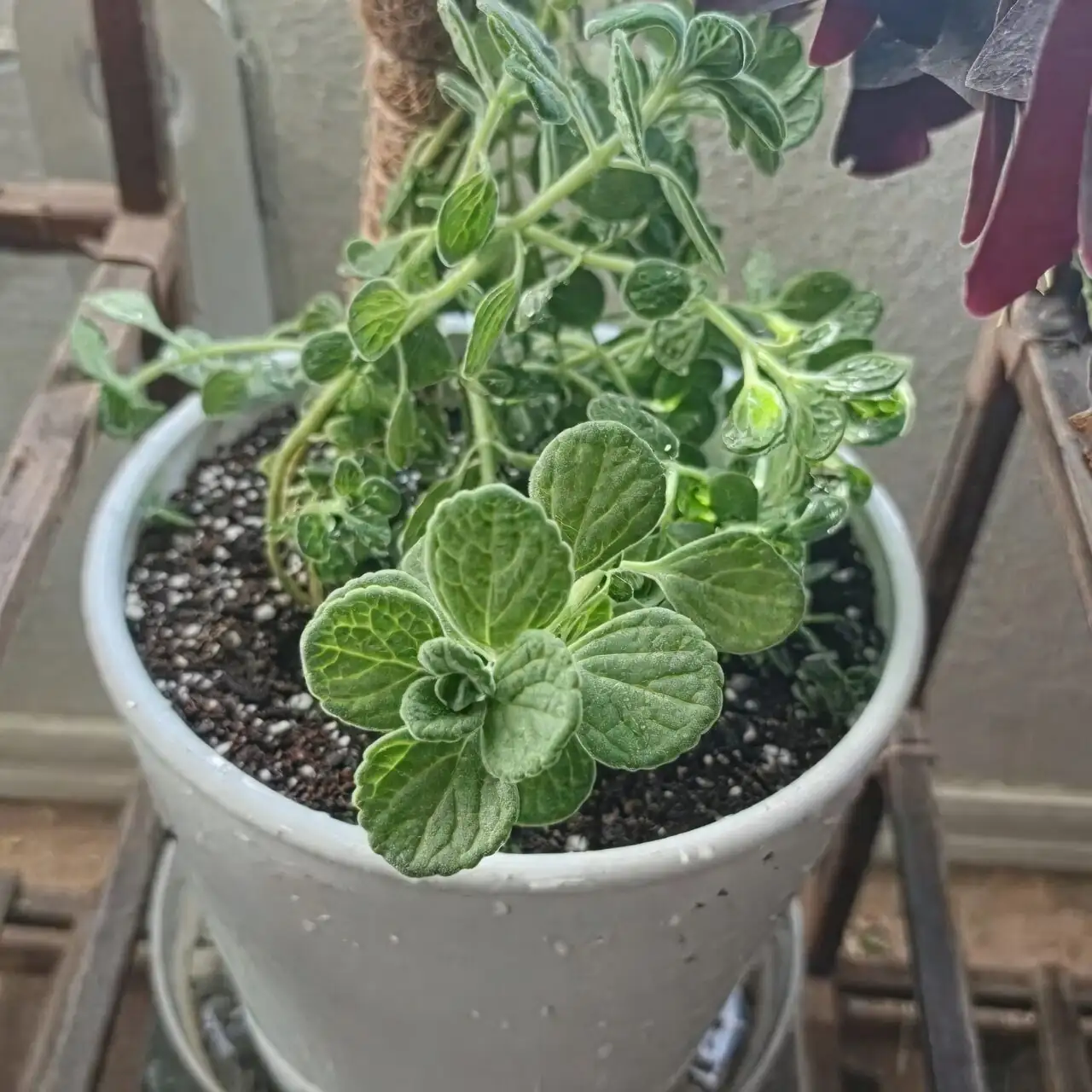
Temperature and humidity
- Ideal range: 10–25°C (50–77°F). Keep above 10°C (50°F).
- Average indoor humidity is fine; prioritize airflow. Avoid persistently wet leaves in humid, stagnant rooms.
Soil and potting
- Use a fertile but fast-draining indoor mix (peat/coco with compost/leaf mold) amended with extra aeration like perlite, pumice, or coarse sand.
- Repot yearly in spring. A 15–20 cm (6–8 in) pot suits most plants.
- For a lush mound, plant 3 (up to 3–5) young plants together.
Watering rhythm
- Aim for “even moisture, never soggy.”
- Let the surface dry, then water thoroughly until it drains; always empty saucers.
- Reduce watering in winter and keep on the slightly dry side while maintaining warmth and light.
- If stems droop from dry pockets, soak the whole pot to rehydrate evenly, then drain completely. In active growth, a full soak can help about 1–2 times per month if needed.
- Avoid frequent tiny sips and avoid wetting the foliage.
Feeding
- April–October: feed about monthly with a balanced liquid houseplant fertilizer at label rate (or a mild organic liquid feed). Little to no feed in winter.
Pinching and shaping
- Pinch seedlings at 8–10 cm (3–4 in) tall to encourage branching.
- Top rooted cuttings at 12–15 cm (5–6 in).
- Remove yellowing or dead leaves to tidy and reduce rot risk.
Propagation (ridiculously easy)
- Tip cuttings: 10 cm (4 in) cuttings root fast—often in about 4–5 days in warm, bright conditions.
- Water propagation: A 15 cm (6 in) semi‑mature cutting roots readily in clean water (change every 5–7 days).
- Seed: Fresh seed germinates in 7–10 days at 19–24°C (66–75°F).
- Water culture: Some growers transition plants to water culture during spring repotting.
Hardiness and outdoor use
- Frost-tender; best as a houseplant. Outdoors year-round only in mild climates, roughly USDA Zone 10–11. Always protect from cold drafts and frost.
Pests, diseases, and the big pitfall
- Often relatively pest-resistant, but stressed plants can get mealybugs, aphids, or spider mites.
- The serious risk is stem/root rot from overwatering, heavy soil, wet leaves, and poor airflow. Prevent with fast drainage, proper dry-down, and ventilation.
Safety
- Toxicity is not well documented. Treat as a non-food ornamental; keep away from chewing pets and curious children. Aromatic oils may irritate sensitive skin or stomachs.
Buying a correctly labeled Vicks plant
- Look for:
- A compact, bushy plant with firm stems and evenly colored, fuzzy leaves
- A clear menthol-like aroma when you gently rub a leaf
- Avoid:
- Soggy pots or a sour smell
- Blackened stem bases, soft or mushy growth
- Ask the seller:
- Is this Plectranthus hadiensis var. tomentosus? Many tags still read “Plectranthus tomentosa,” which is commonly used in the trade for the same plant.
Myths, mistakes, and quick fixes
- “It wilted overnight—did I underwater?” Maybe, but also check for rot. If the pot is heavy and wet, improve drainage and water less. If it’s unevenly dry, do a full soak and drain.
- “Leaves are getting thin and flat.” It’s light-hungry. Move to a brighter spot with gentle sun to restore thicker, fuller leaves.
- “Can I cook with it?” No. Treat Vicks plant as non-edible. If you need a culinary herb, source correctly identified Cuban oregano.
Folklore, freshness, and “flower language”
The Vicks plant is often linked with freshness and comfort thanks to its clean, menthol-like scent—people associate it with clear air and an easy-breathing, harmonious home. These meanings aren’t ancient lore; they’re modern, scent-driven symbolism that grew up around a beloved “windowsill classic.” Its common name simply reflects what our noses recognize: a fragrance reminiscent of familiar menthol rubs.
Quick recap: ID in a pinch
- Feel: Silky, velvety, felted leaves = Vicks plant.
- Smell: Cool menthol chest-rub notes = Vicks plant.
- Look: Gray‑green, compact, bushy mound with fine hairs; small, pale summer flowers.
- Label sanity check: Culinary claims or “Cuban oregano” likely point to a different plant.
Choose with your nose and fingertips, and you’ll never mix them up again.