

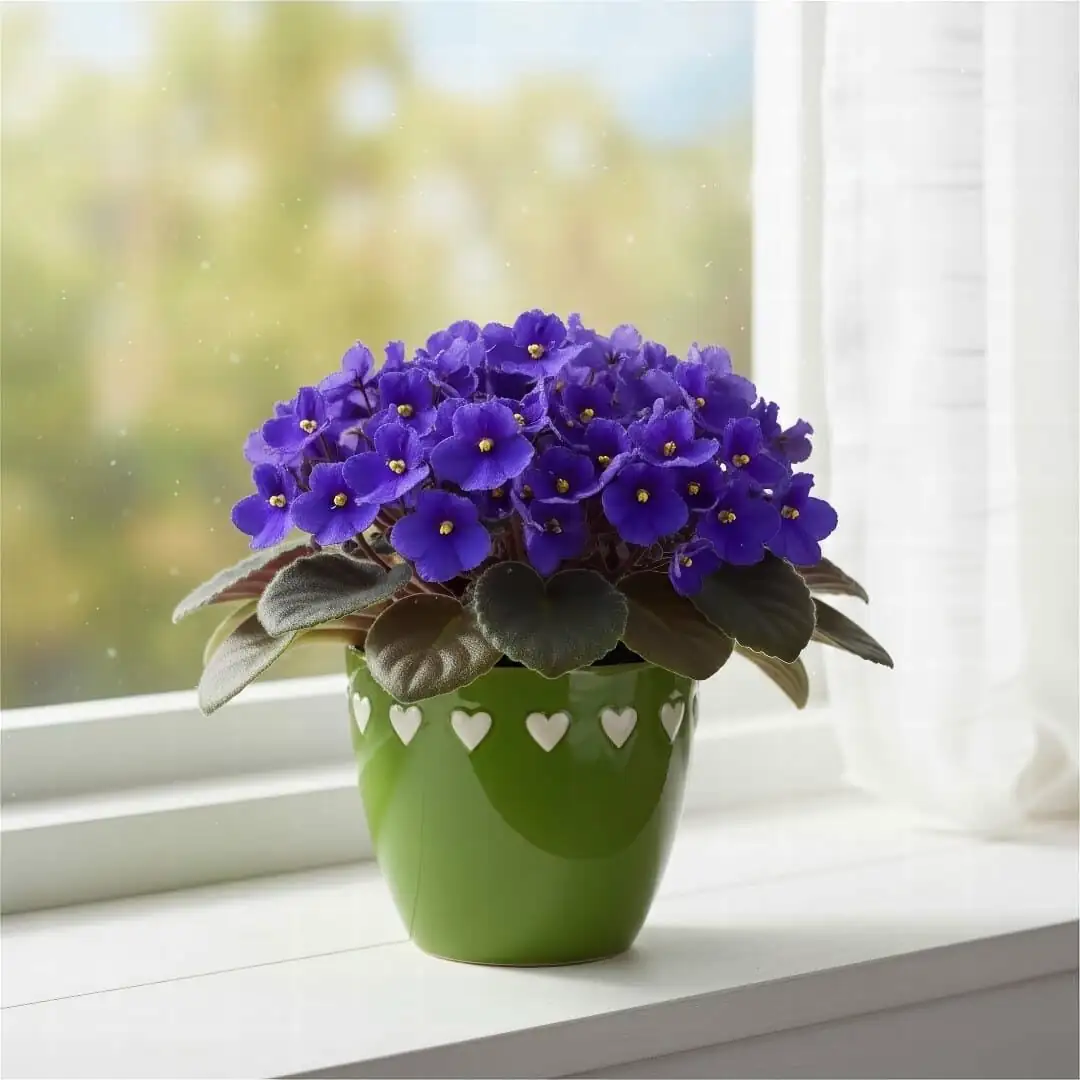
Imagine a small, fragrant plant carrying four passports—Persian, Arabian, German, Mexican—wandering from cool Victorian conservatories to modern apartment windowsills. That’s Exacum affine, the so‑called “Persian violet,” a compact burst of violet-to-lavender blooms with golden centers that lights up late winter and spring. But behind those charming flowers lies a tangle of misnomers, marketing, and maritime history. Let’s unpack the myths, trace the trade routes, and meet the real plant behind the names.
Where it’s really from
Exacum affine is native to Socotra, an isolated island belonging to Yemen in the Arabian Sea. Picture high, rocky plateaus, ocean mists, and a flora so distinctive it feels otherworldly. From that rugged stage, this tender perennial entered global horticulture in the 19th century and swiftly became a beloved cool-season gift plant—sold in neat, flowering mounds just when indoor color is most welcome.

Four nicknames, one plant
“Persian violet”
- The myth: It hails from Persia (modern Iran) and must be a true violet.
- The reality: It’s neither Persian nor a true violet. “Persian” was a romantic, catch‑all label European sellers used for alluring plants from the broader Middle East. The name stuck because it sounded exotic and elegant on a windowsill tag.
“Arabian violet”
- The myth: A different species.
- The reality: Same plant. This name nods more accurately to the Arabian region, since Socotra is part of Yemen. You may also see “Arabian gentian”—a clue to its real family ties.
“German violet”
- The myth: It’s a German species bred in Europe.
- The reality: Again, the same plant. The label likely reflects the enthusiasm of European (including German) seed houses and florists that popularized compact, winter‑flowering pot plants. As catalogs crossed borders, so did nicknames.
“Mexican violet”
- The myth: Another origin story.
- The reality: Still Exacum affine—although “Mexican violet” is also used for unrelated ornamentals in other genera. As plants traveled to the Americas, familiar-sounding trade names sometimes drifted. When in doubt, look for the yellow-centered, five-petaled bloom and the botanical name Exacum affine.
Why it isn’t a true “violet”
- Family ties: Exacum affine belongs to the gentian family (Gentianaceae), not the violet family (Violaceae).
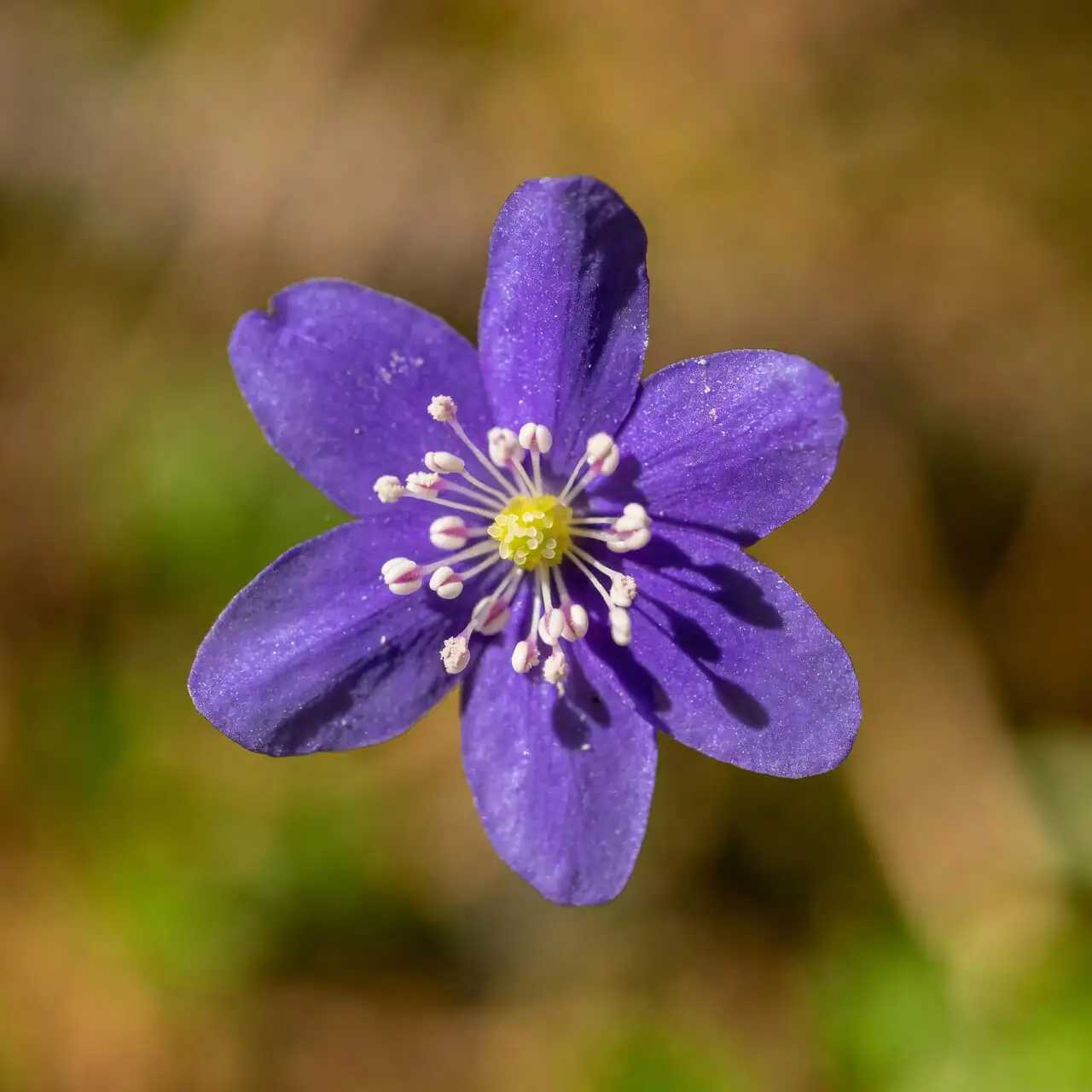
- Flower form: Its blossoms are starry and symmetrical with five petals and bright yellow anthers gathered in the center. True violets (Viola) usually have irregular, spurred flowers and a very different leaf-and-flower architecture.
- Growth habit: Exacum forms a glossy, cushiony mound that bursts into masses of small blooms—more gentian-esque than woodland violet.
How trade routes shaped its identity
In the 19th century, Socotra’s botanic treasures drew plant collectors who shipped seeds and cuttings through Arabian Sea ports like Aden. From there, plants funneled into European glasshouses, where cool indoor climates and a hunger for winter color made Exacum an instant hit. Seed packets and potted specimens then radiated out across Europe and into the Americas. Each step added a label—“Persian” for allure, “Arabian” for geography, “German” via continental seed trade, and “Mexican” in American markets. The plant stayed the same; the names reflected who was selling it, and to whom.
Meet the plant: a crisp botanical profile
- Habit and size: A compact, mound-forming tender perennial, typically 15–30 cm tall and wide.
- Foliage: Opposite, dark green, glossy oval leaves knit into a dense cushion.
- Flowers: Small, five-petaled violet-to-lavender blooms with sunny yellow anthers; often lightly fragrant.
- Season: Peak bloom late winter through spring; the display can run for months if kept bright and cool.
- Best use: A short-lived flowering houseplant that brings a neat rush of color to bright rooms during the cool season.
Growing it—myth-free, worry-light
Light
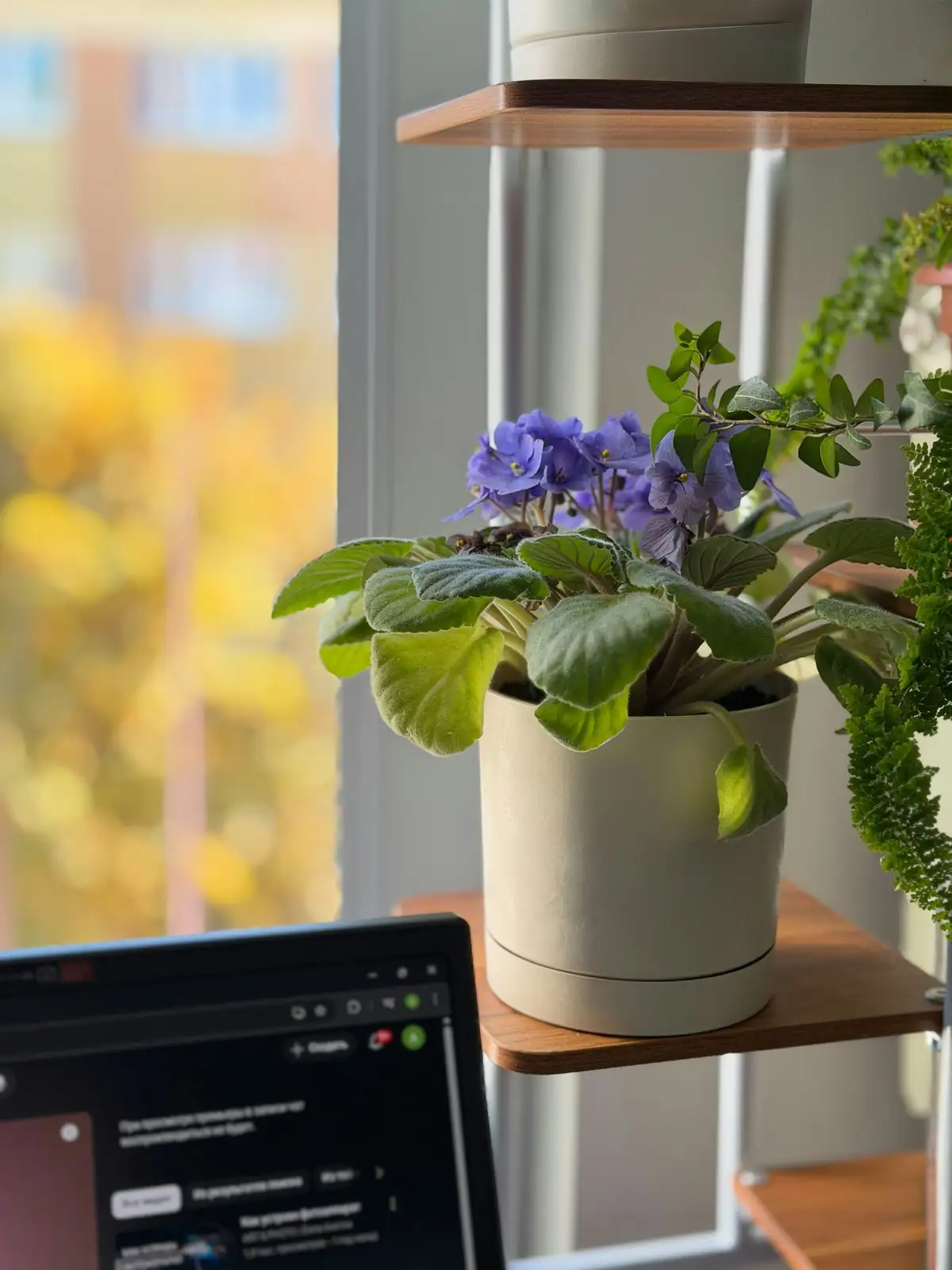
- Bright, indirect light or gentle morning sun. Protect from harsh midday rays that shorten bloom life.
Temperature and humidity
- Sweet spot: 15–21°C (59–70°F). Heat is the enemy—prolonged warmth hastens decline.
- Loves moderate to high humidity. Indoors, keep it away from heating vents; a pebble tray helps.
Water and soil
- Soil: Light, fertile, well-draining potting mix that retains even moisture.
- Watering: Keep evenly moist—never soggy, never bone-dry. A dry root ball triggers rapid flower drop.
Feeding and grooming
- Fertilizer: Diluted balanced liquid feed every 2–3 weeks while in bloom.
- Deadheading: Snip spent flowers to keep the mound tidy and push out more buds.
Placement
- Indoors: Near an east- or north-facing window with bright ambient light.
- Outdoors (mild, frost-free climates only): Bright shade or gentle light in a sheltered spot.
Propagation and repotting
- Propagation: Most commonly from seed; vegetative methods are uncommon for home growers.
- Repotting: Rarely needed; many people enjoy it through peak bloom and then replace. Repot only if clearly root-bound and you want to extend its run.
Calendar cues
- Late winter–spring: Glory time—cool, bright, and evenly moist for months of color.
- Summer: It often tires in heat; don’t take decline personally.
- Autumn–winter: Commercial growers typically sow anew for next season’s show.
Buyer’s minute: choosing a winner
- Look for: Plenty of unopened buds, firm glossy leaves, compact shape.
- Avoid: Yellowing foliage, wilt, stretched stems, or a pot that feels very light (a sign it was left too dry).
Naming myths, busted
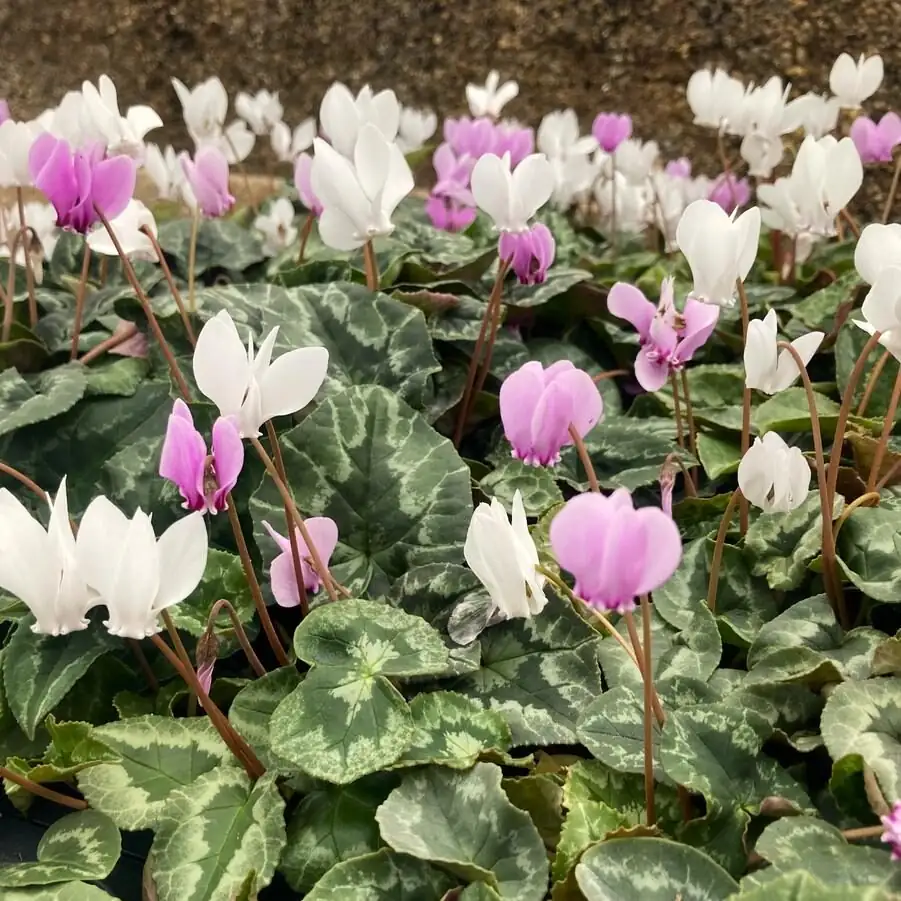
- “It’s a violet.” No—different family entirely. The “violet” tag refers to flower color and marketing tradition.
- “Persian means Iran.” Not here. This plant is native to Socotra, Yemen.
- “German/Mexican are separate species.” They’re not—just trade names for the same Exacum affine.
Symbolism and the language of flowers
Exacum affine is often linked with calmness, delicacy, and refined beauty—qualities that fit its poised, yellow-eyed blooms and gentle fragrance. If you’ve seen “flower language” claims, remember:
- Roots of the idea: Much of modern floriography blossomed in 19th‑century Europe, a time when this plant also became a fashionable gift. The association with serenity likely arose because Exacum brings a cool, composed splash of spring indoors during winter’s gray.
- Meaning that endures: It’s a small promise of grace under pressure—compact, composed, generous with bloom.
Health, safety, and the occasional hiccup
- Pests: Watch for aphids, spider mites, and fungus gnats indoors.
- Diseases: Overwatering or poor drainage leads to root rot—let excess water drain and never let the pot sit in a saucer of water.
- Toxicity: Not known to be toxic to people or pets.
Quick FAQ
- Is it an annual or perennial? Botanically a tender perennial, but in everyday home growing it’s usually treated as a short-lived houseplant and replaced after flowering.
- Why does it decline after bloom? Heat and dry air sap vigor. Keep it cool, bright, and evenly moist to prolong the show, but understand it’s notoriously hard to rebloom well indoors.
- Can it grow outdoors? Only in frost-free, mild climates—and usually in bright shade or very gentle light.
Fun to know
- Those bright yellow anthers are the easiest way to ID a true “Persian violet.”
- It’s a classic late-winter to spring gift plant because it stays small, looks polished, and flowers generously.
Parting thought
Exacum affine has worn many names as it sailed from Socotra’s cliffs to our coffee tables. Strip away the labels and you’ll find a cool-season gem: compact, fragrant, violet-lavender blooms with golden hearts—refined company for the months when we need color most. Keep it bright, cool, and evenly moist, and let this well-traveled “violet” tell its true story on your windowsill.