

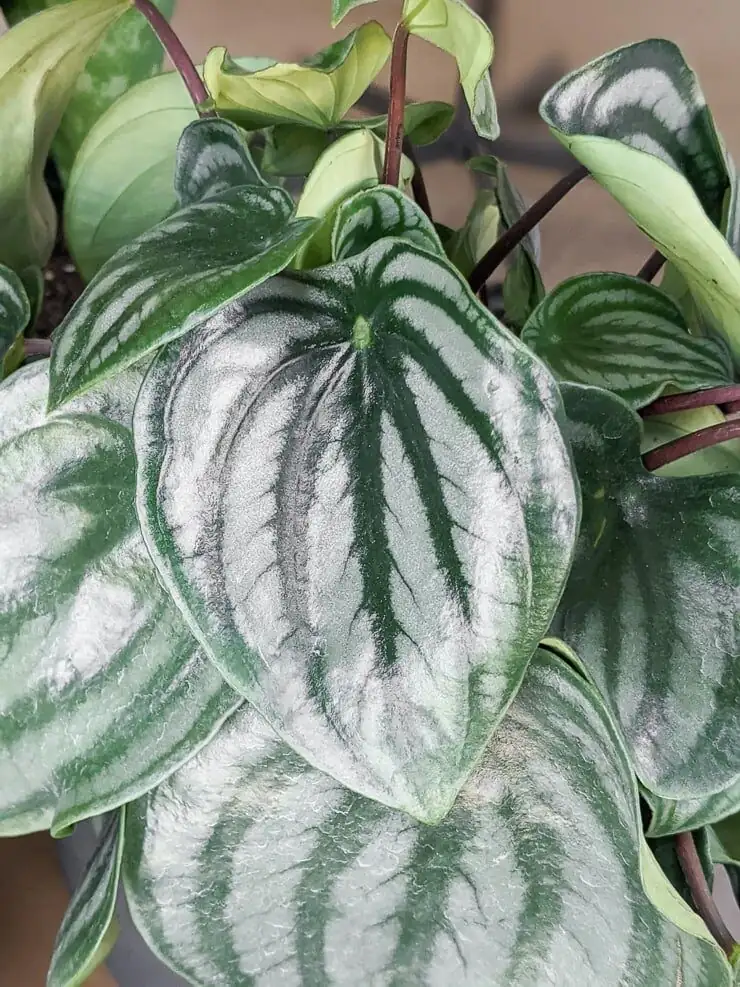
If leaves could throw a party, Watermelon Peperomia (Peperomia argyreia) would be the confetti. Those round, silvery-green stripes over deep green veins, propped on cherry-red petioles, are a tiny, desk-friendly spectacle. But along with the applause come a few stubborn myths. Let’s bust them—fast—and set your plant up for crisp, happy growth.
Four Myths, Busted (with quick fixes)
Myth 1: “It’s a begonia.”
- Reality: It only looks like one. Watermelon Peperomia is in the pepper family (Piperaceae), not Begoniaceae. The nickname “Watermelon Begonia” stuck because of the leaf pattern—not its lineage.
- Quick fix: Shop by the scientific name (Peperomia argyreia). When researching care, ignore begonia tips like heavy repotting or consistently wet soil.
Myth 2: “It’s a true succulent.”
- Reality: The leaves are slightly succulent, but this is not a desert plant. It stores a bit of moisture in its foliage yet dislikes prolonged drought or baking sun.
- Quick fix: Water thoroughly, then let the top of the mix dry before watering again. Bright, indirect light beats direct, burning rays every time.
Myth 3: “It thrives in deep shade.”
- Reality: It tolerates lower light, but the stripes fade and growth stalls in heavy shade. Too little light = dull, stretched leaves.
- Quick fix: Aim for bright, indirect light or gentle part shade. East windows are ideal; north windows work if bright. In summer, pull it back from hot south/west glass or add a sheer curtain.
Myth 4: “Bigger pots make it grow better.”
- Reality: Oversized pots trap moisture and invite root rot. This species prefers to be slightly pot-bound with excellent drainage and air around the roots.
- Quick fix: Prioritize an airy mix over a bigger container. Repot only one size up every 2–3 years; top-dress with fresh mix annually.
—
Meet Watermelon Peperomia
- Botanical name: Peperomia argyreia
- Also called: Watermelon Peperomia, Silver-Leaf Peperomia, Watermelon Begonia (nickname only)
- Family: Piperaceae (pepper family)
- Native roots: Northern South America, especially Brazil
- Size and habit: Compact, clump-forming mound about 15–30 cm tall and wide (6–12 in), often around 20 × 20 cm when mature indoors
- Leaves and flowers: Round to oval, slightly succulent leaves with gleaming silver bands over deep green veins; thin, pale green to cream flower spikes appear in summer (interesting up close, but foliage is the star)
Bonus brag: It’s widely grown and admired for indoor display—and it’s generally considered non-toxic to cats, dogs, and people.
—
Light and Placement: Crisp Stripes Without Scorch
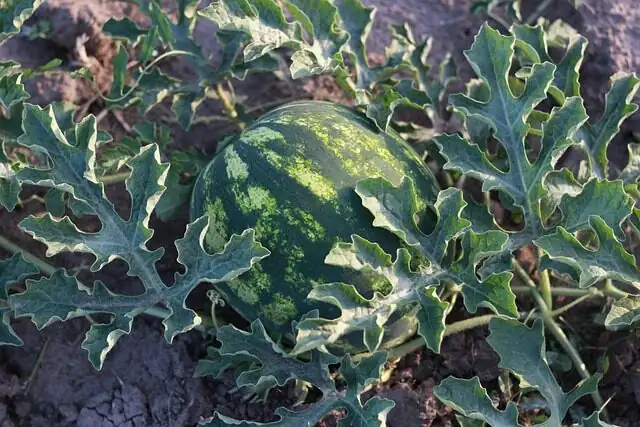
- Best light: Bright, indirect light to partial shade
- What to avoid: Harsh, direct midday sun (scorches and fades leaves) and very deep shade (dulls striping and slows growth)
- Where it shines:
- Summer: Pull back from hot south/west windows or diffuse with sheers
- Winter: Move to your brightest safe spot, still avoiding concentrated midday sun
- Great locations: Bright east windowsill; bright north window; shelves near a bright window; bright-shade hanging planters
—
Temperature and Humidity
- Temperature sweet spot: 15–24°C (59–75°F)
- Red lines: Stress rises above ~30°C (86°F) and below ~13°C (55°F); keep above 10°C (50°F). Not frost-hardy.
- Humidity: Moderate is fine; if air is very dry, use a pebble tray or light misting, and ensure gentle airflow to deter pests.
—
Watering: Even, Not Soggy

- Spring–autumn: Water thoroughly, then let the surface dry before watering again (often about weekly, depending on light and heat).
- Summer: Keep evenly moist but never waterlogged; don’t let it stand in a saucer of water.
- Winter: Water sparingly (often about every 2 weeks), letting more of the mix dry.
- Red flags:
- Overwatering: Yellowing, soft leaves; blackened petiole bases; sour-smelling mix
- Underwatering/very dry air: Curling or drooping leaves without yellowing
Pro tip: Rotate the pot a half turn weekly for even growth.
—
Soil and Potting: Airy Mix Over “More Soil”
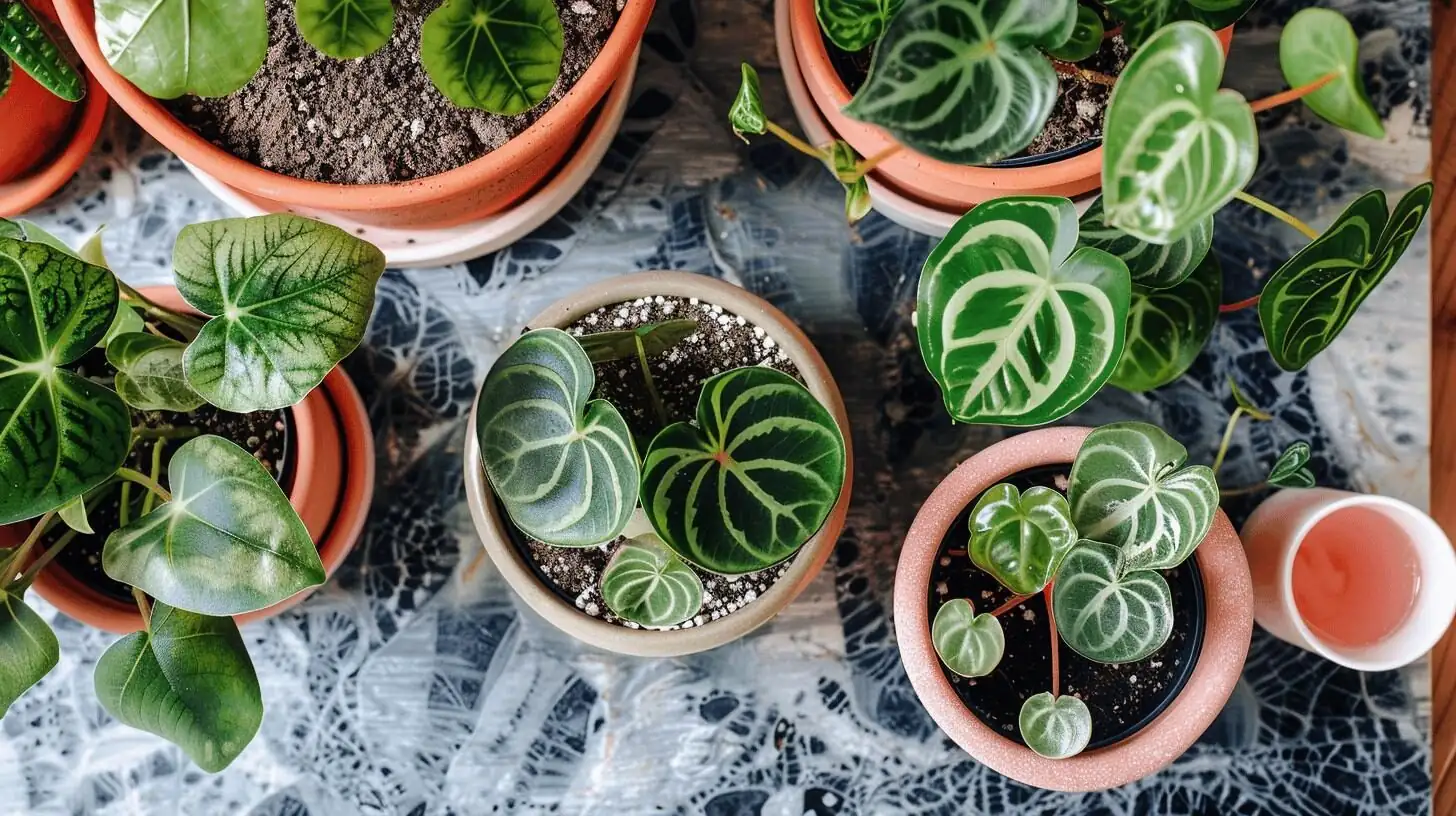
- The golden rule: Air beats size. Aim for a loose, fast-draining mix.
- Recipe ideas:
- Quality houseplant base (peat or coco) + perlite and/or coarse sand
- Optional tweak: a small portion of fine bark for extra structure and airflow
- Potting strategy:
- Slightly pot-bound is ideal
- Refresh/top-dress annually
- Repot every 2–3 years, one size up only, into a pot with drainage
—
Feeding: Keep it Balanced and Light
- Growing season: Feed during active growth
- Option 1: Monthly at half strength (spring to autumn)
- Option 2: Every 2 weeks with a more diluted dose during peak growth (roughly May–August)
- Pause in winter
- Avoid heavy nitrogen, which softens growth, stretches petioles, and blurs the leaf pattern
—
Pruning and Shaping
- Minimal pruning needed
- Remove yellowing or damaged leaves at the base
- Thin crowded leaves to keep the clump symmetrical
- Pinch any leggy stems to maintain a tidy mound
—
Propagation: A Leaf Becomes a Whole New Plant
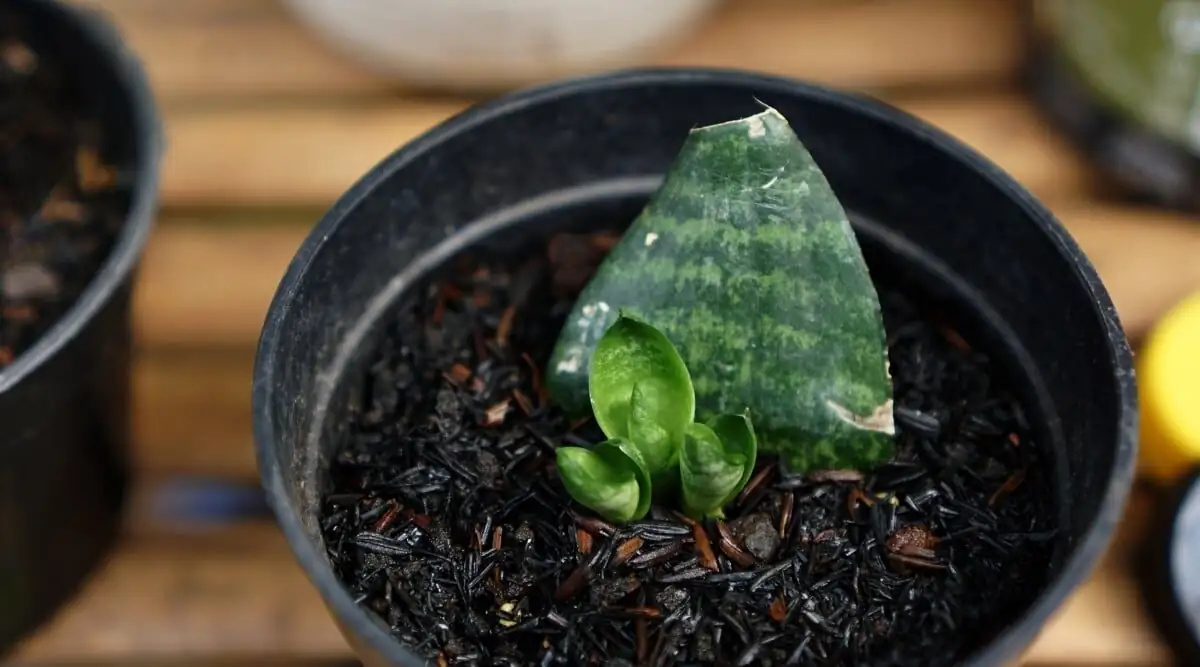
- Timing: Spring and summer
- Leaf cuttings:
- Take a mature leaf with 1–2 cm (0.4–0.8 in) of petiole
- Insert the petiole and about one-third of the leaf into a lightly moist, airy medium (perlite/sand mix works great)
- Roots in ~3–4 weeks; plantlets follow in ~4–6 weeks
- Stem cuttings: Root in water or a well-draining mix
- Division: Split a crowded clump at spring repotting; keep divisions in bright shade while they re-establish
—
A Simple Seasonal Game Plan
- Spring: Brighter filtered light; resume feeding; best time to propagate, divide, or repot (only one size up)
- Summer: Protect from hot glass and midday sun; water evenly without sogginess; ensure airflow
- Autumn: Maintain bright-indirect light; moderate watering; reduce feeding
- Winter: Brightest safe spot; water sparingly; pause feeding; keep away from cold drafts
—
Troubleshooting by Symptom
- Yellow, droopy leaves; mushy bases; sour soil smell
- Likely cause: Overwatering or poorly draining mix
- Fix: Let the mix dry at the surface; switch to a more open medium; ensure drainage and airflow
- Curling or drooping leaves without yellowing
- Likely cause: Underwatering or very dry air
- Fix: Water thoroughly and drain; add a pebble tray; keep away from heat vents
- Faded striping, slow or leggy growth
- Likely cause: Light is too low
- Fix: Move to brighter, indirect light; rotate weekly
- Scorched or dull, papery patches
- Likely cause: Harsh direct sun
- Fix: Pull back from south/west windows or use sheer curtains
- Sudden collapse after a cold night or draft
- Likely cause: Chilling injury
- Fix: Keep above 10°C (50°F); avoid cold windowsills and door drafts
—
Pests and Diseases
- Usual suspects: Mealybugs, scale, spider mites, whitefly—especially in warm, dry air
- Early response: Treat with insecticidal soap or horticultural oil; repeat as needed
- Disease watch: Root rot from soggy soil; occasional leaf spot or ringspot-like issues
- Prevention: Fast-draining mix, reasonable watering intervals, gentle airflow, clean tools and media, remove badly affected leaves
—
Safety
- Generally considered non-toxic to cats, dogs, and people. Still, discourage nibbling—any plant material can cause mild stomach upset.
—
Symbolism and “Flower Language”
- Common associations: Freshness and playfulness—those cheerful “watermelon” stripes brighten spaces year-round.
- A note of realism: Unlike roses or chrysanthemums with centuries of coded meanings, Watermelon Peperomia’s “flower language” is modern and aesthetic-driven. Its symbolism comes from the plant’s clean geometry, lively striping, and effortless compact charm rather than folklore. Consider it a contemporary emblem of lightness and good mood—a tiny reminder to keep things fresh.
—
Quick Myth-to-Action Recap
- Not a begonia: Follow peperomia care, not begonia basics.
- Not a true succulent: Bright, indirect light; water when the surface dries—don’t bake or bone-dry it.
- Tolerates but dislikes deep shade: For sharp stripes and compact growth, give bright, filtered light.
- Airy mix beats bigger pots: Keep it slightly pot-bound; refresh the mix; size up slowly.
Treat Peperomia argyreia like the compact tropical it is—bright but buffered light, an open, fast-draining mix, and modest watering—and those watermelon stripes will stay crisp, glossy, and conversation-starting on any desk or shelf.