

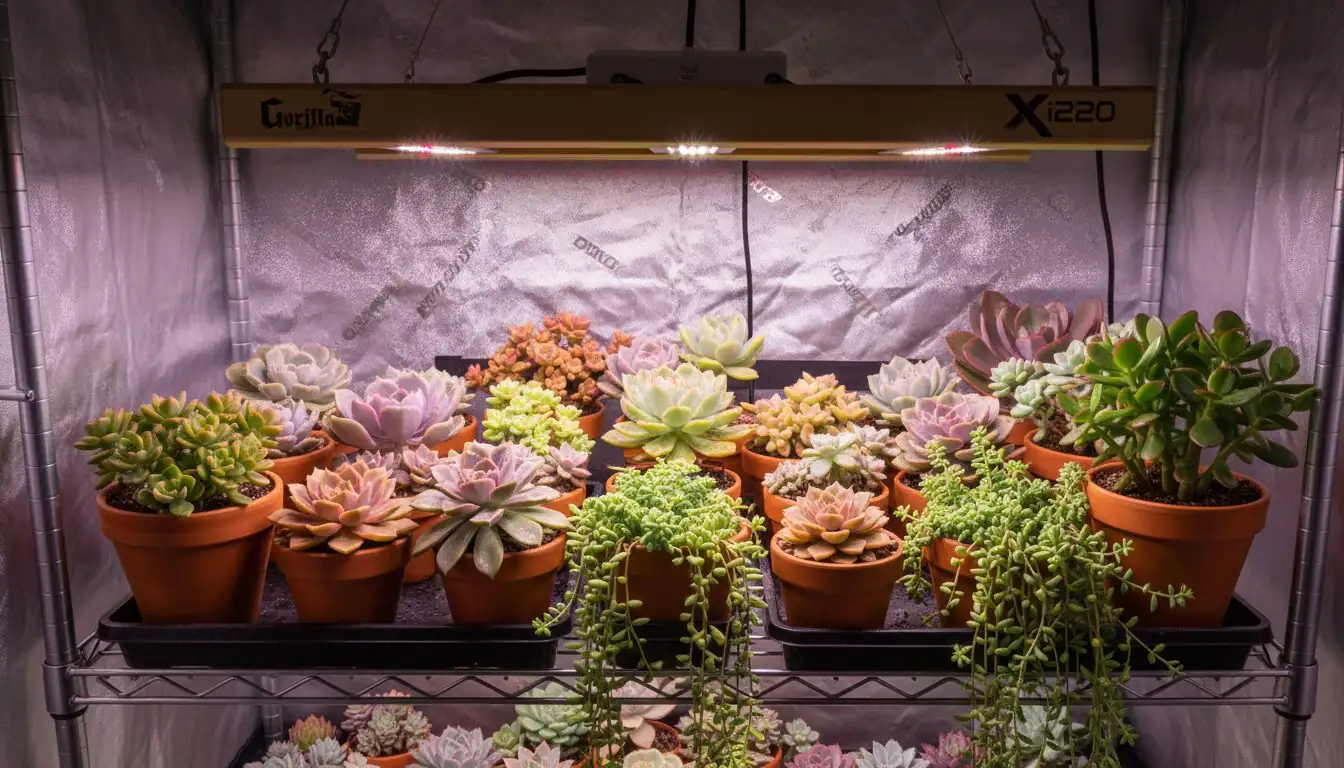
Succulents don’t just survive dry spells—they bank them. Think of these plants as little living water bottles, stashing moisture in their leaves, stems, or roots so they can shrug off drought, hot days, and weeks without rain. They’re wildly diverse too: tidy rosettes, bead‑like chains, spiky columns, silvery blues, lime greens, and sunset reds. And while people often say “succulents” like it’s one team, it’s really a lifestyle shared by plants across many families (Crassulaceae, Cactaceae, Euphorbiaceae, Asphodelaceae, Asparagaceae, and more). Native to arid regions across Africa and the Americas—including South Africa and Madagascar through Mexico and the U.S. Southwest—succulents now charm windowsills and xeriscapes worldwide.
Here’s your snackable science tour: night-breathing CAM, color “blushing,” baby “pups,” plus those blink‑and‑you‑miss‑them cactus flowers.
Night-breathers: the CAM superpower (why many succulents sip air after dark)
Most succulents favor water thrift over daytime sunbathing. Enter CAM photosynthesis—Crassulacean Acid Metabolism—a time-shifted way to breathe.
- At night: stomata open when it’s cooler and less evaporative; the plant takes in CO2 and tucks it away as organic acids (a kind of carbon stash).
- By day: stomata mostly stay shut to conserve water; the plant unpacks that carbon stash inside and fuels sugar-making with sunlight.
- Perks: dramatically reduced daytime water loss, plus the ability to “idle” during extreme heat or drought—slowing growth to ride out tough spells.
Grower tip: because many succulents run their gas exchange at night, evening watering in very hot weather can reduce immediate evaporation from the potting mix. Still, always let soil dry fully between waterings.
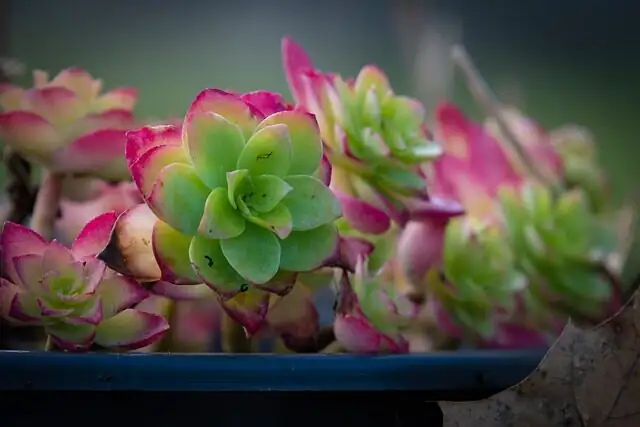
Blushing beauties: when greens turn red, purple, or bronze
Notice how some succulents color up in strong light or cool nights? That “blush” is a pigment shield—often anthocyanins—acting like botanical sunglasses.
- Triggers: bright light, cooler nights, and mild drought stress.
- Common colors: reds, purples, bronzes, even smoky blues.
- Keep it healthy: give bright light (about 4–6 hours daily) and excellent drainage. Acclimate plants before full sun to avoid sunburn. Aim for color without pushing to shrivel.
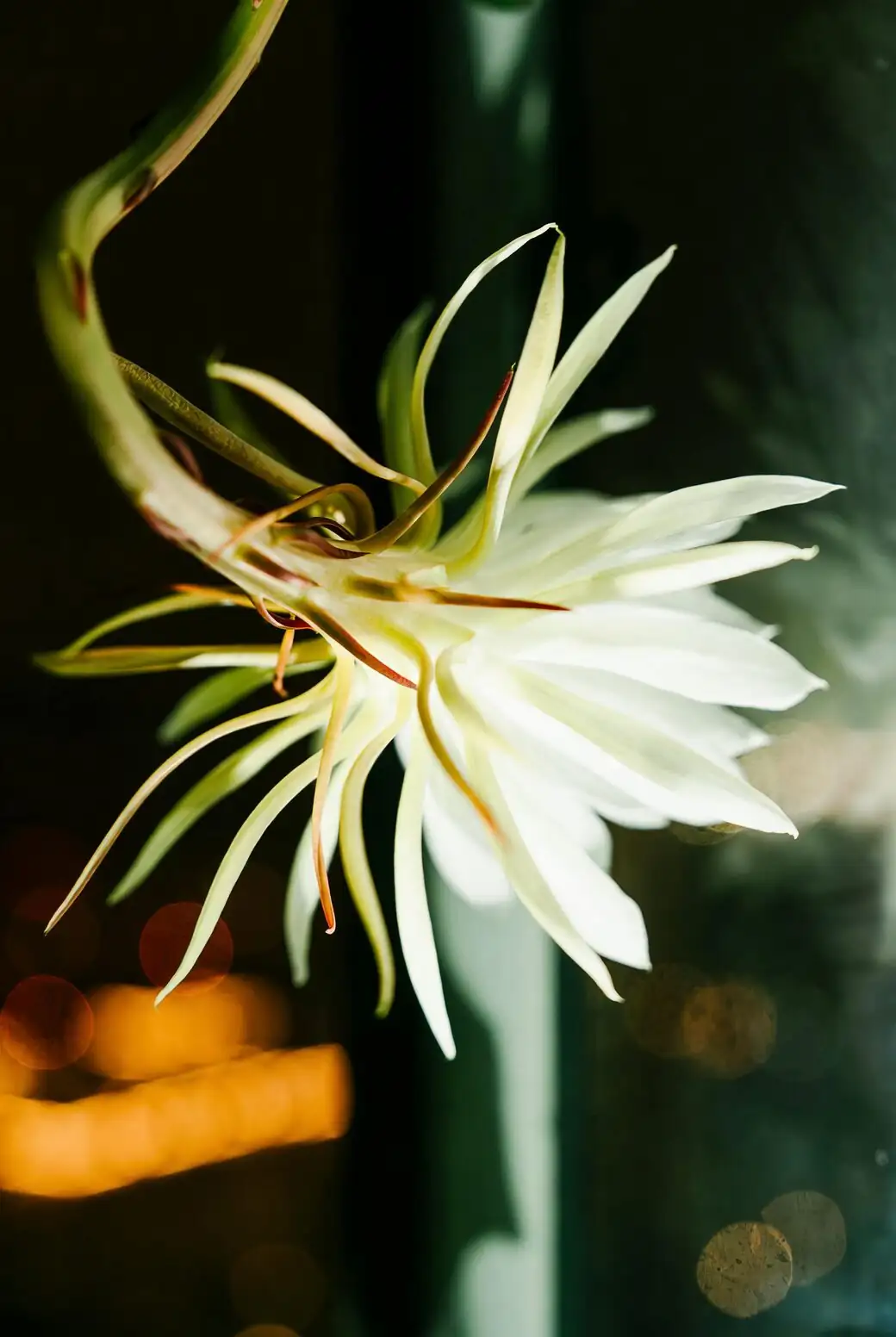
Family drama: cactus flowers that ghost you by dawn
Cacti, a succulent subgroup, are famous for show-stopping blooms—some so brief they’re practically a magic trick.
- Night acts: many species open after dusk and fade by morning, timed to nocturnal pollinators.
- The spectacle: huge, silky flowers in whites, pinks, yellows—on compact globes or towering columns.
- How to catch the show: watch for swelling buds; when one looks ready, check it after sunset. Miss it and you may find only a memory by breakfast.
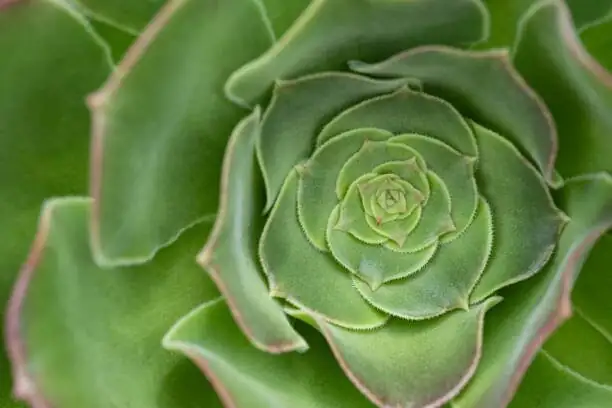
Multiplying minis: offsets (“pups”) and other easy propagation wins
Lots of succulents clone themselves by popping offsets that cluster into cushiony colonies. You can help them along.
- Offsets (pups): wait until a pup has some roots or size, then twist or cut it off with a sterile tool. Let the cut callus, then plant in gritty mix and water lightly after a few days.
- Leaf cuttings: for many rosette types, gently detach a healthy whole leaf, let it callus, set it on fast-draining soil, and mist sparingly until tiny roots/leaves appear.
- Stem cuttings: trim, callus, then pot. Keep bright, indirect light and go easy on water until rooted.
- Seeds: slow but fascinating; keep airy, evenly barely moist conditions.
Quick ID reality check
- “Succulent” isn’t a single lineage; it’s a water-storage lifestyle found in many families.
- All cacti are succulents, but not all succulents are cacti.
- Cacti areoles (tiny cushion-like pads) are a giveaway: spines and flowers emerge from them.
Care, simplified (the fuss-free formula)
Light
- Bright is best for compact growth and color. Many types love several hours of direct sun; others (like some Haworthia) prefer bright, indirect light.
- Target: about 4–6 hours of good light daily. Acclimate to avoid sunburn.
Water
- Use soak-and-dry: water thoroughly, then wait until the mix is completely dry.
- Seasonal rhythm:
- Spring/fall (often active growth): water after full dry-down; light monthly feeding.
- Summer heat: some species slow down; provide airflow and midday shade; water only when bone dry—often less than you think. In very hot spells, evening watering can help, but only after the soil is fully dry.
- Winter: sharply reduce watering; stop fertilizing; protect from cold.
- When in doubt, wait—most succulents handle a dry week or two far better than soggy roots.
Soil and pots
- Fast-draining, airy, gritty mix is essential. A practical recipe:
- About 10–20% peat or other organic matter
- ~20% coarse sand
- ~60–80% pumice, perlite, lava rock, diatomaceous earth, akadama, etc.
- Pots must have drainage holes. Avoid oversizing; up-pot just 1–2 inches (2.5–5 cm) wider when needed.
Temperature and humidity
- Happy range: roughly 15–27°C (59–81°F); many enjoy warm days around 21–29°C (70–85°F).
- Frost is trouble for most; bring tender types indoors before freezing.
- Above ~35°C (95°F): give airflow and reduce harsh midday sun.
- Average household humidity is fine; stagnant, damp air raises rot risk.
Fertilizer and pruning
- Feed lightly in growth season with half-strength balanced fertilizer monthly.
- Prune to shape, remove dry leaves, and take cuttings—spring is prime time.
Where they come from—and where they’re thriving now
- Native hotspots: North America, Central America and Mexico, South Africa, East Africa, Madagascar, and other arid regions worldwide.
- Modern cultivation: large-scale production thrives in places like Taiwan and parts of China (e.g., Yunnan, Fujian), where climate and know-how have built mature growing hubs.
Buying smart, avoiding oops
- Pick plants with firm, plump leaves; no mushy bases; roots that aren’t black or sour-smelling.
- Check tight spots for mealybugs (white fluff) and scale (tiny bumps).
- Quarantine new arrivals to keep collections pest-free.
Pests, problems, and quick fixes
- Mealybugs/scale: isolate; dab pests with alcohol swabs or use gentle sprays; improve airflow.
- Root rot: the big bad. Prevent with gritty mix, drainage holes, and conservative watering.
- Leggy growth: the classic “stretch” from low light. Move to a brighter spot (gradually), rotate the pot, and consider re-rooting a trimmed top.
Safety and pets
- Toxicity varies. Many Euphorbia species ooze a milky latex that can irritate skin and eyes and is harmful if ingested. If you can’t ID your plant, treat it as potentially irritating. Keep away from kids and pets.
History, culture, and “flower language”
- A centuries-long fascination: after contact with the Americas, cacti dazzled European collectors; 18th–20th‑century expeditions and botanical gardens spread succulent fever globally.
- Symbolism: often linked to resilience, perseverance, and quietly thriving in hard times. In feng shui–style practices, they may be associated with protection or good fortune.
- A critical note: “flower language” (assigning moral meanings to plants) is cultural, not botanical. Enjoy the sentiment—but let care decisions follow light, soil, and climate, not lore.
Fast FAQ
- Why is my plant stretching? It wants more light—brighter spot, gradual acclimation, and a trim-and-re-root if it’s very elongated.
- How often do I water? There’s no fixed schedule. Soak thoroughly, then wait for a complete dry-down. More in active growth, far less in winter.
- Can they live indoors? Absolutely—park them at your brightest window or add a grow light. For lower light, choose shade-tolerant kinds (e.g., some Haworthia).
Fun, quick hits
- 10,000+ succulent species across 100+ families—succulence evolved many times.
- Many succulents run CAM, opening stomata at night to conserve water.
- Some cactus flowers are one-night wonders—blink and you miss the bloom.
- South Africa’s Succulent Karoo is a world-class diversity hotspot.
Tiny water tanks. Night-shift breathers. Plants that blush under bright skies and toss fireworks at midnight. Succulents pack more drama per inch than almost any houseplant—while still asking for less. Keep the mix gritty, the light bright, and your watering hand cautious, and they’ll reward you with color, character, pups, and (if you’re lucky) a flower that steals the night.