

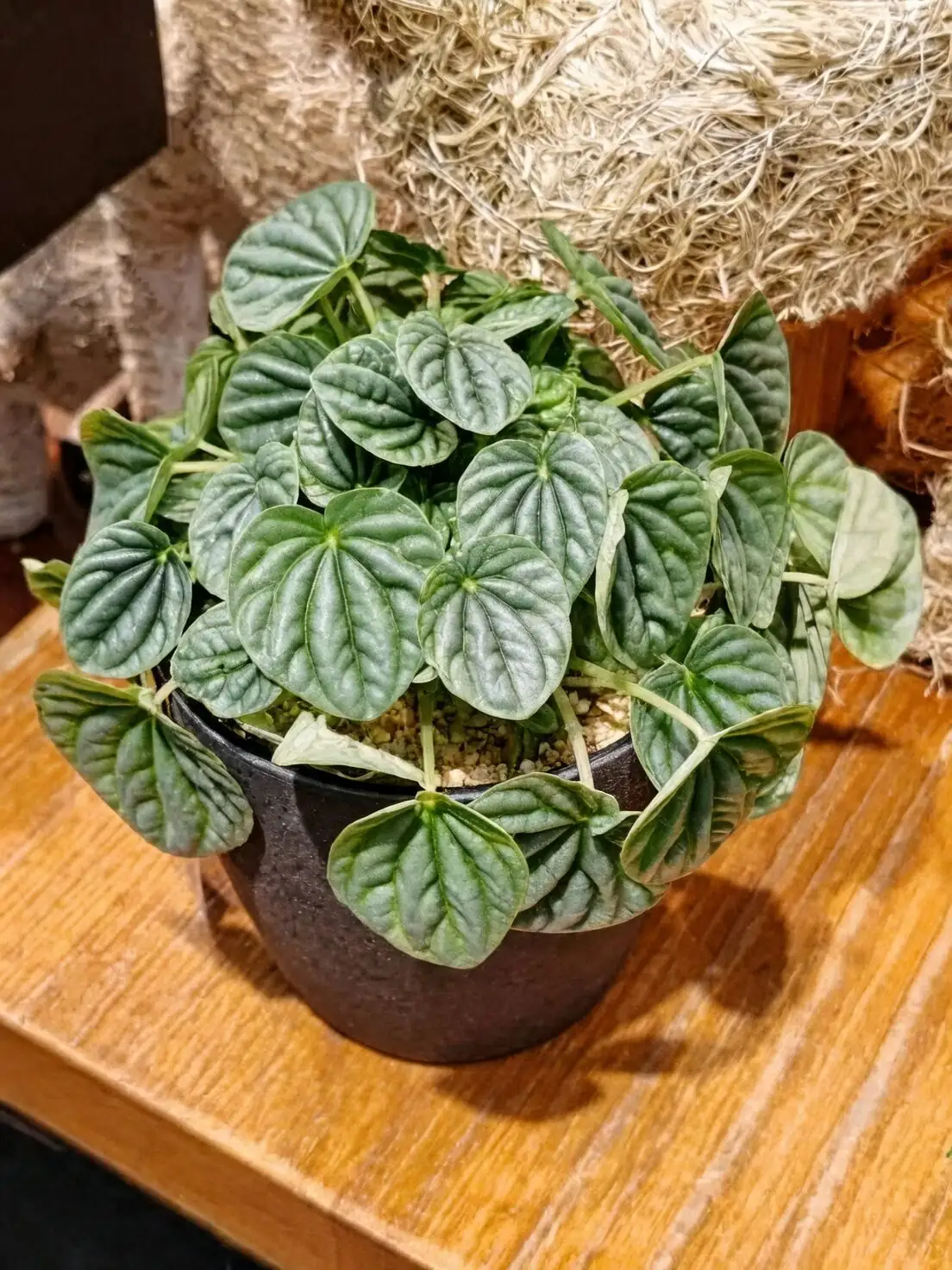
If you’ve fallen for those pleated, heart‑shaped leaves, you already know Ripple Peperomia (Peperomia caperata) is a foliage‑first charmer. Watering, though, is where confidence blooms or fizzles. The good news: once you learn a few tactile cues—your fingertip, the heft of the pot, and a simple skewer—you’ll glide through spring, summer, fall, and winter without second‑guessing or spotting those beautiful ripples.
Here’s your season‑by‑season, hands‑on watering guide—plus exactly how to keep water out of the leaf corrugations and off your conscience.
Get to know your Ripple Peperomia (so watering makes sense)
- What it is: Peperomia caperata, also called Ripple Peperomia, Emerald Ripple Peperomia, or Radiator Plant; a compact, clump‑forming houseplant in the pepper family (Piperaceae).
- Look and size: A tidy mound to about 25 × 25 cm (10 × 10 in) with deeply puckered leaves in green to burgundy tones. Summer brings dainty cream‑to‑pale‑green flower spikes.
- Light and climate: Bright, indirect light (avoid harsh midday sun). Best at 15–24°C (59–75°F); protect from drafts and chills, and keep above 12°C (54°F).
- Humidity: Moderate to high. It thrives in kitchens and bathrooms with gentle light.
- The big risk: Overwatering. This plant likes air at the roots and slightly drier intervals between drinks.
The core principle: a little dry is better than a little wet
Those sculptural, slightly fleshy leaves hold moisture. The roots, however, resent sitting in soggy mix. Your aim: water thoroughly, then wait until the surface has dried before watering again (and in winter, let it go almost dry).
Your three no‑fail moisture checks
1) The fingertip test (fast and free)
- Spring through autumn: Press your fingertip into the mix to the first knuckle (about 2–3 cm / 1 in). If the surface feels dry and the top layer is crumbly—not cool or clinging—it’s time to water.
- Winter: Let the mix go almost dry. You’ll feel dryness not just on top but well below the surface. If it still feels faintly cool or tacky, wait a few more days.
Pro tip: Check two or three spots around the pot; edges can dry faster than the center.
2) Pot‑weight cue (the “heft test”)
- Right after a thorough watering, lift the pot and memorize that “full” weight.
- As days pass, give a gentle lift. When the pot feels noticeably lighter—and the surface is dry—that’s your green light to water.
- In small 10 cm (4 in) pots, the difference is dramatic: saturated feels “solid,” ready‑to‑water feels almost feather‑light.
3) The skewer/chopstick test (for precision)
- Insert a wooden skewer toward the center. If it comes out clean and dry, water. If it’s darker or damp with clinging crumbs, hold off.
How to water (and keep those ripples spotless)
1) Aim low. Water at soil level, not over the foliage. Rippled leaves can trap droplets that lead to spotting.
2) Water thoroughly. Add room‑temperature water until you see a steady stream from the drainage hole; pause, then water again so the entire root ball is evenly moist.
3) Then drain well. Never leave water in the saucer or cachepot.
4) If you splash leaves, gently wick moisture off with a tissue—especially from those grooves.
5) Prefer bottom‑watering? Great choice here. Set the pot in a shallow tray for 10–20 minutes, let the mix wick moisture up, then drain thoroughly.
Avoid misting. On this plant, it encourages spotting in the leaf ripples. For extra humidity, use a pebble tray with the pot set above the waterline, or simply place it in a naturally humid room.
The seasonal watering playbook
Spring: Find the rhythm
- What’s happening: Days brighten, growth resumes.
- Your move: Water when the surface dries using the fingertip test; confirm with pot weight.
- Frequency: Variable (light, temperature, pot size all matter). Trust your checks—not the calendar.
- Bonus: Start monthly feeding at half strength to support new growth; fertilize only on moist soil.
Summer: Stay consistent, not soggy
- What’s happening: Warmer temps and brighter light mean faster drying, especially in bright, indirect light.
- Your move: Check a bit more often, but keep the same rule—water when the top is dry. Early morning is ideal so any accidental splash dries quickly.
- Watch for: Flower spikes; charming, but they don’t require extra water. Ensure excellent drainage and airflow.
Fall: Ease off gradually
- What’s happening: Growth slows and days shorten.
- Your move: Let more time pass between waterings as the pot keeps its moisture longer. Keep using fingertip and weight cues.
- Bonus: Begin tapering fertilizer.
Winter: Almost dry is just right
- What’s happening: Low light, cooler rooms, and slower growth.
- Your move: Keep the mix almost dry and water sparingly. Always test deep in the pot before watering.
- Guardrails: Use room‑temperature water; keep away from cold windows and drafts; ensure temps stay above 12°C (54°F).
Potting, soil, and placement that make watering easier
- Mix: A loose, airy houseplant blend with a generous handful of perlite to boost drainage.
- Pot: Small and snug—around 10 cm (4 in)—with a drainage hole. Oversized pots hold excess moisture and raise rot risk.
- Repotting: Every 2–3 years or when roots fill the pot. Refreshing the mix improves aeration and makes watering more predictable.
- Placement: Bright, indirect light and gentle airflow help the mix dry evenly without stressing the plant.
Avoiding leaf‑ripple spotting (the spotless‑leaf routine)
- Don’t mist. Water collects in grooves and can spot.
- Water at soil level or bottom‑water; if leaves get wet, blot them dry.
- Water in the morning so any stray droplets evaporate by evening.
- Keep gentle airflow around the plant (not a cold draft).
- Use room‑temperature water; very hard water can leave mineral marks—filtered or rested tap water helps.
- Dust occasionally with a soft brush or microfiber cloth to reduce moisture‑holding debris.
Troubleshooting moisture mistakes
Overwatering clues (with wet or recently watered soil):
- Wilting or limp leaves that don’t perk up
- Blackened, mushy stems or a sour, musty smell
- Action: Unpot and inspect. Trim any mushy roots, repot into fresh, airy mix, and reduce watering. Improve light and airflow.
Underwatering clues:
- Leaves feel soft or slightly pleated beyond their normal texture; edges curl inward
- Pot is extremely light; soil pulls from pot edges
- Action: Give a thorough drink and allow proper drainage. Don’t “sip‑water”—rehydrate the entire root ball.
Yellow leaves?
- Not always water! Consider low light, aging leaves, or nutrient issues. If multiple factors look fine, revisit drainage and watering depth.
Pest note: Mealybugs, spider mites, and scale are the usual suspects in dry air. Wipe leaves and treat early with insecticidal soap or horticultural oil if needed.
Quick confidence checklist
- I water only when the surface is dry (and in winter, when the pot feels very light and the mix is almost dry).
- I aim water at the soil, not the leaves, and drain thoroughly.
- My mix is airy with added perlite, and my pot is small with a drainage hole.
- I boost humidity with a pebble tray or a naturally humid room—never with misting.
- My plant lives in bright, indirect light at 15–24°C (59–75°F), away from cold drafts.
Nail these simple cues—the fingertip, the pot’s weight, and that quick skewer check—and Peperomia caperata rewards you with a compact, rippled canopy that stays crisp, glossy, and spot‑free all year.