


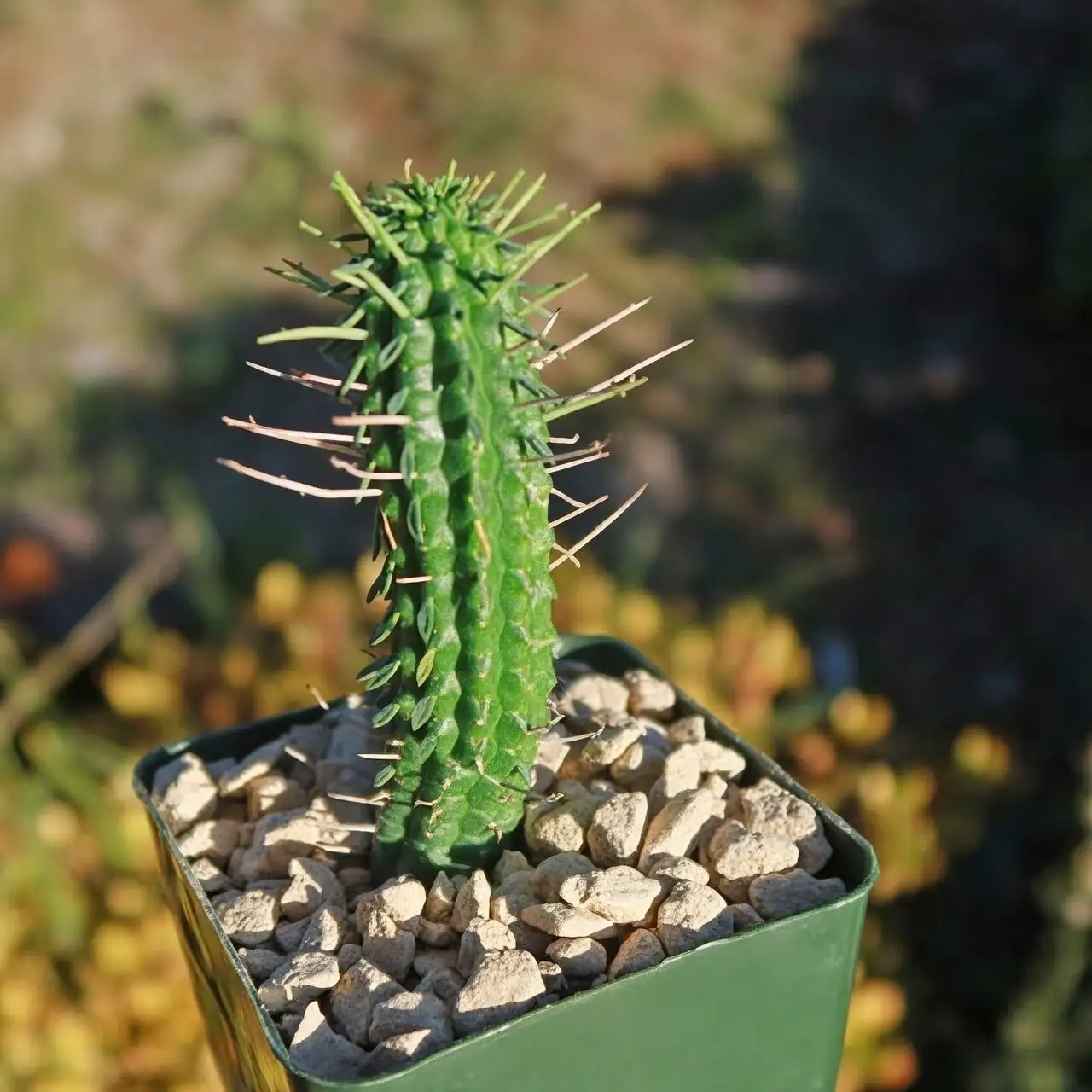
Meet Red Coral Spurge (Euphorbia mammillaris): the “corn cob” succulent that looks like a cactus, but isn’t one. Its tidy, gray‑green, ribbed stems studded with short red spines give off architectural drama on a sunny sill, yet it stays compact and easygoing when you follow its seasonal beat. Use this month‑by‑month checklist to sync light, water, feeding, and repotting indoors and outdoors so it thrives without fuss.
Note: This calendar follows a Northern Hemisphere rhythm. In the Southern Hemisphere, shift by six months.
At a glance
- Origin: South Africa (Cape Provinces)
- Size: About 30 cm (12 in) tall; clumps spread 20–40 cm (8–16 in)
- Light: Bright light to full sun (4–6+ hours direct, acclimate gradually)
- Temperature: Best at 18–30°C (64–86°F); keep above 10°C (50°F)
- Soil: Very fast‑draining cactus/succulent mix with added mineral grit or pumice
- Water: Soak, then let the mix dry out completely every time
- Feeding: Light, spring–summer only
- Hardiness: USDA 10–11; not frost hardy
- Safety: Milky latex sap is irritating/toxic—wear gloves and eye protection
How its year flows
- Spring: Wakes and stretches; resume watering and start light feeding; prime time to repot and root cuttings.
- Summer: Peak light and steady growth; water only when bone dry; watch for pests.
- Autumn: Slows; taper feeding and watering; prepare to come indoors before cool nights.
- Winter: Resting; keep bright, much drier, and warm.
Month‑by‑month checklist
January
- Light
- Indoors: Brightest south or west window; rotate the pot monthly for even shape.
- Outdoors (zones 10–11 only): Full sun on a dry, sheltered patio; protect from rain/cold snaps.
- Water: Sparingly; only when the mix is fully dry—often every 3–6 weeks.
- Feeding: None.
- Repot/Prune: Skip. Instead, inspect ribs and crevices for mealybugs or scale.
February
- Light: Same as January; days are lengthening—great time to clean the glass and boost brightness.
- Water: Still sparse; 3–6 weeks between drinks, always to dryness.
- Feeding: None.
- Repot/Prune: Plan supplies for spring repotting (fresh gritty mix, a pot with drainage, gloves).
March
- Light
- Indoors: Increase exposure; start gentle sun‑acclimation (an extra 30–60 min of direct sun every few days).
- Outdoors: Wait to move out until nights stay above 10°C (50°F).
- Water: Increase slightly as growth wakes—often every 14–21 days, but only when fully dry.
- Feeding: Start light feeding (diluted cactus fertilizer at 1/4–1/2 strength) every 4–6 weeks.
- Repot/Prune: Best month to repot if rootbound; step up only one pot size. Trim any damaged stems; let cuts callus before replanting.
April
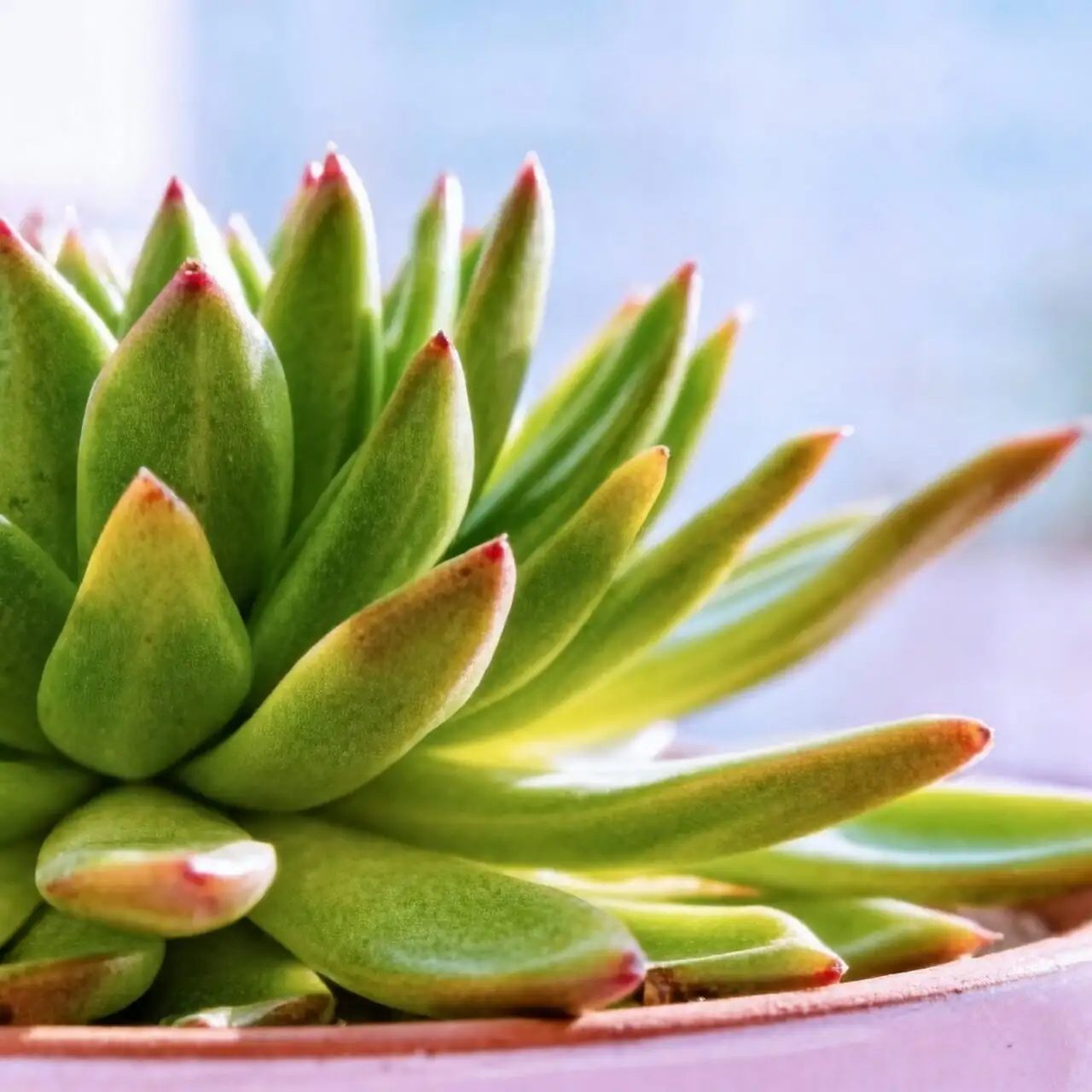
- Light
- Indoors: Aim for 4–6+ hours of direct sun.
- Outdoors: Begin 10–14 days of sun‑acclimation; start in bright shade, then morning sun, then full sun.
- Water: Typically every 10–21 days, strictly to dryness.
- Feeding: Continue light, monthly or every 4–6 weeks.
- Repot/Prune/Propagate: Excellent for taking stem cuttings. Let cut ends dry and callus for several days before setting in a dry, gritty mix.
May
- Light: Maximum light after full acclimation; strong sun keeps stems tight and colorful.
- Water: In warm, bright spots, you may water every 10–14 days—only after the mix is dust‑dry.
- Feeding: Continue on your 4–6 week cadence.
- Care note: Great airflow, zero standing water. Check for mealybugs at stem ribs.
June
- Light: Full sun is perfect; provide brief midday shade only if plants were not fully acclimated or during extreme heatwaves.
- Water: As needed to dryness—often 10–14 days in heat.
- Feeding: Ongoing, light.
- Repot: Pause major repotting now; the plant is pushing growth, and hot soils can stress fresh roots.
July
- Light: Hold the sunny course.
- Water: Hot weather may shorten intervals; still, never on a schedule—probe for dryness down to the drain holes.
- Feeding: Continue light feeding.
- Care note: Keep humidity low; ensure pots drain freely after each soak.
August
- Light: Bright and steady.
- Water: Similar to July; watch for faster drying in terra‑cotta pots.
- Feeding: Last routine feed this month in cooler climates; one more in warm regions is fine.
- Care note: Brush or rinse dust off stems so they photosynthesize at full power.
September
- Light
- Indoors: Shift to the sunniest window as daylight wanes.
- Outdoors: Begin reversing acclimation before moving inside—more shade over 7–10 days to avoid light shock.
- Water: Start to stretch intervals—often 14–21 days as temperatures drop.
- Feeding: Final light feed early in the month, then stop.
- Move‑in cue: Bring plants indoors before nights dip below 10–12°C (50–54°F).
October
- Light: Brightest indoor sun you’ve got; a conservatory is ideal.
- Water: Lean watering; commonly every 3–4 weeks, or longer if light is low and air is cool.
- Feeding: None.
- Repot/Prune: Skip repotting; tidy only if needed.
November
- Light: Keep it bright and dry; rotate monthly.
- Water: Minimal—every 4–6 weeks is typical in low light. If stems slightly wrinkle, water once the mix is fully dry.
- Feeding: None.
- Care note: Warmth matters; avoid cold windowsills and drafts.
December
- Light: Sun‑soaked sill duty; clean dust again.
- Water: As in November—cautious and infrequent.
- Feeding: None.
- Care note: Holiday reminder—latex sap is irritating; keep out of reach of pets and kids.
Indoor vs. outdoor success keys
- Indoors
- Light: South or west exposure is best; consider a grow light in winter to keep stems compact.
- Humidity: Low to average; avoid damp, stagnant corners.
- Potting: Use a mineral‑rich, fast‑draining mix and a pot with a large drain hole.
- Outdoors (summering or year‑round in zones 10–11)
- Placement: Warm, sheltered, and sunny; protect from cold rain and sudden storms.
- Migration: Move out only after nights are reliably >10°C (50°F); reverse the process in autumn.
- Rain rule: If prolonged rain is forecast, give shelter—cold, wet soil invites rot.
Watering that works
- Always water deeply, then drain completely.
- Let the substrate dry out fully between waterings—no exceptions.
- Typical cadence
- Spring–summer: every 10–21 days, depending on heat, pot size, and light.
- Winter: every 3–6 weeks, or even less in low light.
- Red flags
- Soft, darkening base: likely rot from cold/wet soil—keep warm and dry; rescue with healthy stem cuttings if needed.
- Persistent wrinkling in bright, warm conditions: time to water.
Feeding, repotting, pruning, propagation
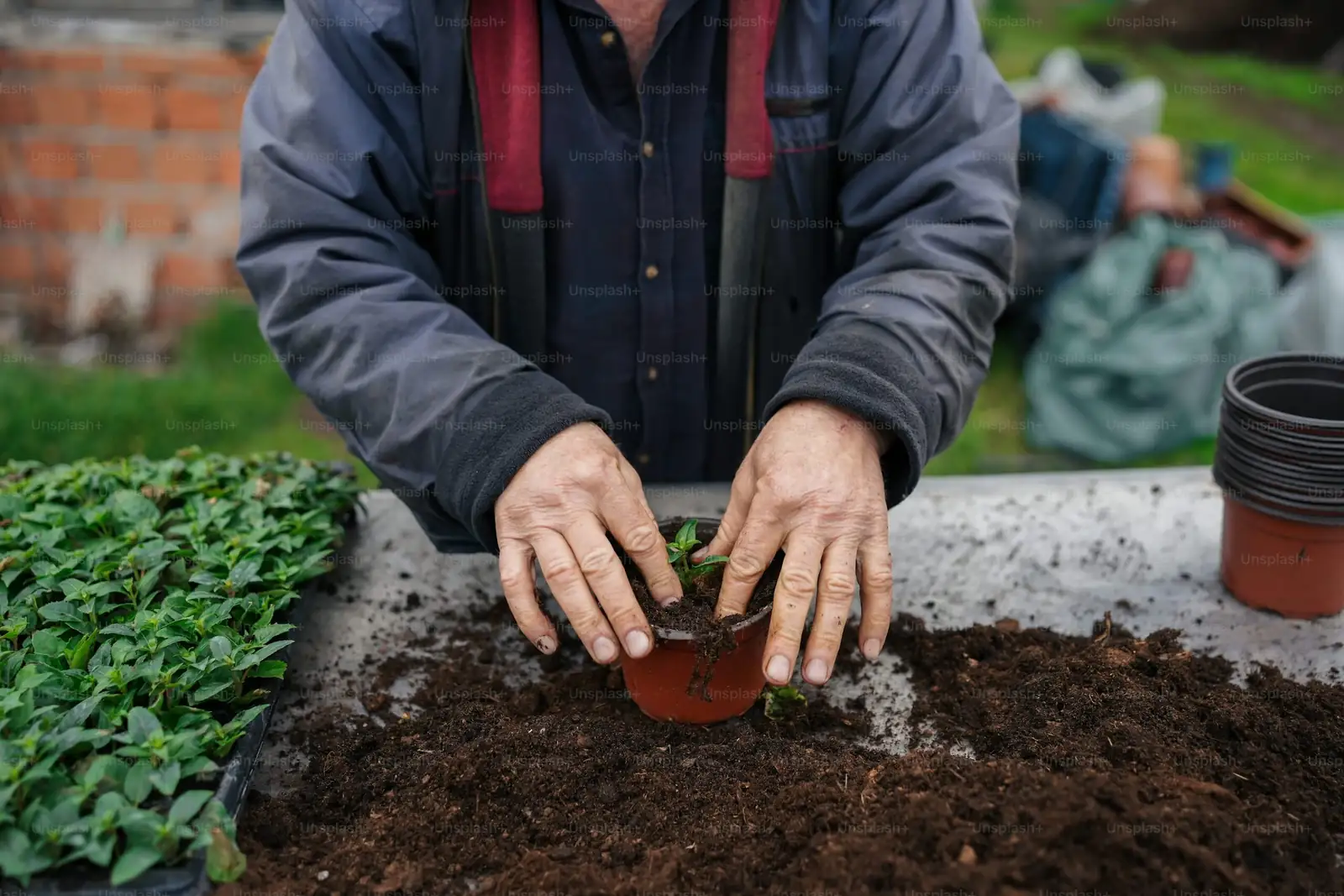
- Feeding: Diluted cactus fertilizer (1/4–1/2 strength) every 4–6 weeks in spring–summer; none in autumn–winter.
- Repotting: Every 2–3 years in spring; move up just one size to keep roots snug and rot risk low.
- Pruning: Trim to shape or remove damage; let cuts dry and callus before replanting.
- Propagation by stem cuttings
1) Take healthy stems in spring or summer.
2) Let cut ends dry several days until callused.
3) Set upright in a dry, gritty mix; do not water yet.
4) Begin very light watering only after roots form.
Pests and protection
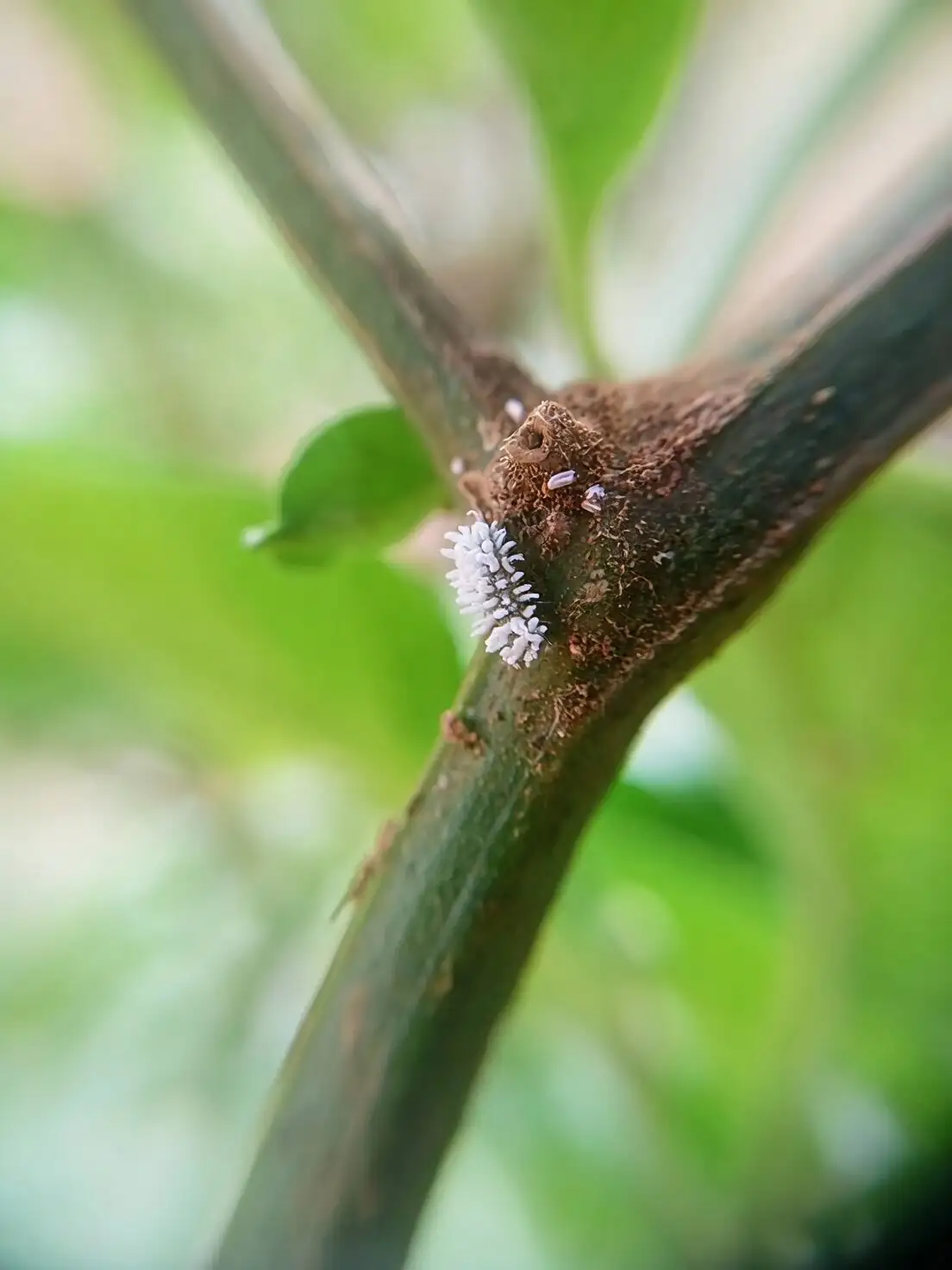
- Common pests: Mealybugs and scale. Inspect ribs and joints; dab early infestations with isopropyl‑alcohol‑soaked cotton swabs or use horticultural soap.
- Biggest threat: Root rot from cold, wet soil. Beat it with an ultra‑well‑drained mix, warmth, and infrequent watering.
- Safety: Euphorbia latex is toxic/irritant. Wear gloves and eye protection; avoid touching your face. Keep away from children and pets.
Flowering notes
- Expect small, easily overlooked cyathia (specialized Euphorbia “flowers”), usually yellowish to greenish, from spring to summer—timing can be variable indoors.
Symbolism and a neat bit of plant lore
- Symbolism: Resilience and protection—its spiny, drought‑tough form looks like a tiny fortress that shrugs off hardship.
- Lore: Euphorbias and true cacti aren’t close relatives, yet many evolved the same cactus‑like shapes in arid places. That convergent evolution is why your “corn cob” Euphorbia can fool even seasoned plant lovers at first glance.
Troubleshooting quick cues
- Stems leaning or elongating: Not enough light—upgrade the sun exposure.
- Ribs shrinking between waterings but firm to the touch: Normal; they’ll plump after the next soak.
- New sun scorch after moving outdoors: Acclimate more slowly next time; increase direct sun in small steps.
With the seasons as your guide—and a light hand on the watering can—Euphorbia mammillaris will stay compact, sculptural, and satisfyingly low‑maintenance all year long.