

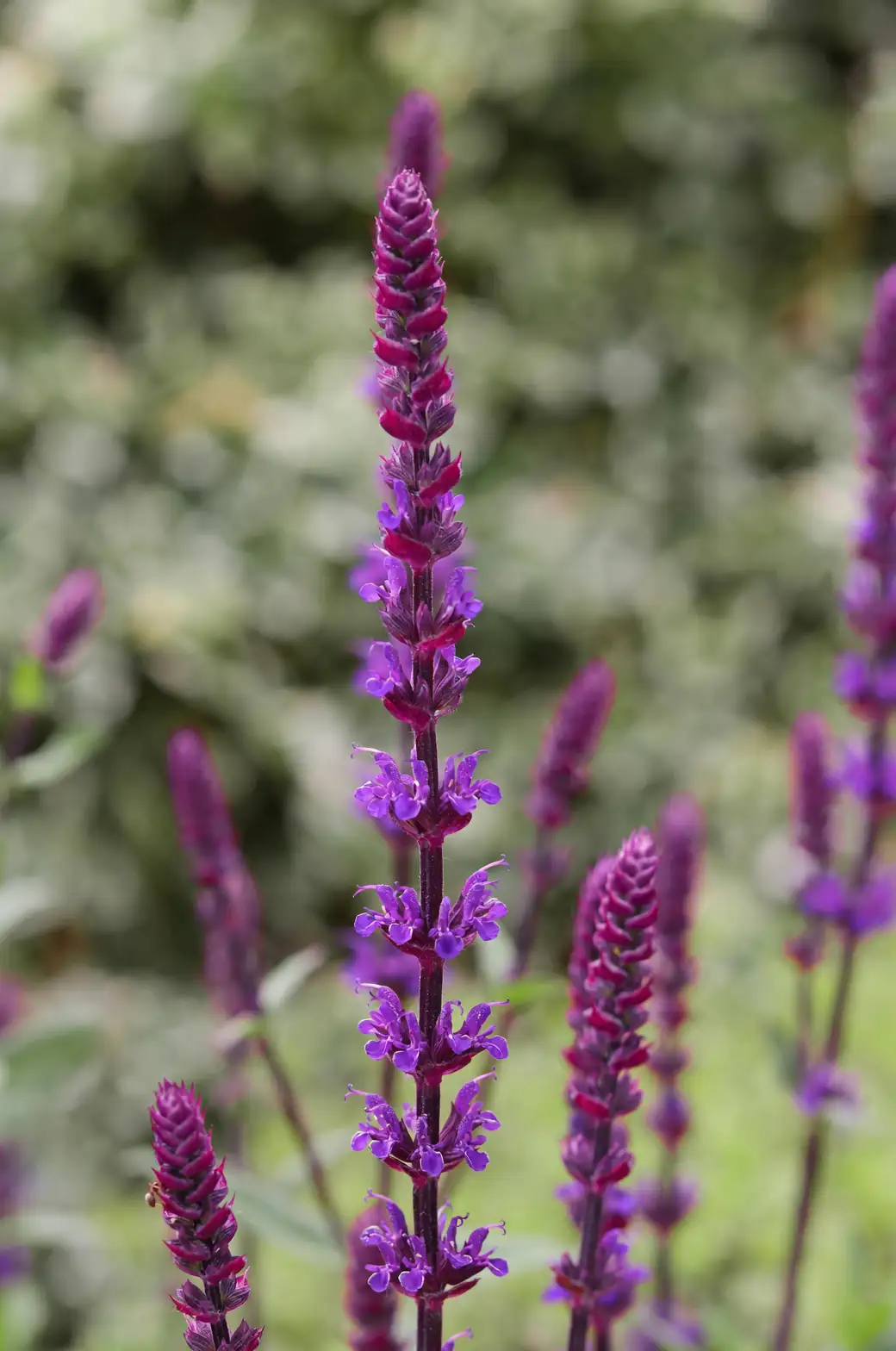
If you love the savory, peppery punch of garden sage but your plant is getting woody, sparse, or you simply want more for free, you’re in the right place. Think of propagation as hitting “copy-paste” on your best Salvia officinalis—creating vigorous, youthful plants that keep your kitchen and borders well supplied. Below is your step-by-step, confidence-boosting masterclass on the three most reliable methods for culinary sage: softwood cuttings, simple layering, and dividing mature clumps. We’ll cover precise timing, the right tools, and the rooting tricks that turn maybes into yeses.
H2: Meet the plant: why sage is such a good propagator
- Botanical profile: Salvia officinalis (common sage) is an evergreen, woody subshrub in the mint family (Lamiaceae). Native to the Mediterranean, it thrives in lean, very free-draining soils, full sun, and good airflow.
- Growth sweet spot: Best growth around 15–22°C (60–70°F); hardy across USDA Zones 4–10 (cultivar and winter wetness may affect survival).
- Why propagate? Sage gets woody and less productive with age. Refreshing plants every few years via cuttings (or other methods) keeps flavor high and shape compact. Seed is possible, but slower and not always true to type for named cultivars—cuttings and divisions clone your favorite exactly.
H2: Your propagation tool kit
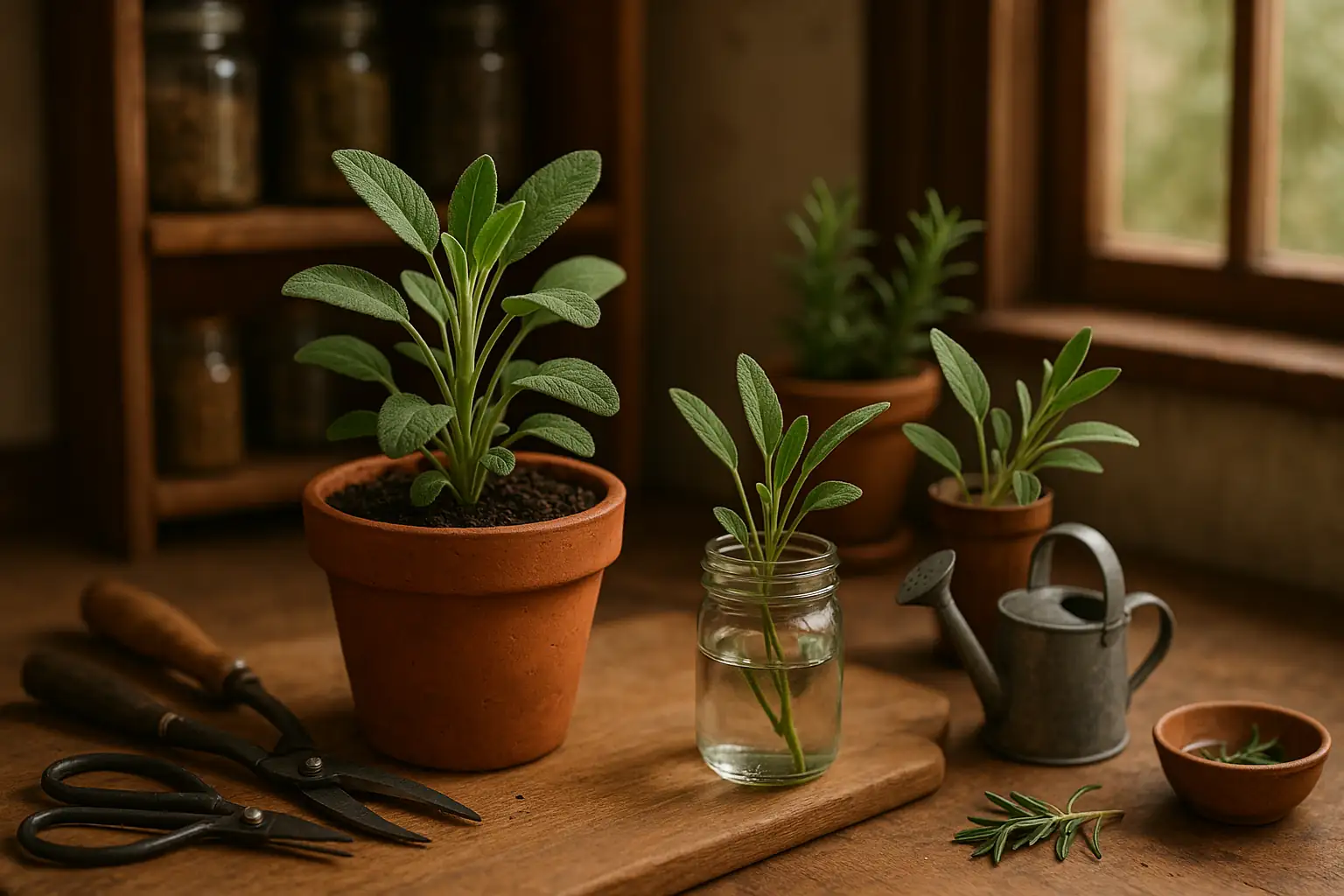
- Clean, sharp snips or pruners
- A fine, sterile knife or razor (for precise cuts/wounding)
- Rubbing alcohol for sterilizing blades
- Small pots or cell trays with generous drainage
- Gritty, peat-free cutting mix: equal parts peat-free compost and perlite or coarse sand (aim for superb drainage)
- Labels and a pencil (you’ll thank yourself later)
- Optional: low-strength rooting hormone, a clear cover (bag or dome) plus vents, and a few pebbles or canes to keep plastic off the foliage
Pro tip: Sage loves air. Humidity helps early rooting, but stagnant air invites powdery mildew. If you use a cover, vent daily and keep the mix just barely moist—never soggy.
H2: Method 1 — Softwood cuttings (fast, reliable, and free)
H3: Best timing
- Late spring to early summer, when plants are flushing with fresh, non-flowering shoots. In many regions: May–June.
H3: What to take
- Choose healthy, upright shoots from the current season’s growth with no flower buds.
- Length: 7–10 cm (3–4 in).
- Pre-hydrate the mother plant the day before for turgid, happy cuttings.
H3: Step-by-step
1) Prepare pots and mix
- Fill small pots/cells with a 50:50 peat-free compost and perlite or coarse sand. Water, then let excess drain.
2) Take the cutting
- Snip just below a node. Remove lower leaves, leaving the top one or two pairs. If the remaining leaves are large, cut them in half to reduce transpiration.
- Optionally, lightly scrape a 1–2 cm (½–¾ in) strip of outer bark on one side near the base to expose cambium (“wounding”). Dip in a low-strength rooting hormone if you wish.
3) Insert and position
- Use a dibber or pencil to make a hole. Insert the cutting so at least one node is below the surface. Firm gently.
- Space cuttings so foliage doesn’t touch (airflow matters).
4) Create the right microclimate
- Bright, indirect light; no harsh midday sun.
- Aim for 18–22°C (65–72°F). Bottom warmth is helpful but not essential.
- If covering, keep plastic off the leaves and vent daily. The surface should dry slightly between light waterings.
H3: Rooting timeline and aftercare
- Rooting typically takes 2–4 weeks.
- Gentle tug test: resistance = roots. When you see new growth, remove any cover.
- Pot on into a free-draining, peat-free herb mix with added grit (up to ~25%). Keep in bright light and begin acclimating to more sun over a week.
- First summer: Water deeply but infrequently; let the top 2–3 cm (about 1 in) dry between waterings. Avoid rich feeds that make plants floppy and less flavorful.
H3: Troubleshooting softwood cuttings
- Wilting: Leaves too large or environment too hot—trim leaves, increase shade/airflow, and check moisture.
- Blackened bases: Too wet; recut above the damage, refresh the mix, and water less.
- Powdery mildew on leaves: Improve airflow, vent covers, and avoid crowding.
H2: Method 2 — Simple layering (nearly foolproof, zero shock)
H3: Best timing
- Spring or autumn, when temperatures are mild and the plant is actively growing or about to resume growth.
H3: Step-by-step
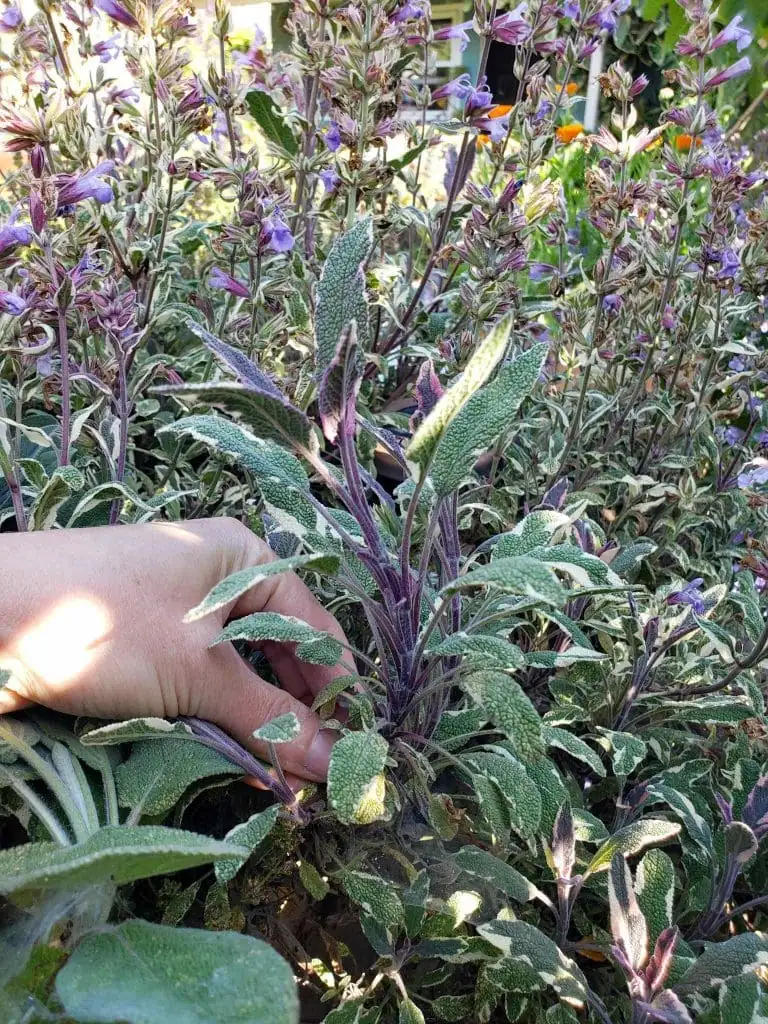
1) Choose a flexible, low stem near the plant’s edge.
2) Lightly wound the underside where it will touch the soil (a shallow scrape).
3) Peg it down: Bury a 3–5 cm (1–2 in) section in a shallow trench filled with gritty compost; secure with a U-shaped wire or a bent paperclip. Keep the leafy tip above ground.
4) Water sparingly: Keep the area just moist, never wet. Good drainage is vital.
5) Rooting: Expect 6–10 weeks in favorable conditions. You’ll feel resistance and often see new growth on the tip.
6) Detach and plant: Cut the new plant free from the mother, lift with a trowel, and transplant to its own spot or pot with sharp drainage.
Why layering shines: The stem stays nourished by the mother plant while it grows roots—perfect if your climate is hot and dry or if you’re nervous about cuttings.
H2: Method 3 — Dividing mature clumps (revive, renew, multiply)
H3: Best timing
- Early to mid-spring as new growth starts, or early autumn in mild climates with dry, open soil.
H3: How to divide culinary sage well
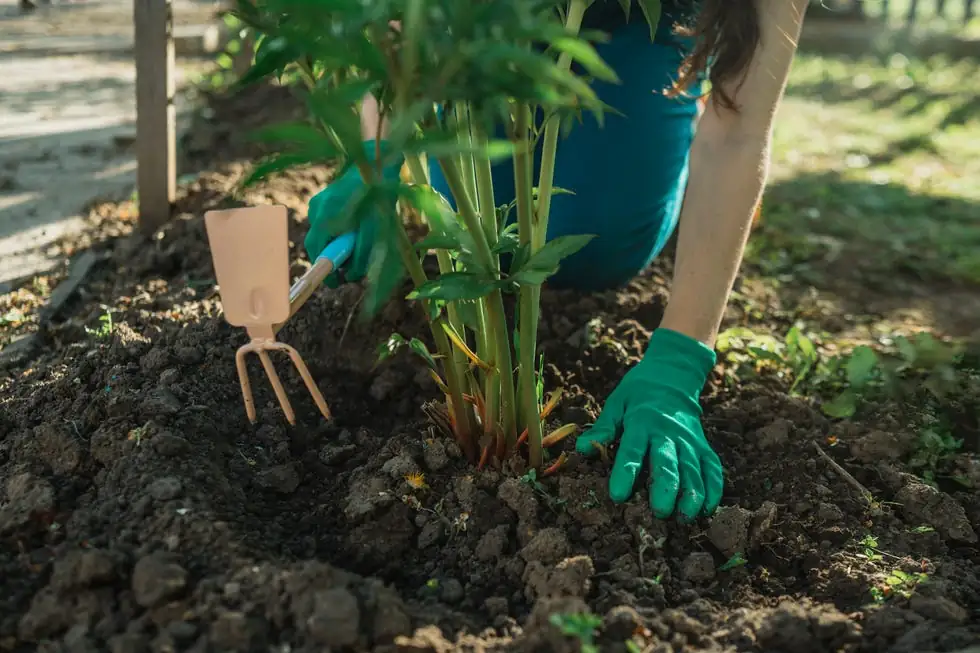
- Examine the clump: Older sage forms a woody center with fresher, leafy shoots around the edges. Target the youthful outer sections; very old, leafless wood is slow to reshoot.
- Lift carefully with a fork in well-drained conditions. If the center is very woody, slice off vigorous side sections with roots attached rather than fighting the whole mass.
- Reduce top growth by a third on divisions to balance root loss.
- Replant promptly in full sun with gritty, free-draining soil (pH ~6.5–7.0). Water in lightly once; then let the soil dry somewhat before the next drink.
- Space plants 30–60 cm (12–24 in) apart. Avoid rich soil or heavy nitrogen—sage stays happier and tastier in lean conditions.
H2: Rooting success secrets (the pro habits)
- Sun and airflow first: Aim for 6+ hours of direct sun for established plants; provide bright, indirect light for cuttings. Air movement deters mildew.
- Drainage is non-negotiable: Mix in perlite or grit liberally. Waterlogged media causes failure.
- Keep it lean: High nitrogen encourages lush, weak growth and fewer flowers. For container-grown mother plants, a very light feed once in late spring/early summer is plenty.
- Don’t cut into old, leafless wood: Culinary sage can sulk or fail to reshoot from ancient stems. Always leave green growth on pruned pieces.
- Replace or refresh: Expect to refresh plants every 6–7 years (or earlier if they get leggy) by taking cuttings or divisions.
H2: A simple seasonal plan
- Spring: Light prune, then take softwood cuttings. Divide clumps if needed. Pot on last year’s layered pieces.
- Summer: Keep new plants in bright, airy spots and water only when the top dries. Trim spent blooms to tidy.
- Autumn: Perfect moment for layering. Reduce watering as temperatures drop; no hard pruning.
- Winter: Protect from winter wet, especially in containers. Water sparingly and keep potted plants in a bright, sheltered place.
H2: Quick Q&A for propagators
- Will seed give me the same plant? Not always. Seedlings can vary; cuttings and divisions clone the parent.
- Do I need rooting hormone? Optional. Sage roots readily in a sharp, airy mix. Use a low-strength product if you like.
- Can I grow new plants indoors first? Yes—use a sunny window (ideally south-facing), free-draining mix, and careful watering. Rotate pots for even growth.
H2: Sage wisdom: the story behind its “language of flowers”
Sage has long symbolized wisdom, longevity, and good health—its very name comes from the Latin salvere, “to heal” or “to save.” Medieval Europeans prized it in medicine and ritual, and it earned a folk reputation as the “herb of the wise.” While modern “flower language” traditions often romanticize meanings, sage’s symbolism is unusually grounded in centuries of practical use for flavor, fragrance, and household remedies. In short, its cultural stature grew not from myth alone but from how indispensable it proved in daily life.
H2: Ready to multiply your sage?
Start with one method you’re excited about—softwood cuttings for speed, layering for near-guaranteed success, or division to rejuvenate an old plant—and keep your media gritty, your light bright, and your watering restrained. In a few short weeks you’ll have fresh, vigorous Salvia officinalis ready to perfume your borders and your kitchen, season after season.


