

Think of Garden Verbena (Verbena × hybrida) as the spark plug of a sunny planting: compact, vivid, and tireless from summer into fall. Get the design right—palette, partners, and spacing—and this cheerful bloom-machine turns containers, window boxes, and beds into color-saturated, pollinator‑friendly showcases that stay clean and mildew‑smart.
Meet the plant
- Habit and size: Clump‑forming and branching, typically 15–30 cm (6–12 in) tall, spreading 30–60 cm (12–24 in). Can trail slightly in baskets.
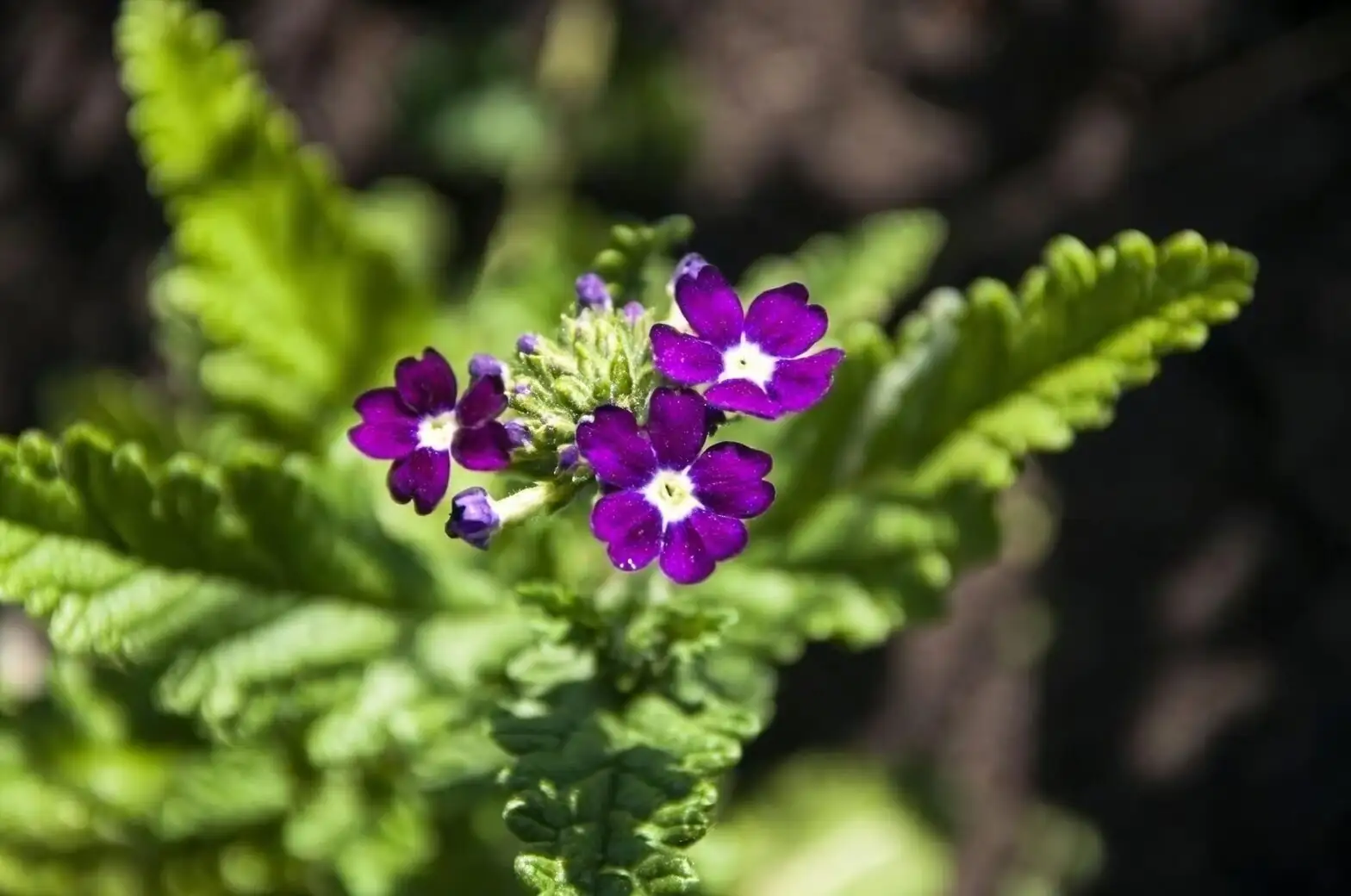
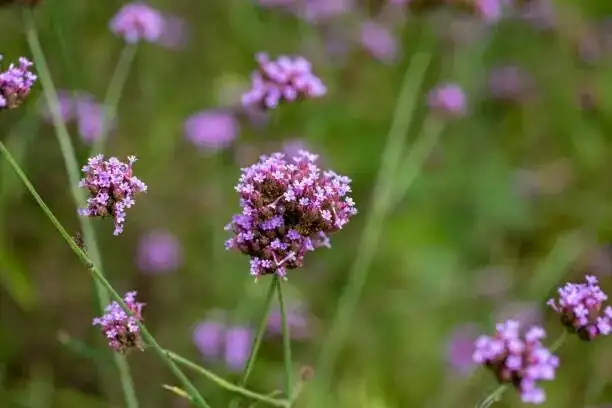
- Look: Rounded pom‑pom clusters of small flowers hovering over dense, deep‑green foliage. Singles, tonals, and bicolors (often with a contrasting “eye”) span white, pink, red, and purple.
- Best setting: Full sun (6+ hours/day) with excellent drainage and open air. Avoid soggy roots and constantly wet leaves to reduce powdery/downy mildew.
The design brief: light, air, rhythm
To keep color popping and foliage clean:
- Sun first: Full sun boosts branching, flower volume, and color saturation—key to preventing legginess.
- Air everywhere: Space plants so leaves dry fast after dew or irrigation, cutting mildew pressure.
- Rhythm over clutter: Fewer, stronger partners that complement color and texture create visual impact without packing foliage too tight.
Palette play for maximum impact
Use these color strategies to build cohesive, high‑energy plantings.
1) Tonal harmony (shades/tints of one hue)
- Lavender to plum verbena + silver foliage (lamb’s ear, Helichrysum) + smoky blue catmint (Nepeta).
- Why it works: Calm, sophisticated gradients; silver foliage reflects heat and light, aiding airflow and durability.
2) Complementary pop (color-wheel opposites)
- Purple verbena + sunshine yellow coreopsis or bidens.
- Cherry‑red verbena + true‑blue salvia or sky‑blue evolvulus.
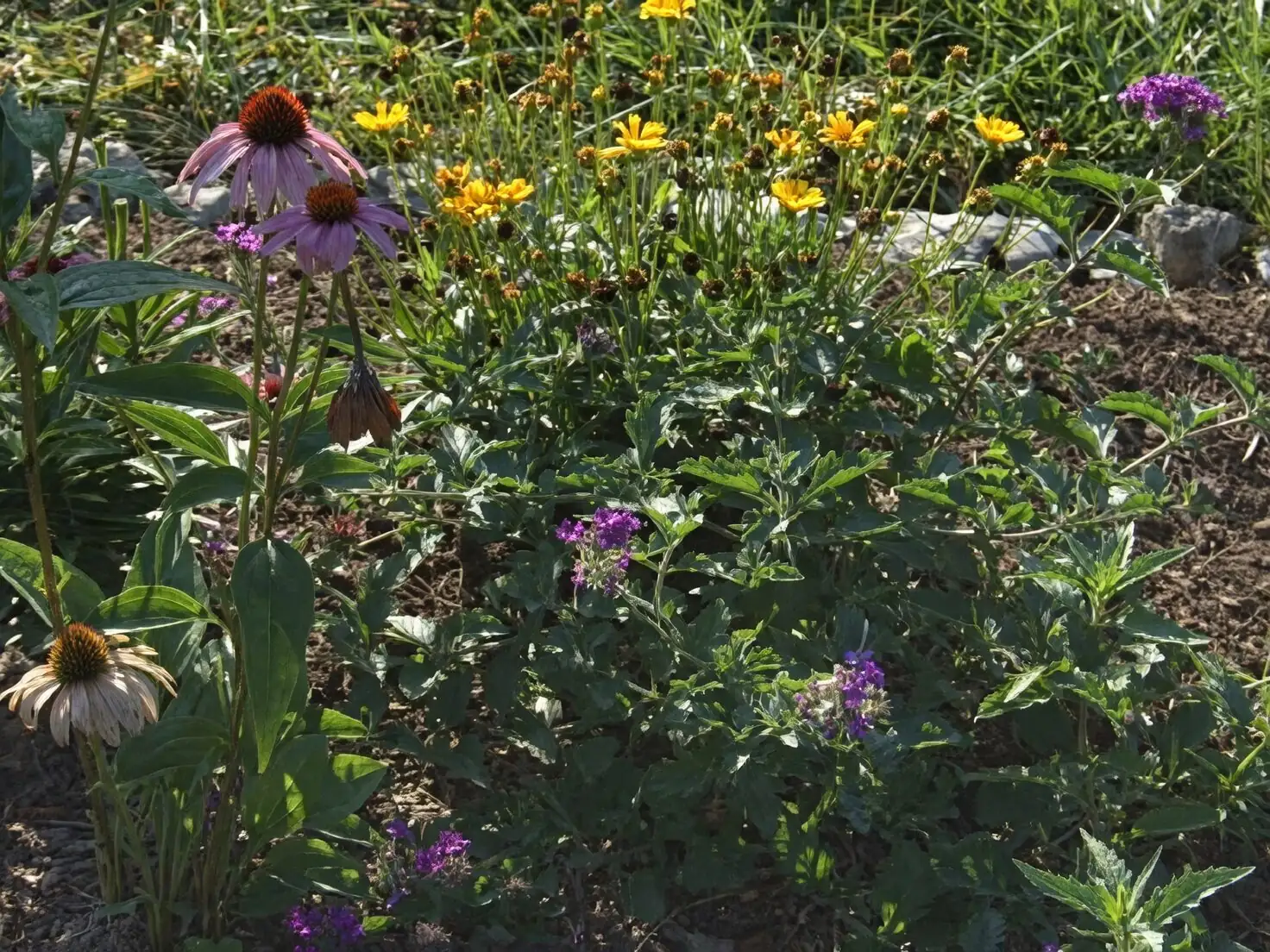
- Why it works: High contrast reads from a distance. Upright spikes (salvia) add vertical punctuation and invite pollinators.
3) Fresh greens and whites (cooling, modern)
- White verbena (or white‑with‑green eye) + soft grasses + lime coleus (sun‑tolerant types) or chartreuse ipomoea.
- Why it works: Clean, architectural look that holds up under intense summer light.
4) Bicolors with an “eye” (built‑in focal points)
- Tip: Echo the “eye” color elsewhere. A magenta‑and‑white verbena with a white eye sings beside white gaura or a white calibrachoa. A red‑with‑pink‑eye pairs crisply with pale pink scaevola.
- Cluster effect: Repeat the same bicolor in drifts/odd numbers so the eye motif reads as intentional design.
Companion plants that breathe—and feed pollinators
Choose sun‑lovers with open habits so air can move through the planting. These pair beautifully with Garden Verbena while supporting bees and butterflies.
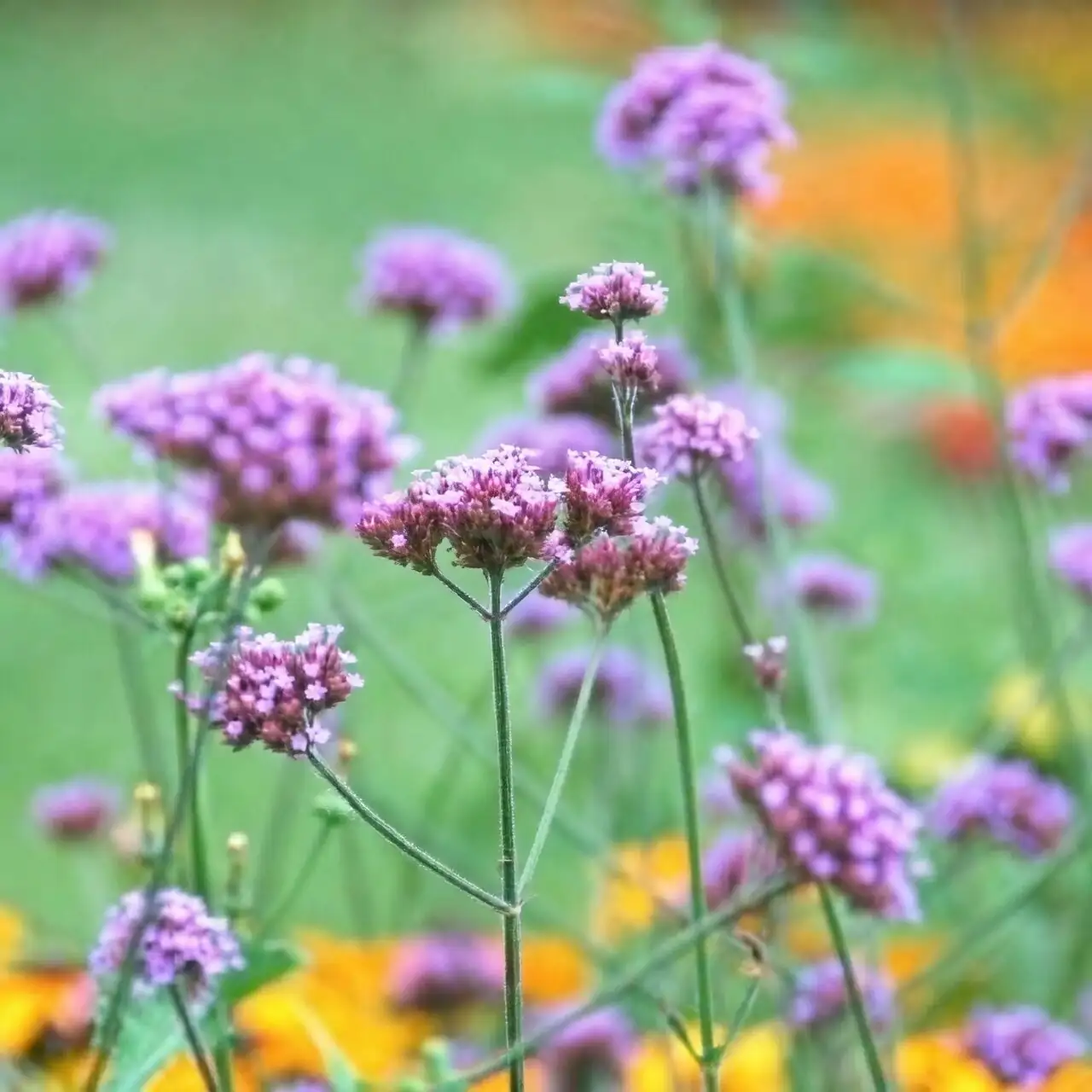
- Upright “thrillers” (structure + pollinator draw): Salvia (annual or perennial spikes), Gaura, Agastache, Scabiosa, Echinacea, ornamental grasses (Pennisetum, Panicum), Verbena bonariensis (tall, airy cousin for beds).
- Mid‑layer “fillers” (color continuity): Coreopsis, African daisy (Osteospermum), lavender, rosemary, thyme, Nepeta.
- Edge “spillers” (soft cascades): Calibrachoa, bacopa (keep airy), trailing lobularia (lightly), scaevola, creeping thyme.
- Heat‑proof annual color: Zinnias (compact series), marigolds, lantana, petunias (space generously).
Design note: Mediterranean herbs (lavender, rosemary, thyme) offer scented foliage, drought tolerance, and naturally open forms that keep humidity down around verbena leaves.
Spacing and layout to reduce mildew
- In beds: Space Garden Verbena 30–45 cm (12–18 in) apart, depending on cultivar vigor. Aim for leaf‑to‑leaf gaps and sun reaching the soil surface.
- In mixed borders: Stagger in a zigzag to improve air channels; avoid solid hedges directly windward.
- In pots:
- Use fast‑draining mix; keep plants near the container rim, not crammed center‑mass.
- Right‑size density: For small accent pots 12–15 cm (4.7–5.9 in) in diameter, plant about 3 seedlings for a full look. For 20–25 cm (7.9–9.8 in) hanging baskets, about 5 seedlings per basket. Scale up thoughtfully in larger planters, keeping each verbena’s mature spread in mind and allowing airflow between neighbors.
- Elevate containers on pot feet so bases dry quickly; never let pots sit in water.
- Watering method: Water soil, not foliage. Avoid late‑day overhead watering.
Container recipes that breathe
Each recipe balances color drama with airflow, using distinct forms (thriller/filler/spiller).
Sunset Spark
- Purple verbena + golden bidens + blue annual salvia + dwarf fountain grass.
- Look: Electric complementary contrast with upright spikes and fine grass texture for movement.
Cool Breeze
- White‑with‑eye verbena + silver Helichrysum + lavender + trailing scaevola (white).
- Look: Bright and cooling; scented herbs keep the canopy airy.
Berry Tonal Basket
- Deep magenta verbena + pink calibrachoa + white gaura (light, airy wands).
- Look: Harmonized pinks punctuated by dancing gaura; great for hangers.
Hot‑Dry Minimalist
- Red verbena mass + low mounds of thyme + vertical spikes of Agastache (apricot).
- Look: Striking color blocks; superb bee appeal; sparse foliage keeps airflow high.
Bed blueprints for mildew‑smart massing
- Ribbon drift: Plant verbena in 3‑ to 5‑plant arcs 30–45 cm apart, weaving around upright salvia clumps. Repeat the arc every 1.5–2 m to create rhythm.
- Checkerboard mix: Alternate verbena with coreopsis in a 40 cm grid; infill with airy grasses at the intersections.
- Edge‑and‑echo: Verbena along the sunny front edge, with taller Gaura/Agastache 30–45 cm behind to lift the eye and keep the front edge well‑ventilated.
Keeping the display crisp all season
- Sunlight: Full sun is non‑negotiable for flower power and compact growth.
- Watering:
- Spring: about twice weekly; keep evenly moist, never waterlogged.
- Summer peak: water deeply when the surface dries; drain fully. In heat >30°C (86°F), plants may pause bloom—keep moisture steady (no drought–flood swings).
- Fall: slightly moist to extend flowering.
- Winter indoors (if overwintering): brightest light; keep mix lightly moist.
- Feeding: Every ~2 weeks during seedling growth and main bloom with a balanced fertilizer (e.g., 20‑20‑20) at label strength. Avoid heavy nitrogen that promotes leafy, weak growth.
- Grooming:
- Deadhead spent clusters to trigger continuous new waves.
- Pinch tips on weaker‑branching types at 10–12 cm tall to bulk up.
- Shear by 1/3–1/2 if plants get leggy or crowded; fresh growth and bloom follow quickly. Use healthy trimmings as cuttings.
- Air and hygiene: Keep foliage dry, prune nearby plants that encroach, and remove any mildew‑spotted leaves promptly.
Buying and planting notes
- Choose stocky, well‑branched plants with deep green foliage and buds just opening. Compact plants under ~20 cm (8 in) establish fastest and stay tidier; bicolors or eye‑types are extra showy.
- Soil: Loose, fertile, and sharply drained. Amend potting soil with perlite/sand for containers.
- Temperature and hardiness: Best growth ~5–25°C (41–77°F), ideal near 16°C (61°F). Often grown as an annual; protect from hard frost (approx. USDA 9–11, cultivar‑dependent). In very hot spells, flowering can slow.
Quick propagation for designers who like extras
- Cuttings: Root soft, non‑woody shoots in vermiculite or water; pot up after rooting.
- Seed: Sow in spring or fall at 20–22°C (68–72°F). Barely cover with vermiculite. Germinates in ~14–20 days; transplant at ~30 days. For fall sowings, pot on at 7–8 cm tall.
Common problems, fast fixes
- Powdery or downy mildew: Improve airflow, avoid late overhead watering, remove infected parts.
- Aphids/whiteflies: Treat with insecticidal soap or a labeled pyrethrin/pyrethroid per directions.
- Leggy, washed‑out blooms: Move to full sun, stop keeping soil constantly wet, and pinch/trim to re‑branch.
Seasonal calendar snapshot
- Spring: Increase light; water ~2× weekly; begin feeding; pinch to shape.
- Summer: Full sun; water when the surface dries; deadhead often; shear lightly mid‑season if needed.
- Fall: Keep slightly moist; enjoy late color; move/cover before hard frost.
- Winter (if kept): Brightest light; cool room 12–16°C (54–61°F) is ideal for earlier spring flowering.
Symbolism: the quiet “togetherness” in your design
Garden Verbena is often linked with unity and harmony in Western floral symbolism—fitting for a plant that excels at weaving disparate colors and textures into one cohesive picture. Use it to visually “stitch” a scheme together: repeat the same verbena hue (or the bicolor’s eye) across containers and beds to signal connection and calm, even in high‑energy palettes.
Safety note
No confirmed toxicity details are available. As with any ornamental, discourage pets and children from chewing; if ingestion or irritation occurs, contact a professional.
Design bottom line: Give Verbena × hybrida sun, drainage, and breathing room. Then lean into palettes—tonals for elegance, complements for punch, and bicolors with an eye for sparkle—paired with airy, pollinator‑magnet companions. The result is a long‑running, high‑impact show that looks deliberate, feels fresh, and stays remarkably low‑maintenance.