

If you’ve ever craved a spark of sunshine in the bleakest weeks of winter, meet Cornus officinalis—better known to many gardeners as Japanese cornel or Asiatic dogwood. This dignified, deciduous shrub-to-small-tree opens tight pom-poms of tiny, bright yellow flowers before almost anything else has stirred. It’s a plant of four deliberate acts: luminous late-winter bloom, a calm summer canopy, embers of fall color with glossy red fruits, and handsome, exfoliating bark for winter texture. And it has a conservation story that home gardeners can help write.
Meet Cornus officinalis (Japanese Cornel)
- Botanical name: Cornus officinalis Siebold & Zucc. (family Cornaceae)
- Common names: Japanese Cornel, Asiatic Dogwood, Chinese Cornelian Dogwood, Japanese Cornelian Cherry; in Chinese, 山茱萸 (shānzhūyú)
- Origin and habitat: Native to north-central and southeastern China; long introduced and widely cultivated in Japan and Korea. In the wild, it favors forests, forest margins, and mountain slopes, often around 400–1500 m in elevation.
What it looks like
- Habit and size: Typically 4.5–8 m (15–26 ft) tall and 3–4.5 m (10–15 ft) wide; often multi-stemmed with an open, rounded crown.
- Flowers: Late winter to early spring (February–April), before leaf-out. Each rounded, 2.5 cm (1 in) cluster holds dozens of minute, four-petaled, bright yellow flowers (each about 3 mm)—together creating a “gold mist” on bare wood for up to 30 days.
- Leaves: Opposite, oval to elliptical, 5.5–12 cm (2.5–5 in) long, dark green above, paler beneath with distinct veins (sometimes with tiny reddish-brown hair tufts along the undersides).
- Fruit and fall color: Shiny, olive-shaped red drupes ripen after the growing season. Foliage blazes in yellows, oranges, reds, and purples.
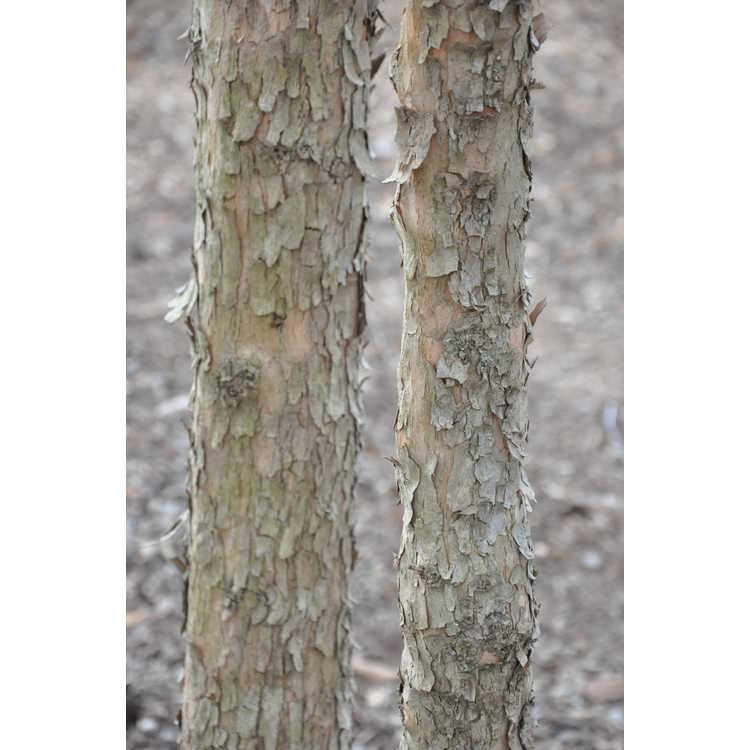
- Bark: Gray-brown plates exfoliate on mature stems, lending depth and pattern in winter.
Note on the name: Despite the “Japanese” moniker, the species is native to China—its cross-border horticultural history explains the mixed common names.
A species to celebrate—and to steward
Cornus officinalis has been reported as Near Threatened (NT) on the IUCN Red List. Near Threatened means a species is close to qualifying for a threatened category or may qualify in the near future if pressures continue. For gardeners, this is an invitation to grow it thoughtfully: your landscape can function as a living archive that supports awareness, responsible use, and ex situ conservation.
How home gardens can help
- Grow the straight species from reputable, nursery-propagated stock to keep genetic options open.
- Plant more than one individual—and, if possible, from different, documented sources—to encourage cross-pollination and genetic mixing.
- Share your plant’s provenance when exchanging scion wood or seed, and label your plantings. Awareness spreads through stories and names.
Ethical sourcing: where conservation begins
- Choose nursery-grown plants (seed-, cutting-, or graft-propagated). Avoid any “wild-dug” offers.
- Ask for provenance and propagation method; reputable specialty nurseries are often your best bet (this species can be uncommon in the general trade).
- If you use the fruit, favor home-grown or farmed sources rather than wild-harvested material.
- For seed, prioritize legally obtained, ethically collected, and well-documented lots—diversity matters.
Site it like a pro

- Sunlight: Full sun to light shade; full sun boosts bloom and fruit, but in hotter regions, a touch of afternoon shade reduces stress.
- Soil: Fertile, well-drained loam or sandy loam; evenly moist but never waterlogged. Aim for slightly acidic to neutral conditions (pH roughly 6.5–7.5).
- Water: Keep evenly moist while establishing. Later, water deeply during dry spells; a simple rule is to irrigate when the top ~2.5 cm (1 in) of soil is dry.
- Climate: USDA Zone 5–8. Best around 15–24°C (60–75°F); tolerates brief dips to about -18°C (0°F). Like many temperate dogwoods, it benefits from winter chill (about 3–7°C / 37–45°F for 60–75 days) to set abundant buds.
- Placement: Woodland edges, mixed borders, hedges, or as a specimen near paths and windows so you’ll notice the earliest flowers and winter bark.
Care that’s simple and sustainable
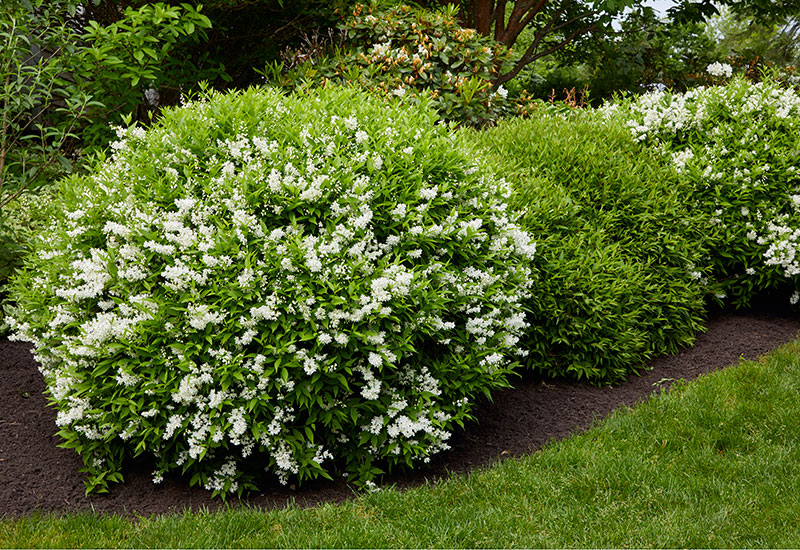
- Planting and mulch: Set at grade in well-drained soil; mulch 5–8 cm (2–3 in) deep, keeping it off the trunk, to cool roots and conserve moisture.
- Feeding: Light, balanced feeding in spring is usually plenty; over-fertilizing pushes soft, less resilient growth.
- Pruning: Right after flowering. Remove dead, diseased, or crossing wood; then lightly shape. Avoid hard cuts unless you’re renovating an overgrown clump.
- Health: Generally trouble-free. Possible issues include dogwood borers, scale insects, and occasional leaf spots. Good airflow, clean cuts, steady—not soggy—moisture, and prompt sucker removal keep it tidy and vigorous.
- Safety: Not known to be toxic to people or pets. Fruits are edible but tart; identify confidently and try small amounts first.
Propagation with conservation in mind
- Seed (best for genetic diversity):
- Seeds often have complex dormancy; many growers use a warm-plus-cold stratification regime. Soaking for about 24 hours before sowing can help.
- Sow in a free-draining medium, keep evenly moist, and be patient—germination may take months.
- Tip: Grow seedlings on for a few years to reveal individual variation in fall color, fruiting, and habit.
- Cuttings: Softwood or semi-ripe cuttings (10–15 cm / 4–6 in) in late spring/early summer root well with hormone and high humidity. Useful, but remember clones do not add genetic variety.
- Layering: A slow, beginner-friendly way to produce a few new plants without stressing the parent.
Blending methods—keeping at least some seed-grown plants in the mix—is a simple way to promote diversity at garden scale.
Wildlife value
- Early-season forage: The late-winter bloom offers nectar and pollen when few other woody plants are flowering—welcome support for awakening pollinators.
- Shelter and fruit: Branching provides cover; the glossy red fruits are taken by birds, adding to your garden’s seasonal rhythm.
Edible and cultural notes
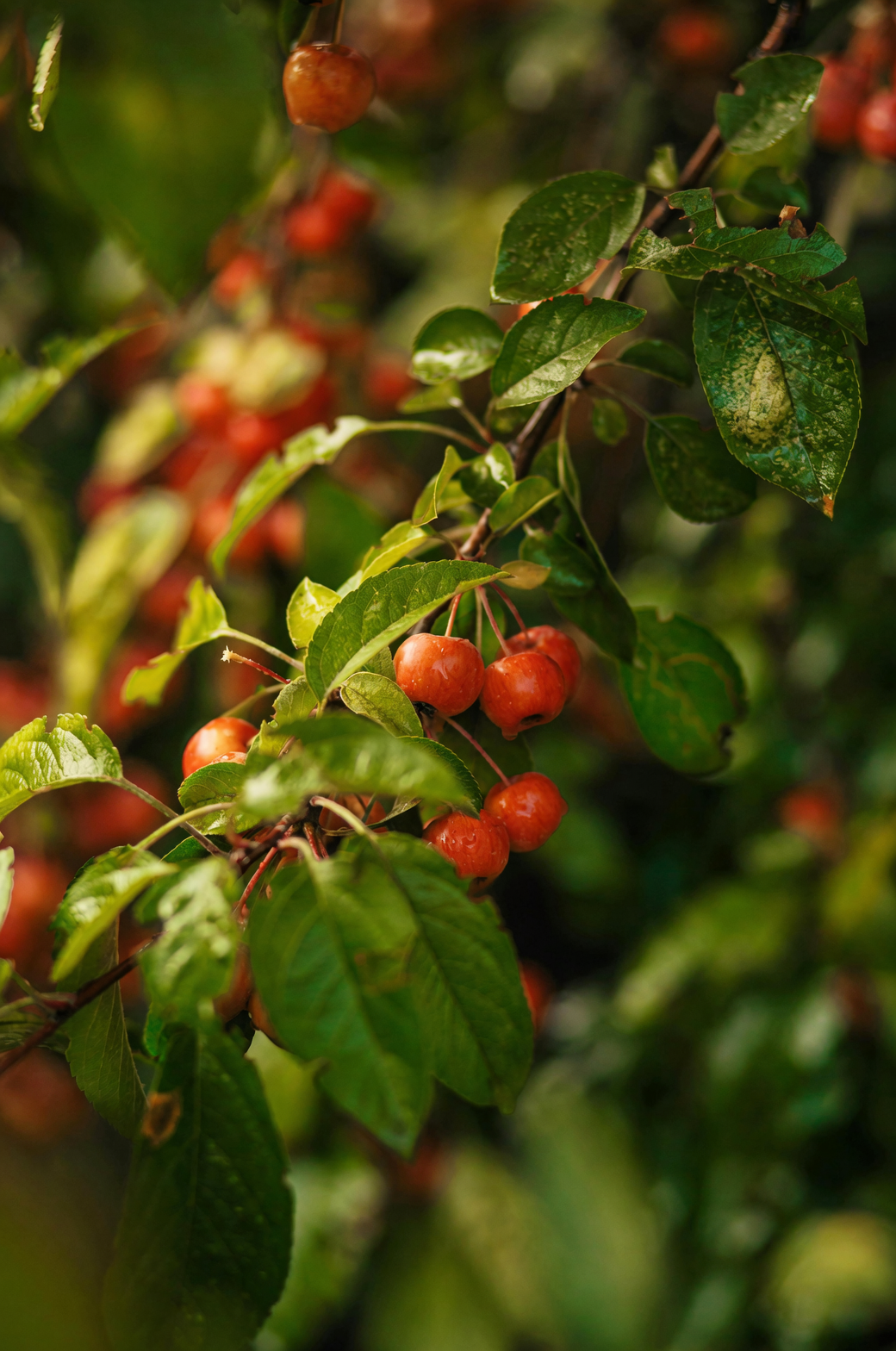
- Fruit in the kitchen: The olive-shaped red drupes are notably tart fresh but shine in jams, preserves, syrups, and beverages.
- A long medicinal history: The species epithet “officinalis” signals traditional use; in East Asia, the fruit of 山茱萸 has been valued for well over two millennia.
- Symbolism and “flower language” (花语):
- Common themes include longevity, vitality, health, and prosperity—apt for a plant that braves cold to flower early and closes the year with luminous bark.
- Modern “flower language” often back-fills meanings based on cultural stories, seasonal timing, and traditional uses; treat it as poetic interpretation rather than botany. Here, resilience and renewal are the heart of the message.
Cornus officinalis vs. Cornus mas (Cornelian cherry)
They’re close cousins and can look similar from a distance.
- Bloom timing: C. officinalis often opens a touch earlier.
- Bark: Officinalis typically develops more conspicuously exfoliating bark on mature stems.
- Fruit timing: Officinalis tends to ripen fruit later.
Either species offers luminous late-winter bloom; choose both if you have room—their staggered seasons extend the show and support pollinators longer.
A gardener’s seasonal calendar
- Spring: Enjoy the gold haze; prune right after bloom; maintain even moisture as growth resumes.
- Summer: Deep water during dry spells; maintain mulch; monitor for scale or borers.
- Fall: Revel in foliage fireworks; harvest ripe red fruits if you like.
- Winter: Minimal care; admire the patterned bark. Protect young plants in the harshest cold and avoid exposure to de-icing salt.
Quick specs at a glance
- Size: 4.5–8 m tall; 3–4.5 m wide
- Habit: Multi-stem shrub or small tree
- Hardiness: USDA Zone 5–8
- Light: Sun to part shade (afternoon shade in hot climates)
- Soil: Moist, well-drained; pH ~6.5–7.5
- Bloom: Late winter to early spring, before leaves
- Fruit: Glossy red drupes; tart, edible
An ethical sourcing checklist
- Buy nursery-propagated plants; avoid wild-dug material.
- Favor seed-grown lots to promote diversity; plant more than one, from different sources if possible.
- Keep labels and provenance notes; share them when gifting scion or seed.
- If purchasing fruit or preparations, prefer cultivated, responsibly produced sources.
Plant Cornus officinalis to brighten your coldest months—and let it stand as a quiet ambassador for conservation. In a single, four-season shrub, you’ll host pollinators, feed birds, celebrate cultural history, and help keep a beautiful lineage alive and well in our shared landscapes.