
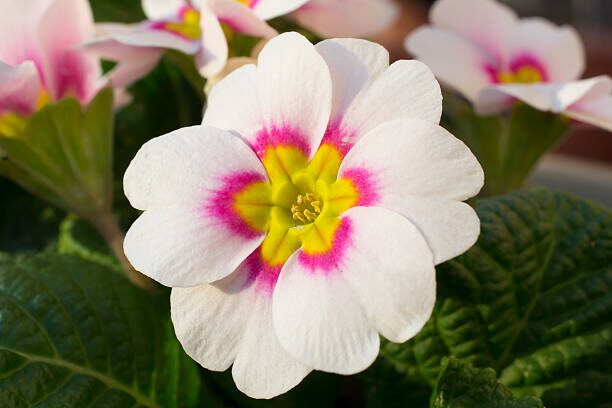
Think of Polyanthus primrose (Primula × polyantha) as a cool-breeze lover in a wool sweater: it thrives in bright light, crisp air, and evenly moist—but never soggy—soil. When air turns stagnant or leaves stay wet, opportunists move in: leaf spot, gray mold (Botrytis), anthracnose, plus sap-suckers like aphids and spider mites. Welcome to the troubleshooting clinic—where we read symptoms fast, act gently, and prevent the next flare-up with smart culture: excellent ventilation and no overhead watering.
Before we dive in: the baseline that keeps problems away
- Light and temperature: bright light with gentle sun; keep it cool at about 13–18°C (55–64°F). Protect from cold injury below ~5°C (41°F) and keep far from heaters. Heat and stuffy air are the enemy.
- Watering style: keep the mix evenly moist, never bone-dry or waterlogged. Water at the soil line or from below; keep water off leaves and the crown.
- Potting mix and potting depth: fertile, free-draining mix with perlite/sand. Set the crown at or slightly above the soil surface.
- Airflow: ventilate. A small fan on low near (not at) the plant prevents the “cool-and-wet” stagnation that fuels fungi.
- Cleanliness: deadhead promptly; remove yellowing or fallen leaves; sanitize shears; quarantine new plants for 10–14 days.
Clinic case file 1: Leaf spot (often Ramularia on Primula)
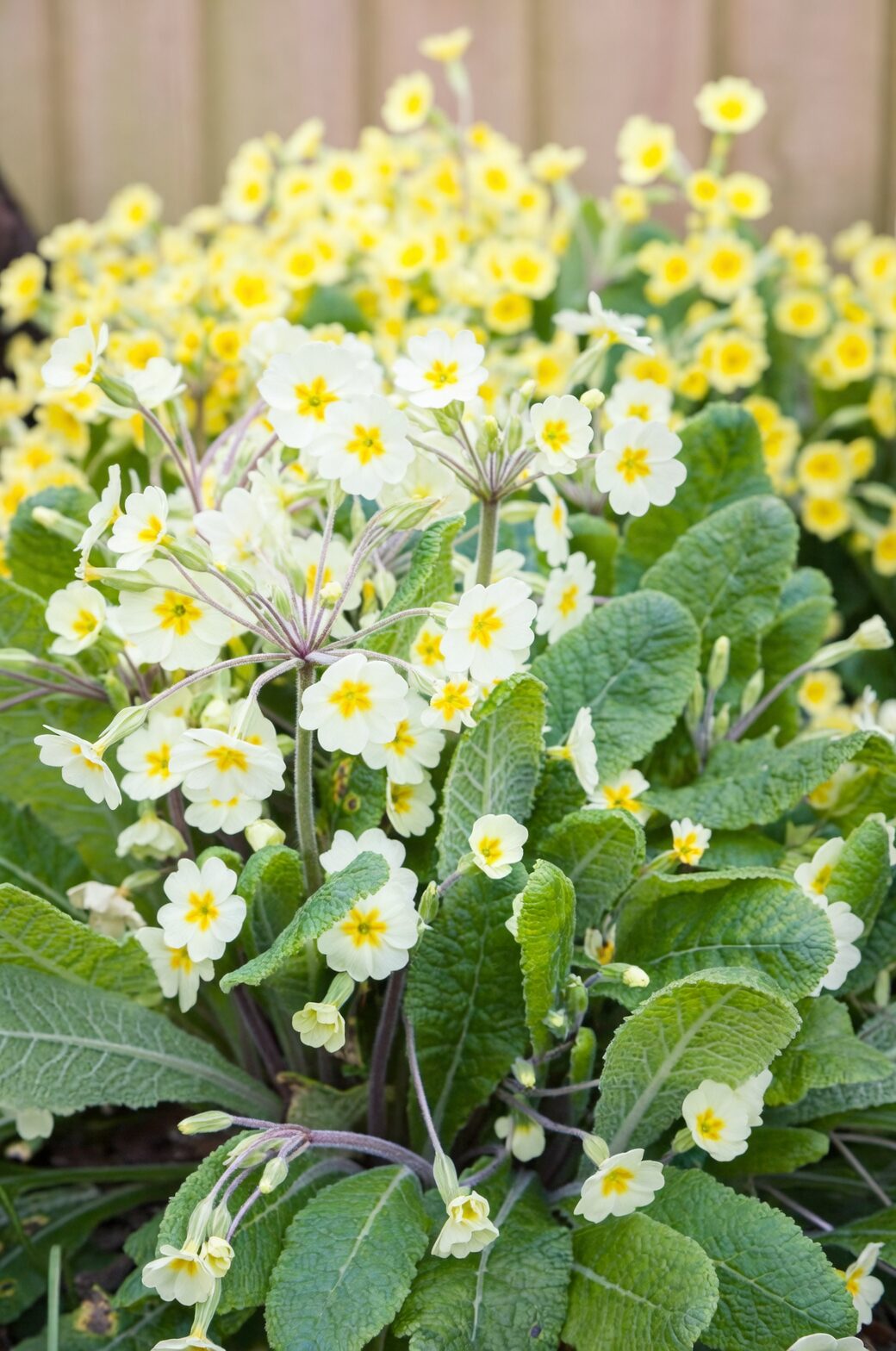
How it starts
- Splashed water on leaves + poor airflow.
What you’ll see
- Small tan to brown spots, sometimes with yellow halos; they expand and coalesce on older leaves first.
What to do today
- Remove and bin affected leaves (don’t compost).
- Improve airflow; stop overhead watering; water early day at the soil line.
- Check adjacent plants and give more space.
Gentle, targeted treatments
- If spots keep spreading, consider a labeled ornamental fungicide as a last resort, applied exactly per local directions. Focus sprays on lower/inner foliage where splash happens most.
Prevention you’ll feel working
- Keep foliage dry, especially in cool seasons.
- Feed moderately; avoid lush, sappy growth that invites disease.
Clinic case file 2: Gray mold (Botrytis)
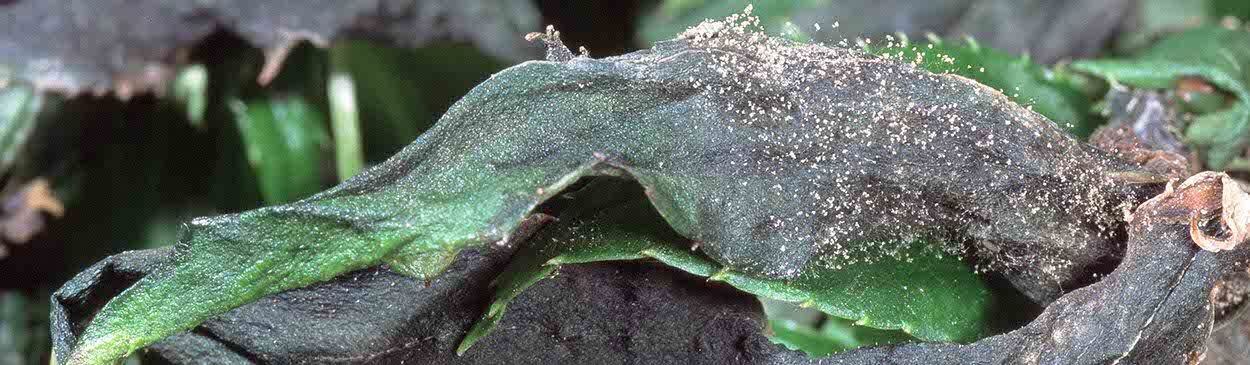
How it starts
- Cool + damp + spent blooms left in place.
What you’ll see
- Fuzzy gray mold on petals, buds, and leaf edges; water-soaked flecks that turn tan; petals collapse quickly.
What to do today
- Deadhead all spent blooms and remove any mushy tissue.
- Increase ventilation immediately; spread plants out.
- Let the top of the mix dry slightly between waterings (never to bone-dry), and always keep the crown dry.
Gentle, targeted treatments
- If weather/room stays damp and mold persists, a labeled fungicide may be used sparingly and only as directed. Cultural fixes are your main tool here.
Prevention you’ll feel working
- “Clean crown” rule: no faded petals parked on leaves.
- Morning watering, bright light, and steady, moving air.
Clinic case file 3: Anthracnose
How it starts
- Cool, wet foliage for prolonged periods, plus splash.
What you’ll see
- Tan to dark lesions with defined margins on leaves and sometimes stems; spots may follow veins; leaves can yellow and drop.
What to do today
- Prune out affected tissue back to healthy green; bag and discard.
- Switch to soil-line watering; boost airflow and brightness without heat.
Gentle, targeted treatments
- Persisting outbreaks may warrant a labeled fungicide; apply carefully and rotate cultural practices first.
Prevention you’ll feel working
- Keep the rosette dry; avoid crowding; sanitize tools between plants.
Clinic case file 4: Aphids
How it starts
- Fresh, tender growth and flower stems are magnets—especially indoors.
What you’ll see
- Clusters of soft-bodied insects; curled or sticky leaves; honeydew and sometimes sooty mold on foliage.
What to do today
- Rinse the plant gently but thoroughly, focusing on undersides of leaves and flower stalks.
- Pinch off heavily infested soft tips if needed.
Gentle, targeted treatments
- Follow with insecticidal soap or horticultural oil, covering all leaf surfaces, especially undersides. Test on one leaf first; apply in cool conditions; repeat in 5–7 days if needed.
- Encourage beneficials outdoors (lady beetles, lacewings); indoors, maintain good airflow and avoid overfertilizing.
Prevention you’ll feel working
- Inspect weekly; isolate new purchases; keep growth balanced with regular, not excessive, feeding.
Clinic case file 5: Spider mites (twospotted mite)
How it starts
- Warm, dry, stagnant air—often near heaters or sunny windows with no humidity.
What you’ll see
- Fine stippling that turns leaves dull and gray-green; delicate webbing in the crown or between leaves; leaves feel dusty.
What to do today
- Shower the plant gently, flushing undersides of leaves.
- Increase local humidity (mist the air around the plant or use a pebble tray) while keeping water off the crown and foliage as much as possible; improve airflow and move away from heat.
Gentle, targeted treatments
- Horticultural oil or insecticidal soap can suppress light infestations; repeat applications are often necessary.
- If mites persist, a targeted, labeled miticide may be needed; use only as directed and reserve as a last step.
Prevention you’ll feel working
- Cool temps, moderate humidity, and moving air—exactly what Primula loves.
- Regular leaf rinses during dry spells.
Rapid symptom decoder
- Tiny brown/tan specks that spread by splash = leaf spot.
- Fuzzy gray growth on petals and leaf edges = Botrytis.
- Defined tan/dark lesions that may follow veins = anthracnose.
- Sticky leaves, curling tips, visible soft-bodied insects = aphids.
- Silvery stippling + fine webbing in dry rooms = spider mites.
Five habits that stop problems before they start
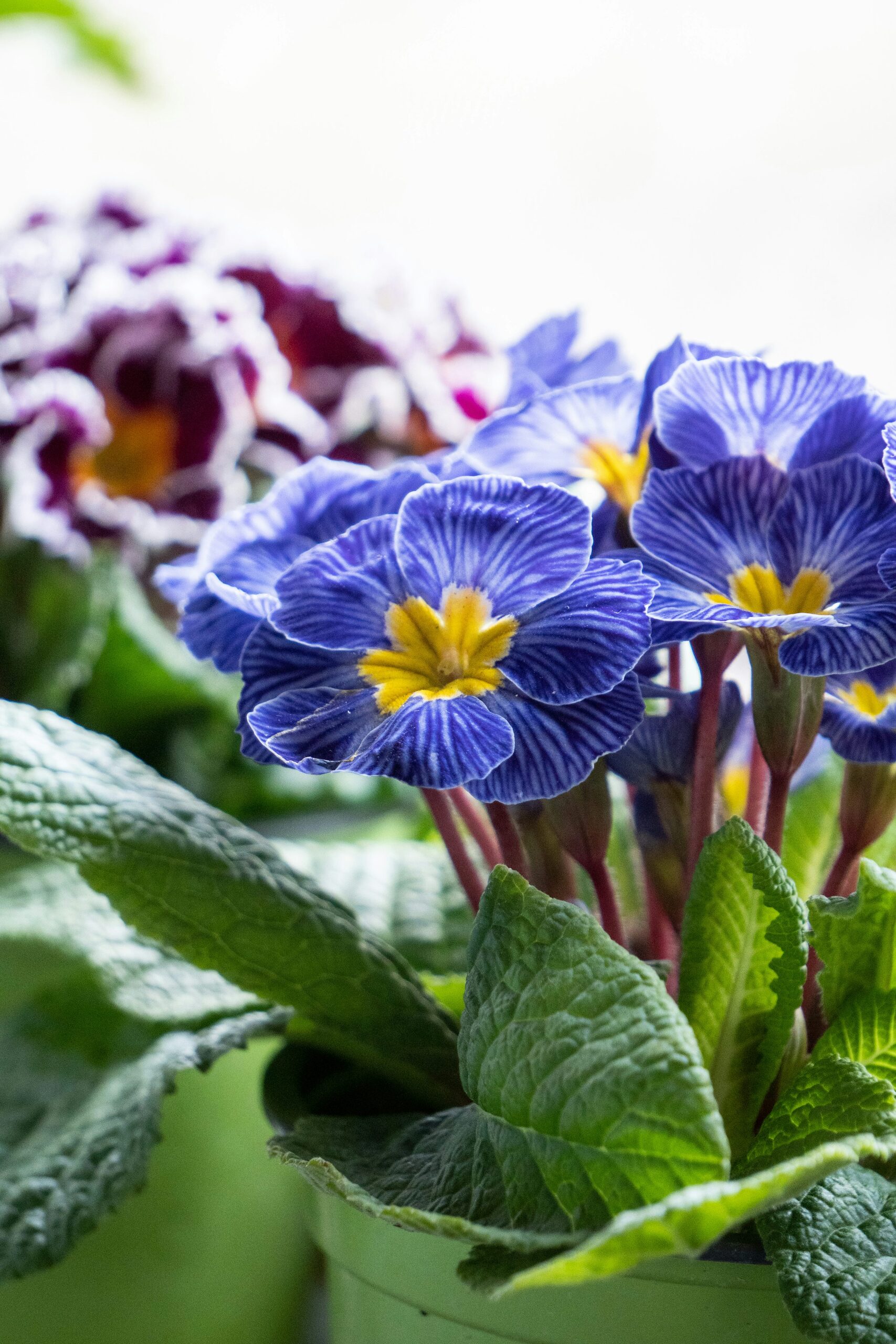
- Ventilate daily: a small oscillating fan on low nearby keeps the rosette dry and discourages fungi.
- Water wisely: aim for the soil, not the leaves; bottom-water when possible; drain thoroughly.
- Stay cool: 13–18°C (55–64°F) is sweet; avoid hot, stuffy rooms and protect from cold injury below ~5°C (41°F).
- Clean as you go: deadhead and remove yellowed leaves promptly; never let petals sit on the crown.
- Space and inspect: give each plant breathing room; check leaf undersides weekly with a quick glance and act early.
When to consider a fungicide or miticide
- After you’ve improved airflow, switched to no-splash watering, and removed affected tissue—and the issue still advances.
- Choose products labeled for ornamental Primula, follow directions exactly, and avoid spraying in heat or full sun.
- Always spot-test a small area first. Primulas can be sensitive, and some people are too—wear gloves, as Primula sap can irritate skin.
A quick word on culture that supercharges bloom and resilience
- Light: bright with gentle morning sun (east or bright south exposure), avoiding harsh midday rays as temperatures rise.
- Moisture: steady and even; a fertile, airy, well-drained mix keeps roots happy and crowns dry.
- Feeding: during active growth and flowering, a balanced soluble feed every 1–2 weeks; keep fertilizer solution off foliage.
Why this matters: better culture = fewer crises
Polyanthus primrose is bred from cool-mountain species. Get the climate right on your windowsill—cool air, bright light, moving air, even moisture—and you’ll see fuller flower trusses, richer color, and far fewer pathogen invitations.
Symbolism sidebar: what these flowers say
Polyanthus primroses are widely linked with youth and renewal—those first bright notes of late winter tipping into spring. The association likely grew from their early bloom time and the fresh, clear colors that read as “new beginnings.” Gifted in winter or early spring, they’re a cheery wish for a bright start—and a nudge to keep things fresh: clean crowns, clear air, and gentle care.
Safety note
Primula can cause skin irritation or allergic contact dermatitis in sensitive people. Wear gloves when pruning, deadheading, or spraying, and discourage pets or children from nibbling leaves or flowers.
One last check before you leave the clinic
- Are leaves and the crown staying dry? If not, change how you water.
- Can you feel a light breeze at the plant? If not, add ventilation.
- Are you removing spent blooms promptly? If not, Botrytis is waiting.
Do these three consistently, and your Primula × polyantha will repay you with weeks of immaculate, brilliantly colored bloom.