

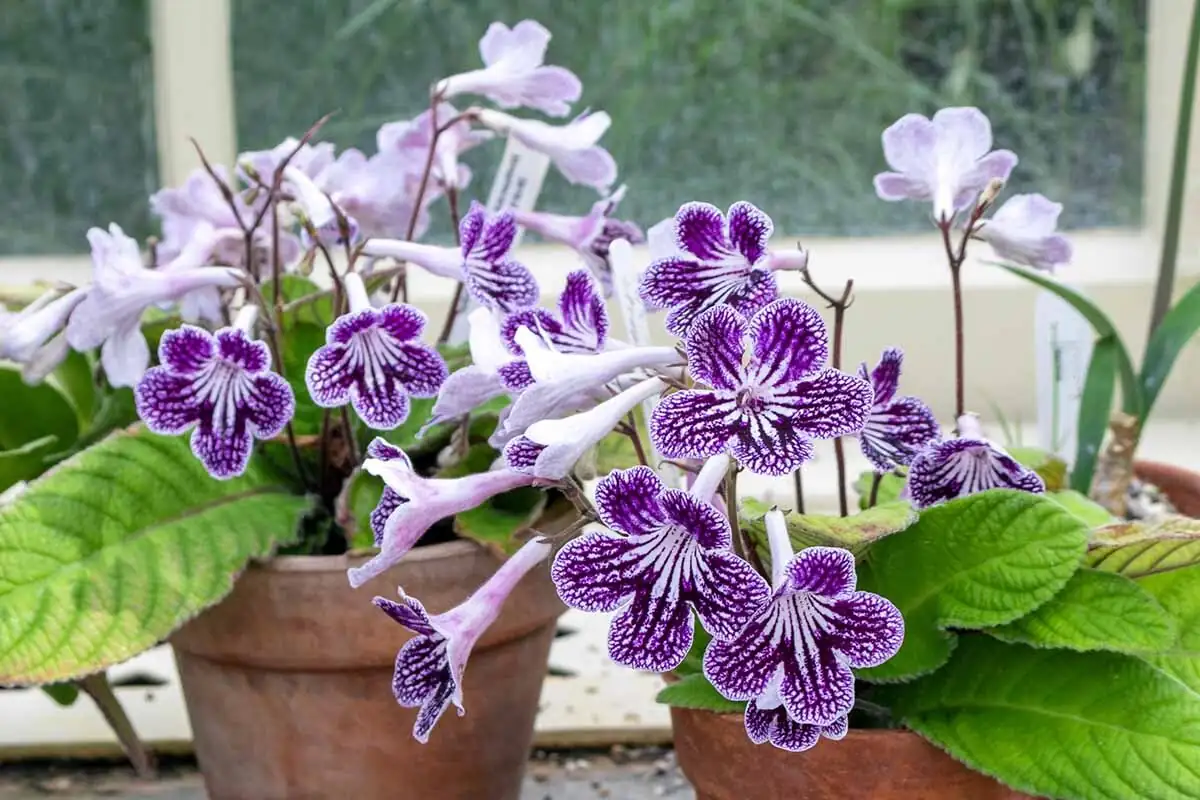
Streptocarpus (Cape primrose) looks delicate, but with a few smart habits it’s a powerhouse bloomer for bright windowsills. If yours suddenly sags, spots, or webs up, don’t panic—most problems are quick to diagnose and fix. Here’s your fast path to saving blooms from crown/root rot, mealybugs, aphids, and spider mites, plus the prevention playbook that keeps trouble from circling back.
Meet your plant’s sweet spot
Native to shaded, rocky habitats in Southern Africa, Streptocarpus thrives in bright, indirect light and a breezy, free‑draining setup. Think: east window, a slightly snug pot, and soil that never stays wet for long. Get those right, and the velvety flowers just keep coming.
- Light: Bright, indirect; light shade from harsh summer sun. Move to a brighter window in winter to support blooms.
- Temperature: 12–24°C (54–75°F).
- Humidity: Moderate household levels; avoid very dry, hot, stagnant air.
- Soil: Free‑draining mix amended with perlite so water never lingers at the crown or roots.
- Potting: 10–15 cm (4–6 in) pot; keep a little pot‑bound for best flowering.
Speedy symptom decoder
Use this at first glance to pick the right fix.
Crown/root rot
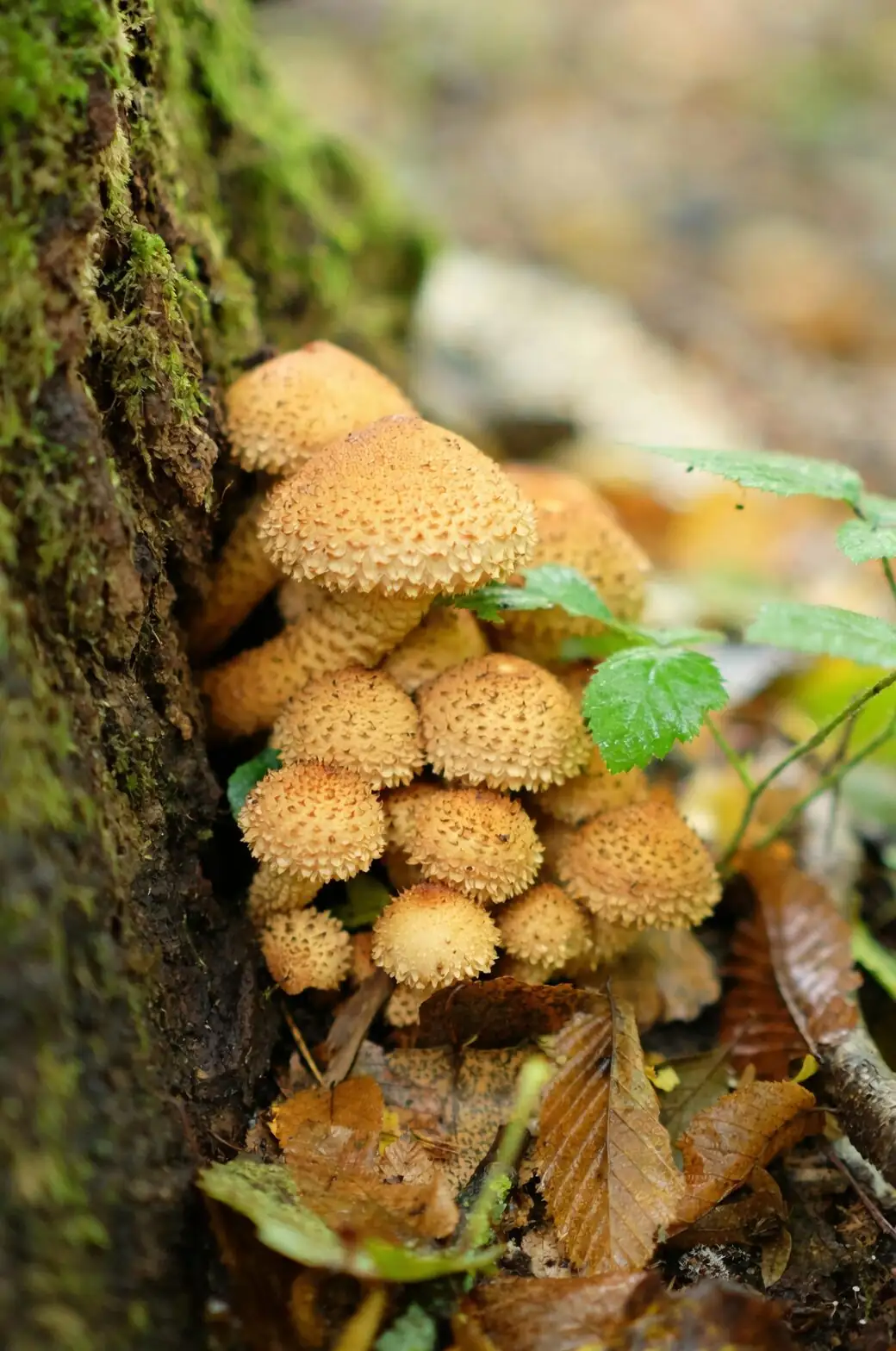
- Signs: Leaves collapse from the base, crown feels soft or blackened, sour smell, soil stays wet, fungus gnats hovering.
- Trigger: Overwatering or heavy mix; water pooling in the crown; poor airflow.
Mealybugs
- Signs: White, cottony tufts in leaf axils, along midribs, under leaves, and around the crown; sticky honeydew; ants sometimes present.
- Trigger: Hitchhikers from new plants; cluttered leaf bases; plant stress.
Aphids
- Signs: Clusters of green/black soft insects on buds and leaf undersides; curled or distorted new leaves; sticky honeydew.
- Trigger: Tender new growth and flower spikes are magnets.
Spider mites
- Signs: Fine speckling (stippling) on leaves, dulling or bronzing, silk‑fine webbing in tight leaf folds; thrives in hot, dry, stagnant air.
- Trigger: Warm rooms with low humidity and no airflow.
Crown/root rot: the 10‑minute triage
- Unpot and inspect.
- Healthy roots are pale and firm. Snip off any brown, mushy roots with sterile scissors.
- Save the crown.
- If the central crown is soft/black, trim back to firm, green tissue. If the entire crown is mushy, salvage healthy leaf cuttings for propagation.
- Repot light and right.
- Use a small pot with drainage. Replant in fresh, free‑draining mix (potting soil + plenty of perlite). Set the crown at the same level—never buried.
- Reset your watering.
- Water only when the surface feels dry in spring–autumn; in winter, let the mix become almost dry between waterings.
- Bottom‑water for about 20 minutes, then drain thoroughly; or top‑water gently around the pot’s rim, keeping water off the crown.
- Air and light for recovery.
- Bright, indirect light, steady 18–22°C, and gentle airflow. No heavy feeding until you see new growth.
Pro tip: Rot almost always traces back to too‑large pots and soggy mix. Staying slightly root‑restricted is a feature, not a bug—flowers are better and rot risk plummets.
Mealybugs: the cottony clean‑out

- Quick wipe:
- Dab visible mealybugs with cotton swabs dipped in 70% isopropyl alcohol. Focus on leaf axils and the base of the rosette.
- Rinse and repeat:
- Follow with insecticidal soap or neem oil, coating leaf undersides and protected creases. Test on one leaf first, and apply in the evening to avoid leaf spotting.
- Repeat every 5–7 days for 3–4 rounds to break the life cycle.
- Declutter:
- Remove old, crowded leaves and spent flower stalks to open airflow in the crown (the mealybug hideout).
- Quarantine:
- Isolate the plant until you’ve had two clean inspections in a row.
Aphids: gentle but relentless control
- Dislodge:
- Rinse with a gentle sprayer in the sink, aiming the undersides of leaves and buds. Shield the crown so water doesn’t pool there, and let the plant drain well.
- Soap cycle:
- Use insecticidal soap or neem oil, repeating every 4–7 days. Re‑treat flower spikes and any fresh growth—aphids love the tender tips.
- Honeydew cleanup:
- Wipe sticky leaves to reduce sooty mold and re‑infestation.
Spider mites: clamp down on the speckles

- Confirm:
- Tap a leaf over white paper—moving specks = mites. Check for fine webbing in leaf folds.
- Wash and wipe:
- Gently rinse foliage (avoid flooding the crown), then apply insecticidal soap or neem oil to leaf undersides. Repeat every 4–5 days for 2–3 weeks.
- Reset the microclimate:
- Keep moderate humidity and steady airflow; avoid hot, dry, stagnant rooms. A small fan on low across the room helps. No heavy misting into the crown.
Prevention that actually works
Airflow: your invisible shield
- Place where air moves lightly—no sealed, steamy corners.
- Space plants so leaves don’t constantly touch.
- Use a small fan on low across the room in warm months.
Pot size discipline
- Stick to snug pots (typically 10–15 cm / 4–6 in).
- Up‑pot only one size in spring if truly rooty.
- Oversized pots = wet soil that lingers around roots and crown.
Smarter watering habits
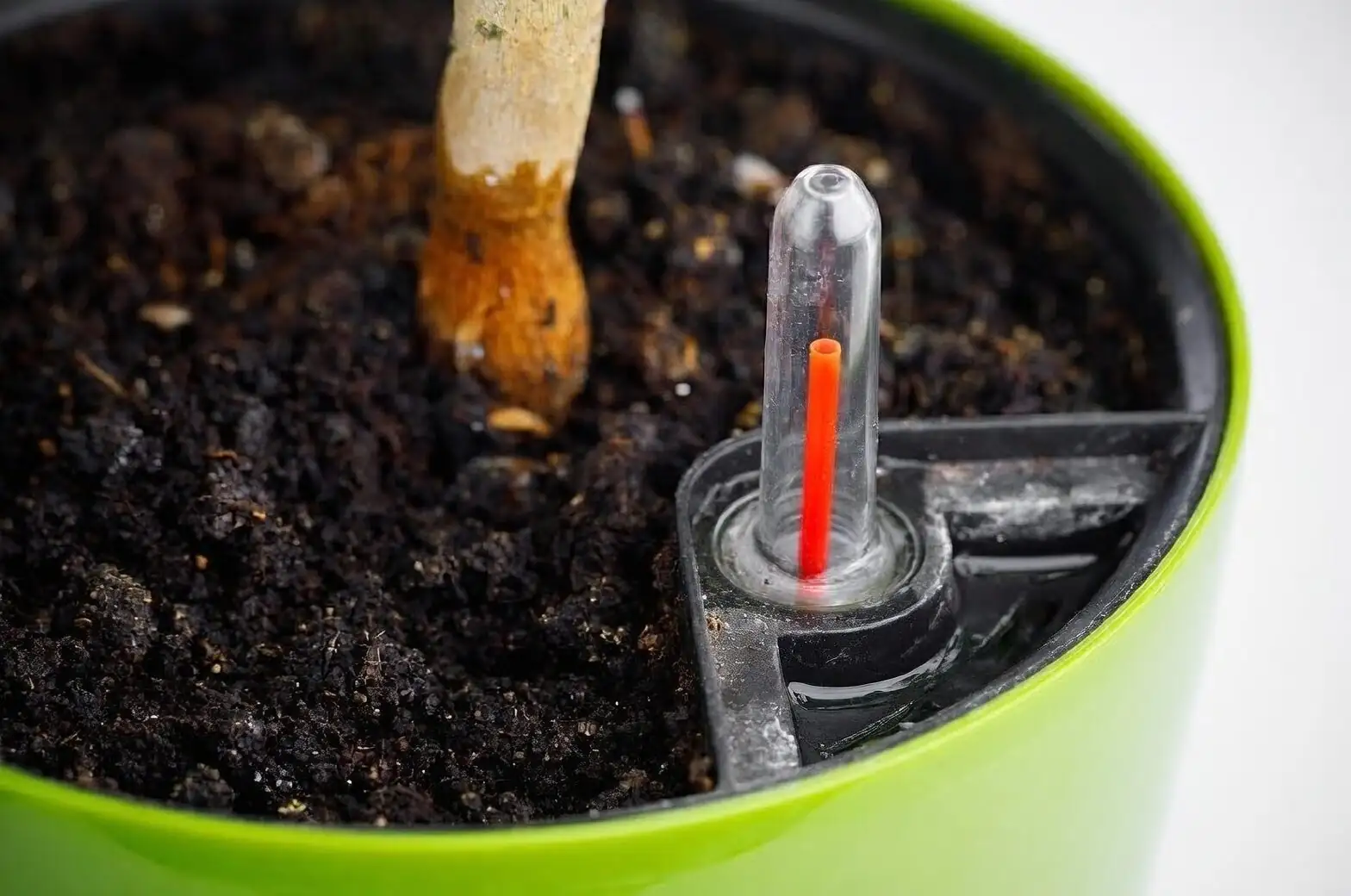
- Spring–autumn: wait until the surface is dry, then water.
- Winter: let the mix become almost dry between drinks.
- Bottom‑water 20 minutes, then drain thoroughly; or top‑water around the rim to keep the crown dry.
- Empty saucers—no standing water.
Soil and drainage
- Use a free‑draining mix boosted with perlite so water moves through quickly.
- Always choose pots with drainage holes.
Light and temperature
- Bright, indirect light is ideal; an east window is perfect.
- In winter, shift to a brighter spot (even a touch of direct sun) to keep flowers coming.
- Keep within 12–24°C (54–75°F); avoid hot, stagnant rooms.
Cleanliness and quarantine
- Remove spent flower stalks and older leaves to open the rosette.
- Inspect weekly—especially undersides of leaves and the crown.
- Quarantine new arrivals for 2–3 weeks.
Your five‑minute weekly routine
- Peek under leaves and into the crown with a flashlight.
- Feel the soil surface before watering.
- Remove spent blooms and one tired outer leaf if it’s crowding airflow.
- Wipe any honeydew or dust.
- Spin the pot for even light and growth.
Bonus: feeding for flowers
- Feed about once a month from spring through autumn with a high‑potassium fertilizer for flowering plants, following label directions. Skip feeding in winter lull.
Pet safety note
- Streptocarpus is generally regarded as non‑toxic to cats and dogs, but any chewing can upset tummies. Place out of nibbling range.
When to start over
- If the crown is entirely mushy or mealybugs have colonized deep in the rosette after multiple treatments, take healthy leaf cuttings (Streptocarpus roots easily from leaf sections) and restart in fresh, free‑draining mix. Often, this yields a cleaner, better‑shaped plant.
With a light, airy setup, a right‑sized pot, and watering that keeps the crown dry and the mix never soggy, Cape primroses repay you with a parade of velvety blooms from spring to autumn—and often right through winter in brighter light. Fast diagnosis, small fixes, big flowers.